
Planting
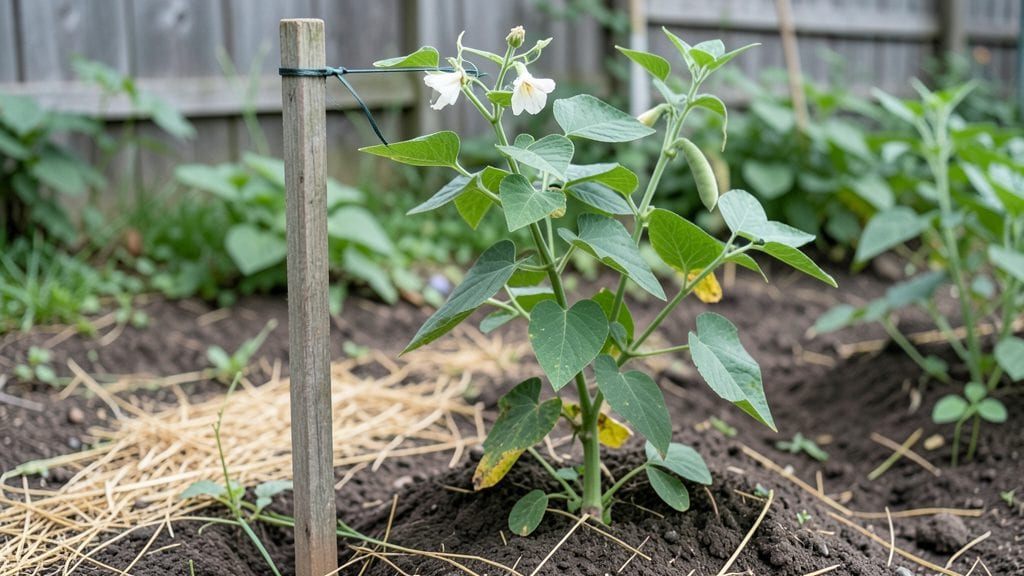
A sturdy bean plant support transforms tangled vines into a lush vertical garden, and the right trellis can make all the difference in growth—and harvest. 🌱 I’ve tested everything from bamboo stakes to A-frame trellises, and the difference is staggering.
Without support, vines sprawl, leaves yellow, and pods rot before you can pick them.
The best supports are lightweight but strong, like powder-coated metal cages or wooden lattice panels. Pole beans (like Kentucky Wonder) cling naturally, while bush beans (like Blue Lake) need gentle guidance.
Spacing matters too—plant pole beans 6 inches apart along the trellis, and give each plant 3-4 feet of vertical space to climb without crowding.
Once installed, training vines is simple: weave new growth through the trellis as it grows, and prune any side shoots that form below the lowest pods. A well-supported plant produces 30-50% more beans than one left to flop, and the pods stay cleaner and easier to harvest.
The key is consistency—check supports weekly for wobbles or sagging.
This works for containers, raised beds, or in-ground gardens. For small spaces, try freestanding trellis towers, and in larger plots, opt for permanent wooden frames. The upfront effort pays off in fewer pests, better air circulation, and beans that practically hand themselves to you at harvest time.
📚 In This Guide
- What you need
- Instructions
- Tips and common mistakes
- Wrapping up and next steps
What you need
- ● Trellis Structure: Bamboo stakes (3–4 ft tall, ½–1 inch diameter) – 2–4 per plant 🌿
- ● PVC pipes (½–1 inch diameter, 4–6 ft long) – 1–2 per plant 🏗️
- ● Wire mesh trellis (4 ft x 8 ft panels) – 1–2 panels for 6–10 plants 🪡
- ● Wooden stakes (2x2 inches, 4–5 ft tall) – 1–2 per plant 🪵
- ● Fasteners & Connectors: Zip ties (heavy-duty, ½ inch) – 5–10 per trellis 🔗
- ● Twist ties or garden twine – 1–2 rolls 🧵
- ● Screws/nails (if using wood) – small deck screws or galvanized nails 🔨
- ● Measuring tape or ruler
- ● Scissors or wire cutters (for mesh/PVC)
- ● Drill or hammer (if assembling wood)
- ○ Staple gun (optional, for securing mesh)
- ● Plant clips or soft ties (to secure vines gently) 🌱
- ● Decorative lattice panels (for a polished look) 🎨
- ● Galvanized hardware (to prevent rust) ⚡
- ● Waterproof sealant (if using outdoor wood)
Step-by-step instructions for building bean trellises
Here's how I build trellises that keep pole beans thriving without flopping—tested across seasons.
🪴 Step 1: Choose the Right Trellis Materials
For 4 climbing plants, I use 4 bamboo stakes (5 feet tall) or 1 6-foot wooden post as the central anchor. Bamboo is lightweight but sturdy enough for beans, while wood offers more customization if you're building a lattice. Avoid flimsy plastic—beans grow fast and need real support.
Drive stakes 6 inches deep into the soil, spacing them 12-18 inches apart for a staggered look. If using a single post, position it at the center of your planting area. The key is stability: tap each stake firmly so it doesn’t wobble when you lean on it. I always check this before planting—nothing worse than a trellis collapsing mid-season.
✂️ Step 2: Create Horizontal Supports
For a simple trellis, attach 3-4 horizontal strings or twine between stakes at heights of 12, 24, and 36 inches. Use 3-foot lengths of twine and tie them tightly with a bowline knot—beans will twine around these as they grow. For a more permanent setup, screw 1x2 wooden slats horizontally between stakes at the same intervals.
Leave 6-8 inches of slack in each string to allow for wind sway. Tighten as the plants grow. If you're using a lattice, space slats 4-6 inches apart vertically—this gives beans multiple points to grab onto. I always add a final top string at 48 inches to support the heaviest pods later in the season.
☀️ Step 3: Train Beans to Climb
As soon as seedlings reach 6 inches tall, gently guide the main stem along the trellis. Pole beans naturally twine counterclockwise, so wrap the vine around the string or slat in that direction. Don’t force it—just coax the vine upward. If a vine misses the support, let it grow until it reaches the next level, then redirect it.
Watch for side shoots forming at the leaf axils. These can be left to climb if you want bushier plants, but pinch them off if you prefer a single main stem. I usually let 2-3 side shoots grow per plant for better pod production. Mulch around the base with 2 inches of straw to keep soil moist and prevent weeds from competing.
💧 Step 4: Maintain Support Through the Season
Check the trellis weekly for stability—beans add weight fast, especially when pods form. If strings sag, retie them or add a third string between existing ones. For wooden slats, reinforce with additional screws if needed. I also weave extra twine between slats as a backup for vines that struggle to grip.
Water at the base, not overhead, to avoid breaking the trellis or dislodging vines. You’ll know your support is working when beans climb steadily upward, pods hang neatly along the strings, and the structure doesn’t lean. If a vine detaches, simply reattach it—beans are resilient and will recover quickly.
Tips & tricks for perfect bean plant support
Building a sturdy trellis isn't just about aesthetics—it's the foundation for healthy, productive climbing beans. Here's what I've learned from years of trial and error in the garden.
Stability is Everything: The 6-inch depth for stakes is non-negotiable—shallow stakes wobble when beans start producing heavy pods. I've seen trellises collapse mid-season because someone skipped this step. For extra security, especially in windy areas, add diagonal support strings between stakes. Think of it like reinforcing a bridge—you wouldn't build one without proper supports, and neither should you with your bean trellis.
The Right Twine Makes All the Difference: Don't just grab any old string from your toolbox. Use 3-foot lengths of jute twine or nylon cord—they're strong enough to handle the weight but flexible enough to prevent vine damage. I've tried cheap plastic twine that snaps when wet, and it's a nightmare to replace mid-season. The bowline knot is crucial too—it's the only knot that stays tight even when wet and doesn't slip as the plant grows.
Vertical Spacing Strategy: Those 12, 24, and 36-inch intervals aren't arbitrary—they match the natural growth pattern of pole beans. The final 48-inch top string is my secret weapon for supporting the heaviest pods. I've found that beans trained to climb higher actually produce more pods because they get better air circulation and sunlight exposure. Just make sure to leave that 6-8 inches of slack—tight strings can strangle young vines as they grow.
Season-Long Maintenance: Weekly checks aren't just about aesthetics—they're about catching problems before they become disasters. I keep a small toolkit nearby with extra twine, screws, and a mallet for quick repairs. The moment I notice strings sagging or slats pulling away, I reinforce them. Beans grow surprisingly fast, and what seems sturdy one week can become a liability the next. Think of it like giving your plants a physical exam—they can't tell you when they're in trouble.
Pro Tips for Bean Plant Support
- Building a sturdy trellis isn't just about aesthetics—it's the foundation for healthy, productive climbing beans.
- Stability is Everything: The 6-inch depth for stakes is non-negotiable—shallow stakes wobble when beans start producing heavy pods.
- The Right Twine Makes All the Difference: Don't just grab any old string from your toolbox.
Frequently asked questions
Got questions about keeping your climbing beans happy and healthy? You’re not alone! Here are some of the most common concerns—and straightforward answers—to help you grow strong, productive bean plants with ease.
What’s the best time to install bean plant support?
Install supports before planting or as soon as seedlings emerge (about 2–3 inches tall). Beans grow fast—waiting too long can stress their delicate stems or make training them tricky. Ahead-of-time setup also prevents root disturbance later.
Can I reuse last year’s trellis or support for beans this year?
Wooden stakes, bamboo poles, or metal cages can last multiple seasons if cleaned and stored properly. Disinfect with a 10% bleach solution (1 part bleach to 9 parts water) to prevent disease buildup. Avoid plastic ties from past years—they degrade and can harm stems.
My bean vines are sagging or breaking—what’s wrong?
Sagging often means the support isn’t sturdy enough or the vines are overloaded with pods. Reinforce with additional stakes or a wider trellis (like a tomato cage). For weak stems, gently tie them to the support with soft plant ties every 6–8 inches. Overwatering or pests (like aphids) can also weaken vines—check leaves for signs of stress.
Are there alternatives to traditional trellises for climbing beans?
Yes! Try these space-saving options:
- PVC pipes or wire mesh: Lightweight and customizable for small gardens.
- Hanging baskets with netting: Perfect for patios or balconies (use dwarf varieties).
- Living trellises: Train beans up cornstalks or sunflowers for a natural, no-fuss support.
- Wall-mounted hooks or railings: Ideal for urban gardens with vertical space.
How often should I adjust or retie bean vines as they grow?
Check and adjust ties every 1–2 weeks during active growth. As vines thicken, loosen ties to avoid girdling (which restricts sap flow). Use soft, breathable materials like old T-shirts, horticultural tape, or jute twine—never wire or plastic strips, which can cut into stems.
Wrapping up and next steps
Choosing the right bean plant support transforms your climbing beans from sprawling vines to a thriving, space-saving garden star! 🌱 Whether you opt for a simple stake, sturdy trellis, or DIY cage, the key is stability and airflow—keeping your plants healthy and productive.
With the right setup, you’ll enjoy a bountiful harvest while maximizing your garden’s potential.
Ready to elevate your gardening game? Grab your materials, follow the steps, and watch your beans climb to new heights—literally! Start small, experiment, and let your green thumbs guide you. Happy planting! 🌿