
Pests
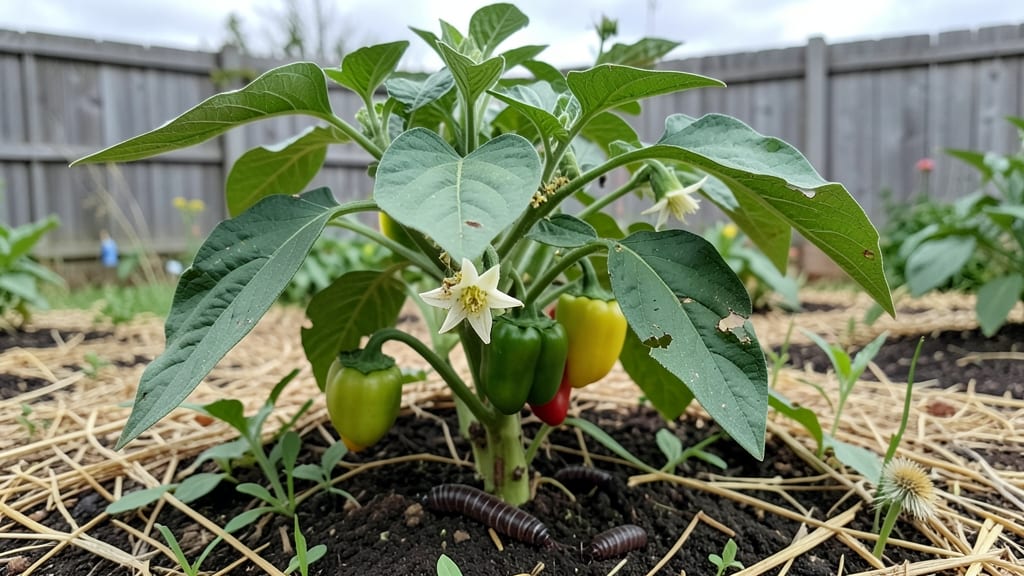
Bell pepper plant pests can turn a thriving harvest into a chewed-up disappointment faster than you can say "spider mite." 🌱 I've lost entire plants to hornworms and aphids, but I've also learned how to spot the warning signs early—before the damage gets out of control.
The most common culprits—aphids, hornworms, and spider mites—each leave distinct clues if you know what to look for. Aphids cluster on new growth, hornworms skeletonize leaves overnight, and spider mites create fine webbing on the undersides of leaves.
The key is catching them before they spread, which means checking your plants twice a week during peak growing season.
With the right organic defenses—neem oil sprays, handpicking hornworms, and introducing ladybugs—you can protect your peppers without harsh chemicals. I've seen entire gardens rebound in just 10 days when pests are addressed early. The secret is acting fast and staying consistent.
This works for both backyard gardens and container growers, though larger plots may need more frequent monitoring. Let's get your peppers back on track before the next infestation hits.
Root Causes of Bell Pepper Pests
Bell pepper plants are a magnet for pests—not because they’re weak, but because they’re nutrient-rich and vulnerable during key growth stages. Understanding the why behind these infestations helps you prevent them before they spiral.
Here’s a breakdown of the core reasons pests target your peppers—and how they exploit your garden’s weaknesses.
Pests thrive in chaos.
When bell pepper plants grow too close together or lack airflow, several problems compound: - Humidity buildup: Stagnant air creates the perfect damp environment for fungus gnats, aphids, and whiteflies—they love moisture like a spa day. 🌡️ - Shaded foliage: Dense canopies block sunlight, weakening leaves and making them easier targets for chewing insects (like hornworms) or sap-suckers (like spider mites). - Hidden harborage: Overlapping leaves trap pests, eggs, and debris, giving them undisturbed breeding grounds.
Actionable fix: Plant peppers 18–24 inches apart (check your variety’s needs) and prune to improve airflow. Use drip irrigation (not overhead) to keep leaves dry.
Peppers are heavy feeders, and when their diet is off, they can’t fight pests effectively.
Common nutrient gaps that invite trouble: - Nitrogen deficiency: Leads to yellowing leaves (a buffet sign for aphids and spider mites, who adore stressed plants). - Phosphorus/potassium shortages: Weak roots and stems make plants susceptible to borers and cutworms, which chew through soft tissue. - Excess nitrogen: Produces soft, tender growth—a hornworm’s dream meal.
Actionable fix: Test your soil and balance NPK ratios (e.g., 5-10-10 for flowering/fruiting stages). Add compost or worm castings for slow-release nutrients.
Pests don’t attack randomly—they follow food sources, and monoculture gardens (all peppers in a row) are like all-you-can-eat buffets.
Without natural checks: - Aphids and whiteflies explode because there are no ladybugs or lacewings to keep them in line. - Cabbage loopers (a pepper pest) thrive when no parasitic wasps are around to lay eggs in their larvae. - Slugs and snails dominate when ground beetles or birds aren’t patrolling.
Actionable fix:
- Plant companion crops: Basil, marigolds, and nasturtiums repel pests and attract beneficial insects.
- Create habitat: Add bee baths, rock piles, or native plants to lure predators.
- Release beneficial insects: Buy ladybugs, praying mantises, or nematodes (like Steinernema feltiae) for targeted control.
Pests time their attacks to exploit weather patterns.
Common triggers: - Sudden heatwaves: Stress peppers, making them release volatile compounds that attract thrips and spider mites (they’re drawn to plant distress signals). - Cool, damp springs: Ideal for fungus gnats and slugs, which multiply in moist soil. - Drought stress: Peppers wilt and become brittle, making them easier for borers to penetrate.
Actionable fix:
- Mulch heavily (straw or grass clippings) to retain moisture and regulate soil temp.
- Shade cloth during extreme heat to prevent wilting.
- Water deeply but infrequently (1–2 inches per week) to avoid fungal pests.
Even well-meaning gardeners unwittingly introduce pests through:
- Transplanting infected seedlings: Check new plants for aphids, whiteflies, or thrips before bringing them home.
- Reusing contaminated soil: Old garden beds may harbor pest eggs or larvae from last season.
- Ignoring early signs: A few chewed leaves or sticky residue (honeydew) can mean a full-blown infestation in days.
Actionable fix:
- Quarantine new plants for 1–2 weeks and inspect undersides of leaves.
- Solarize soil (cover with clear plastic for 4–6 weeks) to kill overwintering pests.
- Rotate crops annually to disrupt pest life cycles.
Some pests are opportunists that capitalize on broader ecological shifts:
- Invasive species: Asian citrus psyllids or sweetpotato whiteflies spread rapidly in warm climates and lack natural predators in new regions.
- Climate change: Warmer winters mean more surviving pest populations year-round.
- Neighbor’s gardens: If nearby farms or yards use chemical pesticides, resistant pests may migrate to your organic peppers.
Actionable fix:
- Monitor local pest alerts from Cooperative Extension Services.
- Join a garden network to share early warnings about outbreaks.
- Use reflective mulch (like silver plastic) to confuse whiteflies and aphids.
Quick Fixes for Common Pepper Plant Problems
When pests and diseases attack your bell pepper plants, acting fast is key to saving your harvest. Below are practical, organic solutions tailored to the most common culprits—from chewers to sap-suckers—plus prevention tips to keep your garden thriving.
Signs: Jagged holes in leaves, missing fruit, or frass (tiny droppings) on plants. Fix:
- 🔥 Handpick early: Check leaves daily at dawn or dusk when pests are sluggish. Drop them into soapy water.
- 🍳 DIY neem oil spray: Mix 1 tbsp neem oil + 1 tsp mild dish soap + 1 quart water. Spray undersides of leaves (where eggs hide). Reapply every 5–7 days.
- 👨🍳 Row covers: Use floating row covers (lightweight fabric) to block adult moths/beetles before they lay eggs. Remove at flowering for pollination.
💡 Prevention:
- 🌡️ Plant trap crops like nasturtiums or dill nearby to distract pests.
- ✨ Interplant with basil or marigolds—their strong scents repel chewers.
Signs: Sticky residue ("honeydew"), yellowing leaves, or tiny webs on undersides. Fix:
- 🔪 Blast them off: Spray plants with a strong stream of water 2–3 times/week to dislodge pests.
- 🥘 Homemade insecticidal soap: Combine 2 tbsp castile soap + 1 quart water. Spray directly on pests (avoid hot sun to prevent leaf burn).
- 🕷️ Introduce predators: Ladybugs and lacewings devour these pests. Buy them online or attract them with dill or fennel in your garden.
💡 Prevention:
- 🎯 Yellow sticky traps: Hang them near plants to catch whiteflies and aphids before they multiply.
- 🌿 Keep plants healthy: Stressed plants attract more pests—water deeply 1–2x/week and mulch to retain moisture.
Signs: White powdery patches (mildew) or dark, mushy spots (blight) on leaves/fruit. Fix:
- 🌿 Baking soda spray: Mix 1 tbsp baking soda + 1 tsp oil (like neem or olive) + 1 quart water. Spray every 7–10 days for mildew.
- 🔪 Prune infected parts: Remove entire leaves with blight (don’t compost them—bag and trash).
- 🌡️ Improve airflow: Space plants 18–24 inches apart and stake them to reduce humidity.
💡 Prevention:
- 💪 Water at the base (never overhead) to keep leaves dry.
- ✨ Copper fungicide spray (organic option) for blight-prone areas.
Signs: Silvery slime trails, ragged holes in leaves/fruit, or missing seedlings overnight. Fix:
- 🥘 Beer traps: Bury a shallow dish filled with beer near plants—slugs crawl in and drown.
- 🔪 Copper tape barriers: Wrap copper tape around pots or raised beds (slugs get a mild shock).
- 🌿 Diatomaceous earth: Sprinkle food-grade DE around plants (reapply after rain). ⚠️ Avoid breathing it in!
💡 Prevention:
- 🌙 Handpick at night with a flashlight (use a saltwater solution to dispose of them).
- 🎯 Remove hiding spots: Clear debris, boards, and dense mulch where slugs hide.
- 🌱 Rotate crops annually to starve soil-borne pests.
- 📊 Inspect weekly—catch problems before they spread!
- 🌿 Companion planting: Pair bell peppers with onions, garlic, or thyme to deter pests naturally.
By combining immediate action with preventive habits, your bell pepper plants will stay strong, healthy, and pest-free—ready for a bountiful harvest! 🌶️💚
Frequently asked questions about keeping pepper plants pest-free
What’s the fastest way to spot a hornworm infestation before it’s too late?
Check the undersides of leaves daily for large green caterpillars with white stripes and black horn-like projections. They leave behind distinctive chewed leaves with only the veins intact. Act fast—one hornworm can devour a plant overnight!
Can I use coffee grounds to repel pests from my pepper plants?
Yes! Sprinkle used coffee grounds around the base of plants—they deter aphids, slugs, and spider mites while adding nitrogen to the soil. Just avoid piling them directly against stems to prevent mold. Reapply after rain.
Why do my peppers get aphids even after spraying neem oil?
Aphids often return because they reproduce extremely fast (up to 100 eggs per female!). Spray every 5–7 days and add companion plants like marigolds to attract natural predators. Also check for hidden infestations on new growth.
Are there any pests that thrive in containers but not in garden beds?
Yes! Fungus gnats and root maggots love container-grown peppers because their roots stay moist. Let the top inch of soil dry between waterings, and use sand or perlite in potting mix to improve drainage.
How do I know if my pepper plant’s damage is from pests or disease?
Pest damage is usually irregular holes, chewed edges, or sticky residue (honeydew), while diseases show as powdery spots, wilting, or discolored patches. Check the undersides of leaves—pests often hide there, but diseases rarely do.