
Planting
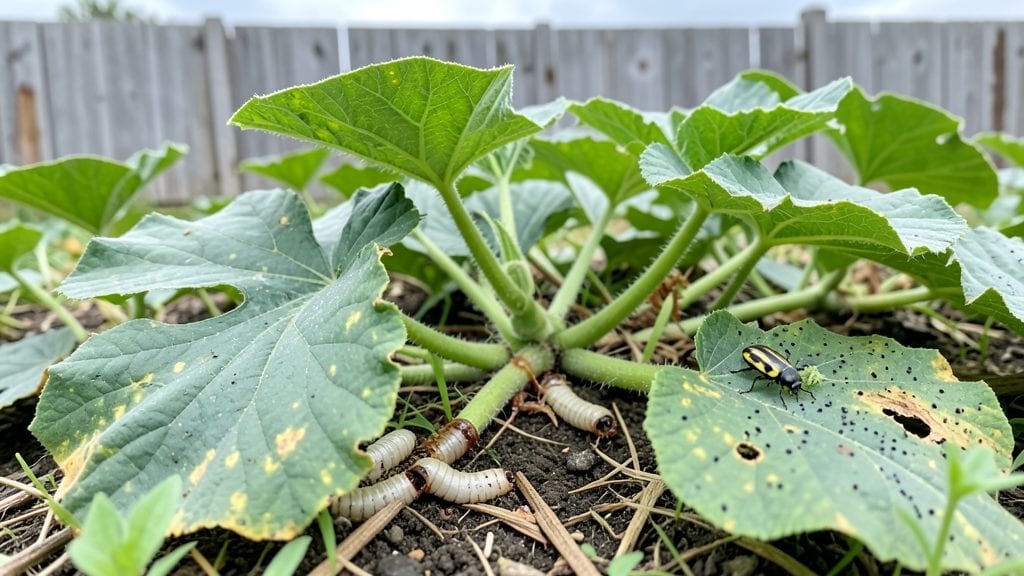
Pumpkin plant pests can turn your dream harvest into a chewed-up disappointment before you even taste that first slice. 🌱 I’ve lost entire vines to sneaky invaders like squash vine borers and aphids—until I learned their telltale signs and fast fixes.
The key isn’t just spotting them early but knowing how to stop them before they spread.
Most damage starts small: wilting leaves, tiny holes, or a fine white dusting on vines. These are your warnings—aphids cluster on undersides, cucumber beetles leave jagged notches, and powdery mildew turns leaves gray.
The good news? Organic sprays, neem oil, and row covers work better than you’d think, especially when you act fast.
With the right prevention—like planting marigolds nearby or rotating crops—you’ll protect your pumpkins without chemicals. I’ve gone from losing half my plants to harvesting 20-pound beauties every fall. The secret is staying one step ahead of these pests, not fighting them after they’ve won.
Whether you’re dealing with borers, beetles, or mildew, this guide gives you the exact steps to save your vines. Let’s turn those chewed leaves into a full, thriving harvest before the season ends.
Root Causes Of Pumpkin Plant Attacks
Pumpkin plants may seem resilient, but they’re far from invincible. When pests invade, it’s usually because your garden has become the perfect buffet—or because nature’s balance has tipped. Understanding why these critters show up is the first step to keeping them away.
Below, we break down the science behind the chaos and what makes your pumpkins so appealing to unwanted guests.
Pumpkin vines thrive when given space, but when plants are too close together, they create a cozy, humid microclimate that pests adore. Poor airflow and damp foliage make it easier for:
- Fungal diseases (like powdery mildew)—spread by moisture-loving insects like aphids and whiteflies.
- Squash vine borers—larvae burrow into stems more easily when vines are stressed from competition.
- Root-knot nematodes—thrive in compacted, overworked soil where roots can’t spread.
Why it happens: Dense planting reduces sunlight penetration, weakening plants and making them easier targets. Plus, crowded vines trap debris, giving pests shelter and breeding grounds. Solution tip: Space pumpkins 3–5 feet apart (or more for giant varieties) to improve airflow and deter pests naturally.
Pumpkins are heavy feeders, and when they’re starving, they stop producing natural defenses like bitter-tasting compounds that deter pests. Common deficiencies that attract invaders:
| Nutrient Shortage | Pest Attraction Risk | Signs to Watch For |
|---|---|---|
| Nitrogen (N) | Aphids, whiteflies, and spider mites (they love tender, fast-growing leaves) | Yellowing lower leaves, stunted growth |
| Potassium (K) | Squash bugs and cucumber beetles (weak stems = easy entry) | Brown leaf edges, weak vines |
| Magnesium (Mg) | Root maggots (stressed roots = easy targets) | Yellow patches between leaf veins |
Why it happens: When plants lack key nutrients, their cell walls weaken, making them more susceptible to chewing and boring pests. For example, cucumber beetles prefer stressed plants because they’re easier to penetrate. Solution tip: Test your soil and amend with compost or a balanced fertilizer (like 10-10-10) before planting. Side-dress with banana peels (high in potassium) mid-season to boost defenses.
Pumpkins hate extremes, and neither do the pests that attack them. Here’s how weather shifts supercharge infestations:
- Too much rain: Softens soil, making it easier for root maggots to lay eggs. Also, waterlogged roots attract fungus gnats and nematodes.
- Drought stress: Weakens plants, making them more attractive to sap-suckers like aphids (they’re drawn to high-sugar stressed sap).
- Sudden heat waves: Cucumber beetles and squash bugs multiply faster in warm conditions (they thrive above 75°F).
Why it happens: Pests are opportunistic. When environmental conditions stress pumpkins, their chemical defenses drop, and pests detect the change through volatile organic compounds (VOCs)—like a dinner bell. Solution tip: Use mulch (straw or grass clippings) to regulate soil moisture and temperature. Drip irrigation (instead of overhead watering) keeps foliage dry, reducing fungal pest attractants.
Pests don’t just find pumpkin patches—they inherit them. Leftovers from last season’s garden become a pest highway. Common culprits:
- Old vine debris: Squash vine borers overwinter in mummified vines and pupate in the soil.
- Weeds: Many garden pests (like striped cucumber beetles) feed on weeds first before moving to pumpkins.
- Uncomposted plant waste: Can harbor nematode eggs or fungal spores that reinfect new plants.
Why it happens: Pests have generational memory. If your garden was a buffet last year, they’ll return with reinforcements. For example, a single squash vine borer can lay 20–30 eggs in a season—all waiting to hatch near last year’s planting spot. Solution tip: Practice clean garden rotation: Never plant pumpkins, squash, or cucumbers in the same spot two years in a row. Remove all plant debris (including roots) and compost it only if heated to 140°F+ to kill pests.
💡 Pro Tip: If your pumpkin patch is a repeat pest magnet, try intercropping with pest-repelling plants like marigolds (deter nematodes) or nasturtiums (trap aphids). The scent masks your pumpkins’ natural attractants!
Quick Fixes for Pumpkin Plant Problems
Pumpkin plants are resilient, but pests and diseases can quickly turn a thriving harvest into a sad, wilted mess. The good news? Most issues have simple, effective solutions—whether you’re dealing with hungry bugs, fungal infections, or nutrient deficiencies.
Below, we’ll match common pumpkin plant pests and problems with practical fixes, so you can act fast and protect your crop. We’ve also included prevention tips to keep your plants strong from the start.
Signs: Jagged holes in leaves, yellowing vines, or a shiny, slimy trail (their poop). Why it happens: These striped or spotted beetles chew leaves and spread bacterial wilt.
How to Fix It: 🔥 Remove them by hand – Wear gloves and crush beetles (or drop them in soapy water) early in the morning when they’re sluggish. 🍳 Use row covers – Cover young plants with lightweight fabric to block beetles before they lay eggs. Remove when flowers appear for pollination. 👨🍳 Spray with neem oil – Mix 1 tbsp neem oil + 1 tsp mild soap in 1 quart of water. Spray leaves thoroughly every 5–7 days. 🌱 Plant trap crops – Surround pumpkins with radishes or nasturtiums to lure beetles away.
💡 Prevention Tip: Rotate crops yearly and clean up garden debris in fall to reduce overwintering beetles.
Signs: Wilting vines, brown eggs on undersides of leaves, or adult bugs hiding under foliage. Why it happens: These shield-shaped bugs suck sap, causing sudden collapse.
How to Fix It: 🔪 Squish adults & eggs – Check leaves daily and crush bugs between your fingers (they’re easy to spot when disturbed). 🥘 Use cardboard traps – Place flattened cardboard under plants; bugs hide underneath at night. Burn or drown them in the morning. 🌡️ Apply diatomaceous earth – Sprinkle food-grade DE around the base of plants (reapply after rain). It dehydrates bugs but is safe for plants. 🎯 Introduce beneficial insects – Ladybugs and spined soldier bugs love squash bugs. Buy them online or attract them with diverse plantings.
✨ Pro Tip: If you see wilting, cut open the stem—if it’s brown and mushy, bacterial wilt may be spreading. Remove infected plants immediately.
Signs: White, powdery coating on leaves, stunted growth, or yellowing. Why it happens: Fungal spores thrive in humid, shady conditions.
How to Fix It: 🌧️ Improve airflow – Space plants 3–4 feet apart and prune vines to let sunlight and air circulate. 💦 Spray with baking soda mix – Combine 1 tsp baking soda + 1 tbsp oil + 1 tsp soap in 1 quart of water. Spray undersides of leaves every 7–10 days. 🍎 Use copper fungicide – Follow package instructions for organic control. Apply at the first sign of mildew. 🌱 Choose resistant varieties – Try ‘Howden’ or ‘Waltham Butternut’ pumpkins, which tolerate mildew better.
💡 Prevention Tip: Water at the base (not overhead) and avoid planting pumpkins where nightshades (like tomatoes) grew last year—fungi can persist in soil.
Signs: Curled leaves, sticky residue (honeydew), or ants (they farm aphids for honeydew). Why it happens: These soft-bodied pests cluster on new growth, draining sap.
How to Fix It: 🚰 Blast them off with water – Use a strong spray nozzle to dislodge aphids from leaves. 🐞 Encourage ladybugs – Plant dill, fennel, or marigolds nearby to attract natural predators. 🍳 Try insecticidal soap – Spray directly on aphids (avoid hot sun to prevent leaf burn). 🌿 Use sticky traps – Hang yellow sticky cards near plants to catch migrating aphids.
🔥 Quick Fix: Crush aphid clusters with your fingers—it’s satisfying and effective!
Signs: Yellowing leaves (nitrogen deficiency), purple stems (phosphorus), or weak stems (potassium). Why it happens: Poor soil or overwatering leaches nutrients.
How to Fix It: 📊 Test your soil – Use a home kit or send a sample to a local extension office for a full analysis. 💪 Apply organic amendments –
- Nitrogen: Compost or fish emulsion.
- Phosphorus: Bone meal or rock phosphate.
- Potassium: Wood ash or greensand.
🥗 Water with liquid fertilizers – Use a balanced 10-10-10 or pumpkin-specific fertilizer every 2–3 weeks. 🌱 Mulch heavily – Straw or grass clippings retain moisture and slowly release nutrients.
🎯 Prevention Tip: Before planting, mix in 2–3 inches of compost and a handful of balanced fertilizer into the soil.
Want to avoid problems before they start?
Follow these easy habits: - 🌱 Rotate crops – Don’t plant pumpkins (or squash) in the same spot yearly. - 🌿 Plant companion plants – Marigolds, basil, and nasturtiums repel pests naturally. - 🌡️ Monitor daily – Check undersides of leaves and stems for early signs of trouble. - 🧹 Clean up debris – Remove old vines and leaves in fall to eliminate hiding spots for pests. - 💧 Water wisely – Early morning watering prevents fungal growth and deters slugs.
Frequently asked questions
What’s the fastest way to stop squash vine borers from destroying my pumpkin plants?
Cut open the stem near wilting vines—if you see brown frass (borer poop) or larvae, prune the vine back 6 inches below the damage. Apply diatomaceous earth to the cut stem to block reinfestation. For prevention, wrap young stems with aluminum foil (borers can’t penetrate it) or use row covers until flowering.
Can I use neem oil on pumpkin flowers without harming bees?
Yes, but apply it after 10 AM when bees have finished foraging for the day. Neem oil is bee-safe when used correctly—just avoid spraying flowers directly. For extra protection, mix 1 tablespoon neem oil + 1 teaspoon mild soap per quart of water and spray foliage (not blooms) every 5–7 days.
Why do my pumpkin leaves turn yellow even when I’m fertilizing regularly?
Yellowing leaves often signal overwatering or nutrient lockout. Pumpkins need 1–2 inches of water weekly, but soggy soil blocks roots from absorbing nutrients. Test your soil—if it’s compacted, amend with compost and switch to drip irrigation. Yellowing between veins? You’re likely missing magnesium (try Epsom salt spray).
How do I know if my pumpkin plant has powdery mildew vs. aphids?
Check the leaf undersides: mildew creates a white, powdery coating (like dust), while aphids leave sticky honeydew residue and curled leaves. Tap leaves over a white sheet—aphids scatter; mildew leaves no debris. Treat mildew with baking soda spray (1 tsp baking soda + 1 tbsp oil + soap per quart of water), and aphids with insecticidal soap.
Will companion planting really keep pests away from my pumpkins?
Plant marigolds (deter nematodes), basil (repels thrips), or nasturtiums (trap aphids) near your pumpkins. The key is diversity—pests struggle to find their targets when surrounded by confusing scents. For extra protection, interplant with radishes or lettuce (they lure cucumber beetles away from pumpkins).