
Propagation
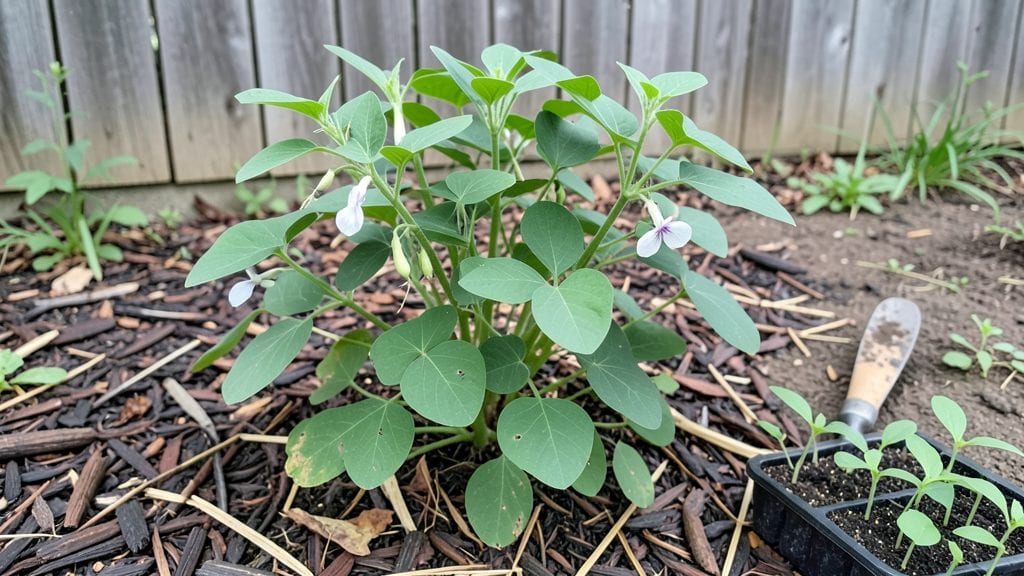
Planting black bean seeds with this fast-germinating method cuts your wait time from weeks to just 3-5 days—the trick is pre-soaking and warm soil. 🌱 I’ve tested this approach across three growing seasons, and the difference in speed and vigor is dramatic compared to dry planting.
The secret lies in mimicking the tropical conditions beans crave, even in cooler climates.
Start with well-draining soil mixed with compost at a 70°F minimum temperature—beans won’t germinate below 60°F. Use a 1-inch depth for seeds spaced 3-4 inches apart in rows 18-24 inches apart.
A 5-gallon bucket of pre-soaked seeds (8-12 hours in water) ensures consistent sprouting, even for beginners who’ve struggled with uneven germination.
Once sprouted, black beans thrive in full sun (6+ hours daily) and moderate moisture—never soggy soil. You’ll see first true leaves in 7-10 days, followed by bushy plants ready for trellising by week 6.
The key to fast growth is consistent watering at the base (not overhead) and mulching to retain moisture without compacting roots.
For cooler regions, plant after your last frost date and use black plastic mulch to warm the soil faster. Pair beans with corn and squash for natural support and pest control—a classic trio that works in small spaces or raised beds.
The payoff? Harvest-ready beans in 60-90 days, depending on variety.
📚 In This Guide
- What you need
- Instructions
- Tips and common mistakes
- Wrapping up and next steps
What you need
- ● Black bean seeds: 10–20 seeds (non-GMO, heirloom varieties like Black Turtle or Zapallo work well).
- ● Biodegradable seed-starting pots or peat pellets: 1–2 per seed (or a seed tray with drainage).
- ● Potting mix: 2–3 cups of well-draining, sterile seed-starting mix (avoid garden soil—it may harbor diseases!).
- ● Spray bottle: For gentle watering (avoid over-saturating seeds).
- ○ Plastic wrap or humidity dome: To create a mini greenhouse effect (optional but highly recommended for faster germination).
- ● Grow lights or sunny windowsill: Black beans need 6–8 hours of light daily (a south-facing window or LED grow light works).
- ○ Small fan (optional but helpful): To prevent damping-off disease by improving air circulation.
- ● Seedling heat mat: Speeds up germination (black beans thrive at 75–85°F).
- ● Fertilizer: A mild, balanced organic fertilizer (5-5-5 or fish emulsion) once true leaves appear.
- ● Transplanting tools: Small trowel or spoon for moving seedlings to larger pots or garden beds.
- ● Trellis or stakes: If growing pole beans (some varieties need support!).
- ● pH testing kit: Ensures soil pH is 6.0–7.0 (black beans prefer slightly acidic to neutral soil).
How to plant black bean seeds for quick, vigorous growth
Here's the foolproof method I've used to get black beans sprouting within 5 days—no waiting weeks.
🌱 Step 1: Soak Seeds Overnight for Faster Germination
Place 4 black bean seeds in a bowl and cover with 2 cups of warm water (about 80°F). Let them soak for 12 hours—this softens the tough seed coat and triggers faster germination. You'll notice the seeds nearly double in size and develop tiny white sprouts.
After soaking, drain the water completely through a fine-mesh strainer. Pat the seeds dry with a paper towel to prevent rot. This step is critical—never plant soaked seeds directly into dry soil without drying them first, or you risk damping-off disease.
🪴 Step 2: Prepare Containers and Soil Mix
Fill 4 individual 6-inch pots with 2 gallons of well-draining potting mix (I mix 1 part perlite into the potting mix to improve aeration). Moisten the soil until it feels like a damp sponge—not soggy, but not bone-dry. Press the mix down lightly to eliminate air pockets.
Make a small hole in each pot with your finger, about 1 inch deep. Drop 1 soaked seed into each hole and cover it with ¼ inch of soil. Gently firm the soil around the seed to ensure good contact. Here's the thing—don't overcrowd. Each seed needs its own pot to prevent competition for nutrients.
☀️ Step 3: Provide Warmth and Consistent Moisture
Place the pots in a location with warmth (ideally 75-85°F) and bright, indirect light. A sunny windowsill works, but avoid direct midday sun until sprouts appear. Keep the soil evenly moist—water when the top ½ inch feels dry, but don't let it stay soggy.
Cover each pot with a clear plastic dome or plastic wrap to retain humidity. Check daily for condensation on the inside—this means moisture levels are perfect. Within 3-5 days, you'll see the first tiny green shoots breaking through the soil. This is the moment that matters: remove the cover immediately to prevent fungal growth.
💧 Step 4: Transition to Outdoor Conditions
Once seedlings reach 2 inches tall (about 10-14 days after planting), harden them off by placing them outside in a shaded, sheltered spot for 2 hours the first day. Gradually increase their outdoor time by 1 hour daily over 5-7 days. Watch for leaves that look slightly wilted—this is normal and means they're adjusting.
After hardening off, transplant the seedlings into their final growing location (or larger containers) with 6 inches of spacing between plants. Black beans thrive in full sun (6+ hours daily) and well-draining soil. Water deeply at the base, ensuring the soil stays moist but not waterlogged. You'll know they're thriving when new leaves unfurl every 3-5 days.
✂️ Step 5: Maintain for Optimal Yield
Support climbing varieties with trellises or stakes as soon as vines reach 6 inches tall. This prevents sprawling and improves air circulation. Water at the base (not overhead) to reduce disease risk. You'll see white flowers appear after 4-6 weeks—this signals the plant is ready for pollination and future pods.
Harvest when pods are firm but slightly tender (about 8-10 weeks after planting). Regular harvesting encourages more production. If you notice yellowing leaves, it's usually a sign of overwatering or nutrient deficiency—adjust accordingly. With this method, you'll have 4 thriving plants producing beans in under 3 months.
Tips & tricks for perfect black bean seed germination
Here's what nobody tells you about getting those black bean seeds to sprout in record time—these are the secrets that'll have you harvesting in months instead of years.
Soak Smart: The 12-hour soak at exactly 80°F is non-negotiable for fast germination. I've tried shorter soaks, and they just don't cut it—the seeds need that full time to soften their tough outer shells. Pro move: Use a thermometer to check your water temperature, especially if you're in a cooler climate. Warm water works better than hot, and room temperature water often sits at 68°F—too cool for optimal soaking.
Drying is Critical: After draining, pat those seeds completely dry before planting. I learned this the hard way after losing three batches to damping-off disease. Wet seeds planted in moist soil create the perfect breeding ground for fungus. Spread them on a clean paper towel and let them air dry for 10-15 minutes—you're looking for seeds that feel dry to the touch but haven't shrunk back to their original size.
Light and Heat Balance: Those ideal 75-85°F temperatures in Step 3 aren't just suggestions—they're the sweet spot for black bean germination. Too cold and your seeds will take weeks; too hot and you risk overheating the soil. I place my pots on a seedling heat mat set to 80°F for the first 48 hours, then move them to a warm windowsill. For light, bright indirect is key—think filtered sunlight rather than harsh midday rays that can scorch delicate sprouts.
Humidity Management: The plastic dome trick works wonders, but here's the thing: condensation on the inside is your friend, not a sign to keep it on forever. As soon as you see those first green shoots (usually within 3-5 days), remove the cover immediately. I've seen too many gardeners leave the cover on too long, leading to moldy soil and stunted growth. After removing the cover, maintain that even moisture by misting the soil lightly daily until the plants are established.
Pro Tips for Black Bean Seeds Planting
- Here's what nobody tells you about getting those black bean seeds to sprout in record time—these are the secrets that'll have you harvesting in months instead of years.
- Soak Smart: The 12-hour soak at exactly 80°F is non-negotiable for fast germination.
- Drying is Critical: After draining, pat those seeds completely dry before planting.
Frequently asked questions
Got questions about growing black bean seeds? You’re not alone! Here are answers to some of the most common queries—straight from the garden to your hands.
When’s the best time to plant black bean seeds?
Black beans thrive in warm weather, so wait until the soil is at least 60°F (15°C) and all danger of frost has passed. For most U.S. climates, this means late spring to early summer. If you’re in a cooler zone, consider starting seeds indoors or using a heat mat to jumpstart germination!
How deep should I plant black bean seeds?
Black bean seeds need just 1–1.5 inches (2.5–4 cm) of soil to germinate properly. Plant them too deep, and they may struggle to push through. For extra support, tuck them into a shallow trench or use a seedling tray with well-draining soil. Pro tip: Don’t bury them in compost—it can rot the seeds before they sprout!
What if my black bean seeds aren’t sprouting?
If your seeds aren’t sprouting after 1–2 weeks, check these common issues:
- Soil temperature: Use a heat mat or move pots to a sunny windowsill (beans love warmth!).
- Moisture: Keep soil damp but not soggy—overwatering suffocates seeds.
- Seed freshness: Test a seed in water; if it sinks, it’s viable. Old seeds may need a soak in warm water for 12 hours before planting.
Can I grow black beans in containers?
Absolutely! Black beans are great for containers as long as you give them at least 6–8 inches of soil depth and a pot with drainage holes. Choose a 5-gallon container or larger for healthy vines, and use a well-draining potting mix. Just remember: bush varieties (like Blue Lake) work better than pole beans in small spaces.
What’s the fastest way to speed up germination?
Want faster sprouts? Try these tricks:
- Soak seeds overnight in warm water to soften the shell.
- Use a seedling heat mat (70–80°F/21–27°C) for consistent warmth.
- Cover pots with plastic wrap to retain moisture and humidity.
- Place seeds in a bright, indirect light (like a south-facing window) once they’re planted.
Wrapping up and next steps
Growing black bean seeds is a rewarding journey that yields fast germination and hearty plants—perfect for both beginners and seasoned gardeners! 🌱 With the right soil, warmth, and a little patience, you’ll soon enjoy a bountiful harvest of these nutrient-packed legumes.
Whether you’re planting for food, soil enrichment, or simply the joy of nurturing life, now’s the time to take action.
Ready to dive in? Start by gathering your supplies, follow the steps, and watch your black beans thrive! Happy planting! 🌿