
Lawn
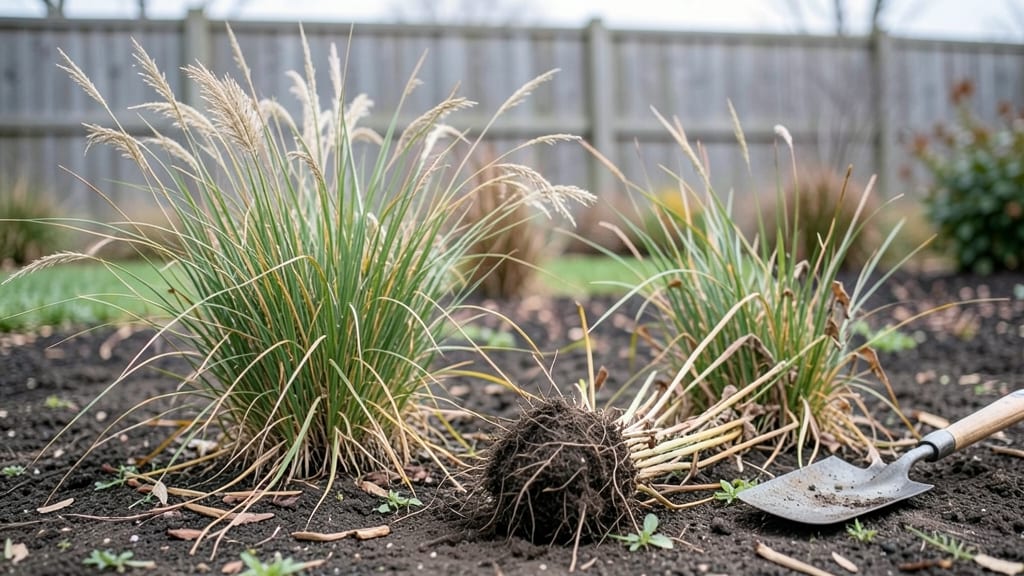
Planting wild grass is the fastest way to turn bare patches into lush, self-sustaining ground cover in just 10–14 days—no mowing, no fuss. I remember my first attempt after a drought-killed lawn: the wild mix sprouted while my neighbor's Kentucky bluegrass still sat in plastic pots.
The secret lies in choosing the right blend for your climate and giving it the right start.
You’ll need a broadcast spreader or simple hand-scattering, a rake for light soil prep, and a hose with a gentle watering nozzle. Skip the tilling—wild grass thrives in undisturbed soil, and overworking it actually slows germination.
Most mixes contain 60-80% native grasses that handle your local heat, drought, or shade better than turfgrass ever could.
After planting, keep the soil consistently moist (not soggy) for the first two weeks—think of it like watering a new houseplant, not a thirsty lawn.
Within a month, you’ll have a velvety green carpet that crowds out weeds, requires zero fertilizer, and stays green even when your neighbor’s lawn turns brown. The best part? Birds, bees, and butterflies will move in within weeks.
This works everywhere from sunny front yards to shady woodland edges, though seed mixes vary by region. In dry climates, look for drought-tolerant blends; in wet areas, choose fine fescue mixes.
Once established, wild grass outlasts traditional lawns by decades with almost no effort—just occasional mowing if you prefer shorter grass.
📚 In This Guide
- What you need
- Instructions
- Tips and common mistakes
- Wrapping up and next steps
What you need
- ● Fast-germinating wild grass seed mix – 10-20 lbs per 500 sq ft (choose a blend like michigan wildflower mix or native prairie grass for best results).
- ● Topsoil or compost – 1-2 inches spread evenly over the planting area to improve soil quality.
- ○ Organic fertilizer (optional but recommended) – A low-nitrogen, slow-release formula (e.g., 10-0-10) to support root growth.
- ● Rake – A bow rake (for leveling soil) and a leaf rake (for smoothing seed).
- ● Broadcast spreader – Ensures even seed distribution (manual or hand-crank models work great).
- ● Garden hose with spray nozzle – For gentle watering (avoid high pressure).
- ● Gloves & knee pads – Because comfort matters when you’re on your hands and knees! 😉
- ● Sunlight – Full sun (6+ hours/day) is ideal; partial shade works but may slow germination.
- ● Soil prep – Remove weeds, rocks, and debris. Loosen soil to 1-2 inches deep for better seed contact.
- ● Water source nearby – Wild grass needs consistent moisture during germination (first 2-3 weeks).
- ● Patience – Germination takes 7-21 days, depending on weather and seed type.
Step-by-Step instructions for planting wild grass
Here’s how to establish a resilient, fast-growing wild grass lawn with minimal effort.
Prepare the Soil for Optimal Germination
Clear the area of debris, rocks, and weeds, then loosen the top 6 inches of soil with a rake or tiller. Wild grass thrives in well-draining soil, so break up any compacted layers—this ensures roots penetrate easily. If your soil is heavy clay, mix in 1 inch of coarse sand to improve aeration. Test the pH if possible; wild grass prefers a neutral range of 6.0-7.0. If your soil is too acidic, spread 1 pound of garden lime per 100 square feet and work it in deeply.
Rake the surface smooth to create a fine, seedbed texture—think of it like preparing a soft blanket for the seeds. Avoid overworking the soil, as excessive tilling can bring buried weed seeds to the surface. Water the prepared area lightly to settle the soil before sowing.
Sow the Wild Grass Seed Evenly
Use a broadcast spreader or hand-sow the seed to achieve a uniform coverage of about 10 pounds per 1,000 square feet. Walk in a crisscross pattern to avoid thick or bare patches. If you’re seeding a small area, sprinkle seeds by hand and gently rake them into the soil to a depth of ¼ inch—this ensures good soil contact without burying them too deep. Press the seeds lightly with the back of a rake to secure them in place.
Wild grass seeds germinate quickly, but consistency is key. If you’re working in windy conditions, consider temporarily staking down a lightweight mesh or burlap to keep seeds from blowing away. Mark the seeded area with small stakes or flags to avoid accidentally disturbing it during watering.
Water Deeply and Maintain Moisture for Germination
Water the seeded area immediately after sowing to activate the seeds, then keep the soil consistently moist for the first 2-3 weeks. Use a gentle sprinkler or soaker hose to apply ¼ inch of water daily, avoiding heavy streams that can wash away seeds. The top ½ inch of soil should remain damp but not soggy—think of a wrung-out sponge. Overwatering can lead to seed rot, while underwatering stalls germination.
Mulch the area lightly with ¼ inch of straw to retain moisture and protect seeds from drying out or being displaced by wind. Remove the mulch once the grass reaches 2-3 inches tall to allow sunlight to reach the young plants. Avoid walking on the area until the grass is firmly established—typically after 4-6 weeks.
Encourage Rapid Growth with Proper Care
Once the grass reaches 3-4 inches tall, reduce watering to 1 inch per week, allowing the soil to dry slightly between waterings. This strengthens root development and prevents disease. Avoid mowing until the grass is at least 4 inches tall, as cutting too early stresses the young plants. Use a sharp mower blade set to 3-4 inches to promote dense growth without scalping the lawn.
Wild grass is drought-tolerant once established, but the first year requires consistent moisture to encourage deep root growth. Fertilize lightly with a balanced, slow-release fertilizer (10-10-10) at ½ pound per 1,000 square feet after the first mowing to support vigorous growth. Avoid heavy applications, as wild grass thrives in leaner conditions.
Maintain for Long-Term Resilience
After the first year, reduce mowing frequency to every 3-4 weeks during the growing season, adjusting the height to 3-5 inches depending on your climate. Wild grass handles foot traffic better once fully mature, but avoid heavy use until the second year. Overseed thin areas in early fall to fill gaps and maintain a thick, uniform lawn.
This grass mix is designed to outcompete weeds naturally, but occasional hand-pulling of persistent weeds in the first year ensures a cleaner look. With proper care, your wild grass lawn will establish quickly, require minimal maintenance, and stay lush with far less effort than traditional turf.
Tips & tricks for planting wild grass
Establishing a wild grass lawn quickly requires precision in preparation and maintenance—here’s how to ensure your seeds germinate fast and grow strong.
Soil Preparation is Everything: In Step 1, focus on breaking up compacted soil to a depth of 6 inches, but avoid over-tilling, which can bring dormant weed seeds to the surface. For clay-heavy soil, mix in 1 inch of coarse sand to improve drainage—this prevents waterlogging that can stall germination. I’ve found that testing soil pH beforehand saves time later; if your soil tests below 6.0, apply 1 pound of garden lime per 100 square feet and work it in thoroughly. This adjustment prevents nutrient deficiencies that slow growth.
Precision in Seed Distribution: When sowing in Step 2, aim for 10 pounds of seed per 1,000 square feet, but verify your spreader’s calibration beforehand. A common mistake is uneven coverage—walk in a crisscross pattern and double-check for bare spots. For small areas, sprinkle seeds by hand and rake lightly to a depth of ¼ inch. Pressing seeds gently with a rake ensures contact with moist soil, which is critical for rapid germination. I’ve seen seeds fail to sprout when buried too deeply or left exposed to wind.
Watering Strategy for Speed: The 2-3 week moisture window in Step 3 is non-negotiable for fast germination. Use a soaker hose to deliver ¼ inch of water daily, keeping the top ½ inch of soil consistently damp. Overwatering can cause seed rot, while underwatering halts growth entirely. Mulch with ¼ inch of straw to retain moisture, but remove it once the grass reaches 2-3 inches to prevent smothering young shoots. This balance is what turns a slow start into a lush lawn in weeks.
Timing for First Mowing: Wait until the grass reaches 4 inches tall before mowing in Step 4—this ensures deep root establishment. Using a sharp mower blade set to 3-4 inches promotes dense growth without stressing the plants. I’ve noticed that skipping this step often results in patchy lawns, as the grass struggles to recover from early cutting. Fertilize lightly with ½ pound of 10-10-10 per 1,000 square feet after the first mow to support vigorous growth without overfeeding.
Pro Tips for Planting Wild Grass
- Establishing a wild grass lawn quickly requires precision in preparation and maintenance—here’s how to ensure your seeds germinate fast and grow strong.
- Soil Preparation is Everything: In Step 1, focus on breaking up compacted soil to a depth of 6 inches, but avoid over-tilling, which can bring dormant weed seeds to the surface.
- Precision in Seed Distribution: When sowing in Step 2, aim for 10 pounds of seed per 1,000 square feet, but verify your spreader’s calibration beforehand.
Frequently asked questions
Got questions about planting wild grass? You’re not alone—here are some of the most common concerns and quick answers to get you growing with confidence!
What’s the best time of year to plant wild grass seed?
For most regions, early spring (March–April) or late summer (August–September) is ideal. These periods offer mild temperatures and steady rainfall, giving seeds the best chance to germinate without drying out or facing extreme heat. Avoid planting in winter or peak summer—frost or drought can stall growth.
How long does it take for wild grass to germinate and grow?
Wild grass mixes are fast-germinating, typically sprouting in 7–14 days under ideal conditions (warm soil, moisture, and sunlight). Full coverage may take 4–6 weeks, but don’t rush—light foot traffic is usually safe after 3–4 weeks. Patience pays off!
Can I plant wild grass in shaded areas?
Yes, but choose a shade-tolerant mix (like fine fescue or creeping red fescue). These grasses thrive with 2–6 hours of sunlight daily. Avoid dense shade (like under mature trees)—competition from roots and low light can slow growth. Test your spot by observing how sunlight shifts throughout the day.
Do I need to fertilize wild grass after planting?
Not immediately! Wild grass mixes are low-maintenance and designed to establish without heavy fertilization. Wait 6–8 weeks after germination before applying a light, organic fertilizer (like compost or a slow-release granular). Over-fertilizing can burn tender new shoots.
What if weeds take over before the grass grows?
Weeds are common at first, but don’t panic! Use a pre-emergent herbicide before planting to block weed seeds. Once your wild grass reaches 3–4 inches tall, it’ll outcompete weeds naturally. Hand-pull stubborn weeds or spot-treat with vinegar (mix 1 gallon water + 1 cup vinegar + 1 tbsp dish soap) for organic control.
Can I walk on wild grass right after planting?
Wait 4–6 weeks before light foot traffic—until the grass is 2–3 inches tall and roots are established. Heavy use (like kids’ play or pets) can uproot seedlings. Use a straw mulch layer (¼ inch thick) to protect seeds until germination.
Wrapping up and next steps
Planting wild grass is your ticket to a lush, low-maintenance lawn that thrives with minimal effort—perfect for busy homeowners or eco-conscious gardeners! 🌱 By choosing fast-germinating mixes like Bermuda, Buffalo, or Fescue, you’ll enjoy a resilient yard that resists drought, pests, and heavy foot traffic while supporting local ecosystems.
The key? Proper soil prep, smart watering, and a little patience—your green oasis will reward you in weeks.
Ready to transform your space? Start small—pick a sunny patch, gather your supplies, and dive in! Whether you’re a lawncare newbie or a seasoned pro, every seed sown today is a step toward a healthier, happier outdoor space. Grab your gloves and let’s grow! 🌿