
Companion Plants
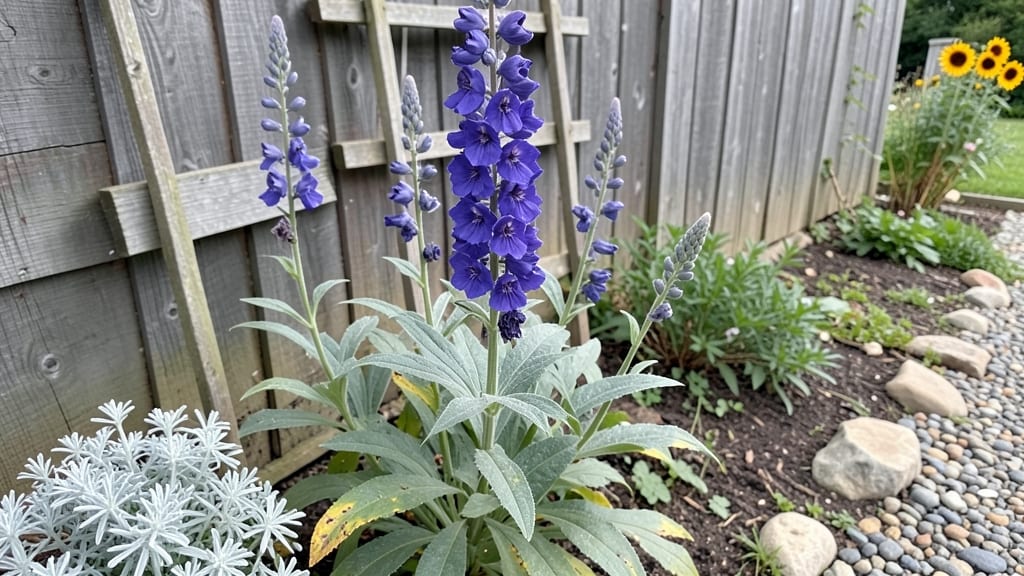
Blue purple plants don't just steal the show—they also keep pests at bay while you're not looking. 🌿 I've discovered that these striking foliage plants transform gardens into pest-repelling powerhouses, all while adding drama to borders, containers, and focal points.
The real magic happens when you mix them right. Pair deep purple salvia with silver-blue ornamental grasses, or tuck petunias along borders where their scent deters aphids. Lavender isn't just pretty—it's a natural mosquito repellent that thrives in modern or cottage gardens alike. These plants work hard while looking effortless.
You'll end up with a garden that buzzes with pollinators (thanks to the salvia and lavender) while pests stay far away. The color combinations create stunning contrasts—think purple foliage against chartreuse or bright yellow flowers. Even in small spaces, these plants pack a punch.
Best of all, they adapt to different garden themes. Use them as bold accents in modern designs or let them soften cottage garden edges. The key is placement: group them where they'll get the right light and complement nearby colors without competing for attention.
📚 In This Guide
- What you need
- Instructions
- Tips and common mistakes
- Wrapping up and next steps
What you need
- ● Blue-purple plants: Choose from options like Coleus, Heuchera, Lobelia, Sweet Potato Vine, or Purple Basil (1-3 plants per container or garden bed).
- ● Well-draining potting mix: 5-10 gallons (depending on container size) – opt for a blend with perlite or coco coir for aeration.
- ● Containers or garden space: Containers: 5-12 inch pots (1 per plant) with drainage holes.
- ● Garden beds: Full sun to partial shade, with at least 6-12 inches of soil depth.
- ● Organic fertilizer: Balanced (10-10-10) or slow-release granules (1 tbsp per plant).
- ● Watering can or hose: With a gentle spray nozzle for even moisture.
- ● Gloves: To protect hands while handling soil or plants.
- ○ Pruning shears: For trimming overgrowth (optional but helpful!).
- ● Mulch: Shredded bark or straw (1-2 inches) to retain moisture.
- ● Companion plants: Pair with basil, marigolds, or mint to boost pest-repelling effects.
- ○ Pest control sprays (optional): Neem oil or insecticidal soap for stubborn pests.
Step-by-Step guide to designing a stunning purple-blue foliage garden
Here's how to create a lush, pest-repelling display using nature's most striking purple-blue plants.
🌱 Step 1: Select Your Purple-Blue Plant Collection
Start by choosing four standout varieties that thrive in your climate. My go-to selections include Purple Heart (Tradescantia pallida) for trailing beauty, Black Mondo Grass (Ophiopogon planiscapus 'Nigrescens') for ground cover, Purple Smoke Bush (Cotinus coggygria 'Royal Purple') as a shrub anchor, and Blue Fescue Grass (Festuca glauca) for airy texture. Each brings unique pest-repelling qualities while creating visual drama.
For maximum impact, plan for height variation: place taller shrubs at the back, mid-height plants in the middle, and trailing or low-growing varieties at the front. This creates depth while showcasing the rich color palette. I always sketch a simple layout first—it saves time rearranging later when plants are established.
🪴 Step 2: Prepare Your Planting Sites
Most purple-blue foliage plants prefer well-draining soil with moderate fertility. Amend heavy clay with 2-3 inches of compost and mix in 1 cup of perlite per square foot to improve drainage. These plants often struggle in soggy conditions, so prioritize sites with natural drainage or raised beds.
Test your soil's pH—most purple-blue plants thrive in slightly acidic to neutral soil (pH 6.0-7.0). If your soil is alkaline, add sulfur or peat moss to lower the pH before planting. Work the amendments into the top 12 inches of soil for best results. I like to dig a hole twice as wide as the root ball but only as deep as the container the plant came in.
☀️ Step 3: Plant with Proper Spacing and Light
Follow these spacing guidelines for your four plants: Purple Heart needs 18-24 inches apart (it spreads aggressively), Black Mondo Grass should be planted 12-18 inches apart, Purple Smoke Bush requires 6-8 feet of space, and Blue Fescue Grass thrives 12-18 inches apart. Proper spacing prevents overcrowding and allows each plant to showcase its unique form.
These plants generally love full sun to partial shade (6+ hours of sunlight daily). In hot climates, provide afternoon shade to prevent leaf scorch. I always plant on a cloudy day or in the evening to reduce transplant shock. Water deeply after planting to settle the soil and encourage root growth.
💧 Step 4: Establish a Watering Routine
Newly planted purple-blue foliage needs 1 inch of water per week for the first month to establish roots. After that, most varieties are quite drought-tolerant once established. Water deeply but infrequently—aim for soil 2-3 inches deep to stay dry between waterings. This encourages deep root growth and prevents root rot.
Mulch with 2-3 inches of organic mulch (like shredded bark) to conserve moisture and suppress weeds. Keep the mulch 2 inches away from plant stems to prevent rot. You'll notice the mulch darkens over time—this is normal as it breaks down. Replace it annually to maintain effectiveness.
✂️ Step 5: Maintain and Prune for Year-Round Color
Prune Purple Heart in early spring to control its spreading habit, cutting back leggy stems by one-third. For Purple Smoke Bush, prune in late winter to shape the plant and encourage new growth. Blue Fescue Grass rarely needs pruning—just remove any dead foliage in early spring. Black Mondo Grass spreads slowly and typically doesn't require pruning unless it encroaches on other plants.
Fertilize lightly in early spring with a balanced, slow-release fertilizer (10-10-10) to support vibrant foliage. Too much nitrogen can dilute the purple-blue hues, so use half the recommended dose. Watch for pests—these plants naturally repel many common garden insects, but occasionally you may see spider mites on dry conditions. Treat with a strong spray of water if needed.
Tips & tricks for stunning purple-blue foliage gardens
Creating a showstopping purple-blue garden takes more than just planting—it's about strategic choices that make all the difference. Here are my go-to tips to ensure your vibrant display thrives and repels pests naturally.
Plant Selection Strategy: When choosing your Purple Heart, Black Mondo Grass, Purple Smoke Bush, and Blue Fescue Grass, look for plants with the most intense coloration at the nursery. The deeper the purple or blue hues, the more dramatic your garden will be. I always check the undersides of leaves too—they often reveal hidden colors that add unexpected depth to your design.
Soil Prep Secret: The 12-inch soil amendment depth mentioned in Step 2 is critical, but don't stop there. Before adding compost and perlite, break up any compacted soil with a garden fork. This creates air pockets that help roots establish faster. I like to mix in a handful of worm castings too—it gives plants a natural nutrient boost without overdoing it.
Pruning Precision: That one-third pruning cut for Purple Heart in Step 5 might seem arbitrary, but there's a method to it. Cut just above a leaf node where new growth emerges. This encourages bushier growth while maintaining the plant's vibrant color. For Purple Smoke Bush, I recommend using clean, sharp pruners and making cuts at a 45-degree angle to prevent water from pooling on the stems.
Seasonal Care Calendar: While the instructions focus on spring maintenance, here's what I do seasonally: In late summer, I give my Blue Fescue Grass a light haircut with hedge shears to maintain its neat appearance. In fall, I remove any dead foliage but leave the stems for winter interest. This simple seasonal routine keeps my garden looking intentional year-round.
Pro Tips for Blue Purple Plants
- Creating a showstopping purple-blue garden takes more than just planting—it's about strategic choices that make all the difference.
- Plant Selection Strategy: When choosing your Purple Heart, Black Mondo Grass, Purple Smoke Bush, and Blue Fescue Grass, look for plants with the most intense coloration at the nursery.
- Soil Prep Secret: The 12-inch soil amendment depth mentioned in Step 2 is critical, but don't stop there.
Frequently asked questions
Got questions about growing blue-purple plants? You’re not alone! Here are some of the most common queries—and their answers—to help you cultivate stunning, pest-repelling foliage with ease.
What makes blue-purple plants so effective at repelling pests?
Blue-purple plants, like coleus, helichrysum, or purple basil, often contain natural compounds (e.g., anthocyanins) that deter insects. Their vibrant hues also attract beneficial predators like ladybugs and lacewings, creating a balanced ecosystem. Plus, their strong fragrance confuses pests like aphids and whiteflies!
How long does it take for these plants to show pest-repelling effects?
Most blue-purple plants start deterring pests within 2–4 weeks of planting, once they’re established. Fast growers like purple trailing lobelia may show results sooner, while slower varieties (e.g., helichrysum) take a bit longer. Pair them with other companion plants for quicker, synergistic protection.
Can I grow blue-purple plants indoors, or are they only for gardens?
Many varieties thrive indoors with bright, indirect light (e.g., purple caladiums or blue dracaena). Use pots with drainage holes and rotate them occasionally for even growth. Just avoid cold drafts—most prefer temperatures above 55°F (13°C). Herbs like purple basil also do well on sunny windowsills!
What if my blue-purple plant’s color fades? How do I fix it?
Fading color is usually due to too much sun (bleaching) or nutrient deficiencies. Move plants to partial shade if leaves lighten, and fertilize with a balanced, iron-rich formula (e.g., 10-10-10). For variegated types, ensure they get 6+ hours of light daily to maintain vibrancy.
Are there any blue-purple plants that attract pests instead of repelling them?
Most blue-purple plants are pest-resistant, but a few (like purple sweet potatoes) can attract mealybugs if stressed. Monitor for sticky residue or white cottony spots. Remove infested leaves immediately and treat with neem oil or insecticidal soap. Always research a plant’s specific traits before adding it to your garden!
Pro Tip:
Rotate your blue-purple plants every 2–3 months to maximize pest control. Pests often target the same spots, so shifting plants keeps them guessing—and your garden thriving!
Wrapping up and next steps
Blue-purple plants aren’t just a stunning addition to your garden—they’re a natural pest-repelling powerhouse! From coleus to purple basil, these vibrant beauties boost your garden’s aesthetics and functionality. Their striking hues make them a conversation starter while keeping unwanted critters at bay.
Ready to transform your space? Start small—plant a few purple-leaved companions near your veggies or herbs, and watch your garden thrive and flourish! 🌿✨ Next step: Pick one plant from this list and experiment with pairings—your green thumb (and pests) will thank you!