
Companion Plants
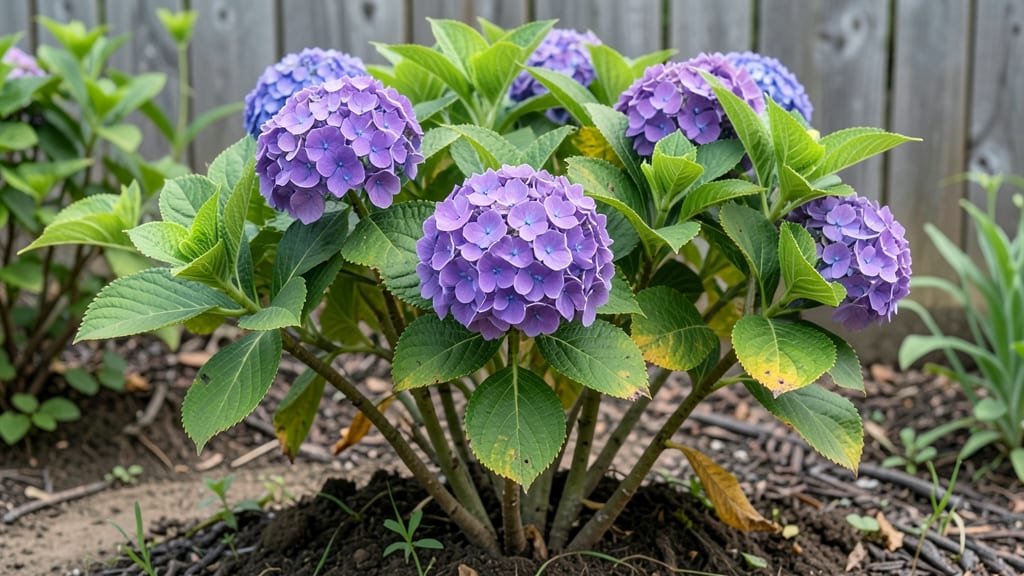
Growing purple hydrangea plants isn't just about pretty blooms—it's about transforming your garden into a vibrant purple paradise with almost no effort. I've had mine turn heads for years, and the secret isn't complicated: it's all about the soil, a little patience, and knowing when to leave those stems alone.
The first time I saw my hydrangeas shift from green to deep purple, I knew I'd cracked the code. Now, I get to enjoy that rich color from late spring until frost, with minimal pruning to keep them happy.
These plants thrive in partial shade, which makes them perfect for spots where full sun would scorch other flowers. They're not fussy about soil as long as it drains well and stays consistently moist—not soggy, just damp.
A balanced fertilizer in early spring gives them the boost they need, and that's about it. The real magic happens when you avoid heavy pruning—just trim back those leggy stems in late winter, and let the plant focus its energy on blooms instead of recovery.
Most gardeners overdo it with pruners, which is why their hydrangeas never live up to their potential.
What you'll end up with is a lush, dramatic display that stays vibrant all season. The leaves stay glossy, the stems stay sturdy, and the blooms keep their rich purple hue—no matter how hot the summer gets.
Even in winter, the skeletal branches add structure to the garden, and with a little mulch, they'll bounce back stronger than ever in spring. The best part? Once established, these plants need almost no attention beyond occasional watering and an annual feeding.
It's the kind of low-maintenance beauty that makes gardening feel effortless.
Fair warning: if your hydrangeas start shifting colors, it's usually a soil pH issue—too alkaline, and they'll turn blue, too acidic, and they'll stay pink. But with the right care, you'll get that consistent purple you're after. Here's how to keep them thriving all year long without the guesswork.
📚 In This Guide
- What you need
- Instructions
- Tips and common mistakes
- Wrapping up and next steps
What you need
- ● Purple hydrangea plants: Choose between: Mophead hydrangeas (Hydrangea macrophylla) – Classic blooms, great for containers or borders (e.g., 'Nikko Blue,' 'Endless Summer').
- ● Panicle hydrangeas (Hydrangea paniculata) – Larger, cone-shaped flowers (e.g., 'Limelight,' 'Little Lime').
- ● Well-draining potting mix or garden soil: Aim for acidic to neutral pH (5.2–6.5). For containers, use a blend of 50% peat moss or coconut coir + 30% perlite + 20% compost.
- ● Organic mulch: 2–3 inches of shredded bark, pine needles, or wood chips to retain moisture and regulate soil temperature.
- ○ Slow-release fertilizer (optional but recommended): A balanced 10-10-10 or acid-loving plant formula (e.g., 8-3-9) for best results.
- ● Garden trowel or transplant spade – For digging holes 2–3 times wider than the root ball.
- ● Pruning shears – Bypass pruners (sharp, clean) for shaping and deadheading.
- ● Garden gloves – To protect hands from thorns and soil.
- ● Watering can or hose with a gentle spray nozzle – Hydrangeas hate soggy roots but need consistent moisture.
- ○ pH test kit (optional but helpful) – To monitor soil acidity (purple blooms thrive in slightly acidic soil!).
- ● Container pots (if growing in pots) – At least 15–20 gallons for mature plants (diameter ≥18 inches).
- ● Sunlight: Partial shade (morning sun + afternoon shade) for mophead varieties; full sun to partial shade for panicle hydrangeas.
- ● Watering routine: 1–1.5 inches of water per week (more in extreme heat). Keep soil evenly moist but not waterlogged.
- ● Pruning knowledge: Learn the right time to prune (late winter/early spring for panicle; never after mid-summer for mophead).
- ● Patience: Purple hydrangeas may take 1–2 years to reach full bloom potential!
Instructions for growing and maintaining purple hydrangeas
Here’s how to keep your purple hydrangeas vibrant with simple, effective care that focuses on what matters most.
Choose the Right Planting Location
Purple hydrangeas thrive in partial shade, ideally receiving 4-6 hours of morning sun and afternoon shade, especially in hotter climates. If planted in full sun, the blooms may fade to pink over time due to soil pH changes. Test your soil’s acidity—purple hydrangeas prefer a pH of 5.2-5.5—and amend with sulfur if needed. Dig a hole twice as wide as the root ball but no deeper, loosening the surrounding soil to encourage root spread.
Place the plant so the top of the root ball sits 1 inch below soil level—this prevents stem rot while keeping roots cool. Water deeply right after planting to settle the soil and eliminate air pockets. Mulch around the base with 2-3 inches of organic mulch to retain moisture and regulate soil temperature. Avoid piling mulch against the stem, as this can trap excess moisture and invite rot.
Water Consistently Without Overdoing It
Hydrangeas need 1-1.5 inches of water weekly, but they’re sensitive to soggy roots. Water deeply once or twice a week rather than frequent shallow waterings. Check moisture by sticking your finger 2 inches into the soil—if it feels dry, it’s time to water. Purple hydrangeas wilt easily in drought, so container-grown plants may need daily watering in hot weather. Avoid overhead watering, which can promote fungal diseases like powdery mildew.
Morning watering is ideal—it allows foliage to dry before evening, reducing disease risk. If your hydrangeas start dropping leaves or flowers, they’re either underwatered or overwatered. Adjust based on soil dryness rather than a strict schedule. In winter, reduce watering to prevent root rot, but keep the soil slightly moist if temperatures fluctuate above freezing.
Feed with the Right Fertilizer at the Right Time
Use a balanced, acid-loving plant fertilizer (like a 10-10-10 or 20-20-20 formula) in early spring, just as new growth begins. Apply half the recommended dose to avoid burning roots. Purple hydrangeas don’t need heavy feeding—over-fertilizing leads to lush foliage but fewer blooms. In mid-summer, switch to a low-nitrogen, high-phosphorus fertilizer (like 5-10-5) to encourage flower production for next year’s blooms.
Work the fertilizer into the top 2-3 inches of soil around the plant, keeping it 6 inches away from the stem. Water thoroughly after applying to help nutrients reach the roots. Avoid fertilizing in late summer or fall, as new growth won’t harden off before winter. If your hydrangeas bloom poorly, they may need more phosphorus—or they might be pruned at the wrong time (more on that below).
Prune for Health and Shape, Not Just Blooms
Purple hydrangeas bloom on old wood, so pruning is minimal. Cut back dead or diseased branches in late winter or early spring before new growth starts. Remove any crossing or rubbing branches to improve airflow and reduce disease risk. Avoid heavy pruning—never trim more than 1/3 of the plant in one season, or you’ll sacrifice next year’s flowers.
Shape the plant lightly in late spring after blooming by trimming back leggy growth to encourage bushier growth. Use clean, sharp pruners and make cuts just above a leaf node or outward-facing bud. Never prune in fall—this removes next year’s flower buds. If your hydrangeas look overgrown, focus on thinning out the center rather than cutting back stems. This keeps the plant open to sunlight and air circulation.
Protect from Winter and Pests Year-Round
In colder climates, wrap young hydrangeas in burlap or frost cloth once temperatures drop below 20°F to prevent winter burn. Established plants usually handle frost, but mulch heavily (4-6 inches) around the base for insulation. Avoid heavy mulch in hot climates—it can smother roots. Watch for aphids, spider mites, or scale insects, which thrive on hydrangeas. Spray infested plants with neem oil or insecticidal soap in early morning or evening to avoid harming beneficial insects.
If leaves yellow or drop prematurely, check for hydrangea leaf gall (a fungal disease) or borers. Prune affected branches immediately and sterilize tools with rubbing alcohol. Purple hydrangeas are generally low-maintenance, but consistent care—especially watering and pruning—keeps them thriving for years. With the right balance of sun, soil, and attention, your hydrangeas will reward you with bold purple blooms season after season.
Tips & tricks for perfect purple hydrangea care
These simple but game-changing tips will help you maintain vibrant purple blooms with minimal effort while avoiding the most common mistakes that turn hydrangeas into underperformers.
Soil pH is everything: That 5.2-5.5 pH range in Step 1 isn't just a suggestion—it's the secret to keeping those purple blooms true to color. I've seen hydrangeas fade to pink when soil gets too alkaline, and it's heartbreaking. Test your soil annually and amend with sulfur if needed. For faster results, you can also use aluminum sulfate (follow package instructions) to lower pH quickly. The key is consistency—hydrangeas are sensitive to sudden pH changes.
Watering strategy matters more than you think: The 1-1.5 inches weekly guideline in Step 2 is perfect, but timing is crucial. I've found that container-grown hydrangeas need daily watering in summer heat, while in-ground plants can handle the twice-weekly schedule. The real trick is checking that 2-inch soil depth—if it's dry, water deeply until it runs out the bottom of the pot or drains from the soil. This prevents both underwatering and root rot, which are the two biggest killers of hydrangeas.
Fertilizer timing prevents wasted effort: I can't stress enough how important that early spring timing is in Step 3. Applying fertilizer at the wrong time leads to lush leaves but no flowers. For the mid-summer phosphorus boost, I like to use bone meal mixed into the soil—it's a natural way to encourage next year's blooms without risking over-fertilization. And remember, less is more with hydrangeas. Half the recommended dose prevents fertilizer burn that can damage roots permanently.
Pruning mistakes ruin next year's blooms: This is where most people go wrong. I've seen gardeners cut back their hydrangeas in fall, completely removing next year's flower buds. Always wait until late winter/early spring for that dead branch cleanup in Step 4. When shaping in late spring, focus on opening up the center rather than cutting back stems—this improves airflow and prevents fungal diseases. And never trim more than 1/3 of the plant in one season, no matter how tempting it looks!
Pro Tips for Purple Hydrangea Plants
- These simple but game-changing tips will help you maintain vibrant purple blooms with minimal effort while avoiding the most common mistakes that turn hydrangeas into underperformers.
- Soil pH is everything: That 5.2-5.5 pH range in Step 1 isn't just a suggestion—it's the secret to keeping those purple blooms true to color.
- Watering strategy matters more than you think: The 1-1.5 inches weekly guideline in Step 2 is perfect, but timing is crucial.
Frequently asked questions
Got questions about keeping your purple hydrangeas thriving? You’re not alone! Here are some of the most common concerns—and their solutions—to help you grow stunning blooms with ease.
How do I keep my purple hydrangeas blooming all season?
Purple hydrangeas (like Hydrangea macrophylla) thrive with consistent moisture and partial shade. Mulch around the base to retain humidity, and feed with acidic fertilizer (like hydrangea-specific formulas) in early spring. Deadhead spent blooms in late summer to encourage new growth—but skip this if you love winter interest!
When is the best time to prune purple hydrangeas?
Prune after flowering (late summer to early fall) to avoid cutting off next year’s buds. For mophead or lacecap varieties, trim back 1/3 of the oldest stems to the first set of leaves. Never prune in late winter or early spring—this removes buds that form over summer!
Why are my purple hydrangea leaves turning yellow or brown?
Yellow leaves often signal overwatering or poor drainage, while brown edges may mean underwatering or too much sun. Check soil moisture (it should be consistently damp but not soggy). If leaves curl, it could be heat stress—provide afternoon shade. Alkaline soil (pH >6.0) can also dull purple blooms; test soil and amend with sulfur or peat moss if needed.
Can I grow purple hydrangeas in containers? What’s the best setup?
Use a large pot (15+ gallons) with drainage holes and a mix of peat moss, perlite, and acidic potting soil. Choose compact varieties like ‘Nikko Blue’ or ‘Endless Summer’. Move containers to partial shade in summer and water daily (containers dry out faster). Fertilize monthly with a balanced acid-loving plant food.
How can I change my hydrangea blooms from pink to purple?
Purple blooms thrive in acidic soil (pH 5.2–5.5). Test your soil with a home kit, then amend with vinegar (1 cup per gallon of water, applied monthly), coffee grounds, or sulfur. Avoid lime or wood ash, which raise pH. Note: Some varieties (like ‘Nikko Blue’) are bred for purple and won’t shift color!
Wrapping up and next steps
Growing purple hydrangea plants is a rewarding way to add vibrant color and texture to your garden with minimal fuss! Whether you’re drawn to their lush blooms or low-maintenance charm, these beauties thrive with just a little care—like choosing the right soil, watering consistently, and a light pruning touch.
Now that you’re armed with tips on placement, feeding, and troubleshooting, it’s time to roll up your sleeves and get planting!
🌱 Next step: Pick your favorite purple variety (like Nikko Blue or Endless Summer), grab your gloves, and give your garden a stunning upgrade. Happy gardening!