
Companion Plants
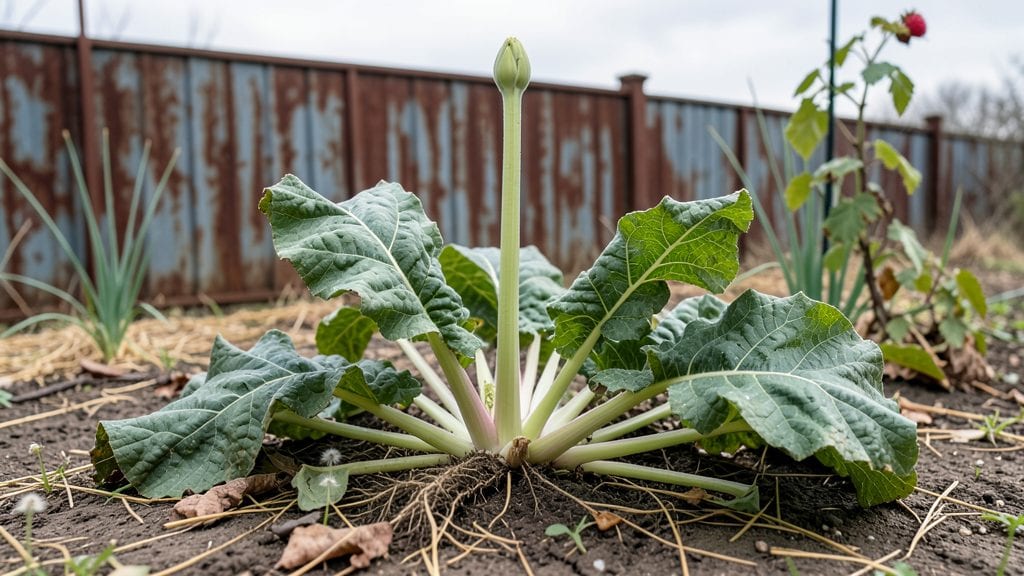
When rhubarb plants bolt unexpectedly, your harvest shrinks before it even begins. ✨ I’ve watched my prized rhubarb crowns send up those tall, flower-stalked spears year after year—only to realize the stalks were tough and the leaves bitter. The worst part? It happens even when you’re following all the "rules."
Bolting isn’t just about age—it’s a cry for help from stressed plants. Too much heat, inconsistent water, or overcrowded roots can trigger it, but the real culprit is often how (and when) you harvest.
I’ve since learned to prune aggressively in early spring, avoid cutting into the crown, and even shade young plants during heatwaves. The results? Thicker, sweeter stalks that stay productive for years.
You’ll notice the difference within weeks: no more bitter leaves or wasted energy going into flowers. Instead, your rhubarb will reward you with bold, vibrant stalks that keep coming until frost. The key is balancing harvest timing, soil health, and a little strategic shade—no fancy tools or secret fertilizers needed.
Even if your plants have bolted before, this method works for reviving them too. I’ll show you how to cut back those flower stalks at the base and coax your rhubarb back into growth mode—because every plant deserves a second chance. Let’s get those stalks growing again.
📚 In This Guide
- What you need
- Instructions
- Tips and common mistakes
- Wrapping up and next steps
What you need
- ● Healthy rhubarb plants (purchased or homegrown, 1–3 years old for best results)
- ● Sharp pruning shears or gardening knife (sterilized with rubbing alcohol to prevent disease)
- ● Garden gloves (to protect hands from thorns and sap)
- ● Compost or well-aged manure (1–2 gallons per plant, for nutrient boost)
- ● Balanced fertilizer (10-10-10 or similar) (1–2 tbsp per plant, applied in early spring)
- ● Mulch (straw, wood chips, or grass clippings) (2–3 inches thick to retain moisture and suppress weeds)
- ● Watering can or hose with a gentle spray nozzle (for deep, consistent hydration)
- ○ Plastic or metal plant tags (optional but helpful for labeling if dividing plants)
- ● Epsom salt (magnesium sulfate) (1 tbsp per gallon of water, sprayed on leaves for extra magnesium if yellowing occurs)
- ● Plant growth regulator (like Bonzi) (follow label instructions to delay flowering in stubborn cases)
- ● Shade cloth (30–50% coverage) (temporarily placed over plants to reduce stress if bolting starts early)
- ● Compost tea or liquid seaweed fertilizer (for a natural boost in organic gardens)
- ● Plant divider or sharp spade (if you plan to split mature rhubarb crowns to control bolting)
Step-by-Step instructions for preventing rhubarb bolting
Here’s how to keep your rhubarb plants focused on leafy stalks instead of flowering stalks.
🌱 Step 1: Identify and Remove Flower Stalks Early
Check your rhubarb plants weekly in spring once temperatures rise above 50°F. Look for tall, thick flower stalks emerging from the center of the plant—these are the culprits causing bolting. The moment you spot them, cut them off at the base with clean pruning shears.
Don’t wait until they’re 6 inches tall. By then, the plant has already diverted energy away from producing stalks. I like to do this in the morning when the stalks are firm and easy to spot. If you miss one, it won’t ruin your harvest, but it will reduce yield.
✂️ Step 2: Prune Aggressively After Harvesting
After harvesting stalks in early spring, cut back any remaining flower stalks or seed heads that might have formed the previous year. Even if they’re brown and dried out, they signal the plant to focus on reproduction instead of growth. Use sharp pruners to slice them off cleanly, about ½ inch above the crown.
This step is critical for second-year plants. If you skip it, the plant will prioritize seed production over leafy stalks, leading to smaller harvests. I also remove any weak or spindly stalks—these are energy drains and won’t contribute to your yield.
☀️ Step 3: Manage Light and Space for Optimal Growth
Rhubarb thrives in full sun (6+ hours daily), but too much heat can trigger bolting. If your climate has hot summers, provide light afternoon shade during peak heat (afternoon sun is often the most intense). Use shade cloth or move potted plants to a slightly shaded spot for a few hours.
Overcrowding also stresses plants and encourages bolting. Ensure each plant has at least 3 feet of space in all directions. If your rhubarb bed is packed tightly, thin out some crowns to improve airflow and reduce competition. Well-spaced plants focus energy on stalks instead of flowers.
💧 Step 4: Water Consistently to Prevent Stress
Rhubarb roots run deep, but consistent moisture is key to preventing stress-induced bolting. Water deeply once a week during dry spells, aiming for 1-2 inches of water per week. Let the soil dry slightly between waterings—soggy roots are just as bad as drought stress.
You’ll know your watering is right when the soil feels moist 2-3 inches down but not saturated. Mulch with 2-3 inches of organic mulch (like straw or shredded leaves) to retain moisture and keep roots cool. This simple step reduces fluctuations in soil temperature, which can trigger early flowering.
⏰ Step 5: Fertilize Strategically for Leafy Growth
Bolting often happens when plants are nutrient-deficient. Apply a balanced, slow-release fertilizer (10-10-10) in early spring, just as new growth begins. Follow package rates—over-fertilizing can cause other issues, but under-fertilizing leads to weak stalks and early flowering.
I also add a handful of compost or well-rotted manure around the base in late fall. This builds soil fertility over time, giving the plant the energy it needs for leafy stalks instead of flowers. Avoid high-nitrogen fertilizers in late summer, as they can encourage late-season growth that’s more prone to bolting.
Tips & tricks for preventing rhubarb bolting
A few simple tricks can make all the difference in keeping your rhubarb plants focused on leafy stalks instead of flowers.
Timing is Everything: In Step 1, don't wait until flower stalks reach 6 inches—cut them off as soon as you see them emerging. I've seen plants go from perfect stalks to bolting in just one week when I delayed this step. The key is weekly checks once temperatures rise above 50°F, especially in spring when growth accelerates. Morning inspections work best because dew keeps stalks firm and easier to spot.
Pruning Precision: When you're cutting back flower stalks in Step 2, aim for clean cuts about ½ inch above the crown. I've made the mistake of leaving stubs, which can lead to rot or regrowth. Use sharp pruners and make the cut at a slight angle to prevent water from pooling. This clean cut helps the plant heal faster and redirects energy to stalk production rather than healing damaged tissue.
Light Management Matters: For Step 3, if your climate has intense afternoon sun, consider using shade cloth that blocks 30-50% of light rather than moving plants. I've found that partial shade during peak heat hours (1-4pm) works better than complete shade, which can reduce photosynthesis. Also, remember that rhubarb needs at least 6 hours of direct sun daily—just manage the intensity, not the duration.
Watering Wisdom: The 1-2 inches of water per week in Step 4 should be spread over 2-3 watering sessions rather than one heavy soaking. I've learned this the hard way—overwatering leads to soggy roots, while infrequent deep watering causes stress. Check soil moisture 2-3 inches down; it should feel like a damp sponge, not a dripping towel. Mulching with 2-3 inches of organic material helps maintain this balance by reducing evaporation and temperature fluctuations.
Pro Tips for Bolting Rhubarb Plants
- A few simple tricks can make all the difference in keeping your rhubarb plants focused on leafy stalks instead of flowers.
- Timing is Everything: In Step 1, don't wait until flower stalks reach 6 inches—cut them off as soon as you see them emerging.
- Pruning Precision: When you're cutting back flower stalks in Step 2, aim for clean cuts about ½ inch above the crown.
Frequently asked questions
Got questions about bolting rhubarb? You’re not alone—gardeners often wrestle with timing, techniques, and troubleshooting when it comes to preventing early flowering. Here are answers to the most common queries to help you keep your rhubarb thriving and productive!
When is the best time to bolt rhubarb plants?
The ideal time to address bolting is immediately after you notice flower stalks emerging in early spring. These stalks sap energy from your plant, reducing leaf (and harvest) production. Act fast—once flowers open, it’s too late for that season. Regularly inspect your plants in March or April, depending on your climate.
How do I remove flower stalks without harming the plant?
Use clean, sharp pruners or even your hands to snip or pinch off flower stalks at the base. Avoid tearing the stalk—this can damage the crown. For stubborn stalks, wear gloves to protect your hands. Pro tip: Remove any secondary stalks that sprout afterward to conserve energy for leaf growth.
Can I still harvest rhubarb if it bolts?
Yes, but prioritize young, tender leaves over mature ones. Bolting weakens the plant, so harvest sparingly to avoid stressing it further. Focus on the outer leaves first, leaving the center intact. If the plant looks exhausted, reduce harvesting until it recovers after flowering.
What if my rhubarb keeps bolting year after year?
Persistent bolting often signals stress—check for overcrowding, poor soil, or inconsistent watering. Space plants 3 feet apart and amend soil with compost for better nutrition. If the issue continues, consider dividing the crown every 3–4 years to rejuvenate growth. Older plants bolt more frequently, so renewal may be needed.
Are there alternative methods to prevent bolting besides cutting stalks?
Yes! Shade cloth (30–50%) can reduce light exposure, delaying bolting. Mulching heavily with straw or leaves also helps conserve moisture and regulate soil temperature. For severe cases, cover plants with a bucket or box early in the season to block light—remove it once stalks appear to encourage leaf growth.
What should I do if I accidentally let rhubarb flower?
Don’t panic! While it’s not ideal, your plant can recover. Remove all flowers immediately to redirect energy. Reduce harvesting for the season and focus on soil care—fertilize lightly with a balanced formula (10-10-10) and water deeply. Next year, monitor closely and act faster at the first sign of stalks.
| Quick Fixes for Bolting | When to Use |
|---|---|
| Pinch off stalks at base | Early spring (March–April) |
| Apply shade cloth (30–50%) | Late winter/early spring |
| Divide overcrowded crowns | Every 3–4 years or if bolting persists |
| Reduce harvesting post-bolting | Current and following season |
Wrapping up and next steps
Bolting rhubarb plants can be frustrating, but with the right strategies—like choosing the right variety, proper planting techniques, and smart companion planting—you can keep your harvest thriving for years.
Remember, patience and consistency are key! 🌱 Now that you’re armed with these tips, grab your gardening gloves and give your rhubarb plants the care they deserve. Start by assessing your current patch, then take action—whether it’s dividing crowded roots, adjusting sunlight, or planting companions like thyme or strawberries.
Your future harvests will thank you!