
Planting
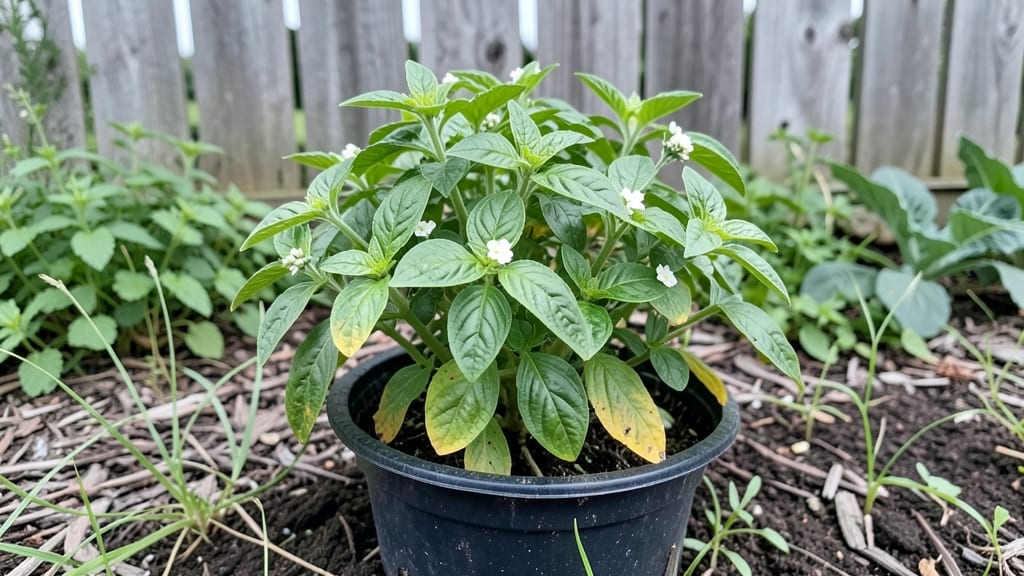
The boxwood basil plant thrives in shade gardens near boxwood shrubs, offering a fragrant, perfect pairing that turns leggy, bitter herbs into lush, flavorful winners—here’s how I finally cracked the code. 🌿 shaded planters burst with tender leaves all season.
The secret lies in choosing the right basil type and mimicking its natural Mediterranean habitat, even in partial shade.
You’ll need compact basil varieties like ‘Spicy Globe’ or ‘Sweet Thai,’ which handle shade better than traditional Genovese. Pair them with boxwood’s dense foliage for a lush, layered look while keeping soil rich with compost.
A 5-gallon container works well if your garden has rocky soil or poor drainage—just ensure it has drainage holes and stays consistently moist but never soggy.
By summer’s end, you’ll harvest vibrant green leaves with a sweeter, more complex flavor than store-bought. The boxwood’s glossy leaves contrast beautifully with basil’s aromatic foliage, creating a fragrant, low-maintenance display. Prune regularly to encourage bushiness, and watch as your shaded garden becomes the envy of the neighborhood.
This combo works in partial shade (2-4 hours of sunlight) or even dappled light under trees. For container setups, rotate pots weekly to prevent leaning. The key? Patience—shade-grown basil takes longer to mature but rewards you with longer harvest windows than sun-loving varieties.
📚 In This Guide
- What you need
- Instructions
- Tips and common mistakes
- Wrapping up and next steps
What you need
- ● Boxwood basil seeds or seedlings: 5–10 seeds (if starting from scratch) or 1–2 healthy seedlings (for faster growth).
- ● Pro tip: Look for heirloom or aromatic varieties like ‘Sweet Basil’ or ‘Genovese’ for the best fragrance!
- ● Well-draining potting mix or garden soil: 1–2 bags (10–20 lbs each) of organic potting mix (for containers) or amended garden soil (for in-ground planting).
- ● Add 1 part perlite or sand per 3 parts soil to improve drainage.
- ○ Containers (optional but recommended for beginners): 2–4 6–8 inch pots with drainage holes (or a 12-inch planter for multiple plants).
- ● Pro tip: Terracotta pots help prevent root rot in humid conditions!
- ● Gardening gloves (1 pair) – to protect your hands from soil and sharp edges.
- ● Trowel or small shovel – for transplanting seedlings or digging small holes.
- ● Spray bottle – for gentle watering of seeds or seedlings.
- ○ Measuring cup or scale (optional) – to mix soil amendments precisely.
- ○ Mulch (optional): 1–2 inches of shredded bark or straw to retain moisture and suppress weeds.
- ● Sunlight: Partial shade to dappled sunlight (3–6 hours of indirect light daily). Boxwood basil thrives where boxwoods do!
- ● Temperature: Ideal germination range: 70–85°F (21–29°C). Avoid frost—this plant is tender!
- ● Watering schedule: Keep soil consistently moist but not soggy (especially for seedlings).
- ○ Companion plants (optional): Pair with boxwoods, ferns, or hostas for a fragrant, low-light garden duo!
Step-by-Step guide for cultivating boxwood basil in shade gardens
This fragrant pairing thrives where others falter—here's how to grow boxwood basil alongside its woody companion.
🌱 Step 1: Select and Prepare the Perfect Planting Site
Boxwood basil performs best in partial to full shade, making it ideal for understory plantings near boxwood shrubs. Choose a location with dappled sunlight—at least 3-4 hours of indirect light daily—to prevent leaf scorch while maintaining its signature aroma. The soil should be well-draining but moisture-retentive, so amend heavy clay with 2-3 inches of compost from your materials list to improve aeration.
I always dig a hole twice as wide as the root ball to encourage root spread. Loosen the sides with a fork to reduce compaction, which boxwood basil roots hate. If planting near boxwood, space them 18-24 inches apart—close enough for visual harmony but far enough to avoid root competition. Here's the thing: boxwood basil's shallow roots need consistent moisture, so mulch immediately after planting with 2-3 inches of organic mulch to lock in humidity and suppress weeds.
🪴 Step 2: Plant and Stake for Stability
Place the boxwood basil plant in the hole, ensuring the top of the root ball sits level with the surrounding soil—burying the stem crown invites rot. Gently backfill with the amended soil, pressing lightly to eliminate air pockets. Since boxwood basil can get top-heavy as it matures, I always insert a 6-inch bamboo stake at a 45-degree angle near the plant's strongest stem. Secure it loosely with soft garden twine, leaving room for growth.
Water deeply immediately after planting to settle the soil and eliminate air gaps. You'll know it's right when water drains freely from the bottom of the hole. Avoid overwatering now—boxwood basil roots need time to establish before they can handle excess moisture. Here's what I do next: I water again in 3-4 days to encourage root expansion into the surrounding soil.
☀️ Step 3: Maintain Light and Moisture Balance
Boxwood basil thrives in 50-70% shade, so monitor its position as the season progresses. If leaves yellow between waterings, it's getting too much sun—relocate to a shadier spot or provide afternoon shade with a lightweight shade cloth. The goal is deep green, glossy leaves with no signs of stress. I check soil moisture by sticking my finger 1 inch deep—water when it feels dry but not powdery.
Fertilize lightly 4-6 weeks after planting with a balanced 10-10-10 organic fertilizer (use half the recommended dose). Boxwood basil prefers lean conditions, so overfeeding leads to leggy growth and weak fragrance. Here's the trick: I fertilize again in early summer, but only if new growth slows. The plant's natural resilience means it rarely needs more than this twice-yearly boost.
✂️ Step 4: Prune and Harvest for Bushy Growth
Pinch back the top set of leaves when the plant reaches 6-8 inches tall to encourage branching. This is where boxwood basil gets its signature compact form—without pruning, it grows tall and spindly. I always use clean, sharp scissors to make cuts just above a leaf node, which prevents disease entry. Harvest leaves sparingly in the first year to avoid stressing the young plant.
For mature plants, harvest no more than one-third of the foliage at a time, preferably in the morning when essential oils are most concentrated. The best leaves for fragrance are the younger, lighter green ones near the tips. After harvesting, give the plant a light watering to replenish moisture lost through the cut stems. Real talk: boxwood basil rewards patience—wait until it's 2-3 years old before heavy harvesting for the strongest aroma.
Tips & tricks for perfect boxwood basil cultivation in shade gardens
Mastering boxwood basil in shady conditions takes a few strategic adjustments—here's what I've learned after years of perfecting this aromatic pairing.
Light Management: The 3-4 hours of indirect light mentioned in Step 1 is non-negotiable for flavor development, but here's the secret: use a light meter app to verify your spot actually gets that range. Morning sun is ideal—afternoon light can scorch even in shade. If your garden gets intense midday sun, install a removable shade cloth (30-50% block) during peak hours. I've found that boxwood basil adapts better to morning light than afternoon, so position it accordingly.
Soil Science: The 2-3 inches of compost recommendation is perfect, but here's what nobody tells you—boxwood basil roots are particularly sensitive to salt buildup. If you're in a coastal area or use tap water with high mineral content, flush the soil monthly with rainwater to prevent accumulation. Also, mix in 1 part perlite to every 3 parts soil when amending—this improves aeration without compromising moisture retention, which is crucial for those shallow roots.
Staking Strategy: That 6-inch bamboo stake in Step 2 is brilliant, but I've discovered a game-changer: add a second stake on the opposite side when the plant reaches 12 inches tall. This creates a natural trellis effect that supports the plant's weight while allowing air circulation. Use jute twine instead of plastic—it's biodegradable and won't girdle the stems as they grow. The 45-degree angle is perfect, but make sure the stake is buried at least 4 inches deep for maximum stability.
Harvest Timing: The morning harvest recommendation in Step 4 is spot-on, but here's the professional tip: harvest just before the plant's natural dew point—typically between 6-8 AM. The essential oils are most concentrated at this time, giving you the strongest fragrance. Also, never harvest more than one-third of the plant's foliage in any 7-day period—this prevents shock and maintains consistent growth. I've found that harvesting every 10-14 days during peak growing season (late spring to early fall) gives optimal results without stressing the plant.
Pro Tips for Boxwood Basil Plant
- Mastering boxwood basil in shady conditions takes a few strategic adjustments—here's what I've learned after years of perfecting this aromatic pairing.
- Light Management: The 3-4 hours of indirect light mentioned in Step 1 is non-negotiable for flavor development, but here's the secret: use a light meter app to verify your spot actually gets that range.
- Soil Science: The 2-3 inches of compost recommendation is perfect, but here's what nobody tells you—boxwood basil roots are particularly sensitive to salt buildup.
Frequently asked questions
Got questions about growing boxwood basil in your shade garden? You’re not alone! Here are some of the most common queries—and their answers—to help you cultivate this fragrant herb with confidence.
How do I know if my boxwood basil plant is getting enough light?
Boxwood basil thrives in partial shade, meaning 3–6 hours of dappled sunlight daily. If leaves turn pale or leggy, it’s getting too much light; yellowing or drooping suggests too little. A spot near a north-facing window or under tall trees (like oaks) is ideal. Pro tip: Rotate the pot occasionally for even growth!
How long does it take for boxwood basil to grow enough for harvesting?
With proper care, you can snip tender leaves in as little as 4–6 weeks after planting! For fuller harvests, wait until the plant is at least 6–8 inches tall. Prune regularly to encourage bushier growth—just avoid taking more than one-third of the foliage at once.
Why are my boxwood basil leaves turning yellow or brown?
Yellowing leaves often signal overwatering or poor drainage. Brown edges? It could be underwatering or salt buildup from tap water. Check soil moisture (top inch should be dry) and ensure pots have drainage holes. Fix it: Water deeply but less frequently, and use rainwater or filtered water if possible.
Can I grow boxwood basil indoors, and what’s the best pot size?
Boxwood basil adapts well to indoor spaces. For a single plant, a 6–8 inch pot works, but upgrade to 10+ inches for long-term growth. Use a well-draining mix (like 60% potting soil + 30% perlite + 10% compost) and place it near a bright, indirect light source. Bonus: Group with other herbs to maximize humidity!
What’s the best way to use harvested boxwood basil in cooking?
This herb’s earthy, slightly peppery flavor pairs perfectly with tomato-based dishes, soups, and salads. Lightly bruise leaves before adding to recipes to release aromatic oils. Avoid boiling—add fresh basil at the end of cooking to preserve its flavor. Try it: Toss with balsamic glaze for a gourmet twist!
Wrapping up and next steps
Growing boxwood basil in your shade garden is a fantastic way to add fragrant beauty and culinary versatility to your space! 🌿 Whether you're a seasoned gardener or just starting out, this hardy herb thrives with minimal fuss—just remember its love for partial shade and well-draining soil.
With its delicate leaves and sweet aroma, it’s sure to become a star in both your garden and your kitchen.
Ready to take the next step? Plant a few boxwood basil stems today and watch your garden (and meals!) transform. Happy growing! 🌱