
Light Requirements
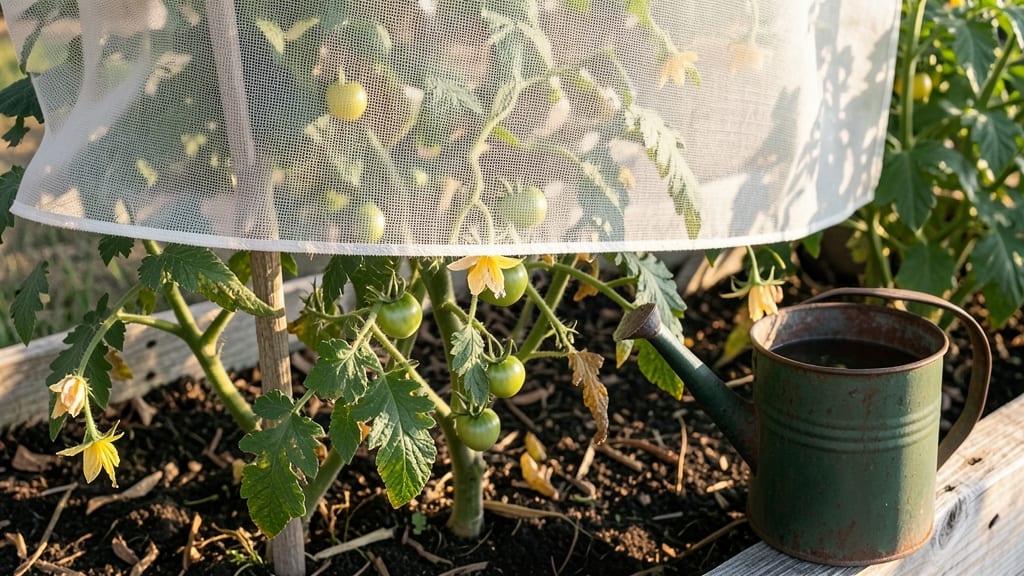
When tomato plants get too much sun, they wilt faster than a summer rainstorm can save them. 🌿 I’ve watched my own plants go from lush and green to crispy-edged in just a few hours—until I learned the quick shade fixes that turn things around.
The key isn’t just throwing shade cloth over them; it’s understanding how to protect them without stunting growth or inviting pests.
Tomatoes in intense sun suffer from sunburn (white or gray patches on leaves), leaf scorch (brown, papery edges), and even fruit damage (sun-scalded tomatoes). The irony? Too much sun can be just as deadly as too little.
My fix combines partial shade (like a lightweight row cover or dappled shade from nearby plants) with deep watering—not just a quick sprinkle. Within days, the leaves perk up, and the plant starts focusing energy on fruit instead of survival mode.
You’ll see the difference in 3-5 days: new growth emerges, wilting stops, and the plant regains its deep green color. The trick is balancing shade with airflow—tomatoes still need 6-8 hours of sunlight daily, just not the brutal midday glare.
For future seasons, I plant taller crops (like corn or sunflowers) nearby to act as natural shade, or use 50% shade cloth during peak sun hours.
This works for determinate (bush) and indeterminate (vining) tomatoes alike, whether you’re in a hot desert climate or a southern summer. The same principles apply to peppers and eggplants too—once you master the shade game, your harvest won’t just survive the heat, it’ll thrive in it.
When Sun Becomes Too Intense
Tomato plants thrive under sunlight, but too much of a good thing can turn your lush green vines into crispy, struggling survivors. Understanding the science behind why excessive sun harms your plants helps you take corrective action before it’s too late.
Here’s why your tomato plants might be suffering from an overdose of rays.
Tomato roots are sensitive to extreme temperatures, and when soil overheats, it disrupts their ability to absorb water and nutrients. Here’s how it happens:
- Heat buildup: Dark soil absorbs sunlight like a solar panel, raising temperatures well above 90°F (32°C). At these levels, roots can’t function properly, leading to osmotic stress—a condition where cells lose water faster than they can absorb it.
- Reduced microbial activity: Beneficial soil microbes, like mycorrhizal fungi, slow down or die in scorching conditions. These microbes help roots access nutrients, so their decline means your tomatoes starve—even if the soil looks fertile.
- Root burn: In extreme cases, roots can literally "cook," turning brown or black. This is irreversible and often fatal for the plant.
💡 Pro Tip: Test soil temperature with a thermometer—ideal root-zone temps for tomatoes hover around 70–85°F (21–29°C). If it’s hotter, mulch heavily with straw or wood chips to insulate the soil.
While tomatoes need sunlight for photosynthesis, their leaves aren’t equipped to handle prolonged, direct exposure—especially in hot climates or during peak afternoon sun. Here’s the breakdown:
- Photosynthesis overload: Excess light triggers an overproduction of reactive oxygen species (ROS), which damage cell membranes. Think of it like rust forming inside your plant’s leaves.
- Water loss acceleration: Bright sunlight increases transpiration (water evaporation through leaves) faster than roots can replenish it. This causes leaves to wilt or develop necrotic (dead) spots, often along the edges.
- Sunburn blisters: In severe cases, leaves develop pale, papery patches or blisters—visible signs of cellular damage. These areas can’t photosynthesize, weakening the plant.
🎯 Watch For: Leaves that look bleached, crispy, or have a "sunburned" appearance (white/yellow patches). Young leaves are most vulnerable.
Tomatoes are heat-sensitive during flowering and fruiting. When temperatures soar above 90°F (32°C), the plant’s reproductive process gets thrown into chaos:
- Pollination failure: Tomato flowers rely on buzz pollination (vibration from bees) or self-pollination via wind. High heat thickens flower pollen, making it less likely to transfer successfully. This leads to blossom drop—flowers falling off before fruiting.
- Fruit abortion: Even if flowers set fruit, extreme heat can cause young tomatoes to abort (stop growing) or develop as blossom-end rot (a calcium deficiency triggered by uneven water uptake).
- Catfacing: Uneven heat exposure can deform fruit, causing catfacing—a condition where tomatoes grow with indented, misshapen surfaces.
✨ Science Note: Tomatoes also produce ethylene gas in response to stress, which can accelerate fruit drop. Shade cloth reduces this hormonal response.
Now that you know the why, the next step is fixing it. Stay tuned for actionable solutions to cool down your tomato plants and protect your harvest!
Fixing Over-Sunned Tomato Plants
Now that you recognize the signs of your tomato plants struggling under too much sun, let’s turn things around with practical solutions. Whether your plants are wilting, scorched, or producing bitter fruit, these fixes will help restore balance and protect your harvest.
Below, we’ve mapped out the most common causes and their corresponding solutions—plus tips to keep your plants thriving long-term.
If your tomato plants are getting more than 6–8 hours of direct sun (especially during peak afternoon heat), they’ll need relief. Here’s how to cool them down:
🔥 Quick Shade Solutions (Immediate Relief)
- Use shade cloth (30–50% coverage) over the hottest parts of the day (11 AM–4 PM). Secure it 2–3 feet above the plants to allow airflow.
- Plant near taller crops like corn, sunflowers, or pole beans to create natural shade.
Just ensure your tomatoes still get morning sun for energy. - Move potted tomatoes to a spot with dappled shade (e.g., under a patio umbrella or near a fence with partial coverage).
🌿 Long-Term Shade Planning
- Choose the right location: Plant tomatoes where they’ll receive morning sun and afternoon shade, especially in hot climates.
- Use reflective mulch: Light-colored mulch (like straw or white plastic) reflects sunlight away from the soil, reducing heat stress.
- Train vines upward: If using cages or trellises, encourage vertical growth to lift foliage away from scorching ground heat.
Tomatoes in too much sun lose moisture faster, leading to wilting or blossom drop. Fix it with these watering tweaks:
🍳 Deep and Consistent Watering
- Water deeply 1–2 times per day (early morning and late evening) to keep roots cool.
Avoid overhead sprinklers, which can scorch leaves. - Use drip irrigation or soaker hoses to deliver water directly to the soil, reducing evaporation. - Check soil moisture: Stick your finger 1–2 inches into the soil—if it’s dry, water immediately.
🌡️ Cool the Roots
- Mulch heavily with straw, grass clippings, or wood chips to retain moisture and block sunlight from heating the soil.
- Avoid watering during peak sun (10 AM–4 PM), as it increases evaporation and can burn leaves.
If leaves are yellowing, crispy, or bleached, they’re suffering from sun scald. Here’s how to nurse them back to health:
👨🍳 Prune and Revive
- Trim damaged leaves with clean shears to redirect energy to healthy growth.
Focus on the lower leaves first. - Apply a light foliar spray of diluted seaweed extract or compost tea to boost recovery. - Avoid fertilizing until the plant stabilizes—too much nitrogen can stress sun-damaged foliage.
🌿 Prevent Future Scorch
- Harvest regularly: Overripe tomatoes can stress the plant further.
Pick them when firm but ripe. - Avoid pruning during heatwaves: Wait for cooler weather to minimize stress on the plant. - Use a shade tent (like a DIY frame with cheesecloth) if extreme heat is forecasted.
Too much sun can make tomatoes tasteless, mealy, or small. Fix the flavor and quality with these adjustments:
⏰ Adjust Sun Exposure Gradually
- If your tomatoes are suddenly getting more sun (e.g., due to tree trimming or seasonal changes), acclimate them slowly.
Start with a few hours of shade per day, then reduce over 1–2 weeks. - Harvest green tomatoes and ripen them indoors if the heat is too intense for proper sweetening.
🎯 Optimize Growing Conditions
- Fertilize lightly with a balanced tomato fertilizer (e.g., 5-10-10) to support recovery, but avoid overdoing it.
- Hand-pollinate if heat is preventing bees from doing the job.
Gently shake the plants or use a small brush to transfer pollen. - Consider heirloom varieties like ‘Solar Fire’ or ‘Heatmaster’ if you’re in a hot climate—they tolerate more sun.
- Monitor weather forecasts and prepare shade solutions before heatwaves hit. - Rotate pots if growing in containers to ensure even sun exposure. - Test your soil’s moisture with a moisture meter for precision watering. - Avoid plastic mulch in extreme heat—it can trap too much warmth.
Stick to organic mulches.
With these fixes, your tomato plants should bounce back in 1–2 weeks, producing sweeter, healthier fruit. The key is balancing sun exposure, hydration, and recovery—so don’t hesitate to adjust as needed! 🍅☀️
Frequently asked questions
How do I know if my tomato plants are getting too much sun?
Look for white or gray patches on leaves (sunburn), brown, crispy edges (leaf scorch), or wilting even when soil is moist. Fruit may develop blossom-end rot or look misshapen. Check for these signs during peak afternoon heat (12 PM–4 PM) when sun is most intense.
What’s the best shade solution for tomato plants?
Use 30–50% shade cloth during 11 AM–4 PM—the hottest hours. For permanent fixes, plant near taller crops (corn, sunflowers) or use dappled shade from trees. Avoid full shade; tomatoes still need 6–8 hours of morning sun for energy.
Can I fix sun-damaged tomato plants, or is it too late?
It’s not too late! Prune damaged leaves to redirect energy, water deeply twice daily (early morning/evening), and use mulch to cool roots. With these steps, plants often recover in 1–2 weeks. Avoid fertilizing until they stabilize—focus on hydration first.
Will shade cloth affect my tomato harvest?
No, if used correctly! 30–50% coverage blocks excess heat while allowing enough light for photosynthesis. Just ensure airflow by securing cloth 2–3 feet above plants. Some varieties (like ‘Heatmaster’) even thrive with partial shade. Monitor fruit development—if tomatoes stop ripening, reduce shade slightly.
How can I prevent sun damage next season?
Plant in morning sun + afternoon shade, use reflective mulch (straw or white plastic), and choose heat-tolerant varieties (e.g., ‘Solar Fire’). Mulch heavily and water deeply at soil level to keep roots cool. Avoid sudden shade changes—acclimate plants gradually.