
Fertilization
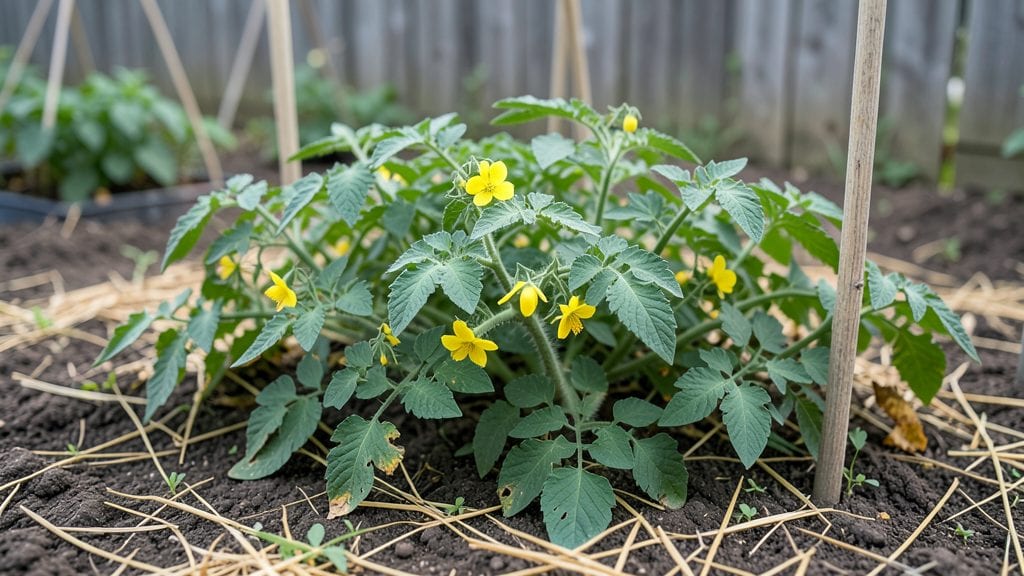
If you’re wondering why are my tomato plants big but no tomatoes, don’t panic—this common issue usually stems from just three key problems: too much nitrogen, poor pollination, or environmental stress. or stress from heat or water swings.
I’ve spent years troubleshooting this, and the fix often comes down to adjusting just a few care habits.
Here’s the thing—when plants focus on leafy growth instead of fruit, they’re telling you they need a shift. Too much nitrogen (the "green juice" in fertilizers) makes them prioritize foliage over tomatoes.
Swap to a balanced fertilizer with more phosphorus (the middle number on the label), and you’ll see blossoms form within 2-3 weeks. Even better, hand-pollinate flowers on cloudy days by gently shaking the plants.
What you’ll end up with is a plant that finally directs its energy where you want it—toward plump, red tomatoes instead of just more leaves. The key is consistency: check soil moisture daily, avoid sudden temperature drops, and keep an eye out for pests that stress the plant.
Trust me, this one tweak changes everything.
Works for backyard gardens, containers, and even greenhouse setups. Once you spot the signs early, the fix is simpler than you’d think—and your harvest will thank you. Let’s get those tomatoes growing!
Root Causes Behind Leafy Tomatoes
If your tomato plants are thriving with lush green leaves but producing little to no fruit, the issue likely stems from one—or several—of these common botanical roadblocks. Understanding the science behind each problem is the first step to turning your leafy giants into productive tomato powerhouses.
Let’s break down the key culprits and why they’re sabotaging your harvest.
Tomatoes are warm-weather plants, and their fruit sets rely heavily on proper pollination—a process that stalls when conditions aren’t ideal. Here’s why:
- Cold Snaps or Heat Stress: Temperatures below 55°F (13°C) or above 90°F (32°C) can disrupt pollen formation and flower development. Cold weather weakens pollen tubes, while extreme heat causes flowers to abort before fruiting.
- Lack of Pollinators: Unlike wind-pollinated crops, tomatoes often need bees or gentle breezes to transfer pollen. If your garden is isolated or pollinators are scarce, flowers may drop without setting fruit.
- Nighttime Temperature Swings: A 10°F (5.5°C) drop between day and night can trigger blossom drop, where flowers detach before fruiting.
💡 Pro Tip: Hand-pollinate by gently shaking plants on calm days or use a small brush to transfer pollen between flowers. For heat stress, provide afternoon shade with row covers or mulch to keep roots cool.
Big, leafy tomato plants often result from over-fertilizing with nitrogen (N), the nutrient responsible for lush foliage. But here’s the catch: nitrogen competes with phosphorus (P) and potassium (K), the nutrients critical for fruit development. When N dominates, your plant prioritizes leaves over flowers and fruit.
- Symptoms of Nitrogen Overload:
- Dark green, vigorous leaves
- Stunted or no flower clusters
- Leggy, weak stems
- Soil Test Reality: Most garden soils already have enough nitrogen. Synthetic fertilizers (like lawn fertilizers) often add too much N, while organic matter (compost) releases it slowly, balancing growth.
🔥 Fix It: Switch to a balanced fertilizer (e.g., 5-10-10 or 3-4-6 ratio) or use phosphorus-rich amendments like bone meal or rock phosphate. Stop fertilizing once flowers appear to encourage fruiting.
Water stress—whether from drought or overwatering—can cause blossom drop and stunted fruit set. Tomatoes need consistent moisture, but fluctuations trigger hormonal imbalances that abort flowers.
- Underwatering: Drought stress causes plants to shed flowers to conserve energy. Wilting or crispy leaf edges are red flags.
- Overwatering: Soggy soil leads to root rot or nutrient leaching, starving the plant of what it needs to fruit. Yellowing lower leaves or mushy stems signal trouble.
- Inconsistent Watering: Uneven moisture (e.g., dry soil followed by a deep watering) confuses the plant’s hormonal signals, leading to blossom end rot or dropped flowers.
🌡️ Ideal Watering: Aim for 1–1.5 inches of water per week, delivered at the soil level (not leaves) to prevent disease. Use drip irrigation or soaker hoses for steady moisture, and water early in the morning to reduce evaporation.
Tomato plants are sensitive to physical stress, whether from poor transplanting, pests, or disease. When they’re fighting for survival, they’ll drop flowers and fruit to redirect energy.
- Transplant Shock: Disturbing roots during transplanting (even if gently) can take 2–4 weeks to recover. During this time, the plant may not flower or set fruit.
- Pest Pressure:
- Hornworms or aphids defoliate plants, reducing photosynthesis and energy for fruiting.
- Root-knot nematodes damage roots, limiting nutrient and water uptake.
- Disease Stress: Fungal issues like early blight or powdery mildew weaken the plant, diverting resources away from fruit production.
🛡️ Prevention:
- Hardening off seedlings before transplanting (acclimate to outdoor conditions for 7–10 days).
- Inspect plants weekly for pests and treat with neem oil or BT (Bacillus thuringiensis) for caterpillars.
- Rotate crops annually to prevent soil-borne diseases.
Tomatoes produce ethylene and gibberellins, hormones that regulate flowering and fruiting. When these hormones are out of balance—often due to stress, poor pollination, or genetic factors—the plant may produce flowers that never develop into fruit.
- Ethylene Deficiency: This hormone triggers fruit set. If flowers aren’t pollinated or the plant is stressed, ethylene levels drop, and flowers abort.
- Gibberellin Overproduction: Too much of this growth hormone (common in indeterminate varieties) can lead to excessive vegetative growth at the expense of fruit.
- Genetic Traits: Some heirloom or hybrid varieties are prone to parthenocarpy (fruit without pollination) or blossom drop if conditions aren’t perfect.
✨ Solution: For ethylene support, ensure proper pollination and avoid ethylene-producing stressors like ethylene-releasing herbicides (e.g., some synthetic weed killers). For gibberellin issues, prune suckers aggressively to redirect energy to fruit production.
Fix Your Tomato Plants Now
If your tomato plants are thriving but refusing to produce fruit, don’t panic—there’s always a way to turn things around! Below are practical, step-by-step fixes tailored to the most common causes of blossom drop and stunted fruit production.
Each solution includes prevention tips to keep your plants happy and productive all season long.
Problem: Wind or pests (like bees being scared off) may prevent pollination, causing flowers to drop before fruiting.
How to Fix It: ✅ 🐝 Hand-Pollinate Your Plants Use a small paintbrush or cotton swab to gently transfer pollen from one flower’s center to another. Do this early in the morning when flowers are open and dew is present.
✅ 🌬️ Improve Airflow
- Space plants 18–24 inches apart to allow better circulation.
- Avoid overcrowding in containers—use larger pots if growing indoors or in small spaces.
✅ 🐝 Attract Pollinators Naturally
- Plant bee-friendly flowers (like marigolds, basil, or borage) nearby.
- Avoid neonicotinoids (common in some pesticides)—they repel bees.
💡 Prevention Tip:
- Shake plants lightly in the morning to encourage natural pollination.
- If growing indoors, place a small fan nearby to mimic wind.
Problem: Too much or too little water can shock plants, leading to blossom drop.
How to Fix It: ✅ 💦 Water Deeply & Consistently
- Morning watering (before 10 AM) is best—avoid wetting leaves to prevent disease.
- Check soil moisture by sticking your finger 1–2 inches deep; water if dry.
✅ 🌱 Mulch to Retain Moisture
- Apply 2–3 inches of mulch (straw, grass clippings, or wood chips) around the base to keep roots stable.
✅ 🚫 Avoid Overwatering
- Yellowing leaves or soggy soil = root rot risk. Let the top inch dry out between waterings.
💡 Prevention Tip:
- Use drip irrigation or soaker hoses for slow, steady watering—tomatoes hate wet leaves!
Problem: Too much nitrogen = leafy growth, no fruit. Too little phosphorus = weak flowers.
How to Fix It: ✅ 🍽️ Switch to a Balanced or Phosphorus-Rich Fertilizer
- Stop high-nitrogen feeds (like lawn fertilizer).
- Use a 5-10-10 or 10-20-20 fertilizer (higher middle number = more phosphorus).
- Homemade fix: Mix 1 tbsp bone meal into soil at planting for a phosphorus boost.
✅ 🍄 Feed During Flowering & Fruiting
- First bloom? Start fertilizing every 2–3 weeks with a low-nitrogen, high-phosphorus formula.
- Fruiting stage? Switch to a balanced 10-10-10 or potassium-rich fertilizer (like banana peel tea).
✅ 🌱 Compost Tea for Natural Balance
- Brew compost tea (1 part compost to 5 parts water, steep 24 hours) and use as a foliar spray for micronutrients.
💡 Prevention Tip:
- Test your soil (kits are cheap!) to know exact nutrient needs before planting.
Problem: Extreme heat (above 90°F/32°C) can cause blossoms to drop before fruiting.
How to Fix It: ✅ 🌞 Provide Afternoon Shade
- Use shade cloth (30–50%) during peak heat (1–4 PM).
- Plant tall crops (like corn or sunflowers) as a natural windbreak.
✅ 💦 Mulch & Water Deeply
- Reflective mulch (white plastic or straw) can lower soil temps by 10°F+.
- Drip irrigation at the roots cools the plant better than overhead watering.
✅ 🌱 Choose Heat-Tolerant Varieties
- Try ‘Solar Fire,’ ‘Heatmaster,’ or ‘Celebrity’ tomatoes—they handle heat better.
💡 Prevention Tip:
- Start seeds indoors 6–8 weeks before last frost to give plants a stronger root system for heat waves.
Problem: Aphids, whiteflies, or fungal diseases can weaken plants, preventing fruit set.
How to Fix It: ✅ 🦟 Inspect Leaves & Stems Daily
- Aphids/whiteflies? Spray with soapy water (1 tsp mild soap + 1 quart water).
- Fungal spots? Remove affected leaves and apply neem oil (1 tbsp per gallon of water).
✅ 🛡️ Prevent Future Infestations
- Crop rotation: Don’t plant tomatoes in the same spot yearly.
- Beneficial insects: Release ladybugs or lacewings to eat pests naturally.
💡 Prevention Tip:
- Prune lower leaves to improve airflow and reduce humidity (which fuels fungi).
Problem: Overgrown plants waste energy on leaves instead of fruit.
How to Fix It: ✅ ✂️ Prune Strategically
- Remove suckers (shoots between main stem and branches).
- Pinch off leaves touching the soil to prevent disease.
✅ 🌿 Train Vines for Sun Exposure
- Stake or cage plants to grow vertically (more sun = more fruit).
- Top plants when they hit 4–5 feet to redirect energy to fruit.
💡 Prevention Tip:
- Prune in the morning so wounds heal faster in daylight.
Final Thought: Most tomato troubles are easily fixable with a little tweak in care. Start with one adjustment (like better pollination or fertilizer), then monitor progress. Patience is key—healthy plants often rebound quickly once stress is removed!
🍅 Pro Tip: Keep a garden journal to track what works (and what doesn’t) for next season!
Frequently asked questions
Why do my tomato plants have so many leaves but no flowers or fruit?
This is usually caused by too much nitrogen in your soil or fertilizer. Nitrogen fuels leafy growth but starves fruit production. Switch to a balanced fertilizer (5-10-10 ratio) or phosphorus-rich amendments like bone meal. Within 2-3 weeks, you should see more flowers forming instead of just leaves.
Can temperature swings really cause my tomato flowers to drop before fruiting?
A 10°F (5.5°C) drop between day and night temperatures can trigger blossom drop. Tomatoes need stable warmth to set fruit. If nights dip below 55°F (13°C) or days exceed 90°F (32°C), flowers often abort. Use row covers for cold snaps or provide afternoon shade during heatwaves.
How do I know if my tomato plants aren't getting enough pollination?
Look for flowers that appear but quickly fall off without forming tiny fruits. On cloudy days or in isolated gardens, gently shake plants in the morning to mimic wind pollination. For indoor plants, use a small paintbrush to transfer pollen between flowers. If you see bees visiting regularly, pollination is likely fine.
Is it too late to fix my tomato plants if they're already leafy with no fruit?
Never! Even late in the season, you can turn things around. Stop any high-nitrogen fertilizers immediately, switch to a phosphorus-rich feed, and hand-pollinate flowers. With consistent care, you may still get a harvest. Just avoid overwatering and provide afternoon shade if temperatures are extreme.
What's the difference between blossom drop and blossom end rot?
Blossom drop occurs when flowers fall off before fruiting (often due to temperature stress or poor pollination), while blossom end rot appears as dark, sunken spots on developing tomatoes (caused by calcium deficiency from uneven watering). Both issues can happen simultaneously, but their fixes differ: adjust care for blossom drop and maintain steady moisture for blossom end rot.