
Companion Plants
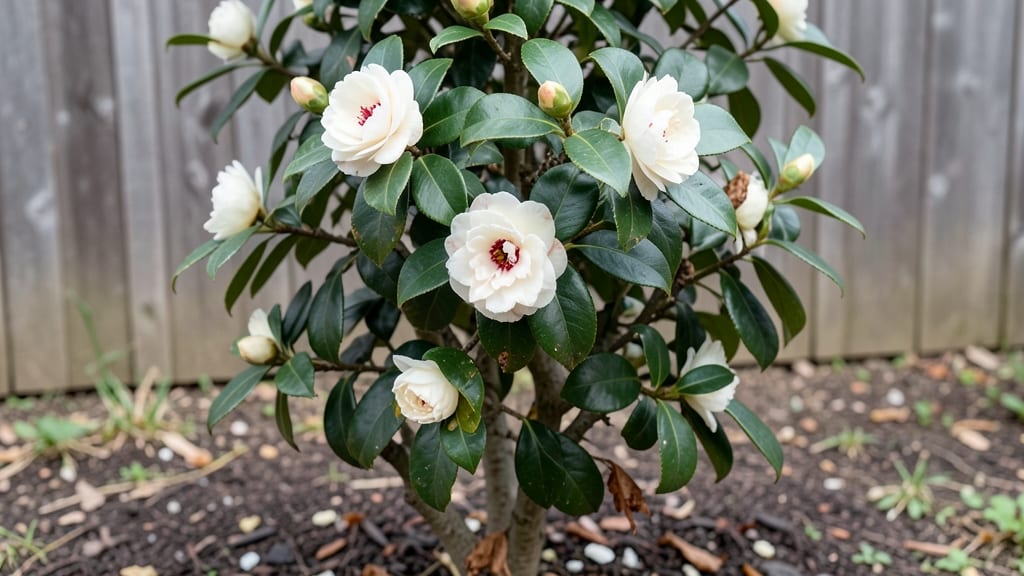
Camellia evergreen plants transform any yard into a lush, year-round privacy screen with their glossy leaves and delicate blooms. 🌿 I’ve watched mine stand tall through winter storms while neighbors’ deciduous screens go bare—it’s the kind of quiet resilience that makes gardeners jealous.
These plants thrive where others falter, offering both beauty and function without the fuss of seasonal replacements.
The secret to their success lies in the right conditions: partial shade, acidic soil, and consistent moisture. Most people overlook how finicky soil pH can be—camellias demand it stay between 5.0 and 6.5, or they’ll drop leaves like it’s their job.
But once you nail those basics, they reward you with vibrant green foliage and clusters of blooms that last for months. Even in hot summers, their thick leaves stay cool to the touch.
You’ll spend less time pruning than you think—just shape them lightly after flowering to encourage fuller growth.
The real magic happens in how they fill space: a mature camellia can reach 10 to 15 feet tall, creating a dense, evergreen barrier that blocks noise and wind while looking like a curated garden feature. And the best part?
They bloom in late winter or early spring, when most gardens are still asleep.
Perfect for Southern gardens but adaptable with the right care—even in cooler climates with winter protection. Here’s how to get started without the guesswork, so you can enjoy that neighbor-jealousy-worthy screen all year long.
📚 In This Guide
- What you need
- Instructions
- Tips and common mistakes
- Wrapping up and next steps
What you need
- ● Camellia plants: 1–3 Camellia sasanqua or Camellia japonica (depending on desired screen size)
- ● Choose dwarf varieties (3–6 ft) for smaller spaces or standard varieties (6–12 ft) for taller screens.
- ● Well-draining soil: 5–10 bags of acidic potting mix (pH 5.0–6.0) or peat moss/compost blend (1 part peat, 1 part compost, 1 part perlite).
- ● Organic mulch: 1–2 bags of pine bark or wood chips (3–4 inches thick) to retain moisture and acidity.
- ● Slow-release fertilizer: 1 bag of acid-loving plant fertilizer (e.g., 8-3-9 or 10-10-10 with sulfur).
- ● Basic gardening tools: 1 garden trowel (for planting)
- ● 1 pruning shears (sterilized with rubbing alcohol)
- ● 1 shovel (for digging holes, 12–18 inches deep)
- ● 1 wheelbarrow (for mixing soil/amendments)
- ○ Optional (but helpful): 1 soil pH test kit (to confirm acidity)
- ● 1 drip irrigation system (for consistent moisture)
- ● 1–2 stakes + twine (to support young plants if needed)
- ● Location: Partial shade to full shade (morning sun only in hot climates; avoid harsh afternoon rays).
- ● Climate: USDA Zones 7–9 (or container-grown for colder zones).
- ● Spacing: Plant 3–5 ft apart for a dense screen (adjust for variety size).
Step-by-step guide to planting camellia evergreen shrubs
Here’s how to establish a lush, evergreen privacy screen that thrives year-round.
🌱 Step 1: Choose the Right Planting Location
Camellias adore partial shade—think 4-6 hours of morning sun and afternoon shade. A north- or east-facing spot works best, especially in hotter climates. If your yard has full sun exposure, plant them where they’ll receive afternoon shade from nearby trees or structures.
Test the spot by observing how sunlight moves across it throughout the day. Camellias hate harsh afternoon rays, which can scorch their glossy leaves. If your yard is mostly sunny, consider a sheltered corner near a wall or fence. The soil should also drain well—camellias despise soggy roots, so avoid low-lying areas where water pools.
🪴 Step 2: Prepare the Soil for Healthy Growth
Amend the soil with 3 inches of organic matter—like compost or well-rotted leaf mold—to improve drainage and fertility. Camellias prefer slightly acidic soil (pH 5.5-6.5), so test your soil first. If it’s too alkaline, mix in peat moss or sulfur to adjust the pH before planting.
Dig a hole twice as wide as the root ball but only as deep as the container’s base. Loosen the roots gently if they’re circling or bound. Place the plant so the top of the root ball sits 1 inch above ground level—this prevents waterlogging and allows for settling. Real talk: Don’t bury the stem too deep, or you’ll invite rot.
💧 Step 3: Plant and Water Thoroughly
Place the camellia in the hole, backfill with the amended soil, and tamp lightly to remove air pockets. Water deeply until the soil is evenly moist—about 1-2 gallons per plant. This helps the roots settle into their new home without shock. Mulch around the base with 2-3 inches of pine bark or wood chips, keeping it 6 inches away from the trunk to prevent rot.
Here’s the thing—camellias hate dry spells during their first year. Water once a week (or more in hot weather) until they’re established. You’ll know they’re happy when new growth appears in 4-6 weeks. Avoid overhead watering, as wet foliage can invite fungal diseases like anthracnose—water at the base instead.
☀️ Step 4: Provide Ongoing Care for Year-Round Beauty
Fertilize in early spring with an acid-loving plant fertilizer (like one formulated for azaleas or rhododendrons). Follow the package instructions—overdoing it can burn roots. Prune lightly after flowering to shape the shrub, but avoid heavy cuts, which can stress the plant. Camellias bloom on old wood, so pruning too aggressively reduces next year’s flowers.
Watch for yellowing leaves, which often signal overwatering or nutrient deficiency. If the soil stays soggy for days, improve drainage by adding sand or perlite to the mix. In winter, protect young plants from freezing winds with a burlap wrap or evergreen boughs if temperatures drop below 15°F. With proper care, your camellias will grow into a dense, glossy privacy screen within 3-5 years.
Tips & tricks for perfect camellia evergreen planting
Here's what I learned after planting my own camellia screen—and how to avoid the mistakes I made.
Location Scout Like a Pro: That 4-6 hours of morning sun is non-negotiable, but here's the thing: I planted mine in full afternoon sun the first time, and within two weeks, the leaves started curling from heat stress. Use a simple trick—place a white board in the spot for a week to track sunlight patterns before digging. North-facing spots with afternoon shade from trees or fences work best, especially in hotter regions.
Soil Prep Secret: The 3 inches of organic matter is your foundation, but don't stop there. I learned the hard way that camellias hate alkaline soil—my first attempt in regular garden soil left them struggling. Test your pH first, and if it's above 6.5, mix in sulfur or peat moss until you hit that sweet 5.5-6.5 range. The root ball should sit just 1 inch above ground level—any deeper and you risk suffocating the roots.
Watering Wisdom: Those 1-2 gallons per plant aren't just about quantity—they're about technique. Water deeply but slowly to encourage roots to grow downward. I used to water lightly every other day, and my plants stayed shallow-rooted. Now I use a soaker hose for 20-30 minutes per plant to saturate the soil without wetting the leaves. And that once-a-week rule? Double it during summer heatwaves—your camellias will thank you when you see new growth in those 4-6 weeks.
Winter Protection Hack: When temperatures drop below 15°F, don't just throw on any old cover. I tried burlap wraps, but found evergreen boughs work better—they provide insulation while allowing airflow. Place them around the base and secure loosely. This prevents frost damage while letting the plant breathe, which is crucial for those first few winters when roots are still establishing.
Pro Tips for Camellia Evergreen Plants
- Here's what I learned after planting my own camellia screen—and how to avoid the mistakes I made.
- Location Scout Like a Pro: That 4-6 hours of morning sun is non-negotiable, but here's the thing: I planted mine in full afternoon sun the first time, and within two weeks, the leaves started curling from heat stress.
- Soil Prep Secret: The 3 inches of organic matter is your foundation, but don't stop there.
Frequently asked questions
Got questions about growing and maintaining camellia evergreen plants? You’re not alone! Here are some of the most common queries—plus straightforward answers to help you cultivate a lush, year-round privacy screen with ease.
How fast do camellia plants grow, and when can I expect privacy?
Camellias grow at a moderate pace—about 12 to 18 inches per year under ideal conditions. For a dense privacy screen (8–10 feet tall), expect 5 to 10 years of growth. Patience pays off with their glossy, evergreen foliage and stunning blooms!
Are camellias frost-tolerant? How do I protect them in winter?
Most camellias thrive in USDA Zones 7–9, but younger plants or tender varieties may need winter care. Mulch heavily around the base (3–4 inches), avoid pruning late in the season, and consider a light burlap wrap for extreme cold snaps. Pro tip: Water deeply before the first frost to help roots withstand freezing temps.
Can I plant camellias in full sun? What’s the best light exposure?
While camellias love shade, they tolerate morning sun + afternoon shade in hotter climates. Avoid harsh afternoon rays, which can scorch leaves. Ideal light: Dappled sunlight or partial shade (e.g., under tall trees with filtered light). For full-sun areas, opt for dwarf varieties like ’Donation’ or ’Yuletide’.
Why are my camellia leaves turning yellow or dropping? Common pests/diseases?
Yellowing leaves often signal overwatering, nutrient deficiency (iron/chlorosis), or pests. Check for:
- Spider mites (tiny webs on undersides)
- Scale insects (sticky residue on stems)
- Root rot (mushy roots + foul smell)
Fix it: Prune affected areas, spray neem oil for pests, and ensure well-draining soil. Test soil pH—camellias prefer acidic (5.0–6.0)!
What are good companion plants for camellias in a privacy screen?
Pair camellias with shade-tolerant, low-maintenance plants like:
- Boxwoods (structured hedges)
- Hydrangeas (seasonal blooms)
- Ferns (lush texture)
- Dwarf rhododendrons (similar care)
Avoid competitive roots (e.g., bamboo) or thirsty plants that dry out the soil. Pro tip: Use mulch to suppress weeds and retain moisture for all plants!
Wrapping up and next steps
Camellia evergreen plants are the perfect blend of beauty, resilience, and practicality—offering year-round privacy with their lush, glossy foliage and stunning blooms. Whether you’re a seasoned gardener or just starting, these plants bring elegance and low-maintenance charm to any landscape.
Ready to transform your outdoor space? Start by selecting the right variety for your climate, then plant with confidence—your future privacy screen (and a touch of nature’s artistry) awaits! 🌿✨
- Next step: Pick your favorite camellia type and check local nurseries for healthy starts!