
Planting
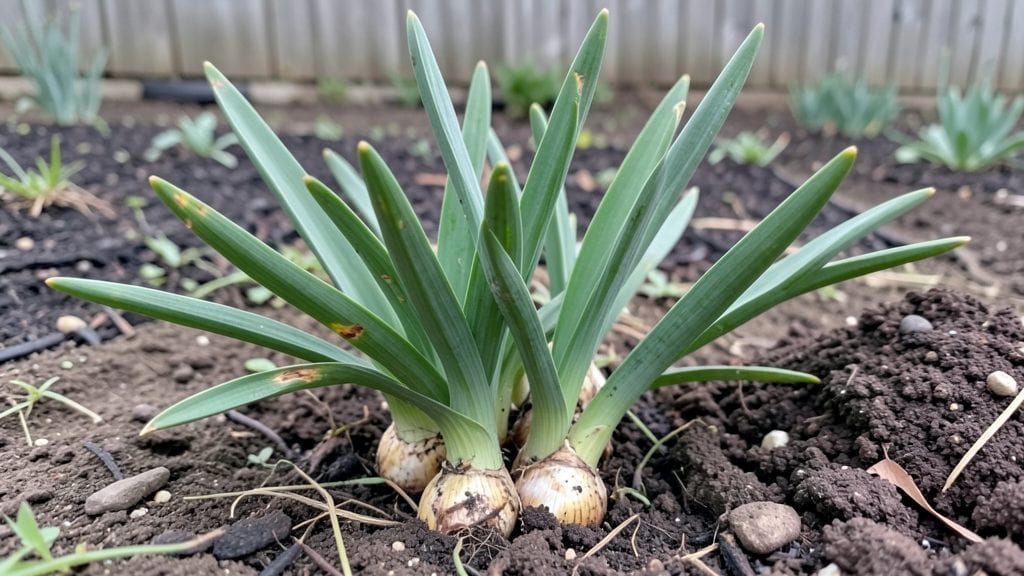
Hyacinths can be planted outside in gardens only in hardiness zones 3-9, where they thrive as perennials. In colder climates, dig up bulbs after foliage dies back and replant them indoors or in containers each spring. Mulching and proper soil drainage are essential for winter survival.
Hyacinths are cold-hardy perennials that love the ground freeze-thaw cycle of zones 3-9, but their survival depends on soil conditions more than air temperature.
Unlike tulips, which often regrow from the same bulb, hyacinths sometimes need a little extra coaxing—especially in marginal zones—to produce their signature fragrant blooms year after year. 💫 For gardeners in chillier areas, overwintering bulbs in containers lets you bring them indoors when frost hits, while still enjoying their springtime show.
What sets hyacinths apart is their preference for well-draining soil—they hate soggy feet. A thick layer of mulch (2-3 inches) acts like a thermal blanket, protecting roots from extreme cold while preventing moisture buildup.
I’ve found that planting them near south-facing walls or under deciduous trees gives them just enough winter sun to stay happy without baking in summer.
💡 In This Article
- Hyacinth Bulb Hardiness Zones and Cold Tolerance
- Outdoor Planting Tips for Hyacinths in Different Climates
Hyacinth bulb hardiness zones and cold tolerance
Hyacinths thrive outdoors as perennials in USDA hardiness zones 3-9, thanks to their ability to survive winter dormancy when soil temperatures drop to 20-25°F. The key mechanism is their natural cold-hardiness, which allows the bulb's protective scales to prevent water loss and cellular damage during freeze-thaw cycles.
Unlike tropical plants, hyacinths actually require a cold period (vernalization) to trigger spring blooming—typically 6-10 weeks below 50°F.
What makes hyacinths unique is their soil temperature sensitivity—they can tolerate air temps down to -20°F but will rot if soil stays above 40°F during winter. This explains why they struggle in zones 10+, where warm winters prevent proper dormancy.
Compare this to daffodils (zones 3-10), which handle wetter soils, or tulips (zones 3-8), which often need annual lifting in colder zones. Hyacinths' fragrant foliage also makes them more vulnerable to slug damage post-bloom.
The winter dormancy process involves the bulb converting stored starches into sugars that protect cellular structures. When soil temps stay below 40°F for 4-6 weeks, the bulb enters a metabolic slowdown—similar to how bears hibernate.
This is why mulching with 2-3 inches of organic matter (like straw) is critical: it insulates against temperature swings while allowing moisture to escape, preventing rot. In zones 7-9, summer heat becomes the bigger threat—bulbs can overheat above 85°F.
Here's what most gardeners miss: hyacinths' cold tolerance varies by cultivar. 'Anna Marie' (zone 3) handles -30°F air temps, while 'Delft Blue' (zone 5) struggles below -15°F. The difference comes from breeding—northern varieties have thicker bulb scales.
For zones 1-2, lifting bulbs after foliage yellows (usually 6-8 weeks post-bloom) and storing them at 40-50°F in dry peat moss mimics their natural dormancy cycle.
One surprising fact: hyacinths' cold tolerance improves with age. First-year bulbs planted from 1.5-inch specimens often need extra winter protection, while established 2-inch+ bulbs (3+ years old) can handle 10°F colder temps.
This is why gardeners in marginal zones (like zone 4) should plant bulbs in containers—they can be moved to sheltered spots when frost arrives. The trade-off? Containerized bulbs bloom 1-2 weeks later than in-ground plants.
For visual gardeners, think of hyacinths as the "Goldilocks" of perennials—they need just the right balance of cold (not too hot, not too cold) to perform. Their ideal winter soil temp range is 32-40°F, where they stay dormant but viable.
Too warm (50°F+) triggers premature growth, while too cold (10°F) can cause cellular dehydration. This is why southern zone gardeners often get smaller blooms—the bulbs aren't getting proper winter rest.