
Companion Plants
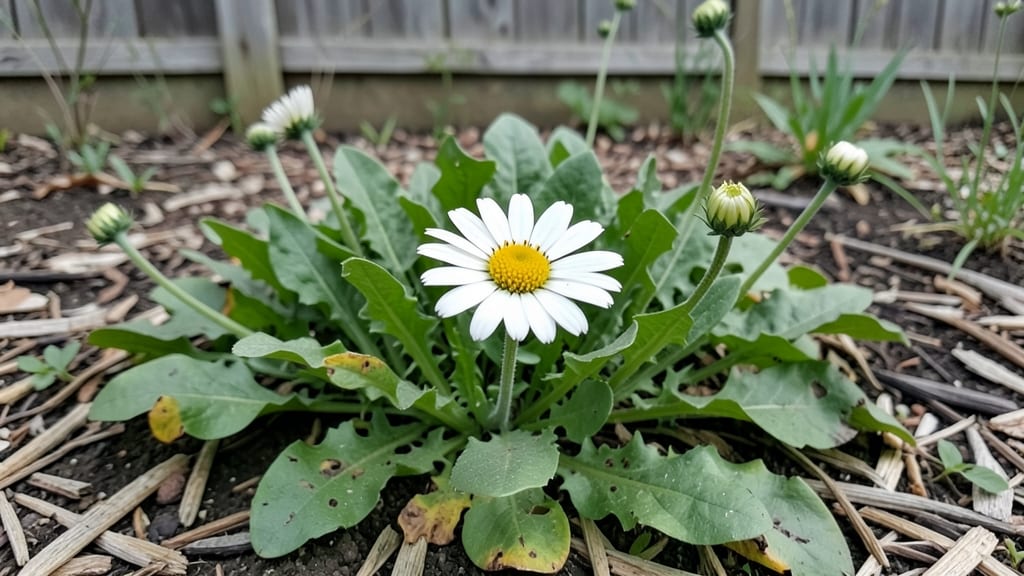
Growing daisy plants in Australia means waking up to cheerful blooms that barely ask for anything in return. 🌻 I’ve turned my backyard into a low-maintenance daisy haven using native varieties like Brachyscome and Leucanthemum—they thrive where other flowers struggle, and I’ll show you exactly how.
The secret lies in matching their needs to Australia’s climate, whether you’re in the coastal heat or cooler inland regions.
You’ll need well-draining soil (mix in sand if yours is heavy), a sunny spot with at least 6 hours of light daily, and water that mimics natural rainfall—deep but infrequent.
Most daisies hate soggy roots, so mulch helps retain moisture without smothering them. Native varieties often need less water once established, making them perfect for Australia’s dry spells.
By late spring, you’ll have a carpet of blooms that lasts through summer and sometimes into autumn. The flowers attract pollinators while keeping pests at bay—no chemicals needed. Prune spent blooms to encourage more flowers, and watch as your daisies become the neighborhood’s quietest showstoppers.
Works for balconies, borders, or even as cut flowers. Let’s get those daisies growing—your garden will thank you.
📚 In This Guide
- What you need
- Instructions
- Tips and common mistakes
- Wrapping up and next steps
What you need
- ● Daisy plants or seeds: Choose Leucanthemum vulgare (English daisy) or Bellis perennis (lawn daisy) for Australia’s climate.
- ● Seeds: 50–100 per packet (sufficient for small to medium gardens).
- ● Potted plants: 1–3 plants (depending on desired coverage).
- ● Well-draining soil: Mix equal parts garden soil, compost, and coarse sand (or perlite) for optimal aeration.
- ● Sunlight access: Full sun (6+ hours daily) or partial shade (3–6 hours) for varieties like Gerbera jamesonii.
- ● Watering can or hose: With a gentle spray nozzle for delicate seedlings.
- ● Garden trowel or small shovel (for transplanting seedlings).
- ● Gloves (to protect hands from thorns on some varieties).
- ○ Mulch (optional): Straw or wood chips to retain moisture and suppress weeds.
- ○ Fertilizer (optional): Balanced 10-10-10 or slow-release granular fertilizer (sprinkle lightly every 6–8 weeks).
- ● Compost tea (homemade or store-bought) for organic nourishment.
- ○ Pest control (optional): Neem oil spray or insecticidal soap for aphids/slugs.
- ● Copper tape (to deter slugs in coastal areas).
- ● Containers (if growing in pots): 15–20 cm (6–8 inch) diameter pots with drainage holes.
Step-by-Step guide to planting daisy varieties in Australia
Here’s how to grow four vibrant daisy plants that thrive in Australia’s climate with almost no fuss.
🌱 Step 1: Choose the Right Daisy Varieties for Your Climate
Australia’s diverse zones mean some daisies shine more than others. For coastal areas, Gerbera daisies handle salt spray and wind, while Shasta daisies thrive in temperate regions. If you’re in a hot inland zone, African daisies (like Osteospermum) stay cheerful year-round. Check your local frost dates—most daisies need planting after the last frost, usually late August to October.
I always pick disease-resistant varieties to avoid fungal issues common in Australia’s damp summers. For example, Gerbera ‘Marmalade’ resists powdery mildew, and Shasta ‘Alaska’ handles humidity well. Label each plant so you remember which is which—trust me, they all look the same until they bloom.
🪴 Step 2: Prepare the Soil and Planting Site
Daisies love well-draining soil with a pH between 6.0 and 7.0. If your garden soil is heavy clay (common in many Australian regions), mix in 2-3 inches of compost and a handful of perlite to improve drainage. Work the amendments into the top 6-8 inches of soil—daisies hate soggy roots.
Pick a spot with full sun (6+ hours daily). In Australia’s intense summer heat, afternoon shade helps prevent scorched petals. Dig holes twice as wide as the root ball but only as deep—planting too deep suffocates the roots. Space plants 12-18 inches apart for airflow and to reduce fungal risks.
☀️ Step 3: Plant and Water for Strong Establishment
Gently remove the plant from its pot and loosen any circling roots with your fingers. Place it in the hole so the top of the root ball sits level with the soil surface. Fill around the roots with soil, pressing lightly to remove air pockets. Water deeply until the soil is moist 6 inches down—this encourages roots to grow deep.
After planting, mulch with 1-2 inches of organic mulch (like straw or bark chips) to retain moisture and keep roots cool. Avoid mulching too close to the stems—leave a 2-inch gap to prevent rot. Water every 2-3 days until new growth appears, then taper to once a week once established.
✂️ Step 4: Maintain for Continuous Blooms
Deadhead spent blooms regularly to encourage more flowers. Simply pinch off the faded flower head with your fingers or snip with clean shears just above a set of leaves. This trick keeps daisies flowering all season long—even in Australia’s mild winters if you’re in zones 8-10.
Fertilize lightly every 4-6 weeks with a balanced 10-10-10 fertilizer during spring and summer. Over-fertilizing leads to lush foliage but fewer blooms—daisies prioritize flowers over leaves. Watch for aphids or spider mites (common in Australia’s dry heat) and spray with soapy water if needed.
🌿 Step 5: Overwinter and Extend the Season
In cooler zones, cut back faded stems to 4-6 inches tall in late autumn. Mulch heavily (up to 3 inches) to protect roots from frost. Most daisies are perennial in Australia’s mild climates, but if you’re in a frost-prone area, treat them as annuals or dig up and store tubers.
For year-round color, plant African daisies (Osteospermum), which bloom nonstop from spring to frost. They handle heat better than traditional daisies and even tolerate light frosts. Group them with other sun-lovers like gazanias or portulacas for a low-maintenance, drought-tolerant border.
Tips & tricks for perfect daisy planting in Australia
Here's what I've learned after planting daisies across Australia's varied climates—these tricks will help you avoid common pitfalls and get the most vibrant blooms.
Soil Test First: Before amending your soil in Step 2, grab a simple pH test kit from your local garden center. Daisies thrive in that 6.0-7.0 pH range, but Australian soils often run acidic. If your test shows pH below 6.0, mix in dolomitic lime (follow package instructions) when adding compost. I've seen daisies struggle to absorb nutrients in acidic soil, even with perfect drainage.
Root Ball Trick for Transplanting: In Step 3, when loosening circling roots, here's a pro move: soak the root ball in water for 10-15 minutes before planting. This hydrates the roots and helps them establish faster in Australia's dry conditions. After planting, I like to add a slow-release fertilizer like Osmocote to the bottom of the planting hole—it gives roots a nutrient boost right when they need it most.
Mulching Strategy: The 1-2 inch mulch layer in Step 3 is crucial, but don't use fresh mulch right after planting—wait 2-3 weeks until you see new growth. Fresh mulch can hold too much moisture against the stems, inviting rot. I switch to pine bark mulch in summer (it holds moisture better) and straw mulch in winter (better insulation).
Deadheading Hack: In Step 4, instead of just pinching off spent blooms, I snip the stem just above a set of leaves where new buds form. This encourages bushier growth and more flowers. For African daisies, I deadhead more aggressively—they respond well to frequent pruning and keep blooming even in our harsh summers.
Pro Tips for Daisy Plants Australia
- Here's what I've learned after planting daisies across Australia's varied climates—these tricks will help you avoid common pitfalls and get the most vibrant blooms.
- Soil Test First: Before amending your soil in Step 2, grab a simple pH test kit from your local garden center.
- Root Ball Trick for Transplanting: In Step 3, when loosening circling roots, here's a pro move: soak the root ball in water for 10-15 minutes before planting.
Frequently asked questions
What’s the best time to plant daisies in Australia?
For perennial daisies (like Shasta or Gerbera), aim for spring or early autumn—when soil temps are mild (15–20°C). Annuals (e.g., African daisies) thrive year-round in warmer zones (like Queensland), but plant them in cooler months (March–May) in temperate areas to avoid heat stress. Pro tip: Check your local frost dates—daisies hate sudden cold snaps!
How often should I water daisy plants?
Daisies are drought-tolerant once established, but young plants need consistent moisture. Water 1–2 times per week (deeply, so roots soak up 10–15cm down) in dry spells. In summer, mulch with organic matter (straw or pebbles) to retain moisture. Watch out: Overwatering causes root rot—let soil dry slightly between waterings.
Are daisies pest-prone? How do I keep bugs away?
Common pests include aphids, slugs, and snails. Prevent issues by:
- Handpick slugs at dawn (drop them in soapy water).
- Spray neem oil for aphids (dilute 1 tsp/1L water).
- Plant companion flowers like marigolds nearby—they repel pests naturally!
If leaves look chewed, check for caterpillars and remove them manually.
Can I grow daisies in pots? What’s the best setup?
Use containers at least 30cm deep with drainage holes. Fill with well-draining potting mix (add perlite or sand for aeration). Top picks for pots:
- Gerbera daisies (compact, colorful, great for balconies).
- Oxeye daisies (hardy, spread slowly—ideal for hanging baskets).
Water daily in summer (potted soil dries faster!) and fertilize monthly with low-phosphorus liquid feed.
Why aren’t my daisies blooming? Troubleshooting tips
Daisies skip flowers often due to:
Issue
Fix
Too much shade
Move to 6+ hours of sunlight daily (even dappled light works for some varieties).
Over-fertilizing
Use low-nitrogen feed (e.g., 5-10-10 ratio) to encourage blooms, not leaves.
Overcrowded roots
Thin plants to 20–30cm apart and deadhead spent blooms to prompt new growth.
Bonus: Some daisies (like African daisies) bloom nonstop if deadheaded regularly—snip stems just above the first set of leaves!
Wrapping up and next steps
Growing daisy plants in Australia is a rewarding experience—whether you’re adding a pop of color to your garden or attracting pollinators. With their low-maintenance nature and year-round adaptability, these cheerful blooms prove that beauty doesn’t require a green thumb! 🌸
Now that you’re equipped with the right tips, take the first step and plant a few daisies this weekend. Start small, experiment with varieties, and watch your garden transform into a vibrant haven. Happy gardening—your future blooms will thank you! 🌞