
Planting
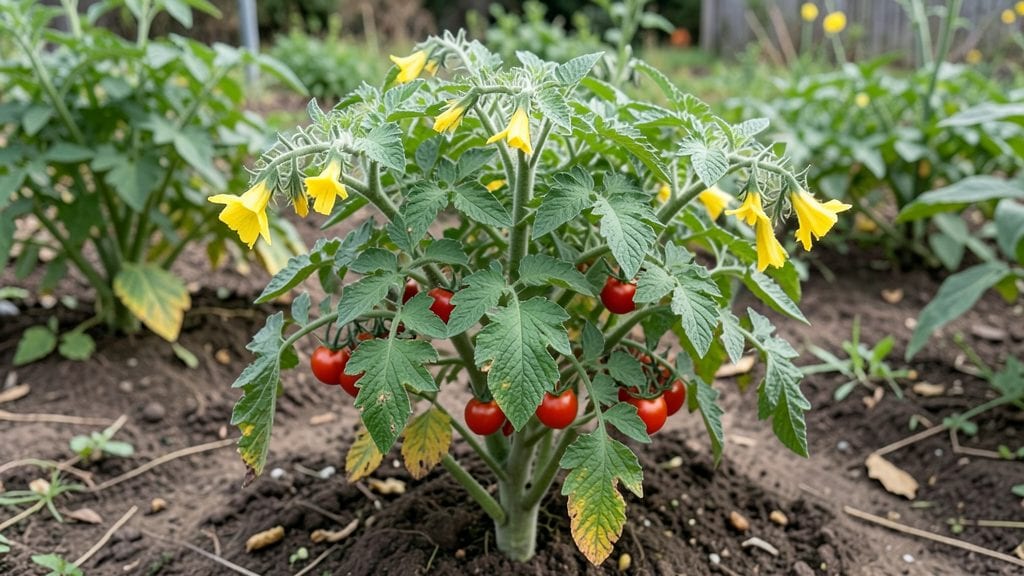
The Candyland tomato plant is the perfect small-space solution for anyone craving sweet, flavorful tomatoes without the sprawling vines. 🌱 I fell for this heirloom after my first bite—those tiny, striped fruits pack a burst of sugar that puts store-bought tomatoes to shame.
The best part? It thrives in containers as small as 5-gallon pots, making it ideal for balconies, patios, or even windowsills with enough light.
This dwarf variety grows just 18-24 inches tall, so you won’t need a trellis or a massive garden bed. The real magic happens in well-draining potting mix with added compost, and it loves basking in full sun for at least 6-8 hours daily.
Water consistently but avoid soggy soil—these plants prefer their roots slightly dry between waterings, which actually enhances that candy-sweet flavor. A balanced fertilizer every 2-3 weeks keeps production steady, and pruning just the suckers (those little side shoots) keeps energy focused on fruit production.
By midsummer, you’ll be harvesting clusters of 1-inch, striped tomatoes that taste like summer in every bite. The plants are surprisingly disease-resistant, but watch for common tomato pests like hornworms or aphids—neem oil works wonders if you spot them early.
With proper care, one Candyland plant can produce enough tomatoes to feed a family of four for weeks, and the flavor? Pure, unadulterated joy in every slice.
Whether you’re a container gardener with limited space or a first-time grower looking for an easy win, Candyland delivers. The secret to success lies in keeping it happy with sun, water, and a little attention—no fancy equipment required. Let’s get those plants growing!
📚 In This Guide
- What you need
- Instructions
- Tips and common mistakes
- Wrapping up and next steps
What you need
- ● Candyland tomato seeds or seedlings: 1–2 plants (check seed packets for spacing—these are compact but need room to thrive!)
- ● Container or pot: 5–7 gallons per plant (or a raised bed if gardening in-ground). Ensure it has drainage holes!
- ● High-quality potting mix: 1 bag (look for a blend labeled for vegetables or tomatoes—avoid garden soil unless amended).
- ● Tomato cages or stakes: 1–2 per plant (4–5 ft tall to support growth).
- ● Balanced fertilizer: 10-10-10 or 5-5-5 (organic options like compost or worm castings work too!).
- ● Watering can or hose with a gentle spray nozzle: For consistent moisture without overwatering.
- ● Pruning shears: For trimming suckers and shaping the plant.
- ○ Mulch (optional): Straw or shredded leaves to retain moisture and suppress weeds.
- ○ Plant support ties (optional): Soft ties or old T-shirts to secure vines to stakes.
- ○ pH test kit (optional): To ensure soil pH is between 6.0–6.8 (tomatoes love slightly acidic soil!).
- ● 🌞 Sunlight: A spot with 6+ hours of direct sun daily (morning sun is ideal!).
- ● 💧 Watering routine: Commit to watering consistently—Candyland tomatoes hate soggy or dry soil!
- ● 🌡️ Warmth: Wait until after the last frost (or use a greenhouse/indoor grow lights for early starts).
Step-by-Step instructions for growing Candyland tomato plants
Here’s how to grow these sweet, cherry-sized tomatoes in limited space—container or garden—with minimal fuss.
🌱 Step 1: Start Seeds Indoors 6-8 Weeks Before Last Frost
Fill a 2-3 inch deep seed tray with moistened seed-starting mix. Press the soil down gently—just firm enough to hold seeds but not so tight that roots can’t push through. Candyland seeds are tiny, so I use a toothpick to place one seed per cell, about ¼ inch deep. Cover lightly with a sprinkle of mix to protect them from drying out.
Mist the surface with a spray bottle until evenly damp, then cover the tray with plastic wrap or a humidity dome. Place it in a warm spot (75-85°F)—a seedling heat mat speeds germination significantly. Keep the soil consistently moist (not soggy) until sprouts appear in 5-10 days.
☀️ Step 2: Provide Bright Light and Prevent Leggy Growth
The moment those first true leaves appear, move seedlings to a south-facing window or under a grow light for 14-16 hours daily. Candyland tomatoes grow best with full sun, but without enough light, they stretch toward the window and become weak. I use a T5 LED grow light just 2-4 inches above the plants, raising it as they grow.
Rotate the tray a quarter turn daily so seedlings grow straight instead of leaning. You’ll notice leggy growth as thin stems with widely spaced leaves—this means more light is needed. Strong seedlings have thick stems and dark green leaves spaced closely together.
🪴 Step 3: Transplant to Containers or Garden After Hardening Off
Two weeks before your last frost date, start hardening off seedlings by placing them outside in a sheltered spot for 1-2 hours the first day. Gradually increase outdoor time by 1 hour daily over 10-14 days, letting them adjust to wind and sun. Candyland tomatoes thrive in 5-gallon containers or garden beds with well-draining soil and support for vines.
Transplant when nighttime temperatures stay above 55°F. Bury seedlings slightly deeper than their original pot to encourage strong root growth. Space plants 18-24 inches apart in the garden or use cage supports in containers. Water deeply at transplanting to settle the soil around roots.
💧 Step 4: Water and Fertilize for Sweet, Abundant Fruit
Water Candyland tomatoes deeply 1-2 times weekly, ensuring the top 2 inches of soil feel dry before watering again. Avoid wetting leaves to prevent disease—water at the base instead. These compact plants produce sweet, 1-inch cherry tomatoes, so consistent moisture (not soggy soil) is key to flavor.
Feed every 2-3 weeks with a balanced fertilizer (10-10-10) or tomato-specific formula. I switch to a low-nitrogen, high-phosphorus blend when flowers appear to boost fruiting. Prune suckers (the small shoots in the leaf axils) to direct energy to fruit production—this keeps plants bushy and productive.
✂️ Step 5: Harvest and Prune for Continuous Production
Candyland tomatoes ripen 60-70 days after transplanting, starting with green fruit that turns red-orange when ready. Harvest when fully colored—this encourages more blooms. Pinch off spent flowers and any yellowing leaves to keep the plant focused on new growth. These dwarf varieties produce clusters of 10-15 tomatoes per plant, so frequent harvesting keeps them coming.
If frost threatens before the season ends, bring potted plants indoors to a sunny windowsill or under grow lights. They’ll keep producing for weeks if given enough light and warmth. Save seeds from the best-tasting tomatoes for next year—just let a few fruits fully ripen on the vine before scooping out the seeds.
Tips & tricks for perfect Candyland tomato plant growth
Here's what I wish I knew when I first grew Candyland tomatoes—these tricks make all the difference for happy, productive plants.
Germination Strategy: In Step 1, those tiny Candyland seeds need warmth to sprout. I place my seed tray on a seedling heat mat set to 75-85°F and cover it with plastic wrap to trap moisture. This creates a mini greenhouse effect that speeds germination from 5-10 days to just 3-5 days. Just remember to remove the cover once sprouts appear to prevent mold. The key is keeping that soil consistently moist—not soggy—while maintaining warmth.
Lighting Secrets: Step 2's 14-16 hours of light is non-negotiable for Candyland tomatoes. I found that using a T5 LED grow light just 2-4 inches above the seedlings prevents leggy growth. Here's my trick: raise the light as plants grow, keeping it close enough to see slight shadowing on leaves. Rotate the tray daily to prevent leaning—this ensures thick stems and dark green leaves that can support all those sweet cherry tomatoes.
Transplanting Hack: When hardening off in Step 3, I start with just 1-2 hours on the first day and gradually increase by 1 hour daily. The real secret? Bury seedlings deeper than their original pot—up to the first set of true leaves. This encourages strong root growth and helps compensate for any transplant shock. Just make sure nighttime temps stay above 55°F—these little plants are sensitive to cold!
Fertilizer Timing: In Step 4, I switch to a low-nitrogen, high-phosphorus fertilizer when flowers appear to boost fruiting. My schedule is simple: feed every 2-3 weeks with a balanced 10-10-10 mix, then switch to tomato-specific formula when blooms show up. And here's what nobody tells you—always water your plants first before fertilizing. This prevents root burn and helps the nutrients absorb properly.
Pro Tips for Candyland Tomato Plant
- Here's what I wish I knew when I first grew Candyland tomatoes—these tricks make all the difference for happy, productive plants.
- Germination Strategy: In Step 1, those tiny Candyland seeds need warmth to sprout.
- Lighting Secrets: Step 2's 14-16 hours of light is non-negotiable for Candyland tomatoes.
Frequently asked questions
Got questions about growing your own Candyland tomato plant? You’re not alone! Here are answers to the most common queries—from spacing to pests and everything in between.
How much space does a Candyland tomato plant need?
The Candyland variety is a compact determinate tomato, meaning it grows in a bushy shape (not vining). In containers, use a 5-gallon pot with at least 12–18 inches of diameter. In gardens, space plants 18–24 inches apart to ensure airflow and prevent disease. Pro tip: If growing in a small space, pair with herbs like basil—they’ll thrive together!
When is the best time to plant Candyland tomatoes?
Start seeds indoors 6–8 weeks before your last frost date (or buy transplants in early spring). For direct sowing, wait until soil temps reach 60°F+ and nighttime temps stay above 55°F. In warm climates, plant in late winter or early spring to avoid summer heat stress. Use a heat mat if starting seeds early!
Can I grow Candyland tomatoes in hanging baskets?
This variety is perfect for hanging baskets (use 10–12 inches deep). Ensure the basket has drainage holes and fill with a lightweight potting mix. Place in full sun (6+ hours/day) and water consistently—hanging baskets dry out faster. Add a trellis inside the basket to support stems as they grow!
What pests should I watch for with Candyland tomatoes?
Common pests include aphids, hornworms, and whiteflies. Inspect leaves regularly and remove pests by hand or spray with neem oil (organic option). For hornworms, check undersides of leaves at dawn. Prevent issues by pruning for airflow and avoiding overhead watering.
Why aren’t my Candyland tomatoes ripening?
Ripening issues often stem from insufficient sunlight, heat stress, or overcrowding. Ensure plants get full sun (8+ hours/day) and temps stay above 70°F. If flowers drop off, it may be due to blossom end rot (check calcium levels). Harvest green tomatoes early if frost threatens—they’ll ripen indoors!
What can I do if my Candyland plant gets leggy?
Leggy growth happens from low light or overcrowding. Move the plant to a sunnier spot and prune leggy stems to encourage bushier growth. Pinch back tips of new growth to redirect energy to fruit production. Use a balanced fertilizer (10-10-10) to boost compact growth!
Wrapping up and next steps
Growing a Candyland tomato plant is a rewarding adventure—whether you’re a container gardener or just starting with a small plot! 🌱 This sweet, compact variety delivers delicious results with minimal space, making it perfect for balconies, patios, or even sunny windowsills.
With the right care, you’ll soon be enjoying homegrown tomatoes that taste like summer in every bite.
Ready to take the next step? Start with a seed or seedling today, and don’t forget to share your harvest with friends or neighbors—nothing beats the joy of fresh, homegrown goodness! 🍅✨