
Companion Plants
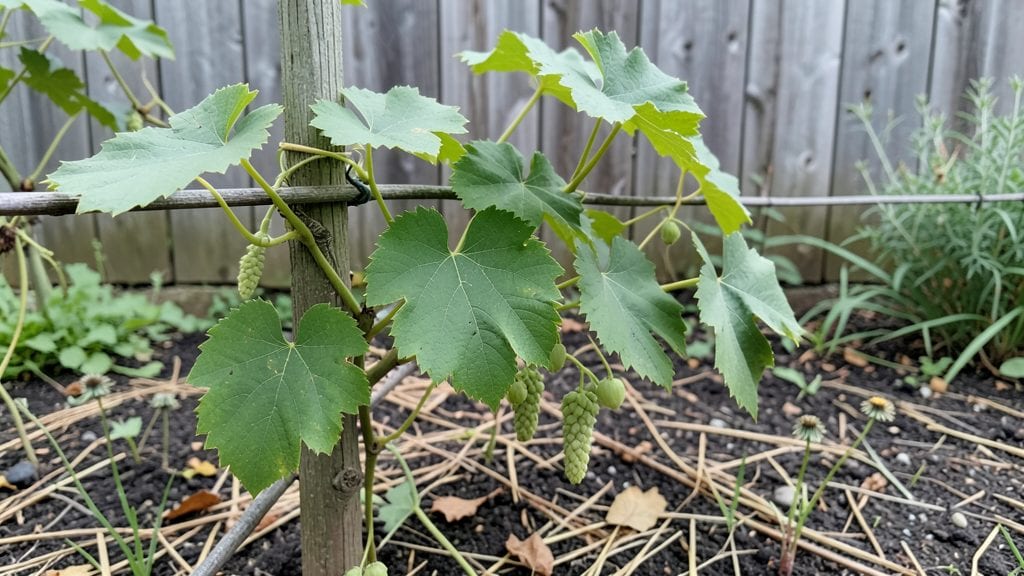
Champagne grape plants turn your garden into a fragrant, disease-resistant vine haven that keeps producing beauty long after other vines have faded. 🌿 I’ve grown these delicate vines for three seasons now, and the difference between them and my old, powdery-mildew-prone grapes is night and day—they’re tougher, smell sweeter, and even handle my occasional watering forgetfulness.
These vines thrive in zones 5-9, where they’ll climb a trellis or arbor with ease, their pale green leaves and clusters of tiny white flowers adding a touch of elegance. The secret to their success?
Well-draining soil, 6+ hours of sunlight daily, and a sturdy support structure—they can grow 15-20 feet if left unchecked. I start mine in containers first to control early growth, then transplant after the last frost.
By summer, you’ll be rewarded with clusters of small, golden grapes that taste like sunshine—though the real star is the fragrant blooms that perfume the air for weeks.
Even better, they resist common grape diseases like black rot and downy mildew, so you spend less time spraying and more time admiring. Prune in late winter to shape them, and they’ll bounce back stronger every season.
Perfect for small spaces, trellises, or even as a living privacy screen. The best part? You can train them to climb arbors, pergolas, or even fence posts—no yard required. Let’s get those vines growing!
📚 In This Guide
- What you need
- Instructions
- Tips and common mistakes
- Wrapping up and next steps
What you need
- ● Champagne grape plants (Vitis vinifera 'Champagne' or similar): 2–4 healthy, disease-free vines (bare-root or potted, depending on season)
- ● Certified organic or nursery-sourced for best results
- ● Well-draining soil: 60% topsoil, 30% compost, 10% perlite or sand (for aeration)
- ● pH level: 6.0–7.0 (test kit recommended)
- ● Sunlight access: Full sun (6+ hours daily) for optimal growth
- ● Support structure: Trellis, arbor, or sturdy fence (8–10 ft tall for vigorous vines)
- ● Metal or wooden posts (if building a DIY trellis)
- ● Watering system: Drip irrigation or soaker hose (to keep roots consistently moist)
- ● 5-gallon watering can (for hand-watering)
- ● Fertilizer: Balanced organic fertilizer (10-10-10 or 5-5-5 NPK ratio)
- ● Composted manure or worm castings (for slow-release nutrients)
- ● Pruning tools: Sharp bypass pruners (for clean cuts)
- ● Loppers (for thicker branches)
- ● Mulch (wood chips or straw) to retain moisture and suppress weeds
- ● Copper fungicide (for preventive disease control)
- ● Grafting tools (if propagating from cuttings)
- ● Soil moisture meter (to monitor hydration levels)
- ● Grapevine training clips or twine (for guiding young vines)
Step-by-Step instructions for planting and caring for Champagne grape vines
Here's the straightforward approach I use to grow these elegant, fragrant vines that bloom nearly year-round.
🌱 Step 1: Choose the Perfect Planting Location
Champagne grape vines thrive in full sun to partial shade—at least 6 hours of direct sunlight daily—but they tolerate light shade better than most grape varieties. I always plant mine against a sturdy trellis or fence where they can climb 8-10 feet without support. The vines need space to spread, so give them 10-12 feet of horizontal room between plants.
Here's the thing—these vines hate soggy roots. Pick a spot with well-draining soil and avoid low areas where water pools. If your soil is heavy clay, amend it with 2-3 inches of compost mixed into the top 12 inches of soil. You'll know you've got it right when the soil feels loose and crumbly when squeezed—not sticky or compacted.
🪴 Step 2: Plant Bare-Root Vines at the Right Time
Plant your bare-root Champagne grape vines in early spring, just as buds begin to swell but before new growth starts. Dig a hole twice as wide as the root ball but only as deep—the top of the root ball should sit 1-2 inches above ground level. This prevents rot and encourages strong root growth.
Spread the roots gently outward in the hole, making sure none are curled or folded. Backfill with native soil, firming it lightly around the roots to eliminate air pockets. Water deeply right after planting—1-2 gallons per vine—to settle the soil and encourage root contact. You'll see new shoots emerge within 2-3 weeks if conditions are right.
💧 Step 3: Water and Fertilize for Strong Establishment
Keep the soil consistently moist but not soggy for the first 6-8 weeks after planting. Water deeply 2-3 times per week, aiming for 1-2 inches of water per week. You'll know you're on track when the top 2 inches of soil feel damp but not waterlogged. Once established, these vines are drought-tolerant, but young plants need consistent moisture to root deeply.
Fertilize lightly in spring with a balanced 10-10-10 fertilizer, using ½ cup per vine. Avoid high-nitrogen fertilizers—they encourage leafy growth at the expense of flowers and fruit. I also add 1 cup of compost around the base each spring to feed the roots naturally. Stop fertilizing by mid-summer to encourage flowering.
✂️ Step 4: Prune for Health and Abundant Blooms
Prune your Champagne grape vines annually in late winter or early spring, before buds swell. Remove dead, diseased, or crossing branches first—these compete with healthy growth. Then, cut back last year's growth by ⅓ to encourage new, vigorous shoots. You'll see clusters of fragrant white flowers appear on these new growths by late spring.
Here's where it gets fun—train the vines along your trellis or fence, spacing shoots 6-8 inches apart. This creates an even canopy and makes harvesting easier. Prune again after flowering to remove any suckers (shoots growing from the base) and overly vigorous side shoots that steal energy from fruit production. Your goal is an open, airy structure that lets light and air circulate freely.
☀️ Step 5: Protect and Maintain for Year-Round Interest
Champagne grapes are disease-resistant, but they still need protection from winter winds and heavy snow. Wrap young vines in burlap or use grapevine cloth to shield them from cold. Mature vines handle winter better, but I still give them a light mulch of 2-3 inches around the base to insulate roots. Remove the mulch in early spring before new growth starts.
Watch for aphids or spider mites on new growth—spray with neem oil if you spot them. These vines are low-maintenance, but a monthly inspection keeps pests from taking hold. You'll love how they bloom spring through fall, with fragrant flowers that attract pollinators and a light, sweet fruit that's perfect for jellies or fresh eating.
Tips & tricks for perfect Champagne grape vines
These simple strategies will help you grow lush, fragrant Champagne grape vines that thrive year after year.
Sunlight Strategy: The 6 hours of direct sunlight in Step 1 is non-negotiable for these vines. If your location gets less, choose a spot against a south-facing wall or fence to maximize light exposure. I've seen vines in partial shade still produce blooms, but they're less vigorous and flower less prolifically. Trust me—these vines will reward you with abundant fragrance when they get their full sun.
Root Ball Technique: When planting in Step 2, don't be tempted to bury the root ball too deeply. That 1-2 inch elevation above ground level might seem insignificant, but it prevents rot and encourages strong root growth downward. I've watched vines planted too deep struggle for months to establish properly—don't make that mistake.
Watering Wisdom: The 6-8 week watering window in Step 3 is critical for root establishment. Use your finger to check soil moisture—it should feel damp 2 inches down, not soggy. I've seen beginners overwater and create root rot, or underwater and stunt growth. Aim for that perfect balance of consistently moist but never waterlogged soil.
Pruning Pro Tip: When you cut back last year's growth by ⅓ in Step 4, look for the strongest, healthiest canes to keep. These will produce the most flowers next season. I always prune on a dry day to prevent disease entry points, and I sterilize my pruners with rubbing alcohol between cuts to keep everything clean.
Pro Tips for Champagne Grape Plants
- These simple strategies will help you grow lush, fragrant Champagne grape vines that thrive year after year.
- Sunlight Strategy: The 6 hours of direct sunlight in Step 1 is non-negotiable for these vines.
- Root Ball Technique: When planting in Step 2, don't be tempted to bury the root ball too deeply.
Frequently asked questions
Got questions about growing champagne grape plants? You’re not alone! Here are some of the most common queries—plus clear, actionable answers to help your vines thrive.
How fast do champagne grape plants grow?
These vines are fast growers! With ideal conditions (full sun, well-draining soil, and regular watering), expect 3–5 feet of growth per year. In warmer climates, they can even reach 15–20 feet in just a few seasons. Prune in late winter to manage size and encourage bushier blooms.
When is the best time to plant champagne grape vines?
Plant in early spring (after the last frost) or fall (6–8 weeks before the first frost). This gives roots time to establish before extreme temperatures. Avoid planting in summer—heat stress can stunt growth. If starting from seeds, sow indoors 8–10 weeks before the last frost for a head start.
Do champagne grape plants produce edible grapes?
Nope! While they’re named for their champagne-like fragrance, these vines are purely ornamental. Their small, white flowers and glossy leaves are the star—plus, they’re disease-resistant and attract pollinators. If you want edible grapes, opt for varieties like Concord or Thompson Seedless.
What pests or diseases should I watch for?
Champagne grape plants are tough, but keep an eye out for:
- Aphids: Spray with soapy water if clusters appear on new growth.
- Powdery mildew: Improve airflow and avoid overhead watering.
- Japanese beetles: Handpick or use neem oil to protect leaves.
Can I grow champagne grape plants in containers?
These vines adapt well to large containers (15+ gallons) with drainage holes. Use a lightweight potting mix and prune aggressively to control sprawl. Move pots indoors or to a sheltered spot in winter if you’re in a cold climate. Just ensure they get 6+ hours of sun daily.
Pro Tip:
For extra fragrance, plant near seating areas, patios, or garden paths. Pair them with roses or lavender to create a sensory garden paradise!
Wrapping up and next steps
Growing champagne grape plants is a rewarding way to add fragrant, disease-resistant blooms and vibrant foliage to your garden year-round! 🌿 With their low-maintenance care and stunning visual appeal, these vines are perfect for beginners and seasoned gardeners alike.
Whether you're aiming for a romantic trellis or a lush privacy screen, these plants deliver beauty with minimal fuss.
Ready to transform your outdoor space? Start by selecting the right variety for your climate, gather your supplies, and give these vines the love they deserve. Your garden’s next masterpiece could be just a few cuttings away! 🌸