
Pests
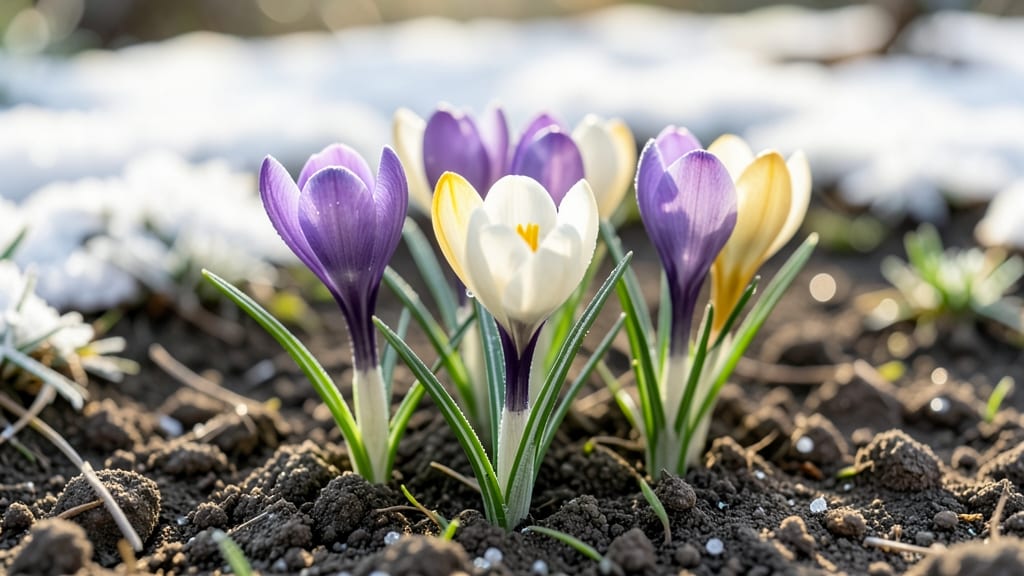
Tired of chipmunks raiding your garden and stealing your hard-earned harvest? These 10 chipmunk-deterrent plants use natural scents and textures to create an unwelcome environment for these persistent pests—without chemicals.
Daffodils: Toxic Beauty That Chipmunks Avoid
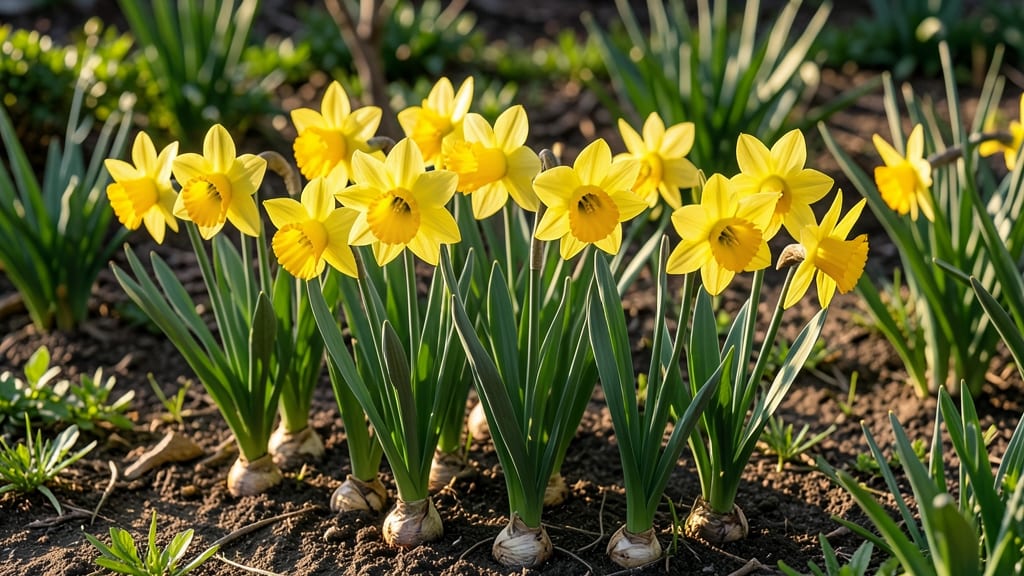
Chipmunks may love digging, but they’ll steer clear of daffodils—thanks to their built-in lycorine toxin, a natural deterrent these critters instinctively avoid. Planting them in borders creates a bright, cheerful barrier that doubles as pest control, with minimal effort on your part.
These spring bloomers thrive in full sun to partial shade and return year after year, multiplying over time. Their toxic bulbs also deter other burrowing pests like squirrels, making them a multi-purpose solution. For best results, plant bulbs in fall for early spring color and maximum chipmunk resistance.
Perfect for gardeners who want low-maintenance beauty with built-in pest protection, daffodils are especially useful along vegetable beds or near raised planters where chipmunks dig. 🌱
Alliums: Pungent Onion Relatives Chipmunks Hate
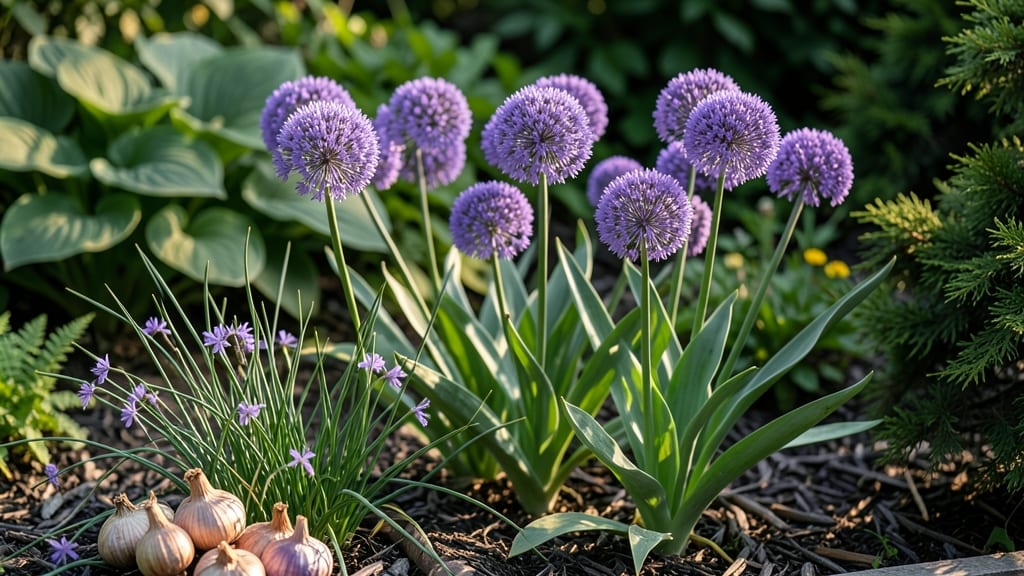
If chipmunks are your garden’s worst critics, alliums might just be the secret weapon you’ve been missing. These onion relatives—think garlic, chives, and ornamental alliums—pack a natural pest-repelling punch thanks to their strong sulfur compounds, which chipmunks find utterly off-putting.
Plant them near your vegetable beds (especially carrots, tomatoes, or lettuce) to create a protective barrier. Alliums thrive in full sun to partial shade and well-drained soil, making them low-maintenance allies. Bonus: Their striking purple spherical blooms add height and drama to borders while keeping critters at bay.
Perfect for vegetable gardeners or those with raised beds, alliums offer a dual benefit—pest control and pollinator appeal. Just avoid planting near other allium family members to prevent cross-pollination. 🌟
Marigolds: Bright Flowers with Natural Pest-Repelling Properties
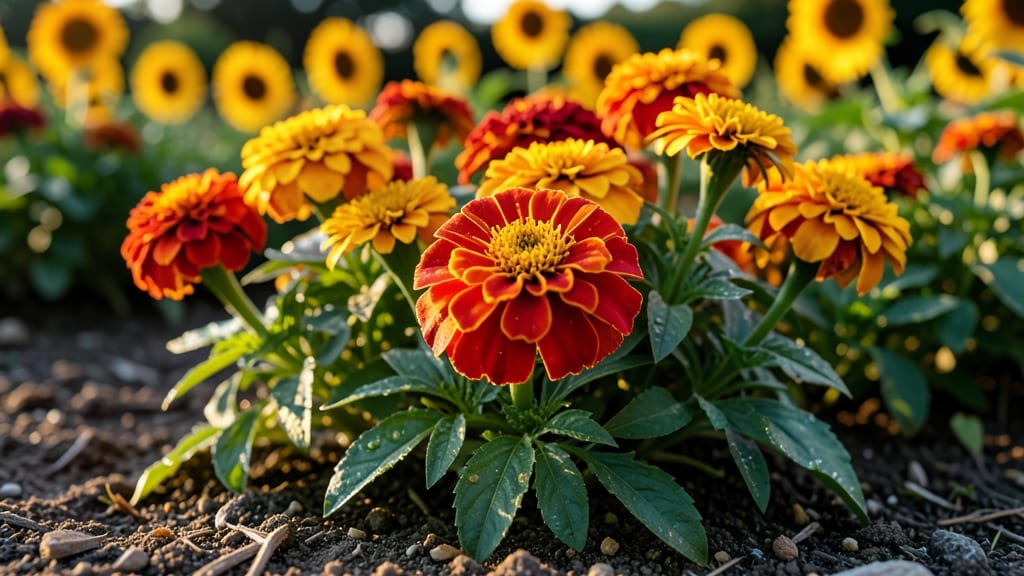
If you want a two-for-one solution—vibrant blooms and chipmunk deterrence—marigolds are your secret weapon. These cheerful, sun-loving flowers contain pyrethrum, a natural compound that repels pests while adding bold color to your garden beds.
Plant French marigolds (for their intense scent) or African marigolds (for their striking petals) in full sun with well-draining soil. Their strong fragrance masks the smells that attract chipmunks, making them ideal for borders or mixed flower beds. Bonus: They’re easy to grow from seed and thrive in containers, perfect for urban gardeners.
Marigolds work especially well near veggie patches or fruit trees, where chipmunks love to dig. Their year-round pest-repelling benefits make them a must-have for any garden fighting back against these tiny thieves. 🌻
Lavender: Fragrant Herb That Confuses Chipmunks
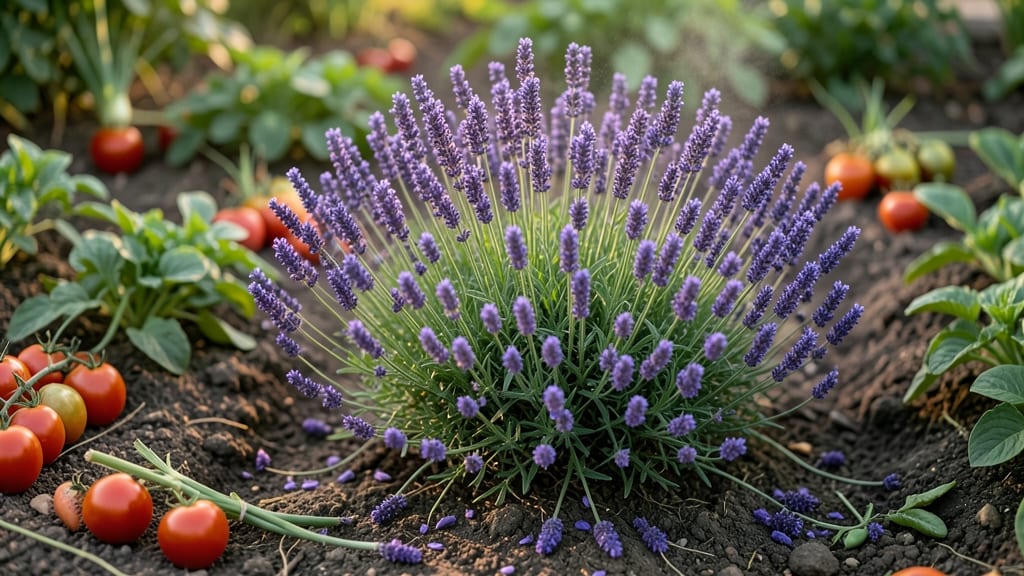
If chipmunks are sniffing out your veggies like tiny, furry detectives, lavender might just be the plant that throws them off the scent entirely. Its intense fragrance doesn’t just smell amazing to humans—it masks the earthy, fruity, and vegetable scents that chipmunks rely on to locate their next meal.
This drought-resistant herb thrives in full sun (6+ hours daily) and needs minimal care—just well-draining soil and occasional pruning to keep it bushy. Plant it along garden edges, near raised beds, or in containers by your patio to create a fragrant barrier that confuses chipmunks while adding beauty to your space.
Perfect for sunny climates or low-water gardens, lavender is also a pollinator magnet, attracting bees and butterflies. Gardeners with busy schedules will love its low-maintenance nature—just plant it, water occasionally, and enjoy the double benefit of pest control and fragrance. ✨
Foxglove: Tall Plant with Toxic Appeal
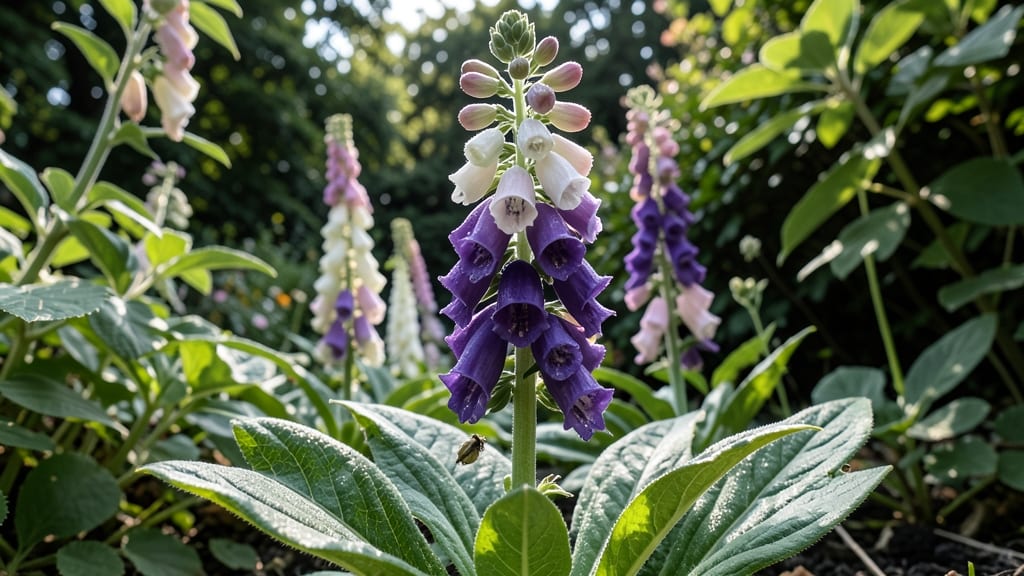
Want a dramatic way to deter chipmunks while adding vertical drama to your garden? Foxglove (Digitalis purpurea) stands tall with toxic appeal—literally. Its cardiac glycosides act as a natural deterrent, making it one of the few plants chipmunks avoid entirely due to its chemical defenses.
This biennial plant grows 3-5 feet tall, perfect for creating focal points in shady or partially shaded areas. Plant seeds in early spring or fall, and expect bell-shaped flowers in shades of purple, pink, or white by its second year. Deadhead spent blooms to encourage more flowers, but wear gloves—all parts are toxic if ingested.
Ideal for cottage gardens, woodland edges, or as a backdrop for shorter perennials, foxglove thrives in moist, well-draining soil and partial shade. While it’s not edible, its striking height and pest-repelling properties make it a must-have for gardeners seeking both beauty and functionality. 🌷
Rue: Spiky Leaves Chipmunks Avoid
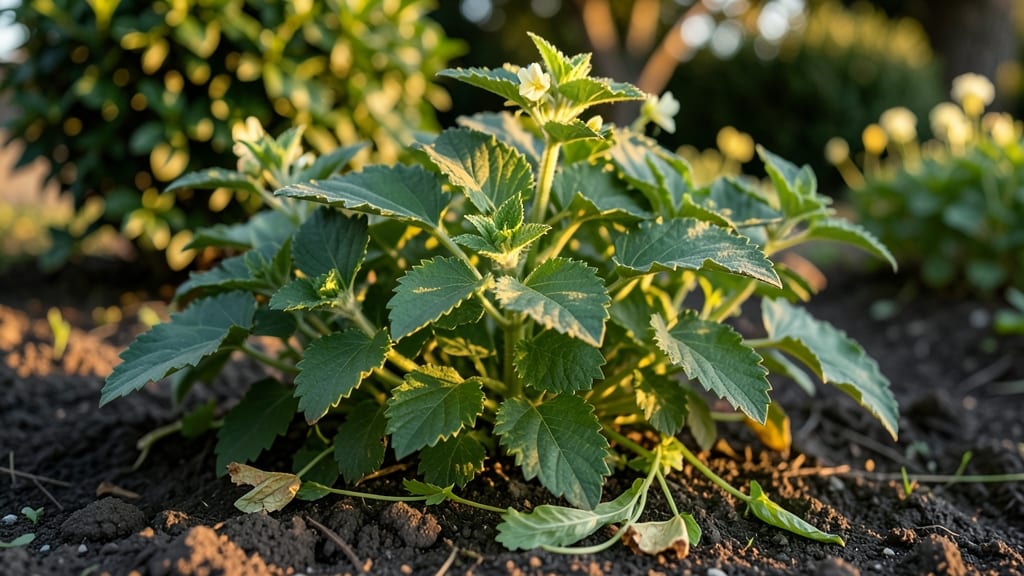
If you’re tired of chipmunks nibbling on your herbs or digging up seedlings, rue might be your secret weapon. This traditional herb isn’t just a chipmunk deterrent—its bitter taste and jagged leaves make it a natural barrier that pests avoid on sight.
Rue thrives in full sun to partial shade and prefers well-drained soil, making it ideal for rocky or sandy garden spots. While it’s often used in pest control, its small yellow flowers and aromatic foliage also add texture to cottage gardens. Just handle with care—its sap can irritate skin, so wear gloves when pruning.
Perfect for herb gardens and borders, rue is especially useful if you’re growing edibles like carrots or lettuce nearby. Its dual-purpose role as both a pest repellent and culinary herb makes it a standout choice for gardeners who want function and beauty. 🌿
Snapdragons: Colorful Flowers with Mild Deterrent
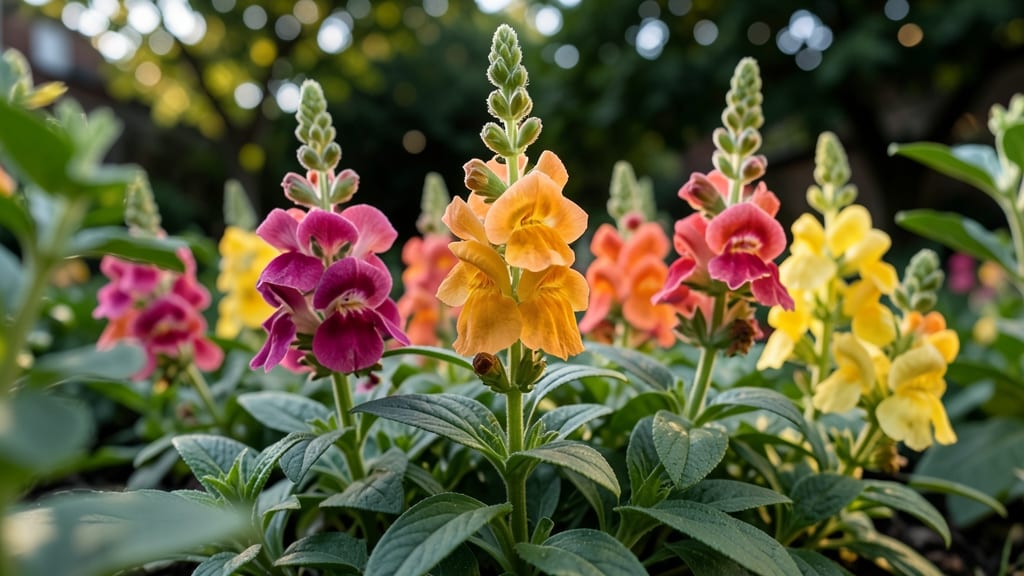
If you want vibrant color and a chipmunk deterrent without the fuss, snapdragons are your perfect solution. These cheerful flowers contain mild toxins that chipmunks avoid, while their vertical blooms add whimsical height to garden beds. Unlike other deterrent plants, snapdragons are also beginner-friendly, thriving from seeds with minimal care.
Sow seeds directly in well-draining soil after the last frost, spacing them 12-18 inches apart for full sun exposure. Deadhead spent blooms to encourage continuous flowering from spring through fall. Their mild toxicity isn’t as potent as foxglove or daffodils, but it’s enough to discourage chipmunks from digging nearby.
Perfect for cottage gardens, window boxes, or mixed borders, snapdragons bring colorful charm while subtly protecting your other plants. Their easygoing nature makes them ideal for first-time gardeners looking to deter pests without high-maintenance solutions. 🌻
Mint: Overpowering Scent Chipmunks Dislike
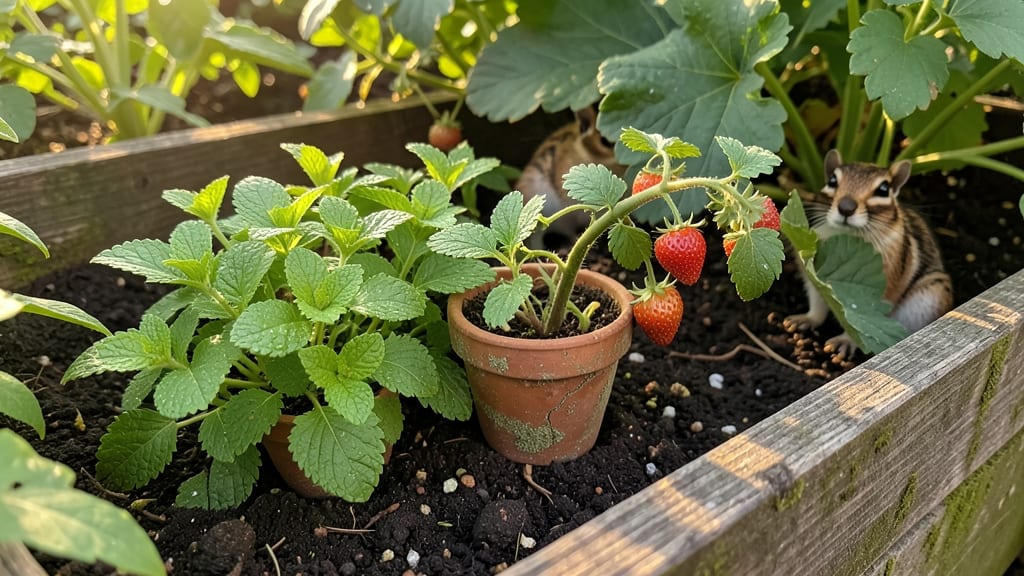
If you’ve ever spotted chipmunks sniffing out your garden like tiny, furry detectives, mint might be your secret weapon. Its overpowering, fresh scent doesn’t just repel pests—it masks the smells of your veggies and fruits, making your garden invisible to their sharp noses.
Plant mint in containers to keep its aggressive roots in check, and place them near high-traffic areas like patios or garden edges. This herb thrives in partial shade to full sun and spreads quickly, so a 12-inch pot will do the trick without taking over. Bonus: harvest the leaves for teas, cocktails, or cooking!
Urban gardeners and balcony planters will love mint—it’s low-maintenance, drought-tolerant once established, and delivers double duty as both a pest deterrent and a culinary staple. 🌿
Clematis: Climbing Vine with Toxic Appeal
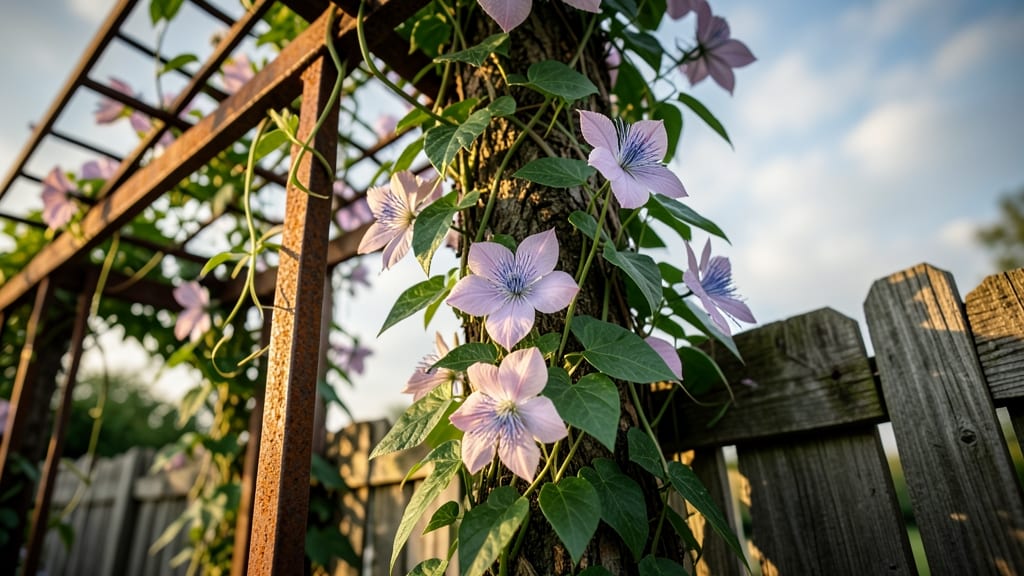
Want to keep chipmunks away while adding drama to your garden? Clematis is a toxic yet stunning climbing vine that deters these pests while transforming trellises, fences, and arbors into lush vertical gardens. Its alkaloid compounds make it unappealing to chipmunks, while its flowers add a romantic touch to any space.
Plant clematis near garden beds or along pathways where chipmunks dig—they’ll avoid the area entirely. Choose varieties like Jackmanii (deep purple) or Nelly Moser (pink) for maximum impact. Provide 6 hours of sun and well-draining soil, and support the vines with a sturdy trellis. Prune in late winter to encourage new growth.
Perfect for gardeners who love vertical interest and want a low-maintenance way to repel chipmunks naturally. The shade it provides also protects delicate plants below! 🌷
Crocus: Early Bloomer with Natural Deterrents

Want to outsmart chipmunks before your spring garden even wakes up? Crocus plants punch above their weight by blooming in late winter or early spring—often when the ground is still bare—while packing a natural deterrent chipmunks instinctively avoid.
These cheerful flowers contain colchicine, a mild toxin that makes them unappealing to foraging chipmunks. Plant them in clusters along garden edges or under deciduous trees, where their vibrant purple, white, or yellow blooms will brighten early-season landscapes. They thrive in full sun to partial shade and require minimal care—just well-draining soil and occasional watering once established.
Perfect for gardeners who want to prevent chipmunk damage from day one, crocus also attracts early pollinators like bees. Their early bloom time gives you a head start on color and pest control—without waiting for summer! 🌷