
Companion Plants
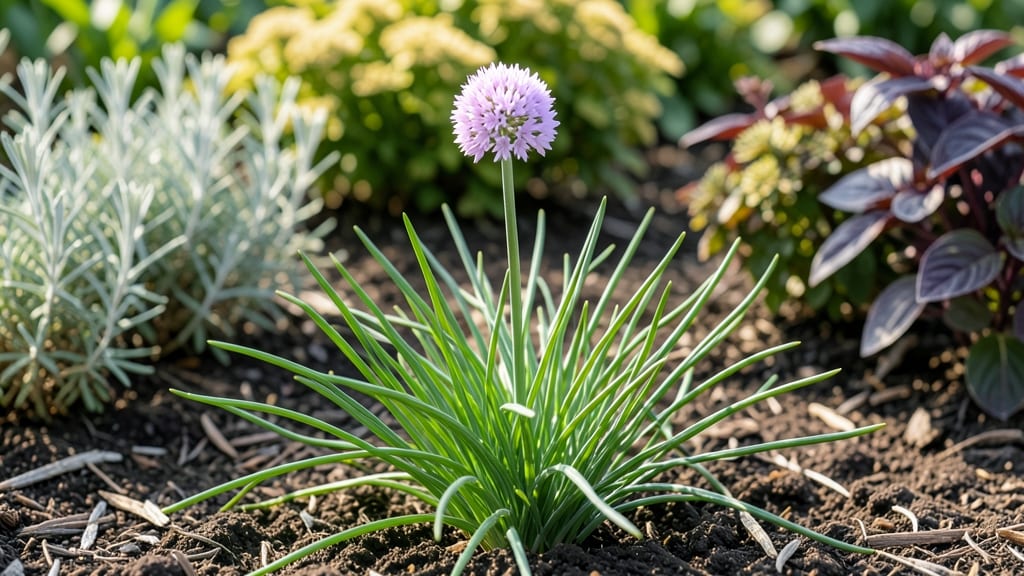
Growing chive family plants transforms your garden into a fragrant, pollinator magnet that keeps giving year after year. 🌱 I’ve watched my chives, garlic, and shallots return stronger every spring—no replanting needed—and they’re the secret weapon behind my garden’s resilience against pests.
The Allium genus thrives on neglect once established, making them perfect for busy gardeners who still want fresh greens and blooms.
These perennials love well-draining soil and full sun but tolerate partial shade, which is why they work in pots, borders, or even between stepping stones. Water them consistently for the first month, then let the soil dry slightly between waterings—overwatering is their only real enemy.
Varieties like garlic chives add delicate flavor to dishes, while ornamental alliums bring bold purple blooms that hummingbirds can’t resist.
By midsummer, you’ll harvest fresh chive sprigs for cooking or let the flowers feed pollinators while suppressing weeds. The roots spread quietly, filling gaps naturally without crowding. Even in winter, the foliage stays green in mild climates, providing year-round interest. Here’s how to keep them thriving through every season.
Whether you’re growing for food, beauty, or both, these plants reward patience with minimal effort. Start with a few cloves or sets, and soon you’ll have a self-sustaining allium patch that outshines annuals. Let’s get your garden buzzing with these hardy perennials!
Root Causes of Struggles
Allium family plants—like chives, garlic chives, and ornamental onions—are hardy, low-maintenance perennials, but they can still face challenges that stunt growth, reduce flavor, or even kill them. Understanding the why behind these issues helps you fix them fast. Below, we break down the most common culprits with clear science-backed explanations.
Alliums thrive in well-draining, nutrient-rich soil with a pH between 6.0 and 7.0. When soil falls short, plants weaken, leaving them vulnerable to disease and pests.
- Compacted or Clay-Heavy Soil: Roots struggle to breathe, leading to root rot or fungal infections. Alliums are shallow-rooted and prefer loose, aerated soil.
- Nutrient Deficiencies: Lack of nitrogen, phosphorus, or potassium causes yellowing leaves, stunted growth, or poor bulb development. A soil test reveals exactly what’s missing.
- High Salinity or Sodicity: Over-fertilization (especially with synthetic salts) or poor irrigation can build up harmful minerals, burning roots and inhibiting water uptake.
Actionable Fix: Amend soil with compost, perlite, or coarse sand to improve drainage. For deficiencies, use a balanced organic fertilizer (like 5-5-5) in early spring.
Alliums are drought-tolerant but despise waterlogged roots. Over- or under-watering triggers a cascade of problems, from fungal diseases to nutrient leaching.
- Overwatering: Soggy soil suffocates roots, promoting Fusarium or Botrytis fungi. Yellowing leaves that turn brown at the edges are classic signs.
- Underwatering: Wilting, crispy leaf edges, or bolting (premature flowering) occur when soil dries out completely. Alliums need 1–1.5 inches of water per week, more in extreme heat.
- Inconsistent Moisture: Fluctuating water levels stress plants, making them susceptible to downy mildew or pest attacks.
Actionable Fix:
- Water deeply at the base in the morning to reduce evaporation.
- Use drip irrigation or soaker hoses to avoid wetting foliage (which spreads disease).
- Mulch with straw or wood chips to retain moisture and regulate soil temperature.
Alliums love full sun but can suffer from heat stress or cold damage, especially in their first year. Improper light exposure weakens plants, making them prone to pests and diseases.
- Too Much Heat: In zones above 9, intense summer sun (especially without mulch) can scorch leaves or cause bolting. Alliums may go dormant early to survive.
- Insufficient Sunlight: Partial shade (less than 6 hours of sun) leads to leggy, pale growth and poor bulb development. Foliage may also become rubbery or hollow.
- Late Frosts or Early Freezes: Tender new growth can be damaged by temperatures below 20°F. Some varieties (like garlic chives) are more cold-hardy than others.
Actionable Fix:
- Plant in full sun (6+ hours/day) but provide afternoon shade in scorching climates with shade cloth.
- Use row covers in early spring or late fall to protect from frost.
- Choose heat-tolerant varieties like Egyptian walking onions if you live in hot zones.
Alliums are generally pest-resistant, but specific threats can decimate them if left unchecked. Overcrowding, weak plants, or poor hygiene create the perfect storm for infestations.
- Thrips & Aphids: These sap-sucking pests curl leaves and transmit virus diseases. They thrive in dry, dusty conditions.
- Onion Maggots: Larvae from Delia antiqua flies burrow into bulbs, causing rot and stunted growth. They’re worse in wet, poorly drained soil.
- Fungal Infections (Rust, Mold, or Rot): Purple blotch or white rot appear as dark spots or mushy bulbs. These spread via contaminated tools, water, or plant debris.
- Deer & Rabbits: These herbivores may nibble young shoots, especially in early spring when other food is scarce.
Actionable Fix:
- Rotate crops annually to break disease cycles.
- Apply neem oil or insecticidal soap for pests; use row covers to block maggots.
- Remove and dispose of infected plants (don’t compost) to prevent spread.
- Plant repellent companions like thyme, marigolds, or lavender nearby.
Alliums are perennial, meaning they regrow year after year—but aggressive pruning or harvesting can exhaust them. Cutting at the wrong time or too often stresses plants, reducing vigor and flavor.
- Over-Pruning Foliage: Removing more than 1/3 of the leaves at once starves the bulb of energy for next year’s growth.
- Harvesting Seeds Too Early: If you let flowers go to seed, the plant diverts energy from bulb storage, weakening future harvests.
- Cutting at the Wrong Time: Harvesting chives in winter (when they’re dormant) or late summer (before they’ve stored nutrients) reduces next year’s yield.
Actionable Fix:
- Harvest outer leaves first, leaving the inner growth intact.
- Avoid cutting back foliage until it naturally yellows in late summer/fall.
- If growing for seeds, allow some flowers to mature but remove seed heads before they scatter.
Quick Fixes for Common Chive Family Plant Troubles
If your Allium family plants (like chives, garlic chives, or ornamental onions) are struggling, don’t panic! Most issues have simple, practical solutions—whether it’s pests, diseases, or growth problems. Below, we’ve mapped common causes to their fixes, plus prevention tips to keep your fragrant perennials thriving year-round. 🌱✨
1. Aphids or Spider Mites
Cause: Tiny sap-sucking insects cluster on leaves, causing curling or yellowing. Fix:
- Blast them off 💦: Spray plants with a strong stream of water (especially early morning) to dislodge pests.
- Neem oil solution 🌿: Mix 1 tbsp neem oil + 1 tsp mild soap in 1 quart water. Spray leaves thoroughly (repeat every 5–7 days).
- Introduce predators 🐞: Ladybugs and lacewings love aphids—buy them online or attract them with companion plants like dill or fennel.
Prevention:
- Encourage biodiversity 🌍: Plant marigolds or basil nearby to repel pests naturally.
- Inspect regularly 🔍: Check undersides of leaves weekly during growing season.
2. Onion Fly Larvae
Cause: Maggots burrow into bulbs, stunting growth or causing rot. Fix:
- Row covers 🛡️: Use lightweight fabric to block adult flies from laying eggs (install at planting).
- Diatomaceous earth 🪨: Sprinkle food-grade DE around the base of plants (reapply after rain).
- Crop rotation 🔄: Avoid planting Alliums in the same spot for 3+ years.
Prevention:
- Interplant with carrots 🥕: Onion flies dislike their scent—this confuses them and reduces egg-laying.
3. Yellowing Leaves (Nutrient Deficiency)
Cause: Pale or yellowing foliage often signals nitrogen (N), magnesium (Mg), or iron (Fe) deficiency. Fix:
- Test soil 📊: Use a DIY kit (or send to a lab) to confirm deficiencies.
- Quick fixes:
- Nitrogen boost 💪: Side-dress with compost or use a balanced organic fertilizer (10-10-10).
- Epsom salt 🧂: For magnesium, dissolve 1 tbsp in 1 gallon water and spray leaves weekly.
- Iron chelate 🔥: For chlorosis (yellow between veins), apply iron supplement per package instructions.
Prevention:
- Mulch heavily 🍂: 2–3 inches of straw or compost retains moisture and nutrients.
- Avoid overwatering 💧: Soggy soil leaches nutrients—water deeply but infrequently.
4. Flopping or Weak Stems
Cause: Tall chives or garlic chives may flop in wind/rain, or stems weaken from overcrowding. Fix:
- Stake or cage 🪵: Use bamboo stakes or small tomato cages for support.
- Thin plants ✂️: Snip back 1/3 of the oldest growth to encourage bushier, sturdier regrowth.
- Harvest strategically 🌿: Cut leaves from the base (not the tips) to prevent weakening.
Prevention:
- Plant in groups 🌿: Cluster plants 6–12 inches apart for natural windbreak support.
- Choose dwarf varieties 🌱: ‘Pink Chives’ or ‘Garlic Chives’ stay shorter and stockier.
5. Rust or Powdery Mildew
Cause: White powder or orange pustules appear on leaves, reducing photosynthesis. Fix:
- Baking soda spray 🧂: Mix 1 tsp baking soda + 1 tsp oil + 1 tsp soap in 1 quart water. Spray leaves (avoid flowers).
- Prune infected leaves ⚔️: Remove and destroy (don’t compost!) diseased foliage immediately.
- Improve airflow 🌬️: Space plants 8–12 inches apart and avoid overhead watering.
Prevention:
- Water at the base 💦: Keep leaves dry to deter fungal spores.
- Rotate crops 🔄: Don’t plant Alliums in the same bed yearly.
6. Bulb Rot (Fusarium or Pythium)
Cause: Soft, mushy bulbs with foul odor—often from overwatering or poor drainage. Fix:
- Dig up affected bulbs 🪴: Remove and discard (don’t compost). Sterilize tools with rubbing alcohol.
- Repot in fresh soil 🏺: Use a well-draining mix (add perlite or sand).
- Fungicide treatment 💊: Apply copper-based fungicide to soil before replanting.
Prevention:
- Raise beds 🏗️: Plant in mounded soil or containers with drainage holes.
- Space bulbs properly 📏: Allow 4–6 inches between plants for airflow.
7. Winter Dieback or Spring Slow Starts
Cause: Cold snaps or compacted soil can delay regrowth. Fix:
- Mulch heavily ❄️: Apply 4–6 inches of straw or leaves in late fall to insulate roots.
- Early spring fertilizer 🌱: Top-dress with compost or a low-nitrogen fertilizer (5-5-5) as soon as soil thaws.
- Protect from frost ❄️: Cover with row fabric if temps drop below 20°F.
Prevention:
- Choose cold-hardy varieties 🥶: ‘Common Chives’ (Allium schoenoprasum) tolerate zones 3–9.
- Divide clumps every 3–4 years 🔄: Overcrowding weakens plants—split and replant in early spring.
Pro Tip: Most Allium family plants are resilient—focus on prevention (like companion planting and proper spacing) to avoid major issues. When problems arise, act fast, and your fragrant, pollinator-loving perennials will bounce back stronger! 🌟
Frequently asked questions
What are the easiest chive family plants for beginners to grow?
Start with common chives (Allium schoenoprasum) or garlic chives (Allium tuberosum)—they’re hardy, regrow yearly, and thrive in full sun or partial shade. Both tolerate poor soil and need minimal care, making them perfect for first-time gardeners. Their mild onion flavor also adds great freshness to dishes!
Can I grow chive family plants in containers?
Most varieties—like chives, garlic chives, and even small onions—thrive in containers with at least 6-inch-deep soil and drainage holes. Use a well-draining potting mix and place them in full sun (6+ hours/day). Containers also make it easy to move plants if needed.
How do I prevent chive family plants from bolting too early?
Bolting happens when plants sense heat or drought stress. Keep soil consistently moist (but not soggy) and avoid overcrowding. For extra protection, mulch with straw to maintain even moisture. If you’re in a hot climate, choose heat-tolerant varieties like Egyptian walking onions.
Are chive family plants deer-resistant?
While they’re not completely deer-proof, chives and garlic chives are less appealing than many other plants. Deer may nibble young shoots if nothing else is available. To deter them, plant strongly fragrant companions like rosemary or lavender nearby, or use physical barriers like fencing for critical areas.
Can I harvest chive leaves all year long?
In mild climates, yes! Chives stay green through winter and can be harvested year-round. In colder zones, growth slows in winter, but you can still snip back leaves in early spring. Avoid cutting more than 1/3 of the plant at once to ensure regrowth. Regular harvesting actually encourages bushier, more productive plants.