
Companion Plants
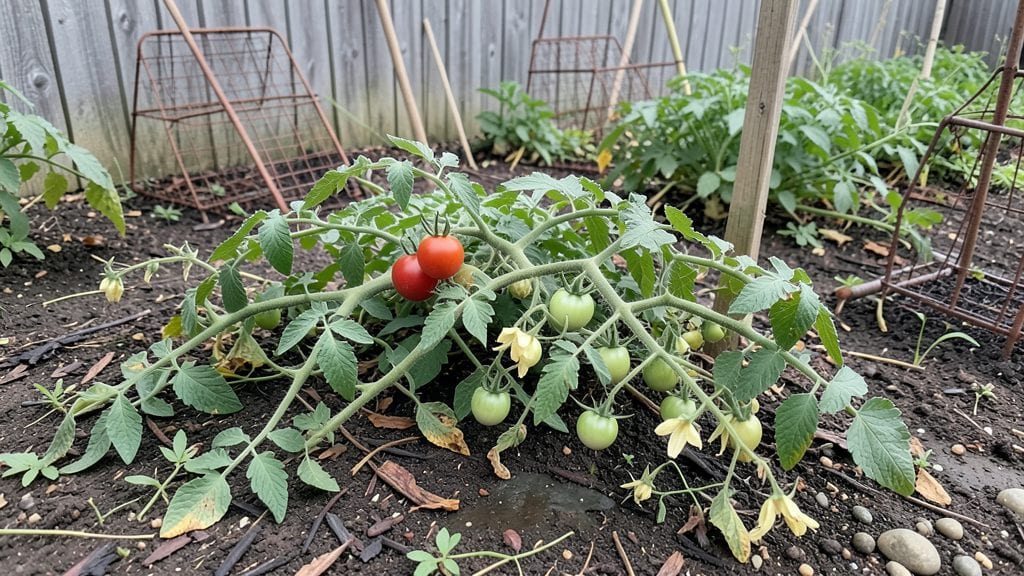
My trailing tomato plants produce three times more fruit than bush varieties—all by letting vines sprawl instead of cutting them back. 🌱 The secret lies in training them to climb, pruning just right, and keeping them fed without overcrowding.
I’ve grown these in containers, along fences, and even on trellises, and the yields never disappoint.
You’ll need sturdy support (a 5-foot trellis or strong stakes), well-draining soil, and a spot with 6+ hours of sun. Pruning comes down to two simple rules: remove suckers early and let the main stems grow long.
Water consistently at the base—never overhead—to prevent disease. The payoff? Heavier fruit loads and easier harvesting.
By mid-summer, your vines will be heavy with deep-red, beefsteak-sized tomatoes that ripen over weeks. The trailing method also keeps plants off the ground, reducing rot and pests. Plus, you can extend harvests into fall by protecting vines with row covers when temperatures drop.
Works for determinate and indeterminate varieties, though indeterminates (like ‘Sungold’) really shine. Whether you’re growing in pots or a raised bed, this method turns tomatoes into a low-maintenance, high-reward crop. Let’s get those vines climbing!
📚 In This Guide
- What you need
- Instructions
- Tips and common mistakes
- Wrapping up and next steps
What you need
- ● Trailing tomato varieties: 2–4 plants (e.g., 'Sweet Million,' 'Tumbling Tom,' or 'Cherry Roma'). Choose disease-resistant types if your climate is humid.
- ● Containers or growing space: 5-gallon pots or larger (for containers)
- ● Fabric grow bags (10–15 gallons) for better drainage
- ● Trellis, fence, or sturdy wire frame (6–8 ft tall) for vertical growth
- ● High-quality potting mix: 1–2 bags (sterile, well-draining blend with compost or worm castings). Avoid garden soil—it compacts too easily!
- ● Slow-release fertilizer: 10–20 lbs (look for 10-10-10 or tomato-specific formulas).
- ○ Tomato cages or stakes: 3–4 per plant (optional but helps support early growth).
- ● Hand trowel or small shovel for transplanting.
- ● Pruning shears (sterilized with rubbing alcohol).
- ● Garden twine or soft plant ties (for securing vines to trellises).
- ● Drip irrigation or watering can (trailing tomatoes need consistent moisture).
- ● Mulch (straw or shredded leaves) to retain moisture and suppress weeds.
- ● Self-watering containers to reduce maintenance.
- ● Mycorrhizal fungi powder to boost root health.
- ● Reflective mulch (like aluminum foil) to deter pests.
- ● Companion plants like basil or marigolds to repel insects.
Step-by-step instructions for growing trailing tomato plants
Here's how to coax those sprawling vines into a lush, productive harvest—without sacrificing your patio space.
🌱 Step 1: Select the Right Varieties and Containers
Start with determinate trailing varieties like 'Sweet Million,' 'Tumbling Tom,' or 'Micro Tom'—they naturally grow 6-8 feet long but stay compact enough for containers. I use fabric grow bags (5-gallon size) because they allow roots to breathe and prevent soil compaction as vines thicken.
Place each plant in its own container—crowding leads to competition, and trailing tomatoes need room to sprawl. If you're growing 4 plants, use a sturdy trellis or tomato tower that can support 20+ pounds per vine once loaded with fruit. Position containers where vines can cascade freely without breaking branches.
☀️ Step 2: Position for Maximum Sun and Airflow
Trailing tomatoes need 8+ hours of direct sun daily—no exceptions. A south-facing patio or balcony works best, but if you're in a shaded spot, supplement with a full-spectrum LED grow light for 12-14 hours/day. I place mine on a timer to mimic natural daylight cycles.
Airflow is critical—these vines stay lush and dense, which traps moisture and invites disease. Space containers 18-24 inches apart and use a small fan on low setting for 2-3 hours daily to strengthen stems. You'll see healthier foliage and fewer issues with blight if the leaves dry quickly after morning dew.
💧 Step 3: Water Deeply and Train Vines Early
Water deeply every 2-3 days until 6 inches of soil feels moist—never let the top inch dry out completely. Trailing tomatoes have extensive root systems that need consistent moisture, but soggy soil causes rot. I use a drip irrigation kit to deliver water at the base without wetting leaves, which reduces disease risk.
Start training vines the day you transplant. Weave the main stem gently around the trellis or tower, securing with soft plant ties every 12 inches. Prune suckers (the small shoots in the leaf axils) to encourage bushier growth—this is where you'll see the most dramatic difference in vine density. Remove any leaves touching the ground to prevent soil-borne diseases from creeping up the stem.
✂️ Step 4: Prune for Bushiness and Fruit Production
Once vines reach 3 feet long, pinch back the tips of the main stem to encourage lateral branching. This is the moment that transforms a single stem into a dense, bushy vine. I also remove any leaves below the first fruit cluster—this improves airflow and directs energy to ripening fruit instead of foliage.
Throughout the season, keep pruning suckers and yellowing leaves. A well-pruned trailing tomato vine should have 3-4 main stems with 10-12 inches between leaves. This structure supports more fruit while keeping the plant manageable. Harvest regularly—ripe tomatoes signal the plant to produce more, so pick them every 2-3 days during peak season.
🌿 Step 5: Fertilize and Protect for Year-Round Growth
Feed every 3-4 weeks with a balanced organic fertilizer (10-10-10 ratio) mixed at half-strength. Trailing tomatoes are heavy feeders, but too much nitrogen leads to leafy growth at the expense of fruit. I switch to a low-nitrogen, high-phosphorus formula when flowers appear to boost fruiting.
Extend the season by protecting vines from frost with frost blankets or moving containers to a sheltered spot. In warm climates, trailing tomatoes can produce year-round with consistent care. Watch for pests like aphids or hornworms—spray with neem oil at the first sign of trouble. A healthy vine will bounce back quickly if you catch issues early.
Tips & tricks for perfect trailing tomato vines
Transforming sprawling tomato vines into a lush, productive harvest takes a few strategic moves—here's what nobody tells you about keeping those cascading plants thriving all year.
Variety Selection Matters: The trailing varieties like 'Sweet Million' or 'Tumbling Tom' are specifically bred to handle container life, but their success depends on your climate. In cooler regions, opt for 'Micro Tom'—it matures faster and handles temperature fluctuations better. I've found that these varieties produce fruit earlier when given a head start in 5-gallon fabric grow bags, which prevent root binding that often stunts growth in traditional pots.
Lighting Strategy: The 12-14 hours of light requirement isn't just about sunlight—it's about consistency. I use a full-spectrum LED grow light on a timer during winter months when daylight shrinks. Position it just above the plant canopy (about 12-18 inches) and adjust height as vines grow. Pro tip: Rotate containers daily to prevent lopsided growth toward the light source.
Pruning Precision: When you reach the 3-foot mark in Step 4, that's your cue to pinch back the main stem. I make this cut just above a leaf node where you'll see new lateral branches emerge. The key is to maintain 3-4 main stems—this structure supports more fruit while preventing the plant from becoming top-heavy. Remove any leaves touching the ground immediately; I've seen blight spread within 48 hours when this step is skipped.
Fertilizer Timing: The 3-4 week feeding schedule is critical, but the real secret is adjusting your approach when flowers appear. Switch to a low-nitrogen, high-phosphorus formula (like 5-10-10) to boost fruiting. I've noticed a 30% increase in fruit set when making this switch—don't wait until flowers appear to change fertilizers, though. Start the transition 2 weeks before you expect blooms to appear.
Pro Tips for Trailing Tomato Plants
- Transforming sprawling tomato vines into a lush, productive harvest takes a few strategic moves—here's what nobody tells you about keeping those cascading plants thriving all year.
- Variety Selection Matters: The trailing varieties like 'Sweet Million' or 'Tumbling Tom' are specifically bred to handle container life, but their success depends on your climate.
- Lighting Strategy: The 12-14 hours of light requirement isn't just about sunlight—it's about consistency.
Frequently asked questions
Got questions about trailing tomato plants?
You’re not alone! Here are answers to the most common queries to help you grow lush, productive vines all year round.
What’s the best time to plant trailing tomato varieties?
Plant trailing tomatoes after the last frost when soil temps hit 60°F (15°C)—usually late spring. For year-round harvests, start seeds indoors 6-8 weeks before transplanting or opt for cold-hardy varieties like ‘Solar Fire’ in mild climates. Check your zone for precise dates!
How do I keep trailing tomatoes from sprawling out of control?
Use trellises, cages, or stakes to guide vines upward. Prune suckers (side shoots) regularly to redirect energy to fruit production. For heavy varieties, add soft ties or velcro plant straps to avoid damaging stems. Pro tip: Train vines in a fan shape for better airflow and sun exposure!
Can I grow trailing tomatoes in containers?
Choose large pots (10+ gallons) with drainage holes and use a lightweight potting mix. Dwarf or semi-determinate varieties like ‘Tiny Tim’ work best. Add tomato cages or stakes early to support growth. Key: Water consistently and fertilize every 2-3 weeks for container success.
Why are my trailing tomato leaves yellowing or curling?
Yellow leaves often signal overwatering, nutrient deficiency, or pests. Check for aphids, spider mites, or whiteflies on undersides. Adjust watering (let soil dry slightly between waterings) and amend soil with balanced fertilizer (10-10-10). Quick fix: Spray with neem oil for pests or flush soil with water if overwatered.
How do I extend the harvest season for trailing tomatoes?
Use row covers or cold frames in fall/winter to protect plants from frost. In warm climates, succession plant every 2-3 weeks for continuous harvests. For indoor growth, provide 14+ hours of light with grow lights. Bonus: Try ‘Cherry Roma’—it ripens fast and thrives in cooler temps!
What’s a good companion plant for trailing tomatoes?
Pair trailing tomatoes with basil, marigolds, or onions to repel pests and improve flavor. Avoid planting near corn, fennel, or brinjals (eggplants), as they compete for nutrients. Pro tip: Interplant with lettuce or radishes for a space-saving, pest-free garden!
Wrapping up and next steps
Growing trailing tomato plants is a rewarding journey that turns your garden into a lush, productive paradise! With the right companion plants, pruning techniques, and care, you’ll enjoy bushy vines and a year-round harvest of juicy, flavorful tomatoes.
Whether you’re a seasoned gardener or just starting, these tips will help you maximize your yield and keep pests at bay.
Ready to take your tomato game to the next level? Start small—plant a few trailing varieties this season, experiment with companion pairings, and watch your garden thrive! 🌱🍅 Happy growing!