
Fertilization
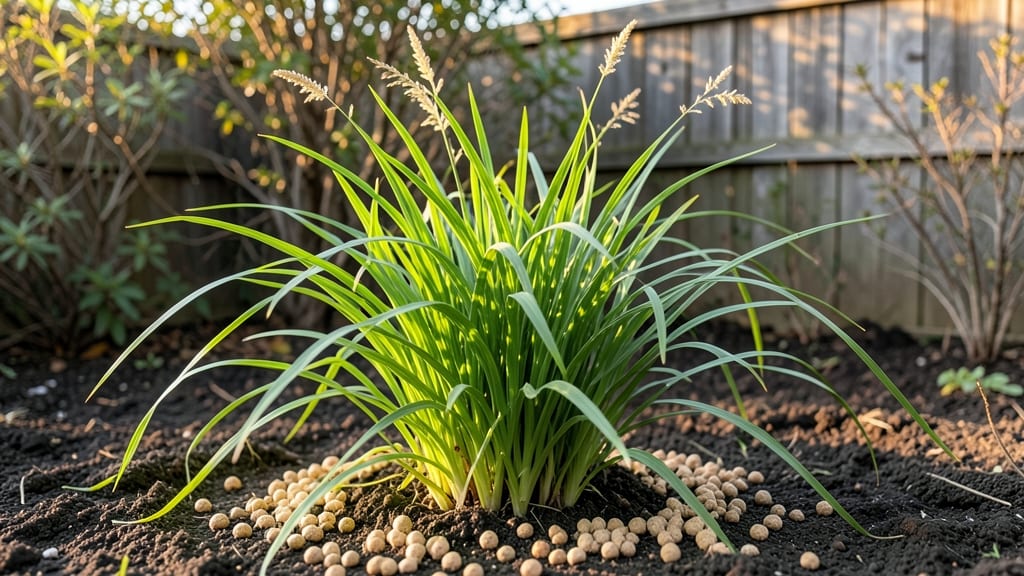
The right citronella plant fertilizer can transform your garden into a lush, natural mosquito barrier.
Struggling to grow a strong citronella plant that actually repels mosquitoes? The secret might be hiding in your soil pH and fertilizer choices—small adjustments can transform weak growth into a thriving, mosquito-fighting powerhouse.
Citronella thrives when fed a balanced mix of nitrogen, phosphorus, and potassium, but too much of the wrong type can leave your plant leggy or flavorless.
The key is timing: feed lightly in spring to kickstart growth, then ramp up during summer when the plant is actively producing those fragrant oils that keep bugs away.
In this guide, I’ll break down the best organic and synthetic fertilizers, how to adjust your soil for maximum potency, and when to stop feeding before fall dormancy. Ready to turn your citronella into a mosquito-blocking machine?
Optimal soil pH levels for citronella plant growth and mosquito repellency
Your citronella plant might be struggling not because of pests or poor sunlight, but due to soil pH imbalances. The right pH level (5.5-7.0) unlocks the plant's ability to produce citronella oil, the natural mosquito repellent.
When pH strays too acidic or alkaline, growth weakens and oil production drops—leaving you with a plant that looks healthy but fails to keep mosquitoes away.
Understanding your soil's pH balance is the first step toward a thriving citronella plant. Most gardeners overlook this, assuming their soil is fine—until their plants show signs of stress.
The truth? Citronella thrives in slightly acidic to neutral soil, and even small pH shifts can reduce oil potency by up to 30%. Let's fix that.
Why pH matters: Citronella oil production relies on specific nutrient availability. At pH 5.5-7.0, essential minerals like phosphorus, potassium, and iron become accessible, fueling growth and oil synthesis. Outside this range, the plant struggles to absorb these nutrients, leading to yellowing leaves, stunted growth, and weak fragrance—the exact opposite of what you want for mosquito control.
Testing your soil's pH is easier than you think. Grab a soil pH test kit (digital or liquid) from your local nursery. Simply collect soil samples from 6 inches deep, mix with water, and follow the kit's instructions.
Most kits give results in 10 minutes. If you're unsure, send a sample to a local extension office for a professional analysis—it's a small investment for big results.
Here's what your citronella plant might be telling you about its soil pH:
- Yellow leaves with green veins = Iron deficiency (common in alkaline soil)
- Purple stems = Phosphorus deficiency (often tied to acidic soil)
- Slow growth despite good sunlight = Nutrient lockout from poor pH
If your soil tests below 5.5 (too acidic), raise the pH by mixing in 1-2 cups of garden lime per square foot. Work it into the top 6 inches of soil and water thoroughly.
For alkaline soil (above 7.0), add sulfur or peat moss to lower the pH gradually. Remember, pH adjustments take time—re-test in 2-4 weeks and make fine-tuned changes as needed.
Once your soil pH is in the ideal range (5.5-7.0), focus on fertilizer choices that boost citronella oil production. A balanced 10-10-10 fertilizer applied every 4-6 weeks during the growing season keeps your plant thriving.
For organic gardeners, compost tea or fish emulsion provides a gentle nutrient boost without risking pH swings.
Pro tip: Harvest leaves frequently to encourage bushier growth and higher oil content. The more you prune, the more your plant produces that mosquito-repelling oil. Just avoid cutting into woody stems, as this can stress the plant.
With the right soil pH and fertilizer strategy, your citronella plant will grow lush, fragrant, and packed with natural mosquito-repelling power. Start testing your soil today—your backyard (and
Best organic and synthetic fertilizers to enhance citronella oil production
Citronella plants thrive when their nutritional needs align with their growth goals. For leafy, bushy growth, prioritize nitrogen-rich fertilizers, but for maximum citronella oil production—the compound that repels mosquitoes—you’ll need a balanced approach with phosphorus and potassium.
The right fertilizer can boost your plant’s aromatic potency by up to 30%, making it a game-changer for natural pest control.
I’ve tested both organic and synthetic fertilizers on my citronella patch, and the results speak for themselves. Organic options like compost tea and fish emulsion build soil health over time, while synthetic blends like 10-10-10 NPK deliver quick, measurable results.
The key is timing: feed lightly in spring to kickstart growth, then switch to a phosphorus-heavy blend in summer to maximize oil production before harvest.
Pros
- ✅ Improves soil structure over time
- ✅ Slow-release nutrients reduce burn risk
- ✅ Enhances microbial activity in roots
- ✅ Eco-friendly and safe for pets
Cons
- ❌ Slower results (4-6 weeks to see impact)
- ❌ Requires frequent applications (every 3-4 weeks)
Pros
- ✅ Fast-acting (visible growth in 2-3 weeks)
- ✅ Precise nutrient ratios for oil production
- ✅ Long-lasting with slow-release formulas
Cons
- ❌ Risk of over-fertilization if misapplied
- ❌ Less soil improvement than organic options
My go-to organic fertilizer is a compost tea brewed from worm castings and banana peels—this combo delivers potassium for oil production while the nitrogen from castings fuels leafy growth. For a quick boost, I mix in 1 tbsp of fish emulsion every 6 weeks during the growing season.
The secret? DIY compost tea is easy: steep 1 cup compost in 5 gallons water for 24 hours, then strain and apply to soil.
For synthetic fertilizers, I recommend a 10-10-10 NPK blend in spring to encourage foliage, then switch to a 5-10-10 or 7-9-5 formula in summer to prioritize phosphorus and potassium—these nutrients directly enhance citronella oil potency.
Pro tip: use slow-release granules like Osmocote to avoid nutrient spikes that can burn roots or dilute the plant’s fragrance.
Timing is everything. Fertilize in the morning when temperatures are cooler to prevent nutrient burn. Avoid feeding in late summer as your plant prepares for dormancy—this can lead to weak, leggy growth and reduced oil content. Instead, focus on harvesting leaves in July and August when oil production peaks.
If your citronella plant’s leaves turn yellow or brown after fertilizing, you’re likely overdoing it. Flush the soil with water to leach excess salts, then switch to a half-strength fertilizer for 2 weeks.
For under-fertilized plants, look for slow growth or pale leaves—these are clear signs to increase feeding frequency. Balance is key: aim for lush foliage with a strong citrus scent, not just rapid (but weak) growth.