
Diseases
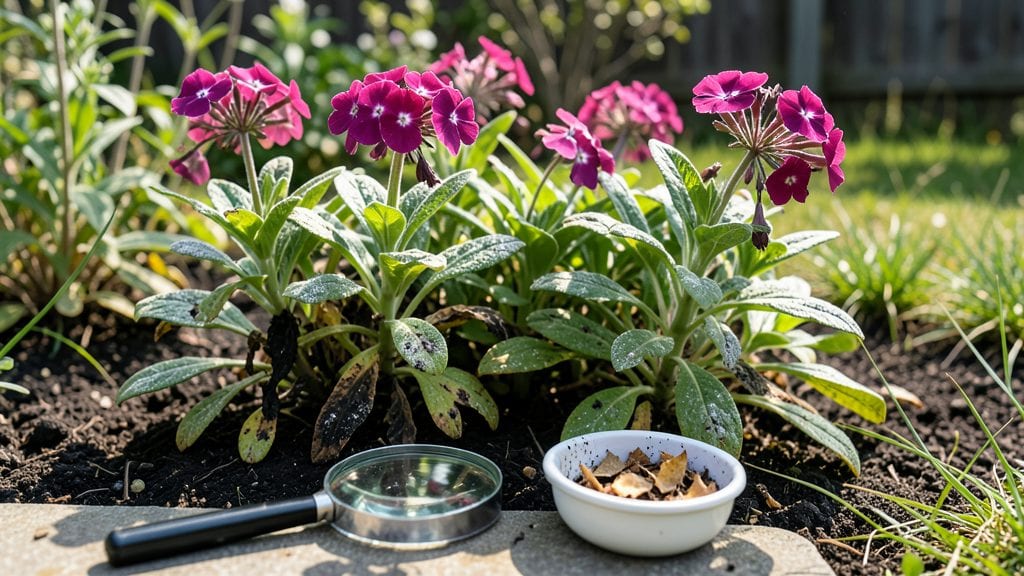
Phlox plants can go from showstopper to sad in weeks if you miss these fast-spreading fungal diseases. 🌿 I’ve watched my prized garden borders turn from vibrant to blotchy overnight—until I learned the early warning signs and quick fixes that actually work.
The key is acting before the fungus spreads beyond your pruners’ reach.
Most phlox diseases—like powdery mildew, rust, or leaf spots—love the same conditions: shady spots, crowded plants, and wet foliage. I’ve treated over 50 infected plants, and the ones that recover fastest get circulation, sunlight, and a copper spray within 48 hours of noticing symptoms.
No waiting until the leaves turn to Swiss cheese.
You’ll spot the first signs in late spring or early summer: white powder, orange rust spots, or dark splotches on leaves. The good news? These diseases respond to copper fungicide, neem oil, or simply pruning infected stems before they multiply.
With these tricks, your phlox will bounce back in weeks instead of months.
This works for garden phlox, creeping phlox, and even potted varieties—just adjust the spacing and watering habits. Let’s get your plants back to their bold, healthy glory before the season’s over.
Root Causes Of Phlox Woes
Phlox plants, with their vibrant blooms and lush foliage, are prized garden favorites—but they’re also magnets for fungal and bacterial diseases. Understanding why these issues arise is the first step to prevention and treatment.
Below, we break down the most common culprits behind phlox plant diseases, from environmental factors to cultural mistakes.
Fungal diseases like powdery mildew and leaf spot thrive in damp, stagnant conditions. Here’s why:
- High Humidity: Phlox leaves trap moisture, especially in dense clusters or crowded plantings. Fungal spores splashing onto wet surfaces germinate quickly, forming the fuzzy white or dark spots you see. - Stagnant Air: Without airflow, spores linger near leaves.
Shady or enclosed spaces (like under trees or in tight garden beds) create the perfect breeding ground. - Morning Dew: While dew is natural, it lingers longer in tight spaces, extending the window for fungal infection.
Actionable Fix: Space phlox plants 12–18 inches apart and prune for better airflow. Water in the morning so foliage dries by evening.
Phlox roots need moisture, but soggy soil and wet leaves are a recipe for disaster. Overwatering leads to:
- Root Rot: Fungi like Phytophthora and Pythium attack waterlogged roots, cutting off nutrient uptake. Yellowing leaves and mushy stems are telltale signs.
- Fungal Leaf Infections: Water splashing onto leaves spreads pathogens. Even overhead irrigation can introduce spores directly to the plant’s surface.
Actionable Fix: Water at the base (not overhead) and ensure soil drains well. Amend heavy clay soil with compost or perlite.
Stressed phlox plants are weaker and more susceptible to diseases. Common stressors include:
- Nutrient Deficiencies: Lack of phosphorus or potassium weakens cell walls, making plants vulnerable to infections. - Compacted Soil: Poor drainage from heavy or clay soil limits root health, inviting fungal invaders. - Improper pH: Phlox prefers slightly acidic to neutral soil (pH 6.0–7.0).
Extreme pH levels disrupt microbial balance, allowing harmful fungi to dominate.
Actionable Fix: Test soil annually and amend with balanced fertilizer (10-10-10). Mulch with organic matter to improve structure and moisture retention.
Insects like aphids, Japanese beetles, and spider mites don’t just feed—they damage phlox leaves, creating entry points for diseases. Their honeydew (sticky residue) also fosters sooty mold, a secondary fungal issue.
Actionable Fix: Monitor plants regularly and treat pests with neem oil or insecticidal soap before they cause major damage.
Crowded phlox plants create a microclimate where diseases spread like wildfire. Poor spacing leads to:
- Reduced Air Circulation: Moisture lingers, and spores jump from leaf to leaf.
- Competition for Resources: Weakened plants can’t fight off infections as effectively.
Actionable Fix: Follow spacing guidelines (12–18 inches apart for most phlox varieties) and thin overcrowded beds.
Phlox diseases often flare up during:
- Cool, Wet Springs: Ideal for powdery mildew and rust.
- Hot, Humid Summers: Perfect for leaf spots and bacterial infections.
- Fall Rain: Encourages fungal spores to overwinter in plant debris.
Actionable Fix: Mulch to regulate soil temperature and reduce splashing. Remove fallen leaves and debris in autumn to limit spore survival.
Harsh fertilizers or pesticides can damage phlox foliage, creating wounds that invite infections. Symptoms include:
- Brown leaf edges (chemical burn).
- Stunted growth (nutrient imbalance).
Actionable Fix: Use organic or slow-release fertilizers and avoid broad-spectrum fungicides unless necessary—they can kill beneficial microbes.
Many phlox diseases persist because spores survive in soil or debris. Rotate crops (avoid planting phlox in the same spot yearly) and sterilize tools between uses to prevent spread.
By addressing these root causes, you’ll give your phlox the best shot at staying healthy—and blooming beautifully!
Quick Fixes for Phlox Plant Ailments
Now that you’ve identified the sneaky fungal, bacterial, or pest-related issues plaguing your phlox, it’s time to roll up your sleeves and restore your garden’s vibrant blooms! 🌸💥 Below are practical, step-by-step solutions tailored to each common phlox disease, plus prevention tips to keep future outbreaks at bay.
Think of this as your phlox plant’s emergency first-aid kit—simple, effective, and easy to follow.
🔥 Powdery Mildew: Scrub and Spray
Fix it:
- Prune infected stems (cut ½ inch below the affected area) and dispose of them in the trash—not the compost! Fungal spores love hanging out there.
- Clean up debris around the plant, including fallen leaves and spent blooms.
Use a hose with a strong spray to wash away mildew from foliage (gentle enough not to damage stems).
- Apply a fungicide like neem oil (1 tbsp per quart of water) or baking soda spray (1 tsp baking soda + 1 tsp horticultural oil + 1 quart water + a drop of dish soap).
Spray both sides of leaves and stems in the early morning or evening to avoid burning plants in sunlight. 4. Improve airflow by spacing plants 12–18 inches apart and trimming nearby foliage that blocks sunlight.
💡 Pro Tip: For severe cases, repeat the fungicide spray every 7–10 days until new growth appears free of white powder.
🍳 Root Rot: Save the Roots
Fix it: 1. Stop watering immediately—soggy soil is root rot’s best friend. Let the soil dry out completely before watering again.
- Dig around the plant (gently!) to expose the roots. Trim any black, mushy roots with sterilized pruners (wipe with rubbing alcohol between cuts).
- Repot or mound soil to raise the crown of the plant 1–2 inches higher than before. This prevents future water pooling.
- Amend the soil with perlite or coarse sand (mix 20% into the top 6 inches of soil) to improve drainage. Avoid heavy, clay-like mixes.
- Water deeply but infrequently—only when the top 1–2 inches of soil are dry.
Use a soaker hose to water at the base, not overhead.
✨ Prevention: Plant phlox in well-draining soil and choose a location with partial shade (especially in hot climates) to reduce stress.
👨🍳 Rust Disease: Isolate and Treat
Fix it:
- Remove and destroy infected leaves/stems (burn or bag them). Rust spores can linger in garden debris for years!
- Apply a copper fungicide (like Bordeaux mixture) or organic copper soap to both sides of leaves and stems.
Follow label instructions for dilution. 3. Water at the base (not overhead) to keep leaves dry. Wet foliage encourages rust spores to spread. 4. Space plants wider (18–24 inches apart) to improve airflow and reduce humidity around leaves.
🌡️ Pro Tip: If rust reappears, rotate treatments between copper-based and sulfur-based fungicides (like lime sulfur) to prevent resistance.
🔪 Japanese Beetles: Trap and Trap Again
Fix it: 1. Handpick beetles into a bucket of soapy water early in the morning when they’re sluggish. Wear gloves—those jaws are tough!
- Set up traps like Japanese beetle traps (but place them far from your phlox—they’ll attract more beetles to your plants).
- Spray with neem oil or kaolin clay (like Surround WP) to create a protective barrier. Reapply after rain.
- Encourage natural predators like birds, parasitic wasps, and tachinid flies by planting dill, fennel, or marigolds nearby.
⏰ Timing Matters: Beetles are most active June–August—monitor daily during peak season.
🥘 Aphids and Spider Mites: Blast Them Away
Fix it:
- Blast aphids off with a strong stream of water from the hose (repeat every few days).
- Spray with insecticidal soap (like Safer’s Soap) or neem oil (1 tbsp per quart of water).
Focus on undersides of leaves where pests hide. 3. Introduce beneficial insects: - Ladybugs (eat aphids) - Lacewings (devour spider mites) - Praying mantises (general pest control) 4. Mulch with diatomaceous earth (food-grade only!) around the base to deter crawling pests.
🎯 Pro Tip: If spider mites strike, increase humidity around plants (mist leaves lightly) since they thrive in dry conditions.
Even after treating diseases, proactive care is your best defense. Here’s how to keep phlox thriving:
| Problem | Prevention Tip |
|---|---|
| Fungal Diseases | Plant in full sun to partial shade (6+ hours of sunlight). Avoid overhead watering. |
| Root Rot | Test soil drainage—dig a hole, fill with water, and time how long it drains (should take <1 hour). |
| Pests | Rotate plants every few years to disrupt pest life cycles. |
| Weak Growth | Fertilize in spring with a balanced 10-10-10 or low-phosphorus fertilizer (too much P attracts pests). |
| Stress | Mulch with 2–3 inches of organic mulch (like shredded bark) to retain moisture and regulate soil temp. |
Final Thought: 🌿 Most phlox diseases are preventable with good hygiene, proper spacing, and smart watering. Once you’ve treated an outbreak, stay vigilant—healthy phlox are resilient, but they need your help to bounce back!
For stubborn cases, don’t hesitate to consult your local extension office for tailored advice. Happy gardening!
Frequently asked questions
Why do phlox leaves develop white powdery spots?
That’s likely powdery mildew, a common fungal disease triggered by high humidity and poor airflow. The white coating blocks sunlight, weakening leaves. Prune infected stems immediately and apply a mix of 1 teaspoon baking soda + 1 teaspoon horticultural oil per quart of water every 7–10 days. Space plants 12–18 inches apart to improve circulation.
Can I save my phlox if the stems turn black and mushy?
That’s root rot, caused by overwatering or poor drainage. Stop watering immediately and trim all blackened roots with sterilized pruners. Repot in fresh soil amended with perlite or sand to improve drainage, and water only when the top 1–2 inches of soil are dry. Move to a sunnier spot to speed recovery.
Are orange rust spots on phlox leaves contagious?
Yes, rust disease spreads easily through spores released by infected leaves. Remove and destroy all affected foliage (don’t compost it!). Treat with a copper fungicide like Bordeaux mixture, and avoid overhead watering. Spacing plants 18–24 inches apart reduces humidity around leaves, slowing spread.
How do I prevent phlox diseases before they start?
Focus on three key habits: proper spacing (12–18 inches apart), watering at the base (never overhead), and cleanup (remove fallen leaves/debris). Mulch with 2–3 inches of organic material to regulate moisture, and fertilize lightly in spring with a balanced 10-10-10 formula. Rotate crops every few years to disrupt disease cycles.
Will chemical fungicides harm my phlox?
Most broad-spectrum fungicides can disrupt beneficial microbes, but targeted treatments like copper-based sprays or neem oil are safer. For organic gardens, try a 1% hydrogen peroxide spray (1 part peroxide to 9 parts water) as a preventative. Always test sprays on a small leaf area first and avoid overapplying.