
Plants
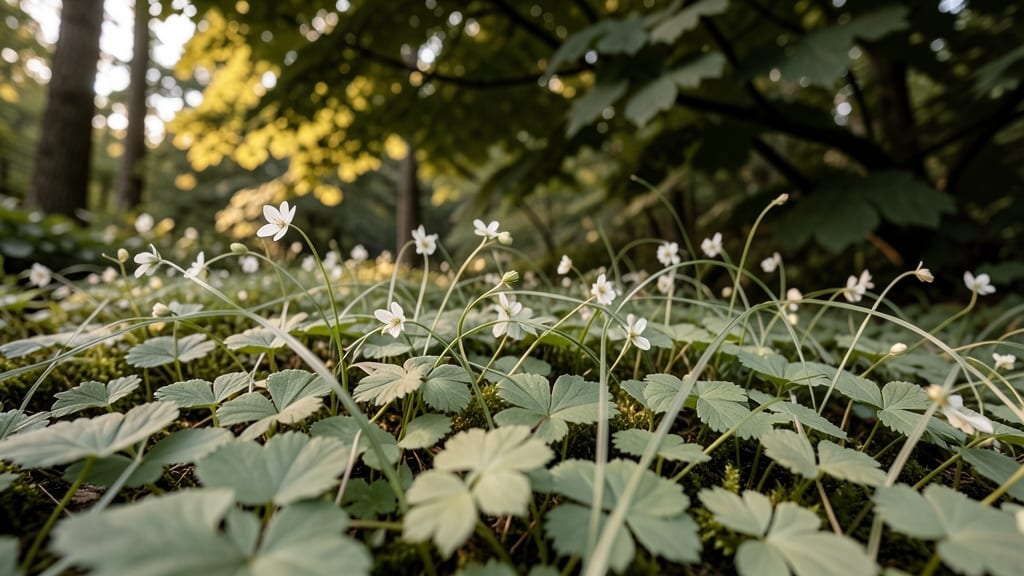
Dogwood trees create stunning focal points in shaded gardens, but pairing them with the right companions elevates their beauty while supporting ecosystem health. These ten shade-tolerant plants enhance color, texture, and pollinator appeal while thriving under dogwood canopies.
Japanese Forest Grass for Soft Movement
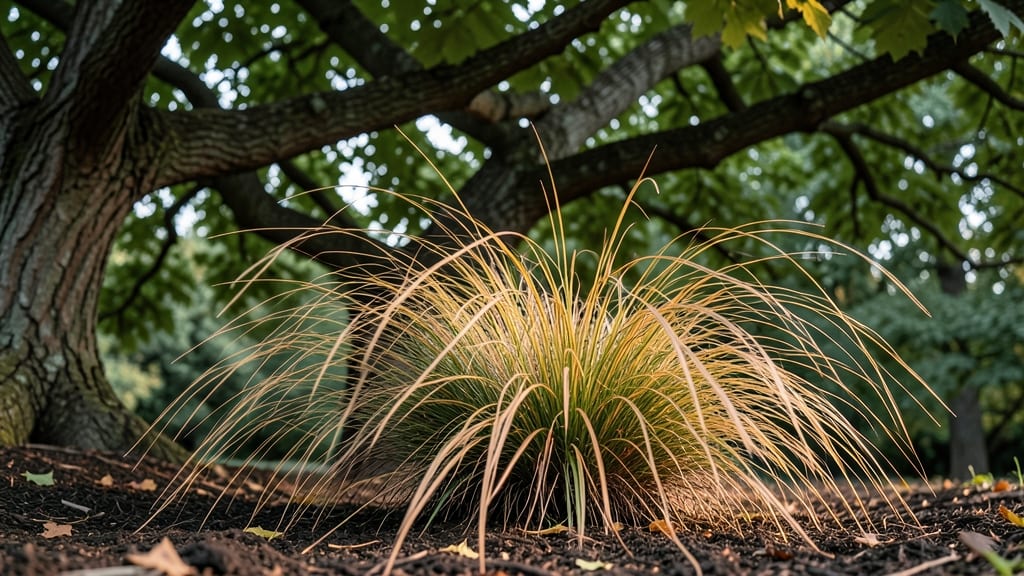
When your dogwood’s sturdy branches need a gentle counterpoint, Japanese forest grass (Hakonechloa macra) delivers ethereal movement and golden fall color—like a whisper of wind through a woodland. This clumping ornamental grass thrives in partial shade, making it a perfect understory partner that sways even in light breezes, creating dynamic contrast against dogwood’s rigid structure.
Plant it in moist, well-drained soil and watch its cascading blades turn buttery gold in autumn, extending seasonal interest long after dogwood’s blooms fade. Varieties like 'Aureola' or 'All Gold' reach 12-18 inches tall, ideal for spilling over container edges or framing borders. Its low-maintenance nature and deer resistance make it a dream for shaded gardens.
Urban gardeners and woodland-style designers will love how this grass softens hard edges while adding texture—no pruning required beyond occasional trimming in early spring. 🌿
Hosta Varieties for Year-Round Interest
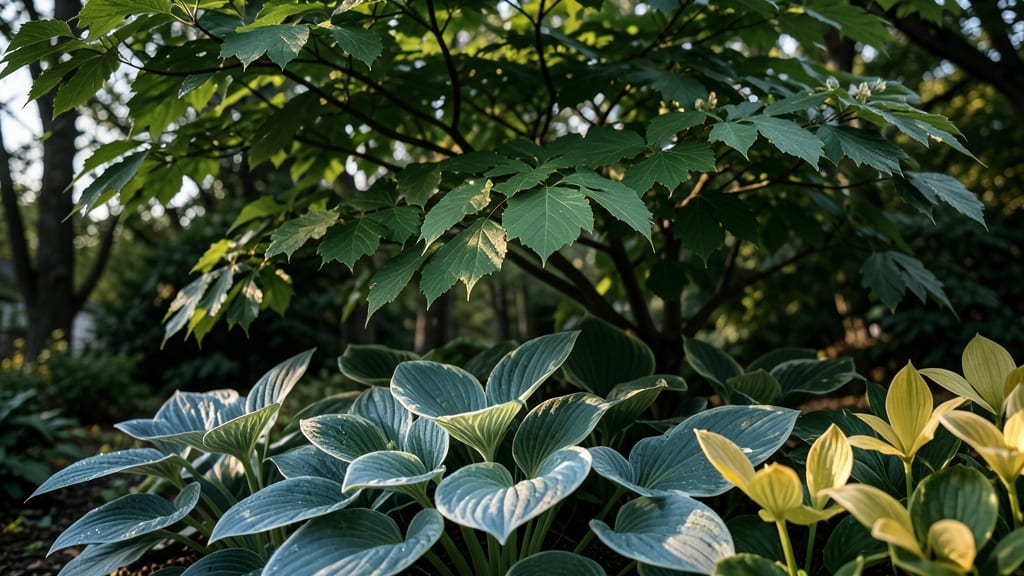
If you love lush foliage but struggle with finding plants that thrive under dogwood’s dense canopy, hostas are your secret weapon. Their striking blue, gold, or variegated leaves add vibrant contrast to shaded areas where other plants fade. The key is selecting compact varieties like ‘Blue Angel’ or ‘Halcyon’—perfect for tight spaces between dogwood roots.
Hostas flourish in low-light conditions and even appreciate dappled shade, making them ideal understory companions. Their broad leaves create a lush, textured carpet that complements dogwood’s vertical structure. For year-round appeal, choose varieties with late-season interest, like those with golden foliage that glows in autumn light.
Urban gardeners and beginners will appreciate hostas’ low-maintenance nature—just keep them consistently moist and mulch to protect their crowns. Their ability to thrive where others struggle makes them a must-have for shaded gardens. 🌿
Ferns for Lush Green Backdrops
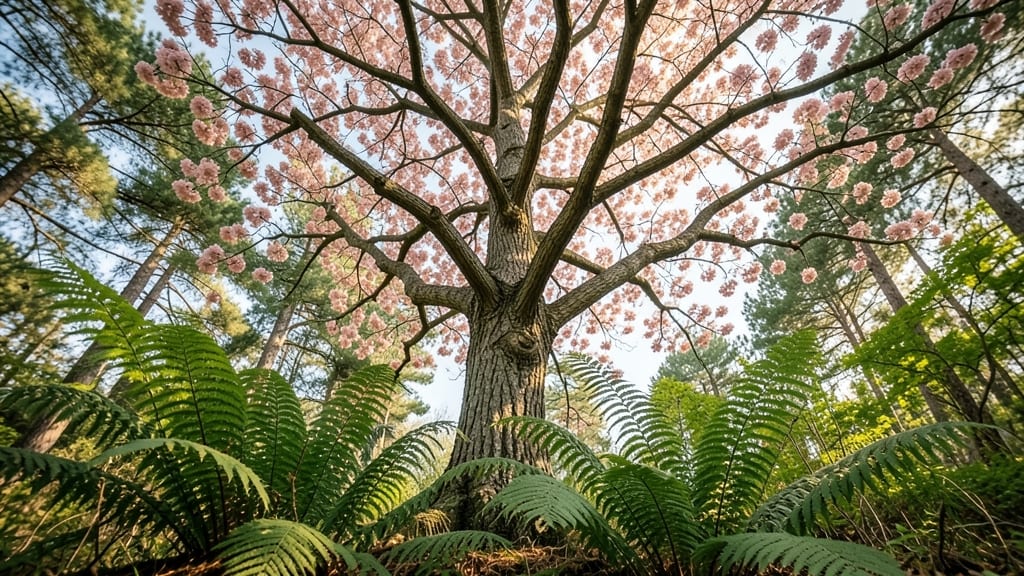
Want to transform your dogwood’s stark bark and delicate blooms into a lush, forest-like tapestry? Ferns are the secret weapon for adding soft, feathery texture that frames your tree’s structure beautifully. Their arching fronds create depth while keeping the focus on dogwood’s standout features.
For maximum impact, plant maidenhair ferns (for fine, lace-like foliage) or ostrich ferns (for bold, architectural fronds) at the base of your dogwood. These varieties thrive in the consistently moist, shaded conditions dogwoods provide—just mimic their natural woodland habitat by keeping soil evenly damp (but not soggy). A 2-3 inch layer of mulch will help retain moisture while suppressing weeds.
This pairing is especially rewarding for gardeners who love low-maintenance, high-impact solutions. Ferns require minimal pruning, bloom reliably, and their evergreen foliage keeps interest year-round—making them the perfect backdrop for your dogwood’s seasonal changes. 🌿
Bleeding Heart for Spring Bloom
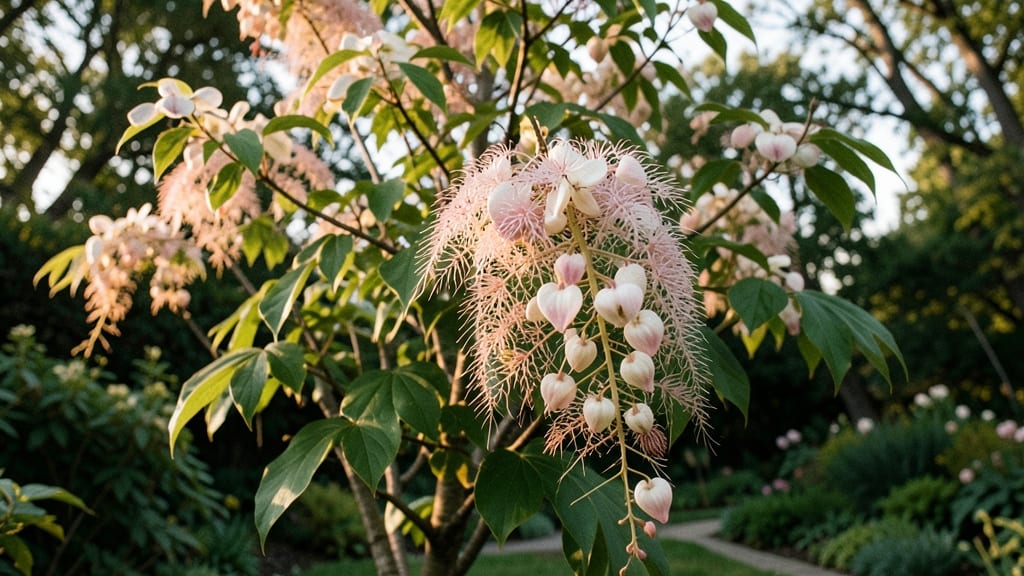
When your dogwood’s spring blooms begin to fade, bleeding heart (Dicentra spectabilis) swoops in to take center stage. This romantic perennial produces delicate, heart-shaped flowers in soft pink or white hues that cascade like a waterfall, creating a dreamy contrast to dogwood’s bold white bracts.
Plant it where it receives partial shade and moist, well-drained soil—the same conditions your dogwood thrives in. Its lush foliage also stays attractive even after flowering, providing a lush green backdrop. For best results, divide clumps every 3-4 years to maintain vigor and encourage more abundant blooms.
This plant is a must-have for cottage gardens or woodland-style beds, offering effortless elegance with minimal care. Pair it with ferns or hostas for a layered, textured look that keeps your garden vibrant long after dogwood’s show ends. 🌷
Heuchera for Colorful Ground Cover
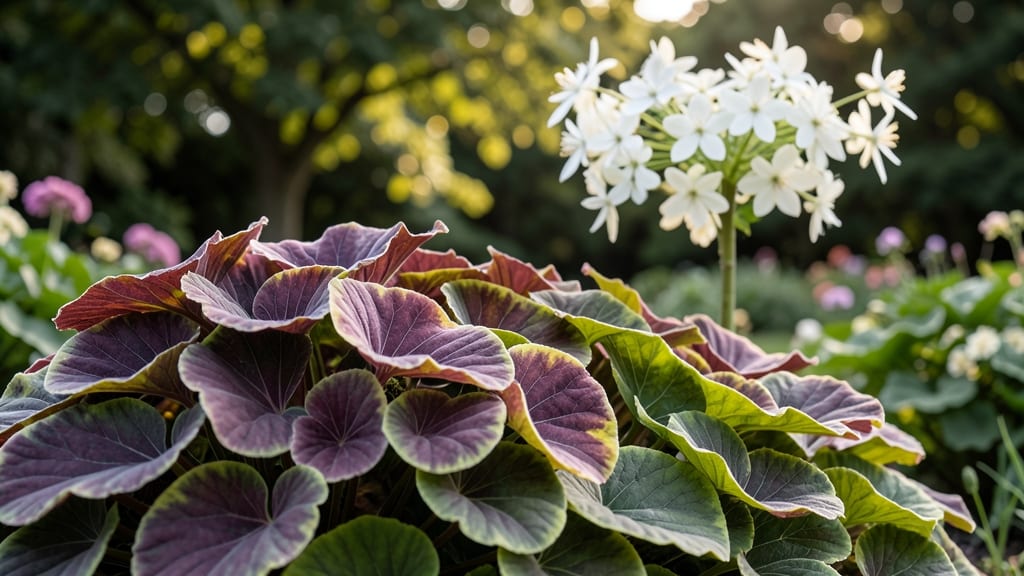
If you want year-round color without the fuss of seasonal flowers, heuchera (also called coral bells) is your secret weapon. Its striking foliage—ranging from deep purple to silvery lime—creates a bold contrast against dogwood’s delicate white blooms, making it perfect for edging or mass planting.
This drought-tolerant perennial thrives in partial shade and needs minimal maintenance once established. Varieties like ‘Palace Purple’ or ‘Lime Rickey’ add vibrant pops of color that brighten shaded spots, while their compact size keeps them tidy. Plant them in clusters to create a stunning, low-maintenance ground cover.
Gardeners with busy schedules or dry shade will love how heuchera delivers bold foliage with almost no effort—ideal for modern or cottage-style gardens alike. 🌻
Astilbe for Airy Summer Plumes
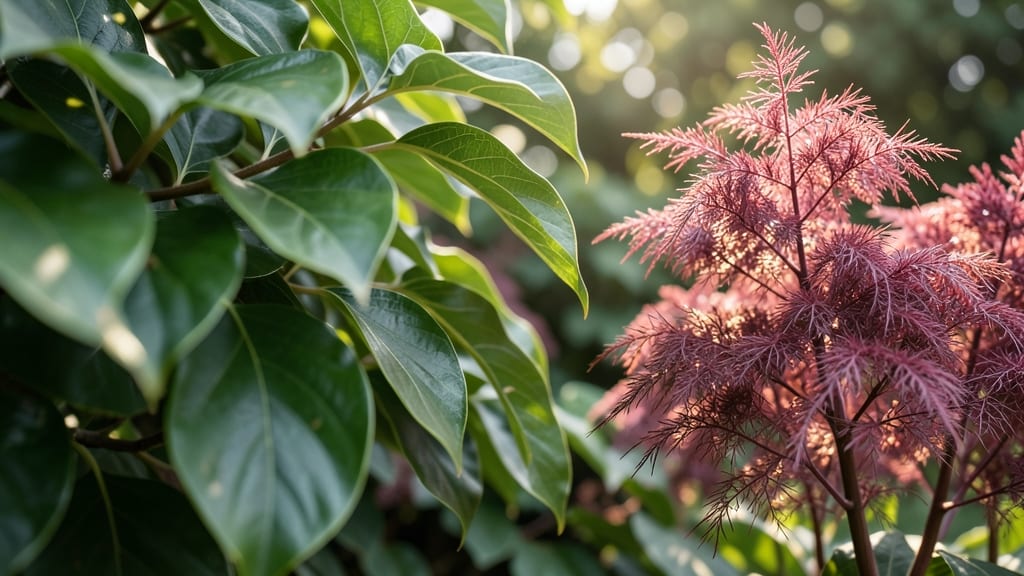
When your dogwood’s spring blooms begin to fade, astilbe steps in to steal the show with its delicate, feathery plumes. This perennial creates a soft contrast to the bold, broad leaves of dogwood, adding a dreamy texture that feels like a whisper of summer magic.
Choose varieties like ‘Fanal’ (deep red) or ‘Bridal Veil’ (white) for dramatic color pops, and plant them in moist but well-drained soil—they’ll reward you with blooms from early to mid-summer. Astilbe thrives in partial shade, making it a perfect understory partner that complements dogwood’s moisture-loving nature without competing for space.
Gardeners with shady spots will love how astilbe fills seasonal gaps, while pollinators adore its nectar-rich flowers. It’s the ideal way to keep your garden lively long after dogwood’s peak blooming season. ✨
Lungwort for Medicinal Beauty
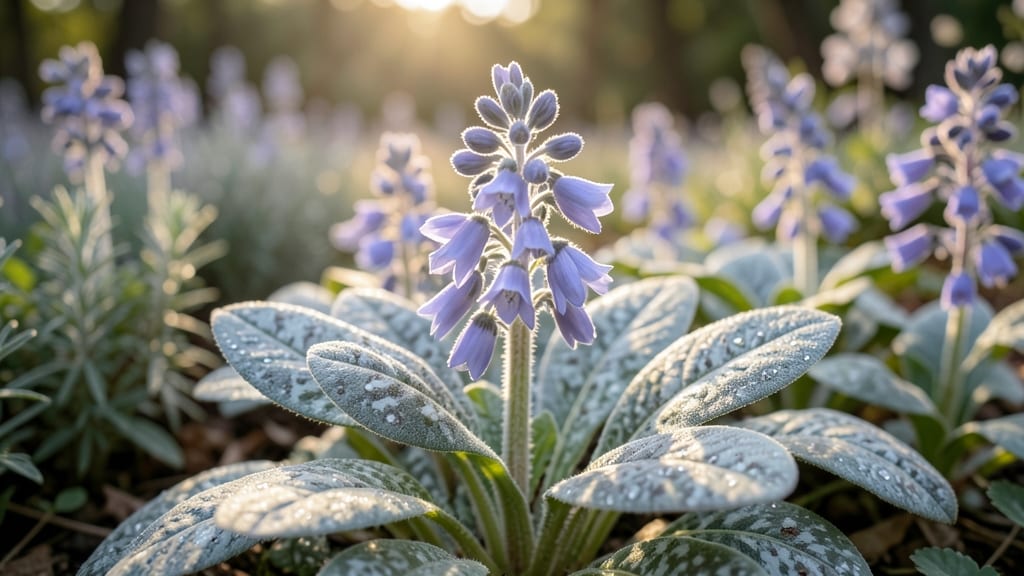
Looking for a plant that blends medicinal history with striking beauty? Lungwort (Pulmonaria) delivers both—its silvery-spotted leaves and delicate lavender-blue flowers create a cottage-garden charm while supporting pollinators like bees and butterflies.
This perennial workhorse thrives in partial to full shade, making it perfect for understory planting near dogwoods. Its foliage even shifts color from silver to green as seasons change, adding dynamic interest. Historically, lungwort was used in herbal remedies for respiratory health, though modern gardeners value it more for its low-maintenance nature and pollinator-friendly blooms.
Ideal for shaded borders or woodland gardens, lungwort pairs beautifully with dogwoods while requiring minimal care—just keep soil moist and mulch to retain humidity. A must-have for herbalists and pollinator enthusiasts alike! 🌿
Coral Bells for Season-Long Color
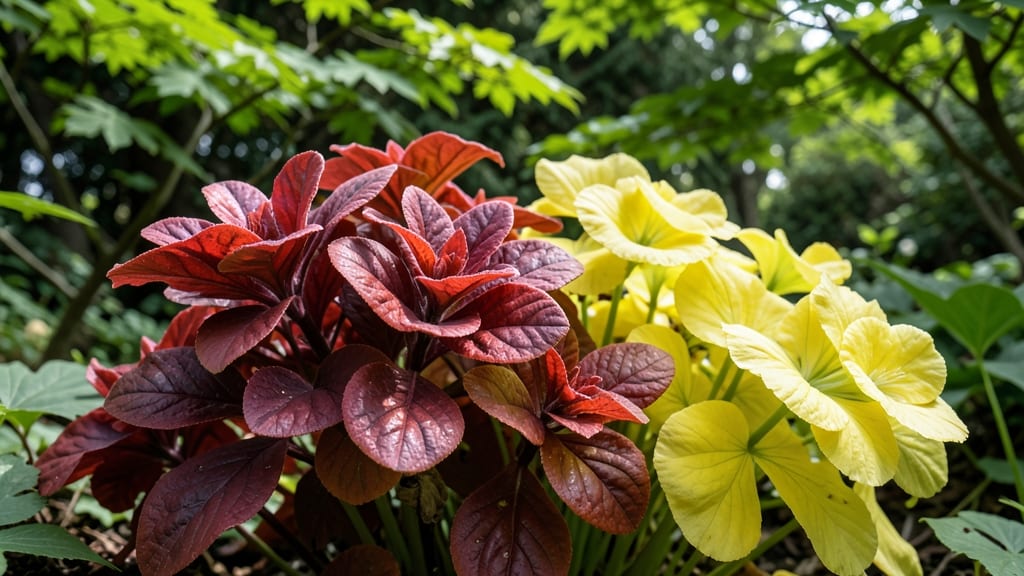
Tired of seasonal gaps in your shaded garden? Coral bells (Heucherella) deliver year-round visual drama with foliage that pops from spring through fall, filling the quiet months between dogwood blooms. Their bold, velvety leaves in shades like 'Fireworks' red or 'Lime Rickey' yellow create striking contrasts against dogwood's delicate white flowers.
These shade-lovers thrive in partial to full shade, making them perfect for containers near dogwoods where other plants might struggle. Varieties like 'Berry Smoothie' offer deep purple foliage that deepens in color as temperatures drop, while 'Palace Purple' provides fiery red blooms that catch the eye when dogwood's season winds down. With minimal care—just consistent moisture and well-draining soil—you'll enjoy months of vibrant color with almost no maintenance.
Urban gardeners and small-space enthusiasts will love how coral bells bring big impact to tight spots, while cottage gardeners can use them to create lush, layered borders. Their pollinator-friendly flowers also make them a functional addition to any shade garden. 🌟
Solomon’s Seal for Architectural Height
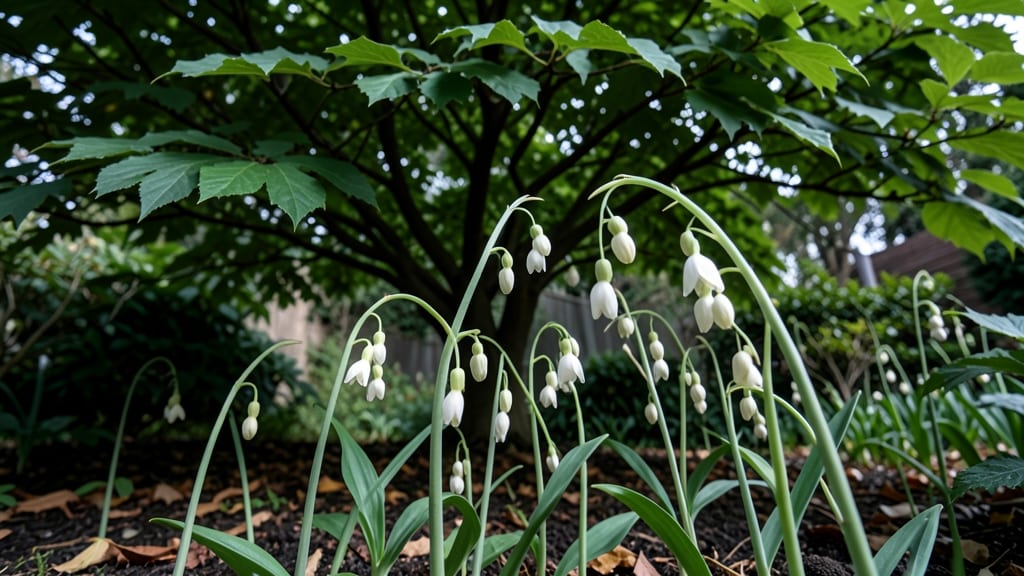
When your dogwood’s branches dominate the mid-height space in your garden, Solomon’s Seal (Polygonatum) is the graceful solution you’ve been missing. Its arching, bamboo-like stems (up to 3 feet tall) create natural vertical lines that draw the eye upward, while dangling clusters of bell-shaped white flowers add delicate contrast to dogwood’s bold structure.
This deer-resistant perennial thrives in partial to full shade, making it ideal for understory planting where other shade-lovers might struggle. Plant it in well-drained, moist soil—it tolerates dry spells once established—and watch its semi-evergreen foliage provide year-round interest. For maximum impact, group 3-5 plants in a loose cluster near your dogwood’s trunk.
Perfect for gardeners who love low-maintenance perennials with architectural flair, Solomon’s Seal pairs beautifully with ferns and hostas while requiring minimal pruning. Its late spring blooms extend your garden’s season, offering a quiet elegance that complements dogwood’s showier display. 🌟
Sweet Woodruff for Fragrant Ground Cover

If you love the idea of a garden that smells as good as it looks, sweet woodruff is your secret weapon. This delicate ground cover releases a vanilla-like fragrance when brushed or crushed—perfect for adding sensory delight to shaded areas where dogwoods thrive.
Forming dense, weed-suppressing mats, sweet woodruff thrives in dry shade, making it ideal for underplanting dogwoods without competing for moisture. Its star-shaped white flowers in spring provide subtle beauty, while its low-growing habit keeps it unobtrusive. Simply scatter seeds or divide plants in early spring for effortless coverage.
This is the perfect choice for gardeners who want low-maintenance, fragrant ground cover that reduces irrigation needs and adds a whimsical touch to woodland gardens. 💚