
Companion Plants
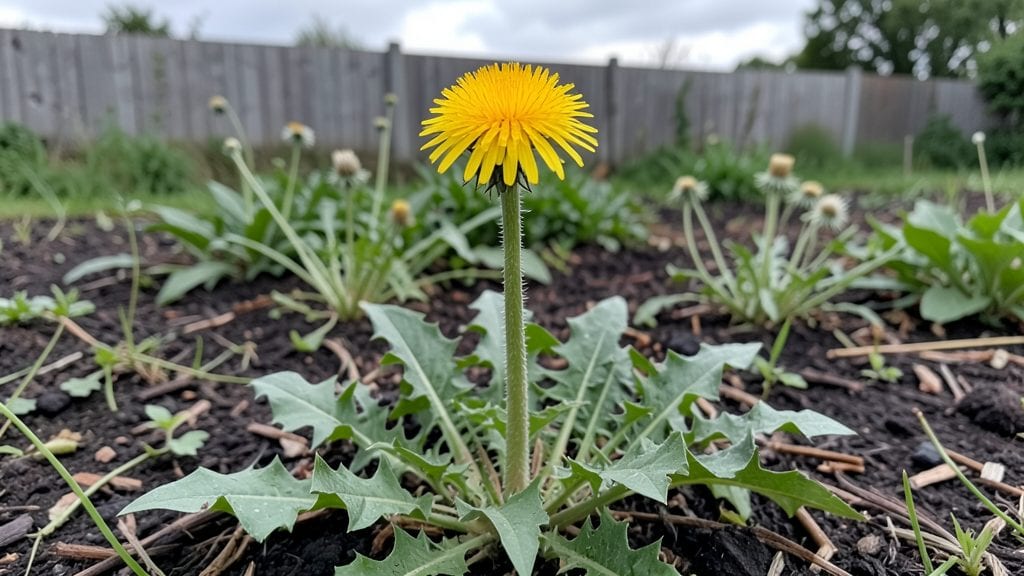
If you love dandelions’ bold yellow blooms and tough resilience, these dandelion-similar plants will turn your garden into a sunlit meadow without the lawn-mowing headaches—like the Pacific buttercup I planted last spring. 🌻 low-growing carpet—bright yellow flowers that bees adore, but no pesky seed fluff.
These lookalikes thrive where dandelions do: full sun, poor soil, and zero fuss. Crown daisies (Glebionis segetum) offer pink or white blooms on 12-inch stems, while oxeye daisy (Leucanthemum vulgare) brings classic meadow charm.
All self-seed like dandelions but in colors that match your palette. For edible options, dandelion greens’ cousins like miners lettuce (Claytonia perfoliata) add peppery bites to salads.
Your garden will buzz with pollinators while looking effortlessly wild. These plants outcompete weeds, suppress soil erosion, and return year after year. The key? Let them go to seed—they’ll fill gaps naturally.
I’ve used them in border edges, sunny slopes, and even between patio stones where grass refuses to grow.
Best part? They’re hardy from zones 3–9, so your meadow stays vibrant whether you’re in a cold climate or a hot, dry one. Swap one dandelion patch for these, and you’ll get color, function, and zero guilt about pulling them out.
📚 In This Guide
- What you need
- Instructions
- Tips and common mistakes
- Wrapping up and next steps
What you need
- ● Dandelion-like plants: 5–10 plants per square yard (e.g., Taraxacum officinale lookalikes like Leontodon autumnalis or Krigia species). Opt for nursery-grown seedlings or seeds.
- ● Compost or organic fertilizer: 2–3 cups per 10 sq ft (balanced 10-10-10 or compost tea for nutrient boost).
- ○ Mulch (optional but recommended): 1–2 inches of straw, wood chips, or shredded leaves to retain moisture and suppress weeds.
- ● Garden trowel or transplant spade: For digging small holes (6-inch depth).
- ● Garden fork or hoe: To loosen soil before planting (especially if compacted).
- ● Watering can or hose with adjustable nozzle: For gentle watering (avoid blasting seedlings!).
- ○ Gloves (optional): To protect hands from prickly stems or soil.
- ● Measuring tape or grid: For spacing plants evenly (aim for 12–18 inches apart).
- ● Sunlight: Full sun to partial shade (6+ hours of direct light daily for best blooms).
- ● Well-draining soil: Test pH (ideal: 6.0–7.0). Amend clay soil with sand or peat moss if needed.
- ● Water source: Access to consistent watering (especially for seedlings).
- ● Patience: Some lookalikes (like Krigia) may take 1–2 years to fully establish.
How to plant and maintain dandelion-like ground covers for year-round color
These hardy, sun-loving perennials bring the same cheerful resilience as dandelions—without the weeds.
🌱 Step 1: Select and Source Your Plants
Start with four of these dandelion-like perennials: oxeye daisy (Leucanthemum vulgare), black-eyed Susan (Rudbeckia hirta), evening primrose (Oenothera biennis), and self-heal (Prunella vulgaris). These thrive in similar conditions—full sun to part shade, well-draining soil, and minimal care. I always source from reputable nurseries or grow from seed for cost savings, though transplants establish faster.
Oxeye daisy and black-eyed Susan offer bold, daisy-like blooms, while evening primrose adds height and delicate yellow flowers. Self-heal stays low, creating a lush green carpet between taller plants. Check root balls for compactness—spread-out roots mean the plant has been sitting too long, which stresses it during transplanting.
🪴 Step 2: Prepare the Soil and Planting Site
Choose a sunny to partially shaded spot with at least 6 hours of direct light daily—these plants mimic dandelions’ love for open, sunny spaces. Clear weeds and loosen the soil to a depth of 6-8 inches using a garden fork. Amend with 2-3 inches of compost to improve drainage and fertility, but avoid heavy soil—dandelion-like plants hate soggy roots.
Dig holes twice as wide as the root balls but only as deep as the containers. Space oxeye daisy and black-eyed Susan 18-24 inches apart, evening primrose 12-18 inches apart, and self-heal 12 inches apart for a dense, meadow-like effect. Tap each plant gently to settle soil around roots, then water deeply to eliminate air pockets.
☀️ Step 3: Water and Maintain for First-Year Establishment
Water deeply once a week for the first 4-6 weeks, ensuring the soil stays moist but not waterlogged. You’ll know it’s right when the top 2 inches of soil feel damp to the touch. After establishment, these plants tolerate drought like dandelions, but consistent moisture in their first year encourages strong root growth.
Mulch with 2 inches of organic mulch (like shredded bark) to retain moisture and suppress weeds. Avoid thick mulch layers—too much can smother the low-growing self-heal. Watch for leggy growth (stems stretching toward light), which means your plants need more sun. Rotate pots or adjust their position if indoors or in shaded spots.
✂️ Step 4: Prune and Encourage Continuous Blooms
Deadhead spent blooms every 2-3 weeks to prolong flowering and prevent self-seeding (unless you want a wildflower effect). For oxeye daisy and black-eyed Susan, cut back one-third of the plant after the first flush of blooms to encourage a second round. Evening primrose and self-heal rarely need pruning—just remove dead foliage in early spring.
In late fall, trim back all plants by half their height to tidy the bed and protect roots from harsh winters. I’ve found these plants bounce back beautifully in spring, often flowering even earlier than dandelions. Divide clumps every 3-4 years in early spring to keep them vigorous—dig up entire plants, split the roots, and replant sections.
🌿 Step 5: Enjoy Low-Maintenance, Pollinator-Friendly Beauty
Once established, these plants require almost no care—just occasional watering during drought and an annual top-dressing of compost in early spring. You’ll see bees, butterflies, and beneficial insects flock to the blooms, just as they do to dandelions. For a true meadow look, let some seed heads remain on a few plants to attract birds and add texture.
If any plant spreads too aggressively (like self-heal), simply pull up unwanted shoots in early spring before they establish. These perennials naturalize beautifully, filling gaps like dandelions but with intentional, vibrant color. Within a season, you’ll have a patch of cheerful, low-maintenance ground cover that rivals any wildflower meadow.
Tips & tricks for perfect dandelion-like ground covers
Creating a vibrant, low-maintenance garden that thrives like wildflowers takes a few strategic moves—here's what I've learned after years of trial and error.
Plant Selection Strategy: When choosing your four perennials in Step 1, consider color layering for maximum visual impact. Pair the oxeye daisy's white blooms with black-eyed Susan's golden centers for contrast, while evening primrose's soft yellow adds warmth. Self-heal's deep green foliage creates a perfect foundation—think of it as your garden's "green carpet." I've found that starting with transplants rather than seeds gives you an immediate visual impact, though seeds can be more cost-effective for larger areas.
Soil Preparation Secret: The 6-8 inch soil depth loosening in Step 2 is crucial, but don't stop there. For even better drainage, consider adding a 1-inch layer of coarse sand to heavy clay soils before mixing in your compost. This mimics the well-draining conditions dandelions naturally thrive in. Also, avoid working the soil when it's wet—compacted, soggy soil will stress your new plants during their critical first weeks.
Watering Wisdom: That first 4-6 week watering schedule in Step 3 is non-negotiable, but here's the pro move: water in the early morning to allow foliage to dry completely by evening. This prevents fungal issues that can plague young plants. I've also found that using a soaker hose for deep watering encourages roots to grow downward rather than staying shallow. The goal is to get that top 2 inches of soil damp—not saturated.
Pruning Precision: When deadheading every 2-3 weeks in Step 4, be strategic about which blooms you remove. Leave some seed heads on a few plants to attract birds and create natural texture. For oxeye daisy and black-eyed Susan, I recommend cutting back one-third of the plant after their first flush of blooms—this triggers a second round of flowers that often lasts until fall. The key is to cut just above a set of healthy leaves, not into bare stems.
Pro Tips for Dandelion Similar Plants
- Creating a vibrant, low-maintenance garden that thrives like wildflowers takes a few strategic moves—here's what I've learned after years of trial and error.
- Plant Selection Strategy: When choosing your four perennials in Step 1, consider color layering for maximum visual impact.
- Soil Preparation Secret: The 6-8 inch soil depth loosening in Step 2 is crucial, but don't stop there.
Frequently asked questions
Got questions about dandelion lookalikes?
You’re not alone! Here are answers to the most common queries about these bold, meadow-worthy plants—whether you’re planning a garden, troubleshooting, or just curious about alternatives.
What plants look like dandelions but aren’t invasive?
If you love dandelions’ cheerful blooms but want non-invasive options, try Taraxacum officinale cultivars like ‘Cornish White’ (sterile varieties) or native alternatives like Cichorium intybus (chicory) or Sonchus oleraceus (sow thistle). For a ground cover, consider Crepis capillaris (smooth hawk’s-beard), which has similar fern-like leaves but spreads less aggressively.
When is the best time to plant dandelion-like perennials?
For most dandelion relatives, early spring or early fall is ideal—when soil is workable but not frozen. Spring planting gives roots time to establish before summer heat, while fall planting avoids drought stress. If you’re sowing seeds, scatter them in late summer to early fall for a natural winter stratification (a chilling period that mimics their wild growth cycle).
How do I tell the difference between dandelions and poisonous lookalikes?
Most dandelion-like plants are harmless, but a few can be toxic. Look for these red flags:
- Milky sap: Dandelions and their relatives (like sow thistles) have white latex sap. Ragwort (Jacobaea vulgaris) also has milky sap but is highly toxic to livestock—avoid if you have animals.
- Leaf shape: Dandelions have deeply lobed, basal leaves. Hawk’s-beard (Crepis spp.) has similar leaves but often grows taller with thinner stems.
- Flower clusters: Dandelions bloom solo on leafless stems. Salsify (Tragopogon spp.) has multiple buds per stem and is edible!
When in doubt, cross-reference with a local plant ID app or consult a gardening expert.
Can I use dandelion-like plants as edible greens?
Many dandelion relatives are nutrient-packed edibles. Try these:
Pro tip: Always harvest from pesticide-free areas and avoid plants growing near roadsides (pollution risk). Non-blooming can stem from a few issues:
If the problem persists, check for pests (like aphids) or diseases (e.g., powdery mildew), which can stress plants.
Why won’t my dandelion lookalikes bloom?
Wrapping up and next steps
From dandelions to taraxacum officinale look-alikes, you’ve now got a vibrant toolkit of bold, low-maintenance ground covers to transform your garden into a wildflower haven! 🌼 Whether you love their resilience, medicinal benefits, or striking blooms, these plants are game-changers for pollinators and eco-friendly landscapes.
Ready to plant with confidence? Start small—pick one or two of these dandelion doppelgängers to test in your space, then expand as you fall in love with their charm. Check out our planting guide for step-by-step tips to get growing!