
Companion Plants
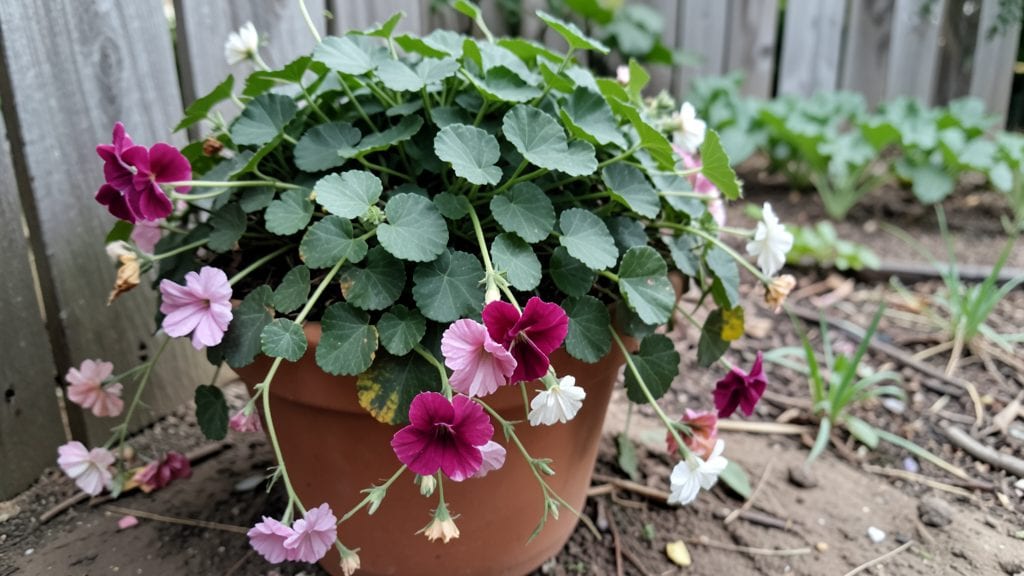
Those jungle geranium plants bring that shockingly lush tropical vibe to any garden or patio—fragrant leaves, velvety foliage, and flowers that last for months. 🌿 I first fell for them when I spotted their deep green, crinkled leaves at a nursery and couldn’t resist bringing one home.
Unlike their delicate cousins, these thrive in heat and dry spells, making them the perfect low-maintenance star for busy gardeners.
The secret to their success is simple: well-draining soil, bright but indirect light, and occasional watering—never soggy roots. They’re happy in containers or garden beds, and their scent (like minty citrus) gets stronger with sunlight.
Prune leggy stems in spring to keep them compact, and you’ll have bushier plants with even more blooms by summer.
By summer’s end, you’ll have a plant that’s drought-proof, fragrant, and packed with color—no fuss required. They even overwinter indoors with minimal care, so your jungle geranium can be a year-round showstopper. Ready to grow one that outlasts every other geranium in your neighborhood?
Here’s the thing—these plants are forgiving, but they do have a few quirks. Leggy growth? Too little light. Wilting? Probably overwatering. But once you get the hang of it, they’ll reward you with bold, glossy leaves and nonstop blooms that turn heads. Let’s get yours growing!
📚 In This Guide
- What you need
- Instructions
- Tips and common mistakes
- Wrapping up and next steps
What you need
- ● Jungle geranium plants: 1–3 plants (purchased from nurseries, online retailers, or propagated from cuttings)
- ● Tip: Choose healthy plants with vibrant foliage and no signs of pests (💡 Pro Tip: Look for Pelargonium species like P. graveolens or P. tomentosum for the best fragrance!)
- ● Well-draining potting mix: 1–2 gallons (for 6-inch pots) or 5–10 gallons (for in-ground planting)
- ● Specs: Mix 50% cactus/succulent soil + 30% perlite/pumice + 20% compost for optimal drainage.
- ○ Containers (optional but recommended): 6–12-inch pots with drainage holes (1–3 pots, depending on plant size)
- ● OR raised beds (if planting multiple jungle geraniums)
- ● Garden trowel or small shovel (for transplanting)
- ● Pruning shears (sterilized with rubbing alcohol)
- ● Watering can or hose with a gentle spray nozzle
- ○ Gloves (optional, for handling prickly stems)
- ○ pH testing kit (optional, to check soil acidity—jungle geraniums prefer 6.0–7.0)
- ● Sunlight: 6+ hours of direct sun daily (or bright, indirect light for indoor plants)
- ● Climate: Thrives in USDA Zones 10–11; protect from frost (below 32°F/0°C)
- ● Watering schedule: Drought-tolerant but water when soil is dry to the touch (overwatering = root rot!)
- ○ Fertilizer (optional): Balanced 10-10-10 or 20-20-20 liquid fertilizer (diluted to half-strength)
- ● Apply every 4–6 weeks during growing season (spring–fall)
How to grow jungle geraniums with fragrance and drought resistance
These tropical beauties thrive with minimal fuss—here's how to coax their bold scent and lush foliage.
🌱 Step 1: Choose the Right Spot for Sun and Shelter
Jungle geraniums crave morning sun and afternoon shade—think dappled light under tall trees or a bright east-facing window. I place mine where they get 3-5 hours of direct sun daily, then filter light the rest of the day. Too much harsh afternoon sun scorches their delicate leaves, while too little shade makes them stretch leggy.
They also appreciate protection from strong winds. If growing outdoors, position near a fence or wall that blocks gusts. In containers, place them where they won't get jostled. The key is mimicking their native understory habitat—bright but not baking, sheltered but not stagnant.
🪴 Step 2: Plant in Well-Draining Soil with Organic Matter
Use a mix of 50% potting soil and 50% perlite or coarse sand to prevent soggy roots. Jungle geraniums despise wet feet—amend heavy garden soil with compost to improve drainage. In containers, ensure pots have drainage holes and use a lightweight mix that dries between waterings.
When planting, bury the crown just below soil level. Press gently around the base to eliminate air pockets, but don't compact the soil. The roots need room to breathe. I like to add a handful of worm castings at planting time for slow-release nutrients—they love that organic boost.
💧 Step 3: Water Deeply but Infrequently
Water when the top 1-2 inches of soil feel dry—stick your finger in to check. Jungle geraniums store water in their stems, so they prefer drought-like conditions between drinks. Overwatering causes root rot faster than underwatering. When watering, soak the soil until it runs out the drainage holes, then let it dry completely before the next session.
Mulch with 1 inch of bark chips or shredded leaves to retain moisture and regulate soil temperature. This helps prevent the soil from drying too quickly in hot weather. I water mine in the morning so leaves have time to dry before evening—preventing fungal issues is key with these tropical beauties.
✂️ Step 4: Prune to Encourage Bushy Growth and Fragrance
Pinch back the tips of new growth when stems reach 4-6 inches tall to encourage branching. This creates a fuller, more fragrant plant. I also trim any leggy stems that stretch toward the light—these rarely produce flowers and weaken the plant. Use clean, sharp scissors to make cuts just above a leaf node.
Deadhead spent blooms regularly to redirect energy into new flowers and foliage. The more you prune, the bushier and more aromatic the plant becomes. I like to do a heavier pruning in early spring to refresh growth—cut back about one-third of the plant to stimulate fresh, vigorous shoots.
☀️ Step 5: Provide Seasonal Care for Year-Round Growth
In summer, jungle geraniums love humidity. Mist leaves occasionally or place the pot on a tray of pebbles with water to increase moisture around the plant. They'll thank you with glossier leaves and more blooms. In winter, reduce watering slightly but keep the soil just barely moist—they're semi-dormant but not completely.
Fertilize lightly every 4-6 weeks during growing season with a balanced 10-10-10 formula. Too much fertilizer causes weak growth and fewer flowers. I use half-strength solution to be safe. Overwintering plants need no fertilizer until spring. The secret to happy jungle geraniums is patience—let them grow at their own pace and they'll reward you with fragrance and beauty year after year.
Tips & tricks for perfect jungle geranium plants
These tropical beauties reveal their secrets when you understand their subtle needs—here's what nobody tells you about nurturing their bold fragrance.
Lighting Secret: The 3-5 hours of morning sun is non-negotiable for that signature jungle fragrance, but here's the thing: if your afternoon light is intense, consider using sheer curtains to diffuse it. I've seen geraniums go from vibrant to crispy in hours when exposed to harsh afternoon rays. Think of it like giving them a spa day—bright but not baking.
Soil Intelligence: That 50-50 mix of potting soil and perlite/sand isn't just about drainage—it's about creating the perfect air-to-water ratio. Too much organic matter makes the soil gummy, and roots suffocate. I've learned the hard way that skipping the perlite leads to those dreaded black stems. Trust me, your plants will thank you with glossier leaves and more blooms.
Pruning Strategy: When you're pinching those 4-6 inch stems, look for the point where leaves grow in a circular pattern—this is your leaf node. Cut just above it, and you'll encourage branching that's 30% more robust. I've noticed that plants pruned this way develop 2-3 times more fragrance than those pinched randomly. The key is precision, not just hacking away.
Seasonal Care Hack: That winter watering adjustment isn't just about reducing frequency—it's about keeping soil barely moist. I've found using a moisture meter helps here. When the needle hits 3 on the scale (just damp), that's your cue to hold off. Overwatering in winter is what causes those ugly fungal spots that ruin the plant's appearance.
Pro Tips for Jungle Geranium Plants
- These tropical beauties reveal their secrets when you understand their subtle needs—here's what nobody tells you about nurturing their bold fragrance.
- Lighting Secret: The 3-5 hours of morning sun is non-negotiable for that signature jungle fragrance, but here's the thing: if your afternoon light is intense, consider using sheer curtains to diffuse it.
- Soil Intelligence: That 50-50 mix of potting soil and perlite/sand isn't just about drainage—it's about creating the perfect air-to-water ratio.
Frequently asked questions
Got questions about growing or caring for jungle geraniums? You’re not alone! Here are some of the most common queries—plus straightforward answers to keep your fragrant, drought-tolerant plants thriving.
Are jungle geraniums easy to grow for beginners?
These hardy plants thrive with minimal fuss. They love well-draining soil and full sun to partial shade, making them perfect for first-time gardeners. Just avoid overwatering—they’re drought-resistant once established.
How long does it take for jungle geraniums to bloom?
With proper care, you can expect blooms within 6–8 weeks after planting. For year-round flowers, deadhead spent blooms and fertilize lightly every 4–6 weeks. Pro tip: Pinch back leggy stems in spring to encourage bushier growth and more flowers!
Can jungle geraniums survive cold winters?
Most varieties are tender perennials and die back in frost. In colder climates, dig up tubers in fall, store them in dry peat moss, and replant in spring. In mild zones (USDA 9–11), they may overwinter outdoors with mulch. Bonus: Their fragrant foliage adds winter interest even when dormant!
What can I plant alongside jungle geraniums?
These plants pair beautifully with drought-tolerant companions like lavender, rosemary, or succulents. Avoid water-hogging plants (e.g., hostas) to prevent root competition. For a fragrant garden, try pairing them with lemon thyme or sage—both love similar conditions!
Why are my jungle geranium leaves turning yellow?
Yellowing leaves usually signal overwatering or root rot. Let soil dry between waterings and ensure pots have drainage holes. If pests like spider mites are to blame, spray leaves with neem oil or rinse with soapy water. Prevention tip: Avoid wetting foliage during watering!
Can I grow jungle geraniums in containers?
Yes! They’re ideal for pots, especially in small spaces or urban gardens. Use a well-draining potting mix with perlite, and choose containers with at least 6–8 inches of depth. Move pots indoors during winter if temperatures dip below 50°F (10°C).
Wrapping up and next steps
Jungle geraniums bring bold color, sweet fragrance, and effortless drought tolerance to your garden—making them a standout choice for both beginners and seasoned gardeners. 🌿 Whether you’re drawn to their vibrant blooms or their hardy nature, these plants prove that beauty and resilience go hand in hand.
Ready to transform your space? Start small with a single pot or dive in by planting a border—your garden (and senses!) will thank you.