
Plants
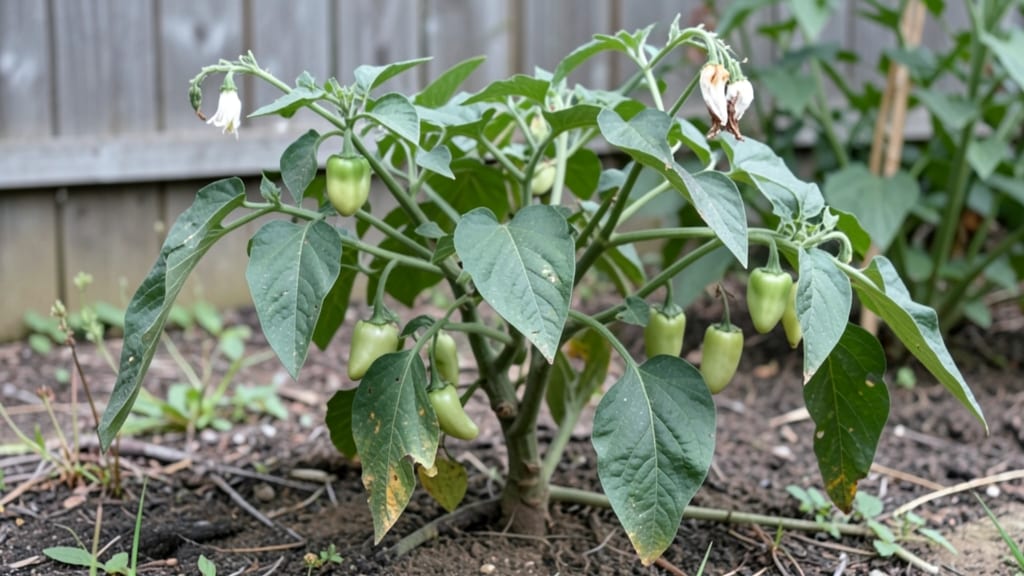
My pepper plants looked like sad, wilted weeds until I figured out the real cause—and the fix was simpler than I thought. 🌱 Droopy pepper plants usually mean one of three things: too much water, not enough, or a hidden pest problem that’s draining their energy.
I’ve spent years watching my peppers go from perky and green to limp and lifeless, only to bring them back with a few targeted adjustments.
The first step is checking the soil—stick your finger in about an inch deep. If it’s soggy, you’re overwatering (the #1 killer of peppers), and if it’s bone-dry, you’re underwatering. Both stress the roots and cause wilting.
Once you’ve got the watering right, look for pests like aphids or spider mites hiding on the undersides of leaves—they suck the life out of plants faster than you’d think. A strong spray of water or neem oil usually does the trick.
Within 24-48 hours of fixing the watering and treating pests, your peppers should start perking up again. The leaves will firm up, new growth will appear, and those telltale droops will disappear.
The key is acting fast—peppers bounce back quicker than most people realize when you address the root cause. I’ve even revived plants that looked completely done for by mid-afternoon.
For long-term success, mulch around your plants to keep soil moisture steady and add a balanced fertilizer every 4-6 weeks during growing season. This prevents the stress that leads to drooping in the first place.
Trust me, once you master this, your peppers will stay strong and productive all season long.
Root Causes Of Wilting Peppers
When your pepper plants start looking too relaxed—think floppy stems, curled leaves, or drooping foliage—it’s rarely a sign of laziness. Instead, these plants are sending distress signals about deeper issues.
Understanding the why behind the wilt is the first step to turning things around. Below, we break down the most common culprits, explained in plain terms with actionable science.
Pepper plants are succulents, meaning they store water in their stems and leaves—but that doesn’t mean they love soggy roots. Overwatering or compacted, waterlogged soil drowns roots by cutting off oxygen, leading to anaerobic stress.
Without oxygen, roots can’t absorb nutrients or water efficiently, causing wilting even when the soil feels moist.
- Signs: Yellowing lower leaves, mushy stems, soil that smells like rot.
- Science: Roots rely on aeration (air pockets in soil) for respiration. Water displaces this air, triggering ethylene gas production, which accelerates wilting.
- Fix:
- Test drainage: Dig a hole near the plant, fill it with water, and time how long it takes to drain. Ideal: 1–2 hours max.
- Amend soil: Mix in perlite, coarse sand, or compost to improve aeration.
- Water deeply but infrequently: Let the top 1–2 inches of soil dry out before watering again.
While peppers hate soggy roots, they despise drought just as much. When soil dries out, roots shrink and lose turgor pressure—the internal water pressure that keeps stems rigid. Combine this with high temperatures (especially above 90°F/32°C), and the plant’s stomata (pores) close to conserve water, leading to rapid wilting.
- Signs: Dry, crispy leaf edges, soil pulling away from pot edges, wilting that worsens in afternoon heat.
- Science: Peppers are C3 plants, meaning they lose efficiency in heat. Photosynthesis slows, and the plant shifts resources to osmotic adjustment—a survival tactic that drains energy and causes droop.
- Fix:
- Water early in the day (before 10 AM) to reduce evaporation.
- Use mulch (straw or wood chips) to retain moisture.
- Provide afternoon shade in extreme heat (use shade cloth or move pots to partial shade).
Pepper plants are tropical natives, so they thrive in stable conditions. Sudden drops below 50°F (10°C) or spikes above 95°F (35°C) disrupt their cellular metabolism, causing wilting. Low humidity (<30%) also forces plants to transpire (lose water) faster than roots can replenish it, leading to physiological drought.
- Signs: Wilting that happens overnight (cold stress) or in hot, dry winds (desiccation). Leaves may feel leathery or crispy.
- Science: Cold temps gel cell membranes, while heat denatures enzymes needed for water uptake. Low humidity increases evaporative demand, forcing roots to work overtime.
- Fix:
- Use a thermometer/hygrometer to monitor conditions. Ideal range: 70–85°F (21–29°C) with 40–60% humidity.
- Group plants together to create microclimates and use a pebble tray with water to boost humidity.
- Avoid cold drafts (e.g., near AC vents) and harden off plants gradually if moving between indoor/outdoor.
Hidden sap-sucking pests (like aphids, spider mites, or whiteflies) or fungal infections (e.g., Phytophthora root rot) can starve your peppers by blocking nutrient flow. Pests pierce cells, causing plasmolysis (cell collapse from water loss), while diseases clog xylem vessels, preventing water transport.
- Signs:
- Pests: Sticky residue (honeydew), webbing, tiny bugs on undersides of leaves, or yellow stippling.
- Disease: Dark, mushy stems (root rot), sudden wilting without pest signs, or mold on soil.
- Science: Pests inject toxic saliva that disrupts plant hormones, while pathogens plug xylem vessels with gums or spores, creating a hydraulic blockage.
- Fix:
- Pests: Spray with neem oil or introduce beneficial insects (ladybugs, lacewings).
- Disease: Remove infected plants immediately, sterilize tools, and repot with fresh, sterile soil.
Peppers are heavy feeders, and a lack of key nutrients—especially potassium, calcium, or nitrogen—can lead to wilting. For example, potassium deficiency weakens osmotic regulation, while calcium deficiency causes blossom-end rot (which stresses the whole plant). Even too much fertilizer can burn roots, mimicking underwatering.
- Signs:
- Nitrogen (N) deficiency: Pale yellow leaves (starting with oldest).
- Potassium (K) deficiency: Scorched leaf edges, weak stems.
- Calcium (Ca) deficiency: Dark, sunken spots on fruits and wilting.
- Over-fertilization: Crispy brown leaf tips, white crust on soil.
- Science: Nutrients like potassium regulate stomata and cell turgor, while
Revive Wilted Peppers Fast
If your pepper plants are looking droopy and sad, don’t panic! With the right approach, you can bring them back to life and even prevent future wilting. Below, we’ve mapped out the most common causes of droopy pepper plants and the easy, actionable fixes to get them thriving again. Plus, we’ll share pro tips to keep your plants perky for the long haul.
Too much love (in the form of water) can drown your peppers. Overwatering suffocates roots, leading to wilting, yellowing leaves, and even root rot.
How to Fix It:
- 🔥 Step 1: Check the Soil Stick your finger about an inch into the soil. If it’s soggy, your plants are getting too much water. Peppers prefer well-draining soil—think "damp, not drenched."
- If your soil is heavy clay, mix in perlite, sand, or compost to improve drainage.
- For container-grown peppers, ensure pots have drainage holes at the bottom.
- 🍳 Step 2: Adjust Your Watering Routine Water only when the top 1-2 inches of soil feel dry. In hot weather, this might mean every 2-3 days; in cooler months, stretch it to 4-5 days.
- Water deeply but infrequently—aim for the roots, not the leaves.
- Avoid watering in the evening to prevent fungal diseases.
- 👨🍳 Step 3: Revive the Roots (If Needed) If you suspect root rot (smelly, mushy roots), trim away the damaged parts with sterilized scissors and repot in fresh, dry soil.
💡 Prevention Tips:
- Use a moisture meter to track soil dampness accurately.
- Group pepper plants with others to create a microclimate that retains moisture better.
- Mulch around the base to slow evaporation and keep roots cool.
Droopy peppers can also mean they’re thirsty or struggling with heat. Wilting in the afternoon? It’s likely a hydration or temperature issue.
How to Fix It:
- 🥘 Step 1: Hydrate Immediately Give your plants a deep watering—slowly pour water until it runs out the drainage holes. Repeat every 1-2 days until leaves perk up.
- 🌡️ Step 2: Beat the Heat Peppers hate extreme heat (above 90°F/32°C). If your garden is sweltering:
- Provide afternoon shade with a shade cloth (30-50% coverage).
- Move potted peppers to a cooler spot (like a garage or basement) during heatwaves.
- Mist leaves early in the morning to cool them down (avoid evening misting to prevent disease).
- 🎯 Step 3: Boost Humidity (For Container Plants) Place a tray of pebbles and water near the pots or use a humidifier to keep air moist.
✨ Prevention Tips:
- Water early in the day so plants can absorb moisture before the heat peaks.
- Choose heat-tolerant pepper varieties like ‘Carolina Reaper’ or ‘Jalapeño’ if you live in a hot climate.
- Use light-colored mulch to reflect sunlight and keep roots cooler.
Wilting can also signal that your peppers are hungry or overfed. Too much fertilizer burns roots, while too little weakens the plant.
How to Fix It:
- 📊 Step 1: Test Your Soil Use a DIY soil test kit or send a sample to your local extension office. Peppers thrive in soil with a pH of 6.0-7.0.
- 💪 Step 2: Feed the Right Way If deficient in nutrients:
- Add balanced fertilizer (10-10-10) or a compost tea for a gentle boost.
- For nitrogen deficiency (yellow lower leaves), use fish emulsion or blood meal.
- For potassium deficiency (weak stems), try banana peel tea or wood ash.
- Flush the soil with water for 15-20 minutes to leach out excess salts.
- Switch to an organic fertilizer like worm castings for a slower, safer release.
- 🥗 Step 3: Support Weak Plants Stake or cage tall pepper plants to prevent them from toppling over due to weak stems.
🌱 Prevention Tips:
- Fertilize every 4-6 weeks during the growing season, not more.
- Use slow-release fertilizers to avoid spikes in nutrients.
- Rotate crops yearly to prevent nutrient depletion.
Bugs like aphids, spider mites, or fungal diseases (like powdery mildew) can sap your peppers’ energy, causing wilting.
How to Fix It:
- 🔪 Step 1: Inspect for Pests Check the undersides of leaves and stems for:
- Aphids: Tiny green/black bugs → Spray with soapy water (1 tsp mild soap per quart of water).
- Spider mites: Fine webbing + speckled leaves → Blast off with a hose or use neem oil.
- Whiteflies: Fly away when disturbed → Trap with yellow sticky cards.
- 🍄 Step 2: Treat Fungal Issues If leaves are yellow with powdery white residue (powdery mildew):
- Remove infected leaves immediately.
- Spray with a baking soda solution (1 tsp baking soda + 1 quart water + a drop of soap).
- Improve air circulation by pruning crowded plants.
- ⏰ Step 3: Quarantine if Necessary If pests or disease are severe, isolate the plant until treated to prevent spread.
🛡️ Prevention Tips:
- Rotate crops yearly to disrupt pest/disease cycles.
- Use row covers early in the season to block pests.
- Encourage beneficial insects like ladybugs (they eat aphids!) with companion plants like marigolds or basil.
With these fixes, your droopy pepper plants should bounce back in a few days to a week. Keep an eye on them, adjust care as needed, and soon you’ll be harvesting plump, vibrant peppers instead of sad, wilted ones! 🌶️💚
Frequently asked questions
Why do my pepper plants droop in the afternoon but perk up at night?
This classic pattern usually means your plants are underwatered or struggling with heat stress. During hot afternoons, peppers lose moisture faster than roots can replenish it, causing wilting. At night, cooler temps slow evaporation, letting leaves recover. Fix it by watering deeply in the morning and providing afternoon shade during heatwaves.
Can I save a pepper plant that's completely limp and mushy?
It depends! If the stems are soft and smell rotten, you're likely dealing with root rot from overwatering. Trim away mushy roots, repot in fresh, dry soil with perlite, and withhold water for 3-5 days. If stems are just floppy (not mushy), give it a deep watering and shade—most peppers recover within 24-48 hours if roots are still healthy.
How often should I fertilize droopy pepper plants?
Over-fertilizing burns roots and worsens wilting, while under-fertilizing weakens plants. For recovery, use a balanced fertilizer (10-10-10) every 4-6 weeks during growing season. If leaves are yellow (nitrogen deficiency), add fish emulsion. For weak stems (potassium deficiency), try banana peel tea. Always water thoroughly after fertilizing.
Will pruning help my droopy pepper plants?
Pruning alone won't fix wilting, but it can help stressed plants recover faster by improving air circulation and redirecting energy. Remove only yellow/damaged leaves or overcrowded growth. Avoid heavy pruning—focus on opening up the plant to reduce humidity-related stress (which invites pests/diseases).
Can I use coffee grounds to revive droopy pepper plants?
Coffee grounds can help, but only if your peppers need acidity or nutrients. Mix 1 cup of used grounds into the soil monthly to boost nitrogen and improve drainage. However, they can make soil too acidic (ideal pH: 6.0-7.0). Test soil first—if pH is already low, skip the grounds and use compost instead.