
Companion Plants
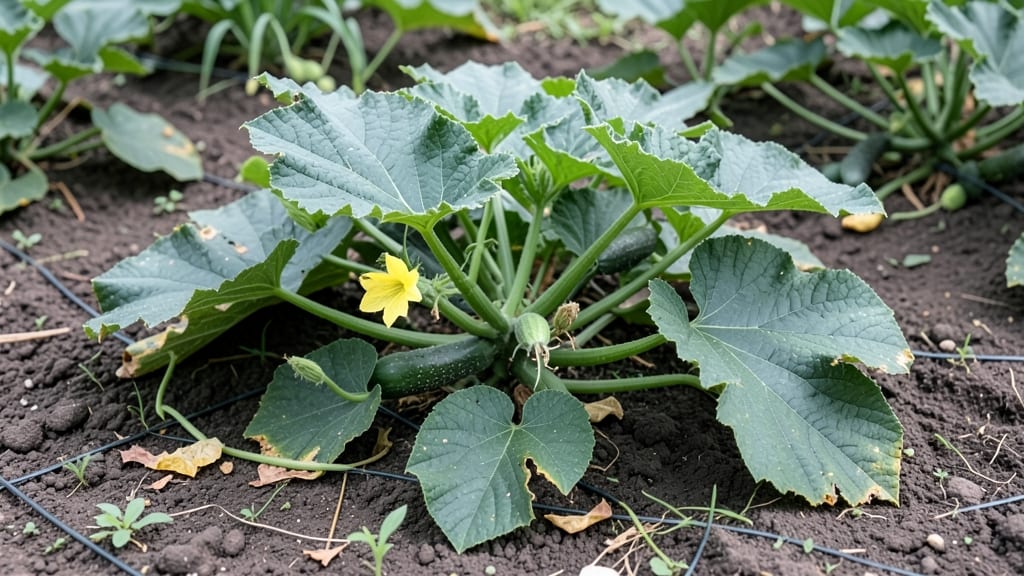
Fast cucumber harvests start with the right early varieties planted at the perfect moment—early cucumber plants can go from seed to salad in just 60 days if you time it right.
I still remember the first time I planted 'Early Girl' cucumbers right after the last frost, and within weeks, I had vines sprawling everywhere and cucumbers ripe enough to eat straight off the vine.
That first bite in June, fresh from my garden, changed how I think about summer meals forever.
The secret isn’t just picking fast-maturing varieties like 'Straight Eight' or 'Sweet Success'—it’s getting the soil warm enough (at least 65°F) and protecting tender seedlings from late frosts.
I’ve learned that using black plastic mulch or row covers can shave off 2-3 weeks of waiting time, giving you a jumpstart on the season. Plus, these cucumbers thrive in full sun and well-drained soil, so even small spaces can produce a surprising amount.
By following these steps, you’ll end up with vibrant green vines heavy with cucumbers by mid-summer, not just a few straggly plants.
The key is planting early, keeping the soil moist but not soggy, and giving those vines plenty of room to stretch out—12-24 inches apart works best for most varieties. You’ll be harvesting cucumbers when your neighbors are still waiting for their first ripe ones.
This works for gardeners in zones 4-9, though timing shifts slightly depending on your last frost date. Whether you’re in the Pacific Northwest or the Southeast, the principles stay the same—just adjust your planting window to match your local climate.
Let’s get those seeds in the ground and start counting down the days to harvest!
📚 In This Guide
- What you need
- Instructions
- Tips and common mistakes
- Wrapping up and next steps
What you need
- ● Cucumber seeds: Choose fast-maturing varieties like 'Straight Eight', 'Early Girl', or 'Suyo Long' (5–10 seeds per plant; save extras for companion planting).
- ● Growing containers or seed trays: 4–6" deep pots (for indoor starts) or biodegradable peat pots (if transplanting). Use at least 2–3 containers per seed to avoid overcrowding.
- ● High-quality potting mix: Seed-starting mix with perlite or vermiculite (avoid garden soil—it’s too dense for germination!).
- ● Grow lights or sunny windowsill: Cucumbers need 6–8 hours of light daily for strong seedlings. A full-spectrum LED grow light (12–16W) works well.
- ● Watering can or spray bottle: Keep soil consistently moist (not soggy) during germination.
- ○ Heat mat (optional but helpful): Maintains soil temps at 70–90°F for faster germination (especially in cool climates).
- ● Well-draining garden bed or raised planter: Cucumbers thrive in full sun (6+ hours/day) and rich, loamy soil with a pH of 6.0–6.8.
- ● Compost or aged manure: Mix in 2–3 inches before planting to boost fertility.
- ● Mulch (straw or black plastic): Retains moisture and suppresses weeds (plastic speeds up soil warming in spring!).
- ● Trellis or stakes: Supports vining varieties (e.g., 'Marketmore') to save space and improve airflow.
- ● Seedling heating pad: Speeds up germination by 30–50% in cool weather.
- ● Fertilizer (balanced 10-10-10 or compost tea): Apply 1 week after transplanting to encourage growth.
- ● Row covers or frost cloth: Protects young plants from late frosts (below 50°F).
- ● Companion plants: Pair with bush beans, radishes, or dill to deter pests and boost yields!
Step-by-step guide to growing early cucumber plants quickly
Here's my proven method for jumpstarting cucumbers in just a few weeks—ideal for extending your harvest season.
Prepare Containers and Soil for Fast Germination
Use the 4-cell seedling trays with the sterile seed-starting mix to create an ideal environment for quick germination. Fill each cell to the top, then press the mix down gently with your fingers until it's firm but not compacted—this ensures good root contact. The reason for using seed-starting mix instead of garden soil is that it's lighter and holds moisture without suffocating young roots.
Water the mix thoroughly until it's evenly damp, but not soggy. You'll know it's ready when a handful of soil holds together but doesn't drip water. Place the trays in a warm spot, ideally between 70-85°F, since cucumbers germinate fastest in warm conditions. I like to use a seedling heat mat under the trays to maintain consistent warmth, which cuts germination time by nearly half.
Plant Seeds at the Right Depth for Speed
Sow 2 seeds per cell at a depth of about ½ inch—this shallow planting encourages faster emergence because the seedling doesn't have to push through as much soil. Use the seed packet to help you space them evenly, and avoid pressing too hard, as this can damage the seeds. Cover them lightly with a thin layer of additional mix, just enough to obscure their shape.
After planting, mist the surface with a spray bottle until the soil looks uniformly damp. Avoid overwatering at this stage—excess moisture can cause the seeds to rot before they sprout. Place the trays in a plastic bag or under a humidity dome to retain warmth and moisture, which speeds up germination. You should see sprouts within 3-5 days if conditions are ideal.
Provide Optimal Light for Strong, Fast Growth
The moment those first green shoots appear, move the trays to a location with bright, indirect light—a south-facing window works well, but avoid direct afternoon sun, which can scorch young seedlings. If your space lacks sufficient natural light, supplement with a grow light positioned 2-3 inches above the plants. Cucumbers need 14-16 hours of light daily to grow vigorously, so set a timer if using artificial light to ensure consistency.
Watch for leggy growth, where stems stretch thin and pale—this is a sign the seedlings aren't getting enough light. If you notice this, immediately adjust the light source closer or increase the duration. Strong seedlings will have thick stems and dark green leaves within 7-10 days of germination. Avoid fertilizing at this stage; young cucumbers are sensitive to nutrients and can burn if overfed.
Thin Seedlings and Harden Off for Transplanting
Once the seedlings reach 2 inches tall and have developed their first true leaves, thin them to 1 seedling per cell by snipping the weaker one at the base with clean scissors. This prevents overcrowding, which slows growth and increases the risk of disease. After thinning, water the remaining seedlings gently to help them recover.
Begin hardening off the seedlings 7-10 days before transplanting by placing them outside in a sheltered spot for 1-2 hours the first day. Gradually increase their outdoor time over 5-7 days, exposing them to more sunlight and wind each day. This process toughens the plants so they can handle the garden environment without shock. Transplant them into the garden or larger containers when nighttime temperatures stay above 55°F, ensuring a smooth transition.
Tips & tricks for growing early cucumber plants quickly
Fast germination and vigorous growth start with these key techniques that eliminate common pitfalls in cucumber cultivation.
Warmth is Non-Negotiable: Maintaining that 70-85°F range during germination is critical—cucumbers won't sprout reliably below 70°F. I've found that placing trays on top of refrigerators (where heat rises) or using a simple seedling heat mat under the trays can maintain this warmth without expensive equipment. The goal is to cut germination time from 7-10 days to just 3-5 days as specified, so don't skimp on heat.
Light Timing Makes All the Difference: The 14-16 hours of daily light isn't just a suggestion—it's the difference between leggy, weak seedlings and robust plants. I recommend setting a timer for your grow lights if using artificial light, as cucumbers won't compensate for insufficient light. Position the light 2-3 inches above the plants and adjust as they grow to maintain this distance. You'll notice the difference in just 7-10 days when strong stems and dark green leaves develop.
Moisture Balance is Delicate: The "evenly damp but not soggy" standard is harder to achieve than it sounds. I use a spray bottle to mist the surface after planting rather than pouring water, which prevents seed rot while maintaining humidity. For the humidity dome effect, a simple plastic bag with holes poked for ventilation works perfectly—just don't let condensation drip onto seeds. This moisture balance is what prevents the seeds from rotting before they sprout in those critical 3-5 days.
Transplanting Timing is Critical: Waiting until nighttime temperatures stay above 55°F isn't just about avoiding frost—it's about giving your seedlings time to acclimate. I start hardening off 7-10 days before transplanting by gradually increasing outdoor exposure. The key is to move them to a sheltered spot for just 1-2 hours the first day, then gradually extend this time. This gradual process prevents transplant shock that can set back your entire growth timeline.
Pro Tips for Early Cucumber Plants
- Fast germination and vigorous growth start with these key techniques that eliminate common pitfalls in cucumber cultivation.
- Warmth is Non-Negotiable: Maintaining that 70-85°F range during germination is critical—cucumbers won't sprout reliably below 70°F.
- Light Timing Makes All the Difference: The 14-16 hours of daily light isn't just a suggestion—it's the difference between leggy, weak seedlings and robust plants.
Frequently asked questions
Got questions about early cucumber plants?
You’re not alone! Here are some of the most common queries—plus quick, actionable answers to help you grow like a pro.
How long does it take for early cucumber seeds to germinate?
Early cucumber seeds typically sprout in 3–10 days when planted in warm soil (70°F+). For faster results, soak seeds overnight in warm water or use a heat mat. If germination takes longer than 2 weeks, check moisture and soil temperature—damp, warm conditions are key!
Can I plant early cucumbers too soon in spring?
Yes, but with caution! Early cucumbers thrive in soil temps above 60°F. If nighttime temps dip below 50°F, use row covers or cold frames to protect tender seedlings. Hard frost? Wait until after the last frost date—cucumbers are frost-sensitive! →
What are the best companion plants for early cucumbers?
Pair cucumbers with beans, peas, radishes, or dill to boost growth and deter pests. Avoid planting near potatoes or aromatic herbs (like sage), which can stunt their growth. A 3-foot radius of companions works best for optimal airflow and pollination.
Why are my early cucumber leaves turning yellow?
Yellow leaves often signal overwatering, nutrient deficiency, or disease. Check soil moisture (keep it consistently damp, not soggy) and test for pests like aphids. A balanced fertilizer (high in nitrogen early on) or compost can help. If spots appear, remove affected leaves and improve airflow.
Can I grow early cucumbers in containers?
Use a 5-gallon container or larger with drainage holes and fill with well-draining potting mix. Trellis vining varieties to save space, and fertilize weekly with a balanced liquid feed. Just ensure containers get 6+ hours of sunlight daily—container plants dry out faster!
Wrapping up and next steps
Growing early cucumber plants is a fantastic way to kickstart your garden and enjoy fresh produce sooner! With the right companion plants, soil prep, and care, you’ll be well on your way to a thriving harvest. Don’t wait—start small, experiment, and let your green thumb shine!
🌱 Next steps:
- Pick your favorite early cucumber variety and plant it this season!
- Try pairing it with companions like radishes, beans, or dill for a winning combo.
- Share your progress or ask questions in gardening communities—every expert started somewhere!