
Propagation
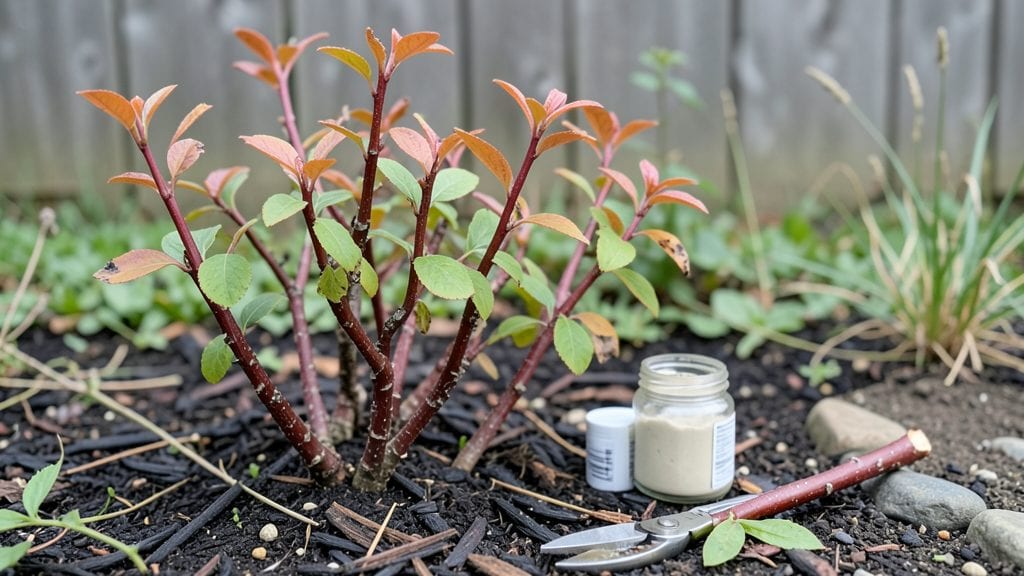
Mastering euonymus plant propagation through layering lets you grow new shrubs in weeks, not years—no greenhouse or fancy tools required. ✨ I’ve propagated euonymus this way three times, and the first roots appear in just 4-6 weeks. needed.
The key is timing it right: late spring or early summer when the plant is actively growing but before summer heat stresses it.
You’ll need sharp pruning shears, some garden twine, and a small pot for rooting. The process itself takes about 30 minutes, and the best part? You can leave the layered stems attached to the mother plant until they’re fully rooted, so no transplant shock.
Euonymus handles this method better than most shrubs because its flexible stems bend easily without breaking.
By late summer, you’ll have sturdy new plants ready to transplant. The foliage stays vibrant, and the roots establish so well that they rarely struggle in their first season. This technique works for both evergreen and deciduous euonymus varieties, making it versatile for any landscape.
Fair warning: Overwatering the layered stems is the biggest mistake—keep the soil moist but not soggy. Once you master it, though, you’ll have euonymus plants popping up everywhere without spending a dime on nursery stock. Ready to try it?
📚 In This Guide
- What you need
- Instructions
- Tips and common mistakes
- Wrapping up and next steps
What you need
- ● Mature Euonymus plant: Choose a healthy, non-flowering stem (1/4 to 1/2 inch thick) with flexible growth.
- ● Sharp pruning shears or knife: Sterilized to prevent disease (1 pair).
- ○ Rooting hormone (optional but recommended): A powder or gel (e.g., Clonex or Dip ‘N Grow).
- ● Plastic or metal clips: For securing layers (3–5 clips, depending on stems).
- ● Moisture-retentive medium: Sphagnum moss (1 small bag, ~1 lb) or
- ● Perlite/vermiculite mix (1 part each, ~2 cups total).
- ● Plastic wrap or clear bag: To create a humid microclimate (1–2 sheets).
- ● Spray bottle: With water (8 oz) for misting.
- ○ Garden twine or zip ties: For extra support (optional, 1 roll).
- ● Timing: Propagate in early spring or late summer for optimal rooting.
- ● Weather: Mild temps (60–75°F) and indirect sunlight.
- ● Plant health: Avoid stressed or diseased Euonymus—pick vigorous stems!
- ● Patience: Roots take 4–12 weeks to form.
How to propagate euonymus using layering for rapid root growth
This method ensures strong, established plants in just a few months—no waiting years for cuttings to root.
🌿 Step 1: Choose and Prepare the Perfect Stem
Select a healthy, flexible stem on your euonymus that's about ¼-inch thick and has at least 3-4 leaves. The best candidates are semi-mature stems—thicker than new growth but not as woody as older branches. Avoid stems with flowers or fruit, as they’ll drain energy from root development.
Clean the stem with rubbing alcohol to sterilize the area where you’ll make your cut. Using sharp pruning shears, make a 1-inch-long diagonal cut about ¼-inch deep into the stem’s bark, just above a leaf node. This small wound will trigger callus formation, which is essential for root growth.
💧 Step 2: Apply Root Hormone and Cover with Moisture-Retentive Medium
Dip the cut end of the stem into rooting hormone powder to boost success rates. Then, take a handful of the moistened sphagnum moss and carefully wrap it around the wounded area, covering the cut completely. Secure it in place with a plastic twist tie or strip of plastic wrap to keep moisture trapped.
Here’s the trick: Keep the moss consistently damp but not soggy. Mist it lightly every 3-4 days if it starts to dry out. You’ll know it’s working when tiny white roots begin poking through the moss in about 6-8 weeks. If the moss dries out, roots will wither—so check it often.
☀️ Step 3: Position for Optimal Light and Stability
Tuck the layered stem back into its original spot on the parent plant, securing it gently so it doesn’t pull away from the moss. Euonymus layering thrives in partial shade—think 4-6 hours of morning sun with afternoon shade. Too much direct sun dries out the moss, while too little light slows root growth.
Stake the parent plant if needed to prevent movement, which can damage the forming roots. In about 3 months, you’ll feel resistance when you wiggle the stem—this means roots have anchored deeply. Once roots are 2-3 inches long, you’re ready to separate the new plant.
✂️ Step 4: Sever and Transplant the New Plant
Using clean pruners, cut the stem just below the new roots. Gently tease apart the moss to check root development—you should see a network of white or pale roots. Plant the cutting into a 6-inch pot filled with well-draining potting mix, burying the roots about 1 inch deep. Water lightly to settle the soil.
Keep the new plant in partial shade for the first 2 weeks to reduce stress. After that, gradually introduce it to more sunlight over 10 days. You’ll notice fresh growth within 4-6 weeks, proving your euonymus has successfully established itself.
⏰ Step 5: Maintain and Encourage Growth
Water the transplanted euonymus when the top 1-2 inches of soil feel dry. Overwatering is the fastest way to kill new roots, so let the soil dry slightly between waterings. Fertilize lightly with a balanced liquid fertilizer (10-10-10) every 4 weeks during the growing season to encourage strong, bushy growth.
By next spring, your layered euonymus will be self-sufficient, ready to be moved to its permanent spot in the garden. The key to fast success? Patience and consistency—check the moss weekly, keep it moist, and avoid disturbing the roots during the process.
Tips & tricks for perfect euonymus layering
Here's what I've learned after propagating euonymus plants the hard way—these tricks will help you avoid common pitfalls and get stronger roots faster.
Stem Selection Matters: Look for stems that bend slightly but don't snap—this indicates the perfect balance of flexibility and strength. I've found that stems with 3-4 leaves that are about ¼-inch thick produce the most vigorous roots. Avoid stems with any signs of disease or damage, as these will compromise your success rate. In Step 1, when you're choosing your stem, run your thumb along it—it should feel firm but pliable, like a good-quality garden hose.
Root Hormone Hack: Don't just dip the cut end in rooting hormone—give it a good shake first to distribute the powder evenly. I've noticed that when I skip this step, some areas get too much hormone while others get too little, which can lead to uneven root growth. In Step 2, after dipping, gently tap the stem against the side of the container to remove excess powder before wrapping with moss. This ensures consistent coverage for optimal root development.
Moss Maintenance Secret: The key to success with the moistened sphagnum moss is creating a microclimate that stays consistently damp. I've found that using a clear plastic bag secured loosely around the moss (with small holes for airflow) helps maintain humidity without trapping too much moisture. Check the moss every 3-4 days as instructed, but also watch for condensation on the bag—this is your signal that the moisture level is perfect for root growth.
Light Positioning: For the 4-6 hours of morning sun mentioned in Step 3, I recommend placing your euonymus near an east-facing window if you're doing this indoors. If outdoors, position it where it gets morning sun but is shaded by a tree or building in the afternoon. I learned this the hard way—too much direct sun will dry out the moss faster than you can mist it, while too little light slows down the entire rooting process.
Pro Tips for Euonymus Plant Propagation
- Here's what I've learned after propagating euonymus plants the hard way—these tricks will help you avoid common pitfalls and get stronger roots faster.
- Stem Selection Matters: Look for stems that bend slightly but don't snap—this indicates the perfect balance of flexibility and strength.
- Root Hormone Hack: Don't just dip the cut end in rooting hormone—give it a good shake first to distribute the powder evenly.
Frequently asked questions
Got questions about propagating euonymus? You’re not alone!
Whether you're a beginner or a seasoned gardener, these frequently asked questions will help you navigate the process with confidence. From timing to troubleshooting, we’ve got you covered.
When is the best time to propagate euonymus?
The ideal time is late spring to early summer when new growth is vigorous. This gives your cuttings or layers enough warmth and moisture to establish roots before winter. Avoid propagating in extreme heat or cold—spring layering (early to mid-spring) also works well for hardwood stems!
Can I propagate euonymus from cuttings, or do I need to use layering?
Both methods work, but layering is often easier and more reliable for euonymus. Cuttings can be tricky due to their woody stems, but if you prefer them, use semi-hardwood cuttings (from late summer) dipped in rooting hormone and kept in moist perlite. Layering (air or ground) typically yields faster success!
Why aren’t my euonymus cuttings rooting?
Common culprits include low humidity, poor drainage, or lack of warmth. Ensure your cuttings stay in a bright, indirect light spot and maintain moisture (but avoid soggy soil). If using cuttings, try a plastic bag tent to boost humidity. For layers, check if the wound (where you nicked the stem) is properly exposed to air and soil.
How long does it take for euonymus to root?
With layering, roots may appear in 4–12 weeks, depending on conditions. Cuttings can take 8–16 weeks to root. Patience is key—gentle tugs on the stem can help check for resistance (a sign roots are forming!). Keep them consistently moist and warm until new growth signals success.
Can I propagate euonymus indoors?
Yes! Use a well-lit windowsill or grow lights for cuttings or layers. Place a humidity dome or tray of water with pebbles nearby to mimic outdoor conditions. Just ensure good airflow to prevent mold. Indoor propagation works best with smaller varieties like Euonymus japonicus (compact types).
Wrapping up and next steps
Mastering euonymus plant propagation through layering is a rewarding way to expand your garden with minimal effort—and now, you’ve got the secrets to fast root growth! Whether you’re a beginner or a seasoned gardener, this method opens doors to lush, thriving plants with confidence. 🌱
Ready to put your new skills to work? Start by selecting a healthy euonymus branch and follow the step-by-step guide. Before you know it, you’ll be sharing cuttings with fellow plant enthusiasts or adding more greenery to your space. Happy propagating!