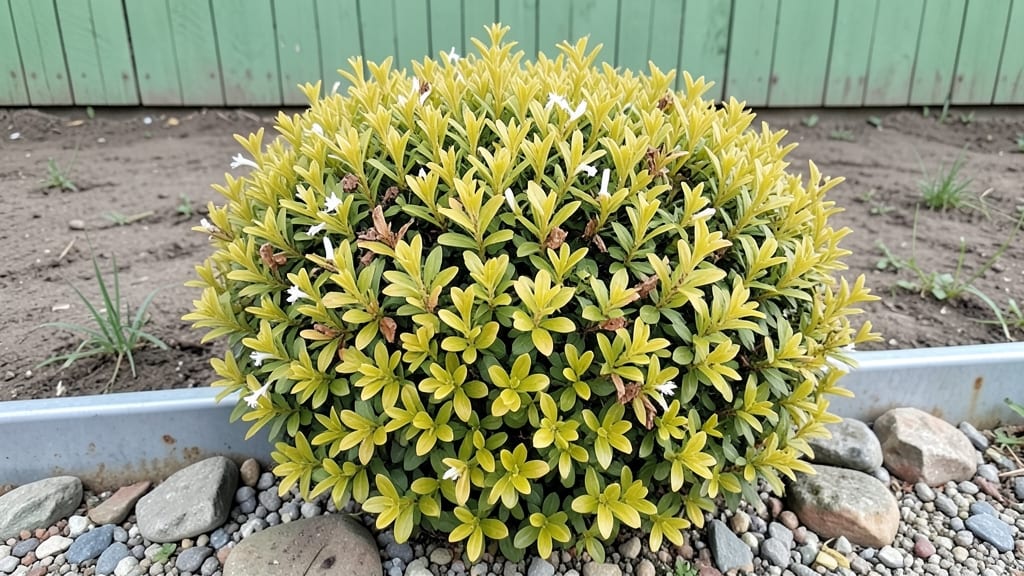
Evergreen edging plants 🌿 bring instant structure to your garden with their year-round greenery and drought-smart design, whether you're framing a path or defining a bed.
Tired of seasonal borders that wilt in summer or lose their charm in winter? These low-maintenance plants deliver lush color without the fuss—ideal for busy gardeners or water-conscious yards in USDA Zone 6a and beyond.
From boxwoods that stay neatly trimmed to juniper with silvery-blue foliage, the right evergreen creates a polished look with almost no effort. They thrive in spring planting and handle heat, cold, and even dry spells like a pro.
Discover how to pair them for texture, height, and seasonal pops—plus spacing tricks to keep your edges sharp for years. Ready to upgrade your borders?
Top 10 drought-tolerant evergreen edging plants for low-maintenance borders
Creating a low-maintenance border that stays lush year-round doesn’t require constant watering or pruning. Drought-tolerant evergreen plants like boxwoods, junipers, and lavender thrive in dry conditions while adding structure and texture to your landscape.
These plants demand minimal care, making them ideal for busy gardeners or areas with water restrictions.
My favorite evergreen edging plants combine hardiness, visual appeal, and water efficiency. Whether you’re lining a pathway, defining garden beds, or adding height to a foundation planting, these varieties offer year-round interest with zero fuss.
Below, I’ve curated the top 10 drought-resistant evergreens that excel as borders, along with their care requirements and design tips.
🌿
| Plant Name |
Type |
Mature Height |
Sunlight Needs |
Drought Tolerance |
Care Tips |
| Boxwood (Buxus) |
Shrub |
2-4 ft |
Partial sun to full shade |
High |
Prune annually; tolerates shearing |
| Dwarf Juniper (Juniperus) |
Shrub |
1-3 ft |
Full sun |
Very high |
No pruning needed; deer-resistant |
| Lavender (Lavandula) |
Herbaceous perennial |
1-2 ft |
Full sun |
Extreme |
Deadhead spent blooms; avoid overwatering |
| Ornamental Grass (Carex) |
Grass |
1-3 ft |
Full sun to partial shade |
High |
Cut back in early spring; low-maintenance |
| Rosemary (Rosmarinus) |
Shrub |
2-4 ft |
Full sun |
Very high |
Prune lightly; drought-proof once established |
| Dwarf Yew (Taxus) |
Shrub |
2-4 ft |
Partial sun to full shade |
High |
Tolerates shearing; slow-growing |
| Creeping Thyme (Thymus serpyllum) |
Ground cover |
3-6 in |
Full sun |
Extreme |
Spreads easily; no pruning needed |
| Holly (Ilex) |
Shrub |
4-6 ft |
Partial sun to full sun |
Moderate |
Prune to shape; berries attract birds |
| Heather (Calluna) |
Shrub |
1-2 ft |
Full sun to partial shade |
High |
Deadhead after blooming; acid-loving |
| Russian Sage (Perovskia) |
Shrub |
3-5 ft |
Full sun |
Very high |
Cut back in early spring; drought-resistant |
How to choose evergreen edging plants for your climate & soil type
Selecting the right evergreen edging plants starts with understanding your USDA hardiness zone and soil conditions. Unlike seasonal plants, evergreens must thrive year-round, so matching them to your climate ensures year-round structure without extra effort.
For example, boxwoods love zones 5-8 with well-draining soil, while dwarf yews handle zones 3-9 and tolerate clay.
Your soil pH and sunlight exposure also dictate success. Most evergreen edging plants prefer slightly acidic soil (pH 6.0-7.0), but some like juniper thrive in alkaline soils. Full sun (6+ hours) is ideal for many varieties, but partial shade works for moisture-retentive climates like the Pacific Northwest.
Landscape style plays a role too. Formal gardens often use neat, clipped hedges like English boxwood, while natural borders might feature textured shrubs like inkberry holly or dwarf mahonia. Mixing heights—say, 1-2 feet for foreground and 3-4 feet for background—creates depth and visual interest.
| Plant Type |
USDA Zones |
Soil pH |
Sun Needs |
Mature Height |
Notes |
| Boxwood (Buxus) |
5-8 |
6.0-7.0 |
Full sun to partial shade |
1-4 ft |
Drought-tolerant; great for formal hedges |
| Dwarf Juniper (Juniperus) |
3-9 |
6.0-8.0 |
Full sun |
1-3 ft |
Low-maintenance; thrives in poor soil |
| Inkberry Holly (Ilex) |
4-9 |
5.0-7.0 |
Partial shade to full sun |
3-6 ft |
Tolerates wet soil; glossy foliage |
| Dwarf Yew (Taxus) |
3-9 |
6.0-7.5 |
Partial shade to full sun |
2-4 ft |
Slow-growing; deer-resistant |
| Dwarf Mahonia (Mahonia) |
5-9 |
6.0-7.0 |
Partial shade to full sun |
2-3 ft |
Fragrant flowers; great for woodland edges |
Before planting, test your soil pH with a kit or send a sample to your local cooperative extension service. Amending soil with sulfur for alkaline soils or lime for acidic soils can make a big difference.
For drought-prone areas, choose plants like dwarf junipers or lavender, which need minimal water once established.
Consider plant spacing too. Most evergreen edging plants need 2-3 feet apart for mature size, but dwarf varieties like creeping thyme can be planted 1 foot apart for a dense, low border. Group plants with similar water needs together to simplify care—this is called hydrozoning.
Finally, think about seasonal color. While evergreens provide structure, adding winter berries (like holly) or spring blooms
★★★★★5.0(5 reviews)