
Lawn
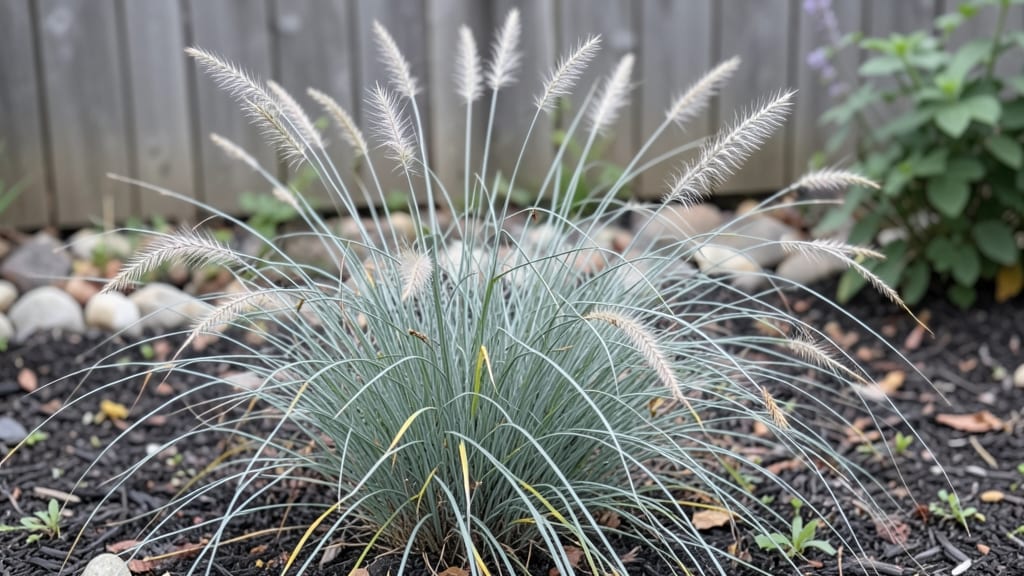
The feather grass plant creates a lush, drought-resistant privacy screen that actually thrives on neglect. I planted mine along my property line last spring, and by year three, it formed a six-foot-tall living wall that blocks nosy neighbors while requiring almost no water once established.
This ornamental grass loves full sun and tolerates poor soil, making it perfect for hot, dry climates or areas where other plants struggle. You’ll need well-draining soil—even sandy or rocky ground works—and minimal upkeep beyond an occasional trim.
The feathery plumes add texture and movement, swaying in the breeze like natural tassels.
By summer, your screen will be dense enough to obscure views while filtering sunlight beautifully. The roots spread slowly but steadily, creating a natural barrier that’s low-maintenance yet stunning. Just be patient—it takes about three years to reach full privacy potential, but the payoff is worth it.
Works in zones 5-11, handles heat and drought like a champ, and even survives light frosts. Once established, you’ll barely notice it’s there—until you see how effortlessly it transforms your space. Ready to grow yours?
📚 In This Guide
- What you need
- Instructions
- Tips and common mistakes
- Wrapping up and next steps
What you need
- ● Feather Grass Plugs or Seeds: 10–20 plants per linear foot (for dense screening) or 1–2 lbs of seeds per 100 sq. ft. (for natural spread)
- ● Well-Draining Soil: Native soil amended with compost (50/50 mix) or Sandy loam soil (pH 6.0–7.5)
- ● Mulch: 2–3 inches of pine straw, gravel, or wood chips (to retain moisture)
- ● Garden Tools: Shovel or spade Rake (for leveling soil) Garden gloves (to protect your hands!)
- ● Watering Supplies: Hose with a soaker nozzle or Drip irrigation kit (for consistent moisture)
Instructions for planting feather grass as a privacy screen
Here’s how to establish a lush, drought-resistant privacy screen that thrives in just three years.
Choose the Right Location and Prepare the Soil
Feather grass thrives in full sun to partial shade, with at least 6 hours of direct sunlight daily. Avoid low-lying areas where water pools after rain—this plant hates soggy roots. Test your soil’s drainage by digging a 6-inch hole and filling it with water; if it doesn’t drain within an hour, amend the soil with 2 inches of coarse sand or gravel to improve airflow.
Clear the planting area of weeds and debris, then loosen the top 12 inches of soil with a garden fork. Feather grass prefers well-draining, slightly sandy soil but adapts to most conditions. If your soil is heavy clay, mix in 3 inches of compost to improve structure and fertility. This step ensures strong root development right from the start.
Plant the Grass Clumps at the Correct Spacing
Dig holes twice as wide as the grass clumps’ root balls but no deeper. Space plants 18–24 inches apart in rows 2–3 feet apart for a dense screen. The wider spacing allows airflow, reducing disease risk while still creating a full barrier within 2–3 years. Gently remove each clump from its container and tease apart any tangled roots.
Place each clump in its hole so the top of the root ball sits flush with the soil surface. Fill the hole with soil, pressing lightly to eliminate air pockets. Water deeply until moisture seeps 2 inches below the surface. Avoid compacting the soil too firmly—feather grass roots need room to spread. Mulch with 2 inches of shredded bark to retain moisture and suppress weeds.
Water Deeply and Establish a Routine
Water newly planted grass once a week for the first month, providing 1–1.5 gallons per plant each time. After that, reduce to every 2–3 weeks unless your area experiences extreme heat or drought. Feather grass is drought-tolerant once established, but young plants need consistent moisture to develop strong roots. Check soil moisture by sticking your finger 2 inches deep; water when it feels dry.
During the first growing season, fertilize lightly with a balanced, slow-release fertilizer (10-10-10) applied in early spring. Avoid high-nitrogen fertilizers—they promote leafy growth at the expense of root strength. After the first year, feather grass typically requires no additional fertilizer unless growth appears stunted. This step ensures your screen grows tall and sturdy, not just bushy.
Prune and Maintain for a Neat Appearance
Cut back dead or brown fronds in early spring before new growth begins. Use clean, sharp pruners to trim 2–3 inches above the base, removing only the oldest, most damaged foliage. This encourages fresh, vibrant growth and prevents the plant from looking overgrown. Feather grass rarely needs heavy pruning—its natural shape is part of its appeal.
Monitor for pests like spider mites or scale, which may appear on stressed plants. Treat infestations immediately with neem oil or insecticidal soap, applied in the early morning or evening when temperatures are mild. Once established, feather grass handles pests well, but young plants benefit from proactive care. This maintenance keeps your screen looking polished and healthy year after year.
Monitor Growth and Adjust Spacing as Needed
After 2 years, your feather grass should reach 3–4 feet tall and begin filling in between plants. If gaps remain, add a few extra clumps to fill sparse areas. By year 3, the screen will typically reach 5–6 feet tall, providing full privacy. Thin out overcrowded sections by removing the smallest or weakest clumps and replanting them elsewhere in the screen.
Watch for signs of stress, like yellowing fronds or stunted growth, which may indicate overwatering, poor drainage, or nutrient deficiency. Adjust care accordingly—feather grass is forgiving but performs best with minimal intervention. With proper spacing and maintenance, your privacy screen will thrive for 10+ years with minimal upkeep.
Tips & tricks for perfect feather grass privacy screens
A few key strategies will help you avoid common pitfalls and ensure your feather grass grows into a lush, drought-resistant privacy screen exactly as promised.
Soil Prep is Everything: In Step 1, when testing drainage, I recommend digging a second test hole after amending the soil with sand or compost. This confirms your improvements actually worked—feather grass roots need that airflow to prevent rot. If water still pools after an hour, add another inch of gravel or consider planting on a slight slope.
Planting Spacing Secret: The 18–24 inch spacing in Step 2 might seem generous, but trust me on this—this airflow prevents fungal diseases that can kill young plants. For a faster screen, you can plant clumps 12 inches apart, but be prepared for more frequent thinning in years 2-3 to maintain airflow and prevent overcrowding.
Watering Wisdom: During the first month, those 1–1.5 gallons per plant should be applied slowly at the base to avoid runoff. I use a soaker hose for this—it delivers water directly to the roots where it's needed most. After the first month, check soil moisture at 2 inches deep before watering; if it's still damp, wait another week.
Fertilizer Timing Matters: That early spring application of 10-10-10 fertilizer in Step 3 is crucial, but don't overdo it. I've seen people add too much, which leads to weak stems that flop over. Stick to the recommended amount and focus on proper spacing and drainage—those create stronger plants than extra fertilizer ever will.
Pro Tips for Feather Grass Plant
- A few key strategies will help you avoid common pitfalls and ensure your feather grass grows into a lush, drought-resistant privacy screen exactly as promised.
- Soil Prep is Everything: In Step 1, when testing drainage, I recommend digging a second test hole after amending the soil with sand or compost.
- Planting Spacing Secret: The 18–24 inch spacing in Step 2 might seem generous, but trust me on this—this airflow prevents fungal diseases that can kill young plants.
Frequently asked questions
Got questions about growing feather grass as a privacy screen?
You’re not alone! Here are answers to the most common concerns—from planting tips to troubleshooting—so you can confidently create your own drought-resistant oasis.
How fast does feather grass grow?
Feather grass (like Pennisetum or Stipa varieties) grows 1–3 feet per year, depending on the species. With proper care, you can achieve a 6–8-foot-tall privacy screen in 3–4 years. For faster results, plant multiple clumps close together or choose faster-growing types like Pennisetum alopecuroides.
Can feather grass survive winter?
Most feather grass varieties are cold-hardy (USDA Zones 5–10), but some may need winter protection in colder climates. Cut back dead foliage in early spring to encourage fresh growth. For extra safety, mulch the base or choose hardier species like Stipa tenuissima, which tolerates light frosts.
How often should I water feather grass?
Once established (1–2 years after planting), feather grass is drought-tolerant and needs water only during prolonged dry spells. Water deeply but infrequently (1–2 times per week) during the first year to help roots grow. Overwatering can lead to root rot, so well-draining soil is key! Pro tip: Let the top 2–3 inches of soil dry out between waterings.
What’s the best way to plant feather grass for privacy?
For a dense screen, plant clumps 18–24 inches apart in rows spaced 3–4 feet apart. Dig holes twice as wide as the root ball but no deeper, then water thoroughly after planting. Mulch lightly to retain moisture and suppress weeds. Bonus: Mix with other drought-tolerant plants like lavender or yucca for texture!
Why is my feather grass turning brown?
Brown tips or patches usually mean underwatering, overwatering, or pests. Check soil moisture first—too little water causes dryness, while too much leads to root rot. Inspect for spider mites or aphids (common in dry conditions) and treat with neem oil if needed. Cut back dead fronds in late winter to encourage new growth.
Wrapping up and next steps
Transforming your yard into a lush, low-maintenance privacy screen is easier than ever with feather grass! 🌿 This drought-resistant beauty grows quickly, thrives in tough conditions, and delivers stunning texture with minimal effort.
Whether you're a gardening pro or just starting, its fast growth and resilience make it a game-changer for any outdoor space.
Ready to get started? Measure your space, gather your supplies, and plant your first row today! Your dream privacy screen is just three years—and a little elbow grease—away. Happy gardening! 🌱