
Fertilization
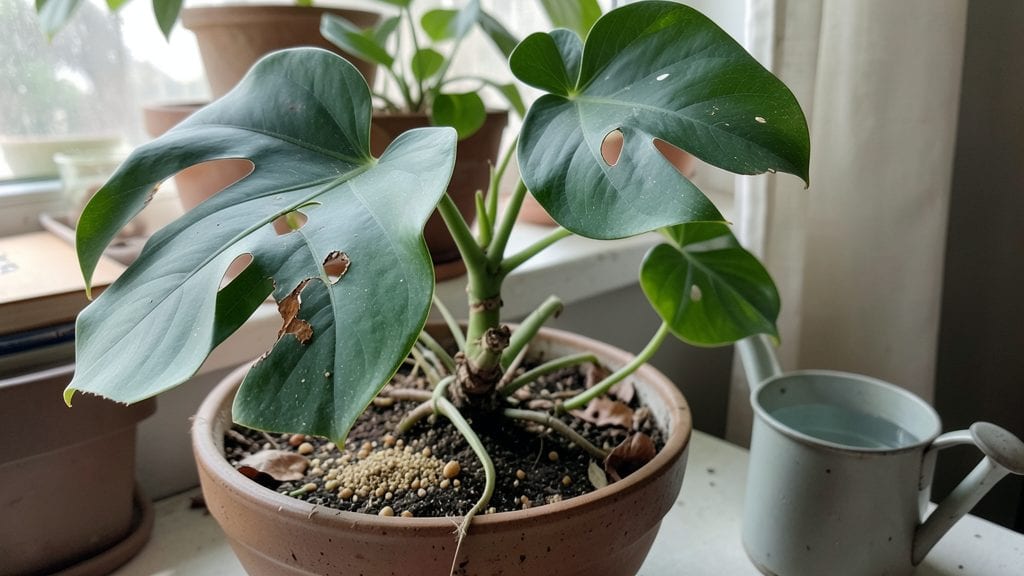
Feeding indoor plants isn't about dumping fertilizer like you would on a lawn—it's a delicate balance that keeps leaves velvety and roots happy. 🌿 I learned the hard way when my snake plant turned crispy after a well-intentioned overfeed, but now I follow a routine that works for everything from ferns to pothos.
The key is matching the plant's needs to the fertilizer's strength, and timing it right so you're not drowning roots in nutrients.
You don't need a fancy setup—just the right fertilizer (liquid, slow-release, or organic), a spray bottle for foliar feeding, and a calendar reminder. Most houseplants thrive on a monthly light feeding during growing season, cutting back in winter when they're resting.
The trick is dilution: half-strength fertilizer prevents root burn, and organic options like fish emulsion or worm tea break down gently. Even my black thumb can't mess this up once I got the ratios right.
What you'll end up with is plants that look like they belong in a greenhouse, not a living room—deep green leaves, sturdy stems, and new growth where there was none before.
My ferns now unfurl fresh fronds every 4-6 weeks, and my pothos vines grow so fast they need pruning. The difference between feeding right and feeding wrong is night and day, and it all comes down to consistency and observation.
This routine works for any indoor space, from sunny windowsills to fluorescent-lit offices, and adapts to different plant types. Let's get those leaves lush and those roots strong—without the guesswork.
📚 In This Guide
- What you need
- Instructions
- Tips and common mistakes
- Wrapping up and next steps
What you need
- ● Fertilizer: 1 bottle of balanced liquid fertilizer (e.g., 10-10-10 or 20-20-20 NPK ratio) – 16 oz (473 mL)
- ○ Slow-release granules (optional, for convenience) – 1 lb (454 g)
- ● Watering can: 1 with a rose attachment (for precise application)
- ● Measuring cup or dropper: 1 (for diluting fertilizer accurately)
- ○ pH testing kit: 1 (optional but helpful for monitoring soil health)
- ● Gloves: 1 pair (to protect hands from soil/fertilizer)
- ● Healthy soil: Well-draining potting mix (check plant tags for specifics)
- ● Clean workspace: A tray or saucer to catch runoff
- ● Plant care schedule: Know your plant’s growth stage (new, mature, dormant)
- ○ Labeling system: Optional but handy—mark pots with plant names/feeding dates
How to feed indoor plants for vibrant, healthy growth
Here's how I keep my houseplants thriving year-round with minimal fuss.
💧 Step 1: Understand Your Plant's Hunger Cycle
Most indoor plants only need feeding during their active growing season—spring through summer. I check the plant's label or growth patterns: if you see new leaves or stems pushing out, that's your cue to feed. For slow growers like snake plants or zz plants, I skip feeding entirely during winter months when growth slows dramatically.
Overfeeding is the real enemy here. Yellowing leaves or brown tips usually mean you've given too much fertilizer. I always dilute liquid fertilizers to half-strength unless the label says otherwise. This gentle approach prevents salt buildup in the soil that can burn roots over time.
🌿 Step 2: Choose the Right Fertilizer Type
For my leafy green friends like pothos and philodendrons, I use a balanced liquid fertilizer (10-10-10 or 20-20-20) every 4-6 weeks during growing season. The numbers mean equal parts nitrogen, phosphorus, and potassium—perfect for general growth. For flowering plants like African violets, I switch to a 10-30-20 formula to boost that phosphorus for blooms.
Slow-release granules are my go-to for forgetful gardeners. I sprinkle them on top of the soil in spring and forget about them until fall. The granules dissolve gradually, giving plants a steady nutrient supply without the risk of overdoing it. Just water normally after applying.
⏰ Step 3: Create a Consistent Feeding Schedule
I feed my plants every 4 weeks during spring and summer, but I always water first. This prevents fertilizer burn from concentrated salts in dry soil. The rule is: water thoroughly 24 hours before feeding, then apply fertilizer to damp soil. This ensures the nutrients get absorbed properly rather than sitting on the surface.
For houseplants in winter, I stop feeding completely unless you see active growth. Most plants enter a natural dormancy period when days grow shorter. You'll know it's time to resume feeding when you spot new growth emerging from the center of the plant.
🌱 Step 4: Watch for Nutrient Deficiency Signs
Yellow leaves with green veins usually mean nitrogen deficiency. I respond by giving a light feeding with a higher nitrogen fertilizer (like 30-10-10) and making sure the plant gets bright, indirect light. Pale yellow leaves all over suggest magnesium deficiency—time to add some Epsom salt to the water during feeding.
Brown leaf tips often indicate overwatering combined with fertilizer buildup. In this case, I flush the soil by watering thoroughly until water runs out the drainage holes, then repeat 2-3 times. This removes excess salts while giving the roots a chance to recover.
☀️ Step 5: Adjust Feeding Based on Light Conditions
Plants in bright, indirect light need more frequent feeding than those in low-light conditions. I feed my snake plants and pothos every 6-8 weeks because they're happy in lower light, while my ferns and calatheas get fed every 4 weeks. The key is matching the feeding schedule to the plant's light environment.
If you notice leaves turning crispy or developing brown edges, your plant might be getting too much sun combined with fertilizer. Move it to a shadier spot and reduce feeding frequency until new growth appears. The right balance of light, water, and nutrients keeps indoor plants thriving without the guesswork.
Tips & tricks for perfect indoor plant feeding
Here's what nobody tells you about keeping your leafy friends happy without the guesswork.
Seasonal Timing Matters: The 24-hour watering rule before feeding is non-negotiable during growing season. This ensures nutrients get absorbed properly rather than sitting on the surface. In winter, I actually skip feeding entirely unless I see new growth emerging—plants naturally slow down when days get shorter.
Fertilizer Strength is Your Friend: Always dilute liquid fertilizers to half-strength unless the label says otherwise. I've learned this the hard way after watching plants develop brown tips from salt buildup. For flowering plants, you can use a 10-30-20 formula to boost phosphorus, but stick with balanced 10-10-10 for leafy greens.
Light Conditions Dictate Frequency: Plants in bright, indirect light (like ferns) need feeding every 4 weeks, while low-light plants (like snake plants) can go 6-8 weeks between feedings. The key is matching the schedule to your plant's light environment—not the calendar. I keep a simple chart on my windowsill to track each plant's needs.
Deficiency Detection: Yellow leaves with green veins mean nitrogen deficiency—time for a light feeding with a higher nitrogen fertilizer. Pale yellow leaves all over? That's magnesium deficiency, and a little Epsom salt mixed into the water during feeding works wonders. Brown leaf tips usually mean overwatering combined with fertilizer buildup, so I flush the soil thoroughly until water runs out the drainage holes.
Pro Tips for Feeding Indoor Plants
- Here's what nobody tells you about keeping your leafy friends happy without the guesswork.
- Seasonal Timing Matters: The 24-hour watering rule before feeding is non-negotiable during growing season.
- Fertilizer Strength is Your Friend: Always dilute liquid fertilizers to half-strength unless the label says otherwise.
Frequently asked questions
Got questions about keeping your indoor plants happy and well-fed? Here are answers to some of the most common concerns—so you can avoid guesswork and grow with confidence!
How often should I feed my indoor plants?
Most houseplants thrive with monthly feeding during active growth (spring to fall). Slow-release fertilizers last longer, so check the label—typically, they’re good for 3-6 months. In winter, cut back to every 2-3 months since growth slows. Overfeeding can harm roots, so follow the "less is more" rule!
Can I use kitchen scraps or homemade fertilizers?
Eggshells (ground into powder) add calcium, banana peels (composted) provide potassium, and coffee grounds (used, dried) boost acid-loving plants like ferns. Just avoid overdoing it—balance with store-bought fertilizers for consistent results. Pro tip: Always rinse scraps to prevent mold!
What if my plant turns yellow after feeding?
Yellowing leaves often mean overfeeding (too much salt or nutrients). Flush the soil with lukewarm water to wash out excess salts, then hold off on fertilizer for 4-6 weeks. Check your plant’s roots—if they’re mushy or brown, it’s a sign of fertilizer burn. Adjust your routine and monitor closely!
Is it okay to skip fertilizing for a few months?
Yes! If your plant looks healthy with green leaves and steady growth, it may not need extra nutrients. Skipping fertilizing can also help revive stressed plants or reset their nutrient cycle. Just ensure they’re getting bright, indirect light and proper watering—fertilizer isn’t a magic fix for neglect.
What’s the best fertilizer for beginners?
Start with a balanced liquid fertilizer (like 10-10-10) or a slow-release granular option for simplicity. Avoid synthetic fertilizers with harsh chemicals—opt for organic choices like worm castings or fish emulsion. For low-maintenance plants (e.g., snake plants or pothos), water-soluble options are easiest to dose correctly.
Wrapping up and next steps
Feeding your indoor plants doesn’t have to be complicated—just consistent! With the right nutrients, watering habits, and a little TLC, your green friends will reward you with vibrant leaves and flourishing growth. Start small, observe their needs, and adjust as you go.
Ready to see the magic happen? Pick one plant this week, grab your fertilizer, and give it the love it deserves! 🌱✨ Your lush jungle awaits!