
Plants
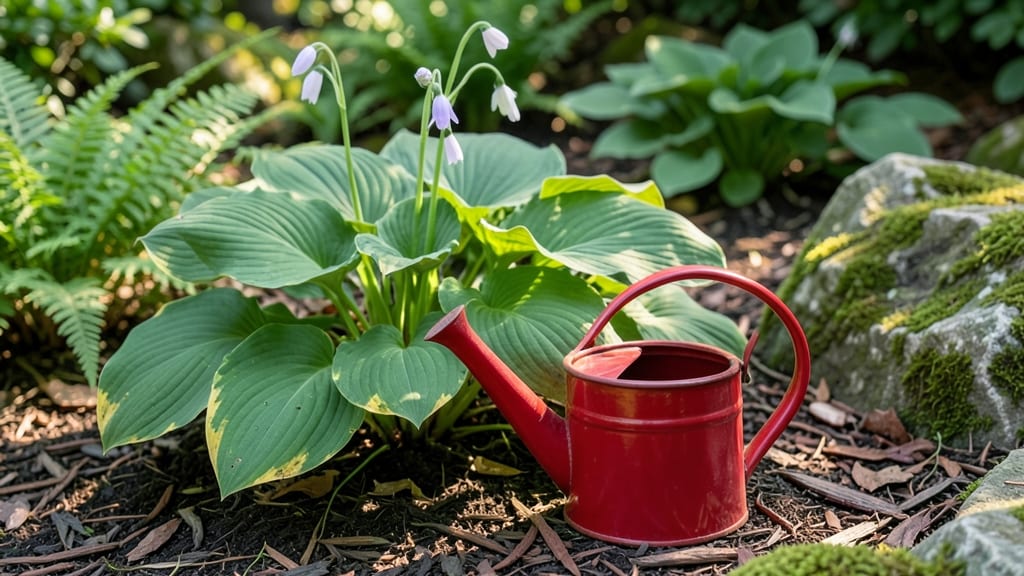
The hosta plant’s leaves turning yellow can turn your shady garden corner from lush to limp in no time—whether after heavy rains, overwatering, or slugs’ midnight feasts. 🌿 The good news? Most cases fix easily with simple adjustments—no panic required.
First, check the soil: soggy roots smothered in water or compacted dirt can’t breathe, leading to yellowing. Then look closer—brown spots or holes? That’s either fungal leaf spot or hungry pests.
Nutrient deficiencies (like lack of iron) can also sneak in, especially in clay-heavy soils. The fix often starts with better drainage and a quick soil test.
You’ll have vibrant green foliage again in weeks with the right care: trim the damaged leaves, adjust your watering to once a week (unless it’s scorching), and add mulch to keep moisture steady.
For pests, a beer trap or diatomaceous earth works wonders without harsh chemicals. Trust me, your hostas will bounce back faster than you think.
This works for all hosta varieties—from giant ‘Blue Angel’ to tiny ‘Pandora’—and keeps them thriving year after year. Once you spot the early signs, you’ll catch problems before they spread. Let’s get those leaves back to their best!
Root Causes Behind Yellowing Hosta Leaves
Yellowing leaves on your hosta plants can feel like a mystery—one minute they’re vibrant, the next they’re fading like a sunset. But don’t worry! Most of the time, this shift in color is your plant’s way of signaling a specific issue.
Let’s break down the real culprits behind those unsightly yellow patches and streaks, so you can diagnose and fix the problem like a pro.
Hostas love moisture, but too much water—especially in stagnant soil—can drown their roots. When roots sit in soggy conditions, they struggle to absorb oxygen, leading to root rot and nutrient deficiencies. Yellowing leaves, often paired with mushy stems or wilting, are classic signs of overwatering.
Why it happens:
- Compacted or clay-heavy soil holds excess water, suffocating roots.
- Lack of drainage in containers or garden beds traps moisture, creating anaerobic (oxygen-free) conditions.
- Frequent watering without checking soil moisture can overwhelm the plant’s natural drying cycle.
Actionable fix:
- Test soil moisture by sticking your finger 2 inches deep—water only if it’s dry.
- Amend heavy soil with compost or perlite to improve aeration.
- Ensure pots have drainage holes and elevate them to prevent water pooling.
Hostas thrive in partial shade, but when exposed to harsh afternoon sun or extreme heat, their leaves can scorch. Yellowing often starts as bleaching or browning edges, especially on older foliage. This is the plant’s way of saying, “I’m getting a sunburn!”
Why it happens:
- Direct sunlight (6+ hours/day) causes oxidative stress, breaking down chlorophyll.
- Heatwaves dry out leaves faster than roots can replenish moisture, leading to transpiration imbalances.
- Reflective surfaces (like pavement or light-colored walls) amplify UV damage.
Actionable fix:
- Move hostas to a shadier spot (dappled light is ideal).
- Use mulch to regulate soil temperature and retain moisture.
- Provide afternoon shade with a sheer curtain or nearby trees.
Yellowing leaves can also signal a hunger for key nutrients, particularly nitrogen, iron, or magnesium. Each deficiency targets different parts of the leaf, helping you pinpoint the issue:
| Nutrient Deficiency | Symptoms | Why It Happens |
|---|---|---|
| Nitrogen (N) | Yellowing older leaves (starting at tips) | Soil depletion or poor organic matter. |
| Iron (Fe) | Interveinal chlorosis (yellow between veins, veins stay green) | High pH soil (alkaline) locks out iron. |
| Magnesium (Mg) | Yellow patches between veins on older leaves | Over-fertilization with synthetic salts. |
| Potassium (K) | Yellowing edges or scorched tips | Stress from drought, disease, or poor soil. |
Why it happens:
- Alkaline soil (pH > 7.0) reduces iron and manganese availability.
- Over-fertilizing with synthetic mixes can burn roots or disrupt nutrient ratios.
- Poor soil structure limits microbial activity, which helps break down nutrients.
Actionable fix:
- Test soil pH (aim for 6.0–7.0 for hostas) and amend with sulfur or peat moss if too alkaline.
- Apply a balanced organic fertilizer (like 10-10-10) in early spring.
- For iron deficiency, use chelated iron supplements or Epsom salt (magnesium sulfate).
While less common, pests and diseases can also trigger yellowing leaves.
Keep an eye out for: - Slugs/snails: Leave behind irregular holes and silvery slime trails. - Aphids or spider mites: Cause stippling (tiny yellow dots) and sticky residue (honeydew). - Fungal infections (like leaf spot): Yellow halos around brown spots, often in humid conditions. - Root-knot nematodes: Stunted growth + yellowing from root damage.
Why it happens:
- Weakened plants (from stress or poor care) are easier targets.
- Humid climates or overhead watering encourage fungal spread.
- Pests feed on sap, disrupting nutrient flow and causing leaf discoloration.
Actionable fix:
- Handpick slugs or use beer traps (bury a cup filled with beer).
- Spray neem oil or insecticidal soap for mites/aphids.
- Remove infected leaves and apply copper fungicide for leaf spot.
- Rotate crops and use resistant hosta varieties to prevent nematodes.
Not all yellowing is a red flag! Hostas naturally shed older leaves as they mature, especially in late summer or fall.
Look for: - Uniform yellowing starting at the base of the plant (not random spots). - Leaves curling or dying back as new growth emerges. - No other symptoms (like wilting, spots, or pests).
Why it happens:
- Senescense (natural aging) shifts nutrients to new growth.
- Cooler temps slow metabolism, causing older leaves to decompose.
- Dormancy prep: Some hostas yellow as they enter winter rest.
Actionable fix:
- Leave old leaves until they’re crispy—they protect roots from temperature swings.
- Trim dead foliage in early spring to make room for fresh growth.
- Fertilize lightly in spring to support new leaves.
Fixing Yellow Hosta Leaves Fast
Now that you’ve pinpointed the cause of your hosta’s yellowing leaves, let’s roll up our sleeves and get those plants back to their vibrant, lush selves! Below are practical, step-by-step solutions tailored to each issue—plus prevention tips to keep your hostas thriving long-term.
Fix: Adjust watering habits and improve soil conditions.
🔥 Step 1: Check the Soil Moisture Stick your finger 1–2 inches deep into the soil. If it’s soggy or smells like rot, your hostas are drowning. Water only when the top 1 inch feels dry to the touch.
🍳 Step 2: Improve Drainage
- Raise beds or containers slightly (use bricks or pot feet) to prevent water pooling.
- Amend heavy clay soil with organic matter: Mix in compost, perlite, or coarse sand (50/50 ratio with existing soil).
- Add a layer of gravel at the bottom of pots if planting in containers.
👨🍳 Step 3: Water Smartly
- Water deeply but less often—aim for 1–1.5 inches per week, including rain.
- Water at the base (not overhead) to avoid fungal diseases like leaf spot.
- Use a moisture meter for accuracy if you’re unsure.
🌱 Prevention Tips: ✅ Choose well-draining soil (hostas hate "wet feet"). ✅ Plant in mounds—hostas naturally grow slightly elevated in the wild. ✅ Mulch with 2–3 inches of organic mulch (like shredded bark) to regulate moisture.
Fix: Shade adjustments and hydration boosts.
🔥 Step 1: Provide Afternoon Shade Move pots or install shade cloth (30–50%) if your hostas are in full sun. Partial shade (3–6 hours of morning sun) is ideal for most varieties.
🍳 Step 2: Boost Hydration
- Water more frequently during heatwaves (check soil daily).
- Use drip irrigation or soaker hoses to keep roots consistently moist.
- Mist leaves lightly in extreme heat (early morning only to avoid fungal issues).
👨🍳 Step 3: Protect with Mulch Apply a thick layer of mulch (3–4 inches) to retain soil moisture and cool roots.
🌡️ Prevention Tips: ✅ Choose shade-tolerant varieties (e.g., ‘Blue Angel’, ‘Halcyon’) if full sun is unavoidable. ✅ Avoid pruning in peak heat—stressed plants handle stress poorly. ✅ Group hostas with taller plants to create natural shade.
Fix: Traps, barriers, and natural remedies.
🔥 Step 1: Remove Pests Manually
- Handpick slugs/snails at night (when they’re active) and drop them in soapy water.
- Wipe off aphids with a soapy cloth (1 tsp mild soap + 1 quart water).
🍳 Step 2: Set Up Barriers & Traps
- Copper tape around pots (slugs hate it!).
- Beer traps: Bury a shallow dish filled with beer—slugs crawl in and drown.
- Diatomaceous earth (food-grade) around the base (reapply after rain).
👨🍳 Step 3: Encourage Natural Predators
- Attract birds with nearby feeders or birdhouses.
- Plant pest-repelling companions like mint, lavender, or marigolds nearby.
🎯 Prevention Tips: ✅ Water in the morning so slugs aren’t lured out at night. ✅ Keep grass short around hostas (slugs hide in tall grass). ✅ Inspect new plants before bringing them home—quarantine for a week if needed.
Fix: Fertilize and amend soil.
🔥 Step 1: Test Your Soil Use a DIY soil test kit (available at garden centers) to confirm if pH or nutrients are off. Hostas prefer pH 6.5–7.5.
🍳 Step 2: Fertilize Correctly
- For nitrogen deficiency (yellow lower leaves): Apply a balanced fertilizer (10-10-10) or compost tea in early spring.
- For iron/chlorosis (yellow with green veins): Use an iron chelate or Epsom salt (1 tbsp per gallon of water, spray on leaves).
- For magnesium deficiency (yellow patches between veins): Sprinkle Epsom salt around the base (follow package rates).
👨🍳 Step 3: Improve Soil Health
- Add compost (1–2 inches worked into the topsoil).
- Use worm castings for slow-release nutrients.
- Avoid over-fertilizing—hostas prefer moderate feeding over heavy doses.
💡 Prevention Tips: ✅ Mulch annually with compost to replenish nutrients. ✅ Rotate fertilizers—alternate between organic and synthetic for best results. ✅ Avoid fertilizing in winter—hostas are dormant and don’t need extra nutrients.
Fix: Prune, treat, and improve airflow.
🔥 Step 1: Prune Infected Leaves
- Cut off yellow/brown spots with sterilized scissors, leaving healthy tissue.
- Dispose of clippings in the trash (not compost).
🍳 Step 2: Apply Fungicide
- Baking soda spray: Mix 1 tsp baking soda + 1 quart water + a drop of dish soap. Spray every 7–10 days.
- Copper fungicide (like Bordeaux mixture) for severe cases.
👨🍳 Step 3: Improve Airflow & Dryness
- Space plants 12–18 inches apart to reduce humidity.
- Water at the base (avoid overhead sprinkling).
- Remove nearby weeds that harbor spores.
✨ Prevention Tips: ✅ Avoid overhead watering—use drip irrigation instead. ✅ Clean tools with rubbing alcohol between cuts to prevent spread. ✅ Plant in raised beds if your area has poor drainage.
Pro Tip: 🌿 If your hosta is struggling with multiple issues (e.g., yellowing + pests), tackle drainage first, then pests, then fertilize. Healthy roots = stronger recovery!
Frequently asked questions
Why do my hosta leaves turn yellow in patches instead of all at once?
Patchy yellowing usually signals a localized issue like fungal leaf spot or pest damage. Check for brown spots with yellow halos (fungus) or tiny holes/slime trails (slugs). If only older leaves yellow uniformly, it’s likely nutrient depletion or natural aging.
Can I save my hosta if the yellowing has spread to most leaves?
Yes! First, trim all severely yellow/damaged leaves to redirect energy. Then address the root cause: improve drainage, adjust sunlight, or treat pests. Healthy roots will regrow foliage in 4-6 weeks. For advanced cases, divide the plant in spring to refresh it.
Is Epsom salt safe for all hosta varieties?
Yes, but use it sparingly—1 tablespoon per gallon of water—to treat magnesium deficiency (yellow patches between veins). For iron chlorosis (yellow with green veins), use chelated iron instead. Test soil first—hostas prefer pH 6.5-7.5. Overuse can harm roots.
How do I tell if my hosta needs more sun or less?
Look for these clues: Bleached or crispy edges = too much sun. Limp, drooping leaves = not enough light. Hostas thrive in partial shade (3-6 hours of morning sun). Move gradually—sudden shade changes can stress plants.
Why do my container-grown hostas yellow faster than in-ground ones?
Containers dry out quicker and have poor drainage if not elevated. Use pots with drainage holes, raise them on feet, and water only when the top 1 inch of soil is dry. Add perlite or compost to improve aeration.