
Flowers
Want vibrant blooms that thrive with minimal care? These 10 flowering tuber plants deliver stunning seasonal color while requiring less water, sunlight, and maintenance than traditional annuals—perfect for gardeners of all skill levels.
Dahlias for Bold Summer Displays
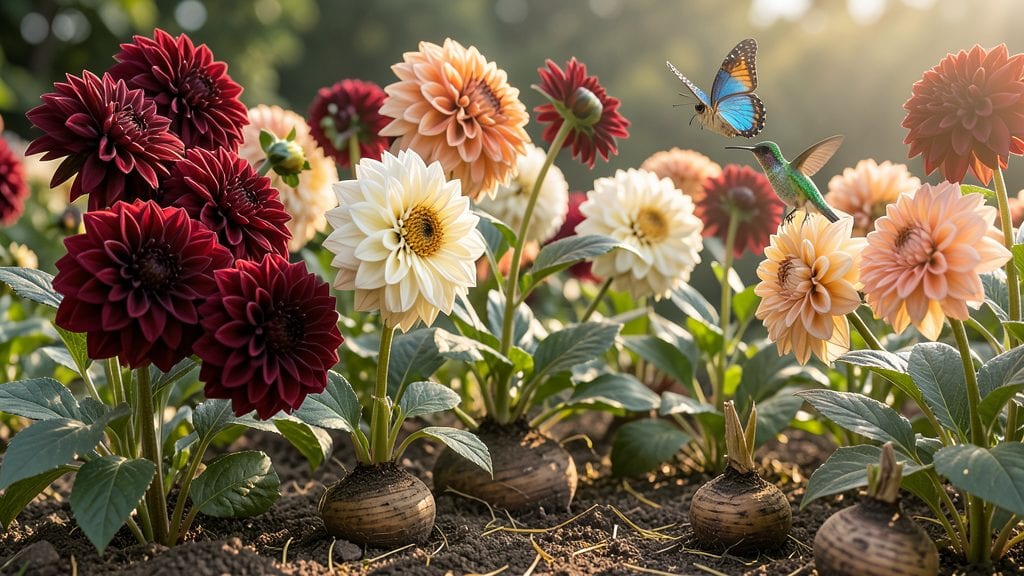
Want to turn your summer garden into a pollinator paradise with minimal effort? Dahlias deliver 100+ varieties of velvety blooms that thrive in well-drained soil and attract bees, butterflies, and hummingbirds—plus, they keep flowering until frost.
These dramatic tubers love afternoon shade in hot climates, preventing wilting while still soaking up morning sun. Choose from dinner-plate-sized blooms to delicate pom-poms, and cut stems for arrangements that last weeks in vases. Plant tubers 2-3 inches deep after the last frost for bold, long-lasting displays that outshine traditional annuals.
Perfect for cut flower enthusiasts and gardeners who love late-season color, dahlias reward you with minimal deadheading and drought-tolerant foliage once established. 🌻
Canna Lilies for Tropical Garden Drama
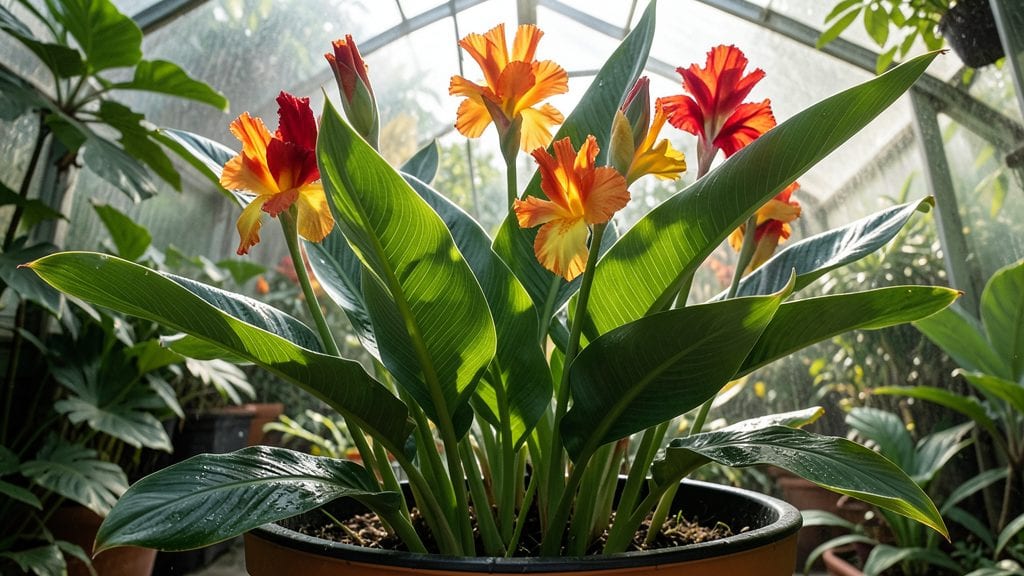
If you crave a tropical oasis without the upkeep, canna lilies are your go-to tuber plant. Their bold, banana-like foliage and fiery blooms (in red, orange, or yellow) thrive in humid climates—even in containers—while demanding far less attention than dahlias or roses.
These low-maintenance superstars flower nonstop until frost with almost no deadheading, making them perfect for pollinator gardens. Plant tubers 2-3 inches deep in moist, well-drained soil and watch them shoot up 3-6 feet tall. Their drought-tolerant roots also make them ideal for urban gardens or mixed borders where other plants might struggle.
Best of all, canna lilies double as statement plants—their vibrant hues and lush leaves create instant drama. Urban gardeners and beginners will love how they outperform annuals while requiring zero fuss. 🌿
Gladiolus for Vertical Garden Impact
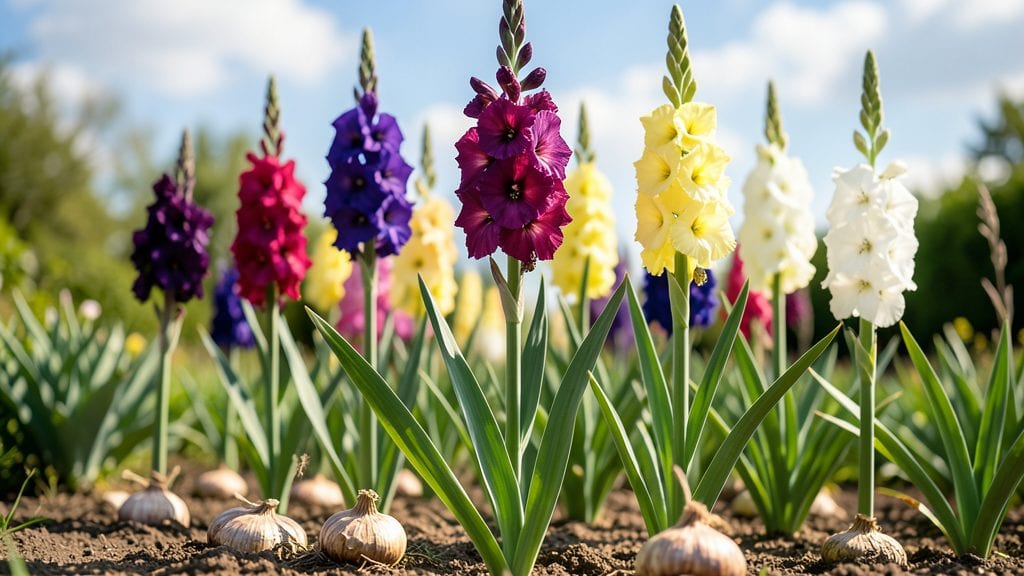
Struggling to add height to your garden without sacrificing space? Gladiolus spikes are your secret weapon—these showy blooms grow 3-5 feet tall in every color imaginable, making them perfect for small gardens or mixed borders where vertical drama is needed.
Plant corms 4-6 inches deep in spring after the last frost, spacing them 6 inches apart. They thrive in full sun with consistent moisture (but avoid soggy soil) and produce continuous blooms from summer to fall. Cut stems for long-lasting arrangements or let them stand tall in the garden—each spike holds 10-20 flowers!
Ideal for urban gardeners and cut flower enthusiasts, gladiolus adds instant vertical interest with minimal effort. Just remember to dig up and store corms after frost for next year’s bold displays. ✨
Caladiums for Shade Garden Elegance
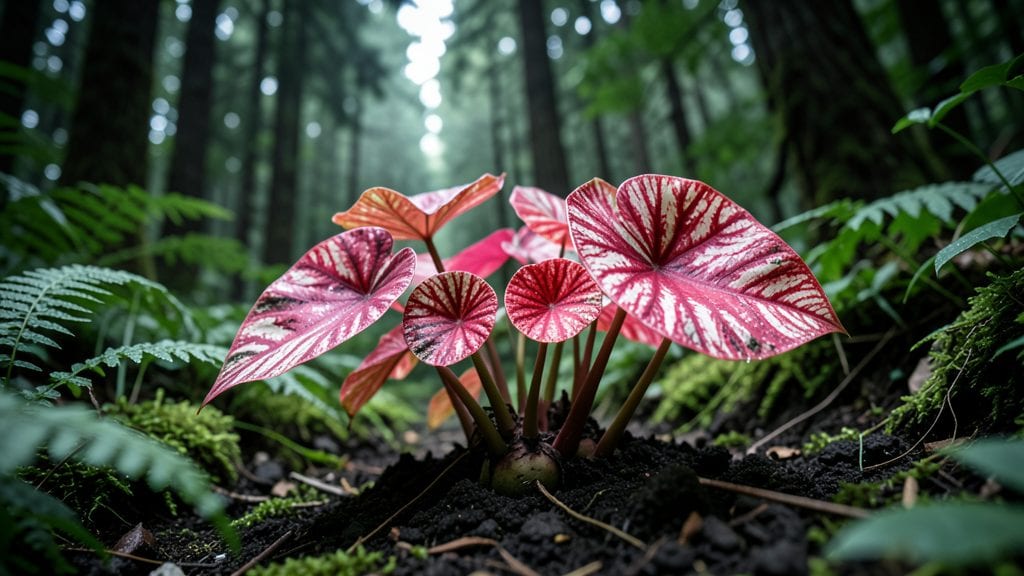
Tired of struggling to find plants that thrive in shady spots? Caladiums are the answer—these non-flowering tuber plants deliver heart-shaped leaves in dazzling pink, red, and white patterns that outshine most blooms in low-light conditions.
Unlike sun-loving tubers, caladiums flourish in woodland gardens, shaded patios, or even indoor plant collections with just bright, indirect light. Plant tubers 1-2 inches deep in moist, well-draining soil and watch them emerge in 4-6 weeks. Their drought-tolerant foliage stays vibrant all season, making them perfect for urban balconies or understory plantings.
Ideal for gardeners with limited sunlight, caladiums bring year-round elegance with zero fuss—no deadheading, no wilting, just lush color that rivals flowers. 💚
Begonias for Continuous Container Blooms
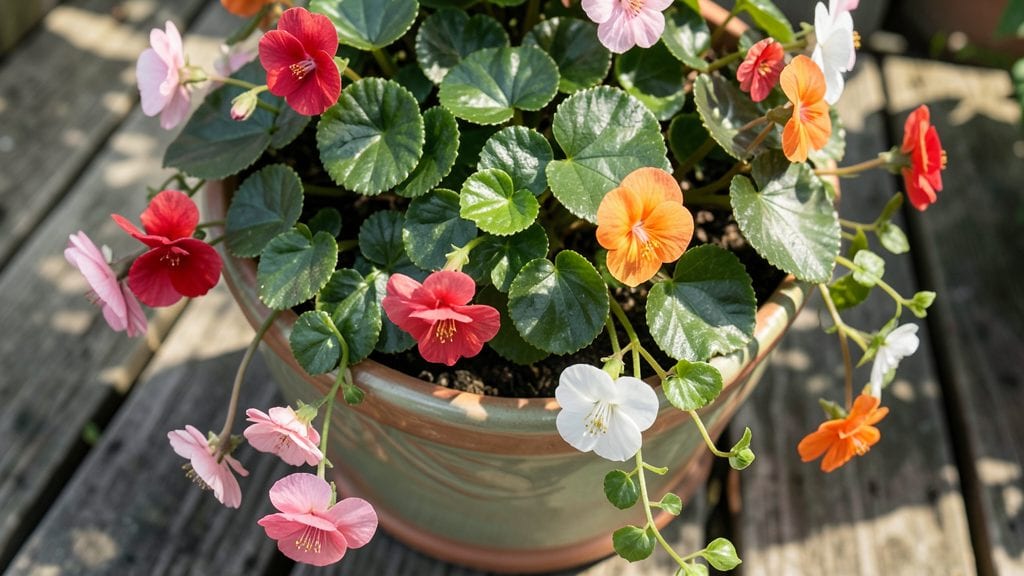
Looking for year-round color without the fuss of seasonal replanting? Begonias are the ultimate container superstars—producing delicate, waxy blooms in pink, red, white, and orange from spring through fall (and even winter in warm zones). Their trailing vines and glossy leaves make them perfect for hanging baskets or mixed containers where they spill over edges like a living waterfall.
These partial-shade lovers thrive in morning sun with afternoon shade, making them ideal for urban balconies, shaded patios, or mixed containers with other shade-tolerant plants like caladiums or fuchsias. Plant tuberous begonias (not fibrous types) in well-draining potting mix and keep soil consistently moist but never soggy. Pinch back leggy stems early to encourage bushier growth and more blooms—your containers will burst with color for months with minimal deadheading.
Urban gardeners and small-space growers will love how begonias fill gaps in containers while requiring zero fuss. Pair them with trailing sweet potato vine or upright coleus for a low-maintenance, high-impact display that keeps blooming all season. 🌷
Tuberous Begonias for Greenhouse Glamour
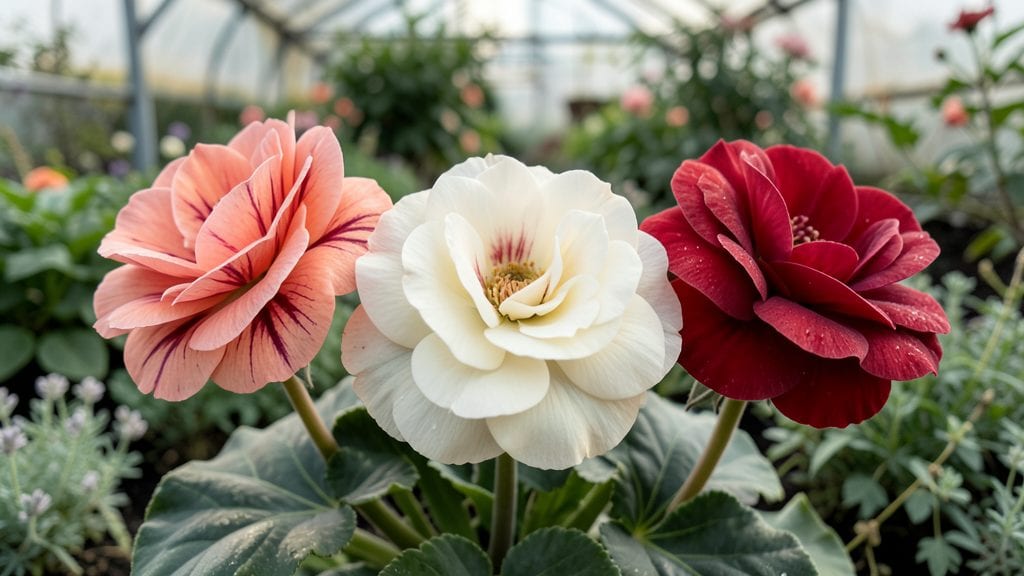
Craving dinner-plate-sized blooms that turn heads in any garden setting? Tuberous begonias deliver the drama—think velvety petals in salmon, crimson, or ivory that dwarf their fibrous cousins, perfect for greenhouse centerpieces or mixed borders where they steal the show.
Unlike their trailing, container-loving relatives, these statement plants thrive in humid conditions with morning sun and afternoon shade, making them ideal for conservatories, sunrooms, or shaded garden beds. Plant tubers 1-2 inches deep in moist, well-draining soil enriched with compost, and watch 3-4 foot tall plants emerge with glossy, waxy leaves that frame their 6-inch-wide blooms. Deadhead spent flowers to encourage nonstop blooming from late spring to frost.
Greenhouse enthusiasts and garden designers will love how tuberous begonias elevate any space—their bold blooms pair beautifully with ferns, hostas, or other shade-loving perennials. Just remember to lift and store tubers before frost for next year’s showstopping displays. ✨
Anemones for Late-Season Garden Magic
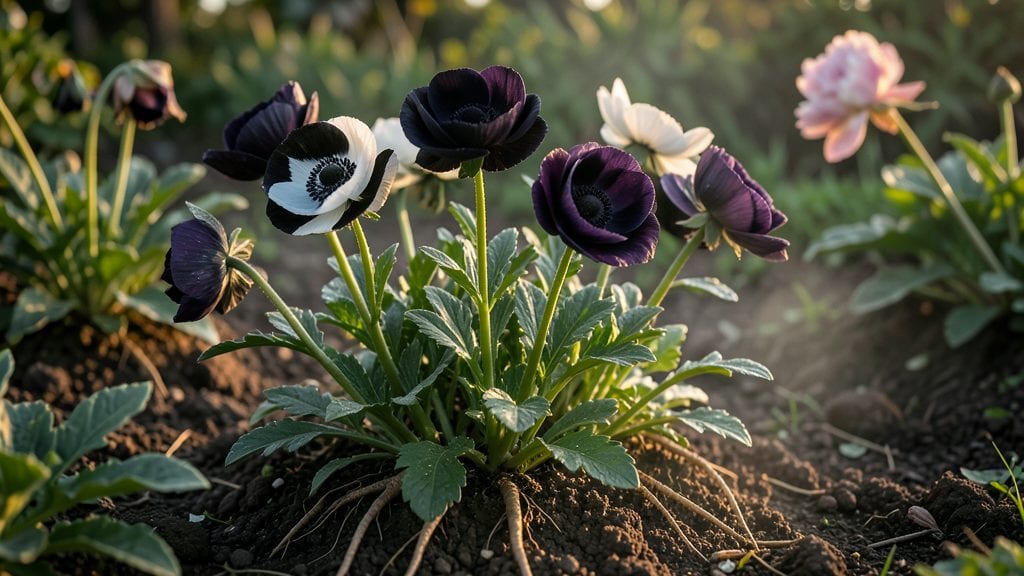
When your summer blooms start fading but you refuse to let your garden go dormant, anemones swoop in like late-season superheroes. These delicate yet hardy tubers produce black, white, and deep purple blooms that dance in the breeze from midsummer straight through frost—perfect for filling those pesky color gaps when other plants call it quits.
Anemones thrive in partial shade to full sun and prefer well-drained soil enriched with compost. Plant tubers 1-2 inches deep in early spring, spacing them 6-12 inches apart. Their papery petals and dark centers create a striking contrast against perennials like black-eyed Susans or sedum, while their drought-tolerant nature means less fuss once established. Deadhead spent blooms to encourage more flowers until the first hard frost.
Perfect for cutting gardens or mixed borders, anemones bring romantic drama with minimal effort. Urban gardeners and pollinator enthusiasts will love how they attract bees and butterflies while keeping your late-season displays vibrant and full of life. 🌷
Elephant Ears for Dramatic Foliage Accents
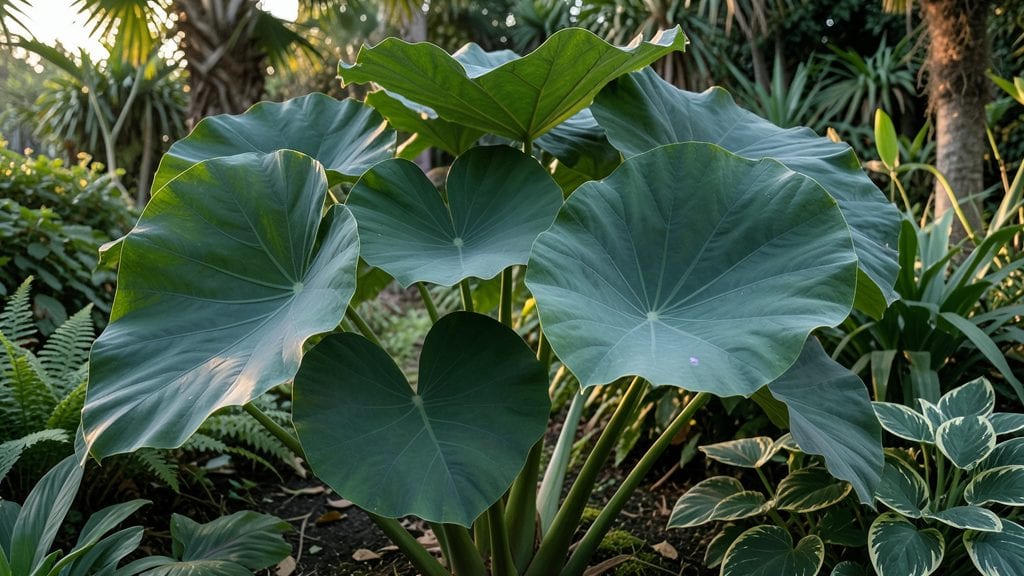
Skip the flowers if you’re all about bold foliage—elephant ears (Colocasia) deliver the drama with leaves that can reach 2 feet wide, turning your garden into a tropical paradise without a single bloom. These stunners thrive in full sun to partial shade, making them the perfect backdrop for mixed borders or container displays where their deep purple, green, or chartreuse leaves create instant contrast.
Plant tubers 1-2 inches deep in moist, well-draining soil enriched with compost, and watch them shoot up 3-5 feet tall. Unlike flowering tubers, elephant ears focus all their energy on foliage, so they require zero deadheading—just keep the soil consistently damp (but not soggy) for lush, glossy leaves that stay vibrant all season. Their drought-tolerant roots also make them ideal for urban gardens or mixed containers where other plants might wilt.
Perfect for gardeners who love textural contrast, elephant ears pair beautifully with tropical-themed plants like cannas or caladiums, or even as a bold statement in modern landscapes. Their striking foliage ensures your garden stays visually exciting even when flowers fade. 🌿
Ranunculus for Romantic Cut Flower Arrangements
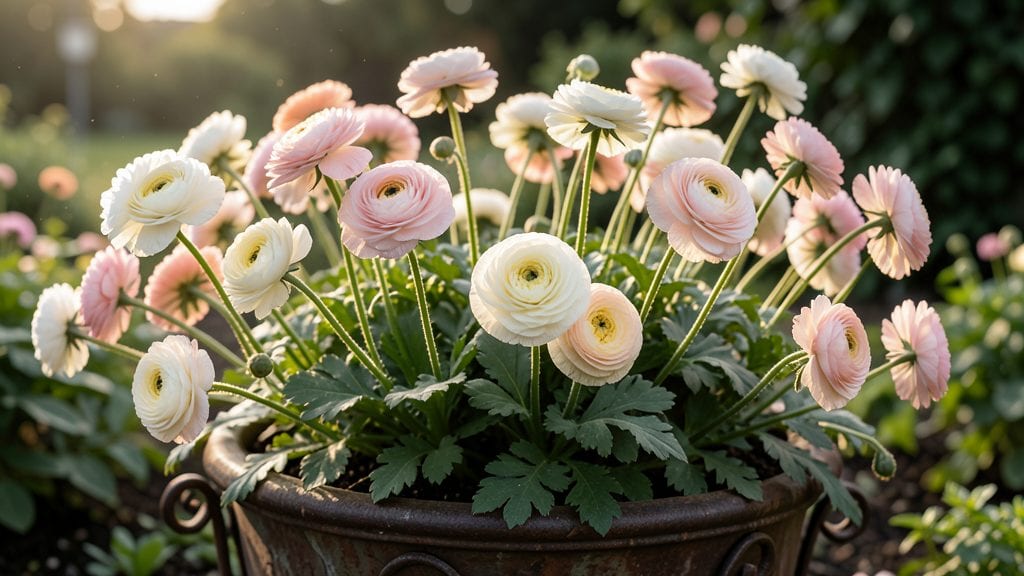
Craving the romance of a vintage flower garden without the fuss of roses? Ranunculus delivers layered, papery blooms in soft pinks, whites, and creamy yellows that rival roses in elegance—yet they’re far easier to grow. These cool-climate darlings thrive in USDA Zones 3-9, producing abundant stems perfect for weddings, bridal bouquets, or fresh-cut arrangements that last weeks in vases.
Plant tubers 1-2 inches deep in well-draining soil with full sun to partial shade, and you’ll get continuous blooms from late spring to summer. Their secret? Cool nights (below 75°F) encourage more flowers—ideal for gardeners in northern climates or high-altitude areas. For extra romance, mix colors like ‘Strawberry Fields’ (pink) with ‘Buttercup’ (yellow) for a whimsical, old-fashioned look.
Perfect for cut flower farmers, brides-to-be, and cottage garden lovers, ranunculus transforms any space into a storybook setting with minimal effort. Just remember to lift and dry tubers after frost for next year’s blooms. 🌷
Sweet Potato Vine for Cascading Color
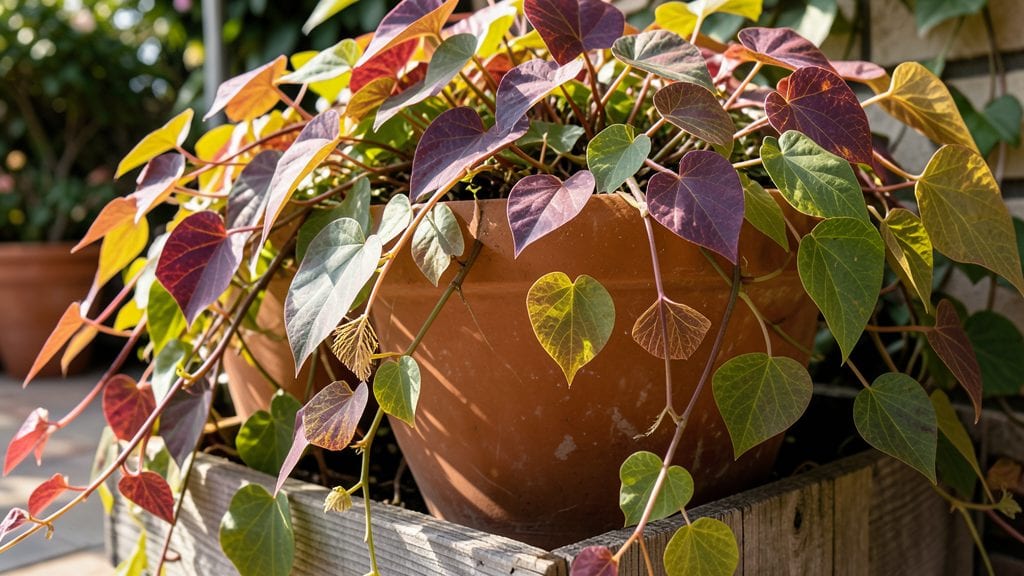
Want to transform bare spots into instant color without the fuss of flowers? Sweet potato vine delivers fast-growing, trailing foliage in fiery shades of purple, green, and gold—perfect for filling vertical spaces or softening container edges in minutes.
These non-flowering vines grow 10-12 feet long in a single season, thriving in full sun to partial shade with minimal care. Simply plant slips (young shoots) in well-draining soil, water lightly, and watch them cascade over trellises, pots, or garden beds. Varieties like 'Margarita' (silver-green) or 'Blackie' (deep purple) add dramatic contrast to any sunny spot.
Ideal for urban balconies, hanging baskets, or ground cover, sweet potato vine requires zero deadheading and tolerates drought once established. It’s the ultimate zero-effort thriller for gardeners who love bold foliage over flowers. 🌻