
Planting
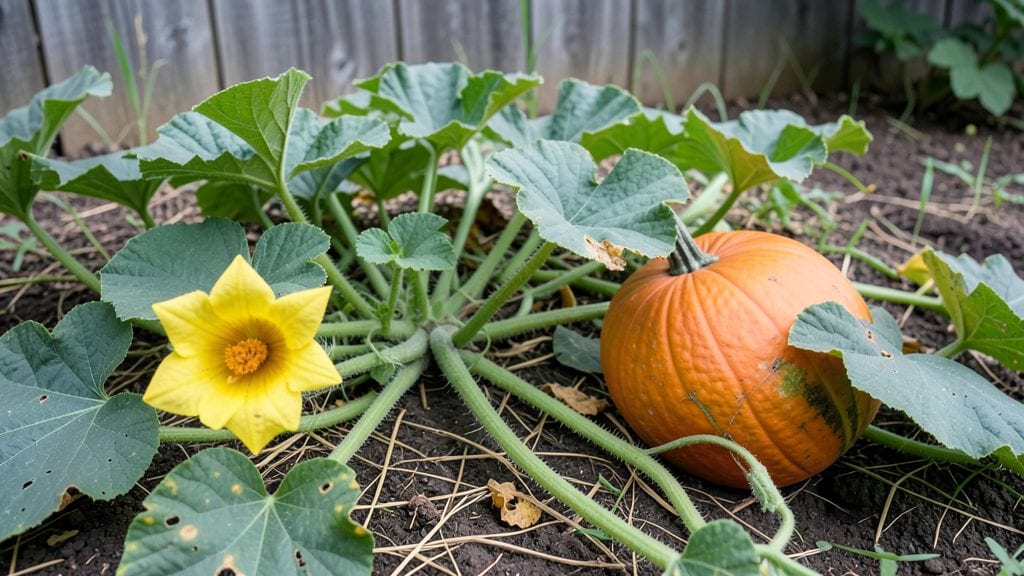
Growing giant pumpkin plants means turning your garden into a jungle of sky-high vines and record-breaking fruit. 🌻 I’ve watched 200-pound pumpkins form right in my backyard—it’s not about luck, but about the right soil, spacing, and a little extra care.
The vines grow aggressively, so plan for them to sprawl or climb, but the payoff is worth every inch of space.
You’ll need rich, well-draining soil mixed with compost, plus plenty of room—these vines stretch 10-20 feet in all directions. Start seeds indoors 4-6 weeks before your last frost, then transplant when soil warms to 70°F.
A trellis or fence helps manage the sprawl, but if you let them roam, the pumpkins will find their own space. The key? Consistent moisture—drought stress kills growth fast.
By midsummer, you’ll see foot-long stems and the first blooms. Fertilize weekly with a balanced 10-10-10 mix, and watch as the vines thicken. The biggest challenge? Bees for pollination—hand-pollinate if needed, and protect blooms from squash bugs.
A single healthy vine can produce 5-10 pumpkins, but you’ll cull runners to focus energy on one monster.
Harvest time arrives when the stem turns brown and the rind hardens—usually 90-100 days after transplanting. Cure pumpkins in the sun for a week before storing. Even if you don’t break records, the experience is unforgettable. Ready to grow one of these? Let’s get those seeds started.
📚 In This Guide
- What you need
- Instructions
- Tips and common mistakes
- Wrapping up and next steps
What you need
- ● Giant pumpkin seeds: Choose heirloom varieties like ‘Atlantic Giant,’ ‘Howden,’ or ‘Dill’s Atlantic Giant’—these are bred for massive size! (Buy 5–10 seeds for redundancy.)
- ● Large containers or garden space: Containers: At least 55-gallon barrels or 3’x3’x3’ cubes (2–3 per plant). Use black plastic to absorb heat.
- ● Garden beds: Ensure 10’x10’+ plots with 12–18” deep soil and full sun (6+ hours daily).
- ● High-quality soil: Mix 50% compost, 30% topsoil, and 20% perlite/sand for drainage. Add 1 cup bone meal and 1 cup 10-10-10 fertilizer per plant at planting.
- ● Trellis or support: Install a 10’+ tall trellis (e.g., pumpkin trellis kits or sturdy wire mesh) to train vines vertically.
- ● Watering supplies: Drip irrigation or soaker hoses (giant pumpkins need 1–2 gallons of water per day once vines sprawl!).
- ● Watering can (for seedlings).
- ● Pruning tools: Bypass pruners (for vine management).
- ● Garden shears (for larger stems).
- ● Mulch: Straw or black plastic to retain moisture and warm soil.
- ● Shade cloth: For seedlings to prevent scorching in hot climates.
- ● Slings or netting: To lift pumpkins off the ground and prevent rot.
- ● Growth regulators: Seaweed extract or kelp meal to boost vine strength.
- ● Pumpkin sling kit: Pre-made straps to support 500+ lb fruits.
Step-by-Step instructions for cultivating giant pumpkin vines
Here's how to coax those sky-high vines into producing record-breaking pumpkins.
🌱 Step 1: Select and Prepare the Right Variety
Giant pumpkin varieties like 'Atlantic Giant' or 'Big Moon' produce vines that can stretch over 100 feet—you'll need space. Start with 4 seeds per hill (you'll thin later) planted 1 inch deep in warm, well-draining soil after the last frost when soil temperatures reach 65°F. The reason for planting multiple seeds? Giant pumpkins are fickle, and not all seeds germinate reliably.
I always plant mine on mound hills (3-4 feet wide, 1 foot high) to improve drainage and reduce rot. Mix in compost to enrich the soil—giant pumpkins are heavy feeders and need nutrients to support their massive growth. Space hills 10 feet apart to give vines room to sprawl without competing for sunlight.
💧 Step 2: Water Deeply and Maintain Consistent Moisture
Giant pumpkins need 1-2 inches of water weekly, but consistency is key. Uneven moisture causes blossom-end rot or weak vines. I water early in the morning to reduce evaporation and fungal risks. Use a soaker hose to deliver water directly to the roots—this prevents wetting the leaves, which can spread disease.
Watch for wilting leaves or dry soil as your signal to water. Giant pumpkins have shallow roots, so the top 2 inches of soil should stay moist but not soggy. Mulch with straw to retain moisture and suppress weeds—this is non-negotiable in humid climates where fungal diseases thrive.
☀️ Step 3: Train Vines and Maximize Sun Exposure
Giant pumpkin vines need full sun (8+ hours daily) to produce the energy required for massive fruit growth. If your vines start stretching toward the light, they're not getting enough. I stake 2-3 main runners to a trellis or fence using soft garden twine—this prevents breakage and keeps the plant off the ground, reducing rot risk.
Here's the thing—giant pumpkins produce male and female flowers separately. The female flowers (with a tiny pumpkin at the base) are what you want to pollinate. Hand-pollinate by transferring pollen from male flowers to female blooms using a small brush. Do this early in the morning when flowers are fresh and sticky with pollen.
✂️ Step 4: Prune and Thin for Optimal Growth
Once vines reach 10-15 feet, start pruning side shoots to direct energy into 2-3 main runners. Remove any leaves touching the ground to prevent disease. I also thin to one strong pumpkin per vine—keeping multiple fruits weakens the plant and reduces size. Choose the healthiest-looking pumpkin and remove others at the stem base with clean pruners.
Watch for yellowing leaves or stunted growth—these are signs of overcrowding or nutrient deficiency. Giant pumpkins need regular feeding with a balanced fertilizer (10-10-10) every 2 weeks once vines start running. Stop fertilizing 4 weeks before harvest to avoid bitter flesh.
⏰ Step 5: Harvest at Peak Ripeness
Giant pumpkins are ready when the stem near the fruit hardens and the rind turns solid and dull (no green streaks). Use a pruning saw to cut the stem, leaving 3-4 inches of stem attached to the pumpkin. Handle with care—these monsters can weigh over 1,000 pounds! I always harvest in the morning when temperatures are cooler to reduce stress on the vine.
After harvest, cure pumpkins in a warm, dry space (80-85°F) for 10 days to develop their sweet flavor. Store in a cool, dark place (50-55°F) where they'll keep for months. The key to giant pumpkins isn't just size—it's patience and precision at every step.
Tips & tricks for growing giant pumpkin vines
Giant pumpkins don't grow by accident—they thrive with precision. Here are the game-changing details that separate good harvests from record-breakers.
Soil Temperature Matters: The 65°F soil temperature threshold in Step 1 is non-negotiable. Use a soil thermometer to verify—cold soil slows germination dramatically. I've planted seeds in 60°F soil and waited weeks for sprouts, while 70°F soil gets them popping in days. For extra insurance, use black plastic mulch to warm the soil faster if your spring is cool.
Watering Strategy for Massive Growth: Those 1-2 inches of water weekly in Step 2 should be delivered consistently—never let the top 2 inches of soil dry out completely. I set up a drip irrigation system on a timer for my giant pumpkins because manual watering can't match the precision these plants demand. In humid climates, water in the morning only to prevent fungal diseases that thrive in damp evening air.
Pruning Precision: When you reach the 10-15 feet pruning stage in Step 4, focus on creating 2-3 main runners that are at least 1 inch thick. Thin out any runners that are growing toward the center of the hill—they'll compete for nutrients. I use sterilized pruners and make clean cuts at a 45-degree angle to prevent disease entry points. Don't be afraid to be aggressive with pruning—these plants reward bold action.
Harvest Timing Secret: The 10-day curing period at 80-85°F in Step 5 is where flavor magic happens. I've seen pumpkins that looked perfect but tasted bland because they weren't cured properly. For even sweeter results, extend the cure to 14 days—the longer they cure, the more concentrated the sugars become. Store your cured pumpkins at 50-55°F in a dark place, checking them monthly for any signs of soft spots that could indicate rot.
Pro Tips for Giant Pumpkin Plant
- Giant pumpkins don't grow by accident—they thrive with precision.
- Soil Temperature Matters: The 65°F soil temperature threshold in Step 1 is non-negotiable.
- Watering Strategy for Massive Growth: Those 1-2 inches of water weekly in Step 2 should be delivered consistently—never let the top 2 inches of soil dry out completely.
Frequently asked questions
Got questions about growing your own giant pumpkin? You’re not alone! Here are some of the most common queries—plus straightforward answers to help you crush your harvest goals.
How much space do I really need for a giant pumpkin plant?
A single giant pumpkin vine can sprawl 20–30 feet in all directions! If space is tight, opt for a trellis or tall fence (they’ll climb like crazy ). For best results, give them a 10x10-foot patch or more—these plants are not shy about stretching out. Pro tip: Use reflective mulch (like silver plastic) to deter pests and save space!
When is the best time to plant giant pumpkin seeds?
Timing is everything! Giant pumpkins thrive in warm soil (70°F+) and need 90–120 frost-free days. Plant seeds 2–4 weeks after your last frost date (or start indoors 2–3 weeks earlier in cooler climates). For a head start, soak seeds overnight—it boosts germination rates by 30%!
Are giant pumpkin seeds expensive? Can I save seeds from store-bought pumpkins?
Yes, giant pumpkin seeds (like Atlantic Giant or Big Max) can cost $5–$15 per packet—but they’re worth it! Store-bought pumpkin seeds? Nope! Those are hybridized for flavor, not size. Save seeds from open-pollinated giant pumpkins (like Howden) for next year, but isolate them from other pumpkin varieties to avoid cross-pollination.
What’s the #1 pest threat to giant pumpkin plants, and how do I stop it?
Squash vine borers are the silent killers! These caterpillars chew through stems, collapsing vines overnight. Prevent them with:
- Row covers (remove when flowers appear for pollination).
- Neem oil sprays (reapply every 7–10 days).
- Handpick eggs (tiny white ovals on undersides of leaves).
How do I know when my giant pumpkin is fully grown?
Giant pumpkins stop growing when their rind hardens (test with your fingernail—it shouldn’t dent easily) and the stem dries out. Color fades from green to tan or beige, and the vine may yellow. Harvest 10–14 days after the first frost in your area (or when the stem shrivels). Pro move: Lift pumpkins with a tarp—don’t drag them!
Can I grow giant pumpkins in containers or small gardens?
Technically yes, but expect smaller yields. Use a 50+ gallon container with drainage, fill it with compost-rich soil, and train vines up a 10-foot trellis. Containers dry out faster—water deeply 2–3x weekly. For best results, pair with bush varieties (like Cinderella) to save space.
Wrapping up and next steps
Growing a giant pumpkin plant is no small feat—it demands patience, space, and a little bit of magic! 🌱 But with the right techniques, you’ll be rewarded with a monster-sized harvest in just 90 days.
Whether you’re a seasoned gardener or a curious beginner, this journey is as exciting as it is rewarding.
Ready to take the next step? Start by sketching your pumpkin patch layout, gather your supplies, and dive into planting. Before you know it, you’ll be watching your vines stretch toward the sky—and your neighbors will be green with envy! 🎃✨