
Companion Plants
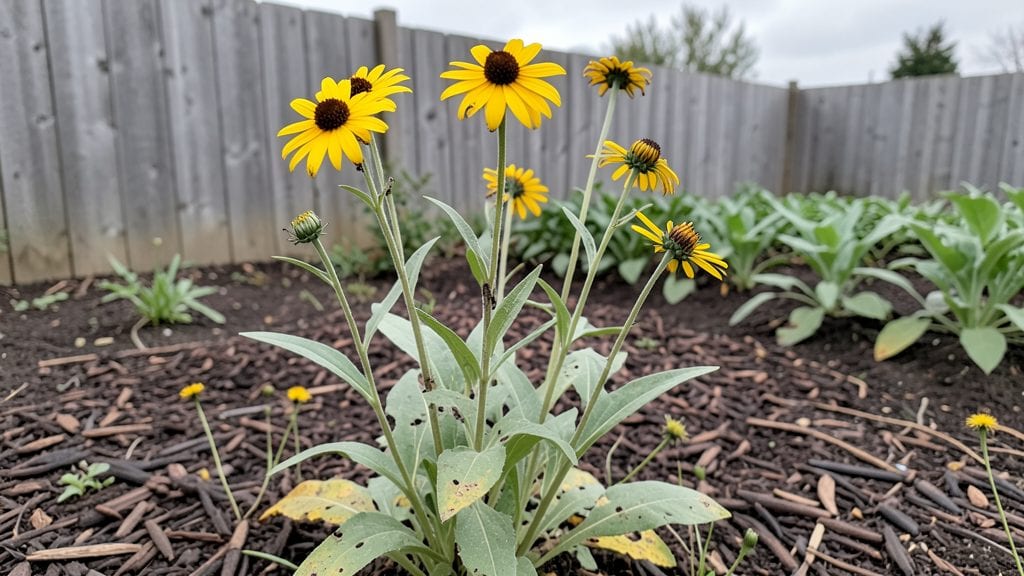
These gloriosa daisy plants bring bold tropical drama to your garden with their fiery orange blooms and sturdy stems—yet they thrive with less fuss than you’d expect. 🌻 I’ve grown them for years, and the secret lies in mimicking their native conditions. bright light, well-draining soil, and a "set it and forget it" watering routine that keeps roots happy without drowning them.
The right setup makes all the difference. These plants adore full sun but tolerate partial shade, making them perfect for borders, containers, or even indoor spots near sunny windows.
Start with a 5-gallon pot for containers or loamy, slightly sandy soil in the ground, and you’ll see those vibrant blooms appear within 8-10 weeks of planting. They’re tougher than they look—drought-tolerant once established and resistant to most pests.
By summer’s end, you’ll have a standout display that lasts from mid-June through frost, with minimal deadheading. The foliage stays lush and green, even in heat waves, and the stems hold up beautifully for cutting.
Plus, they’re a magnet for pollinators, turning your garden into a buzzing hub of activity. Ready to grow some drama?
Whether you’re planting in zone 5-9, these daisies adapt surprisingly well—just adjust watering in extreme heat or cold. Indoor growers can keep them thriving year-round with a grow light and consistent moisture. Here’s how to make them your easiest standout plants this season.
📚 In This Guide
- What you need
- Instructions
- Tips and common mistakes
- Wrapping up and next steps
What you need
- ● Gloriosa daisy plants (Gloriosa superba) – 1-3 tubers or rooted cuttings (ensure they’re disease-free and healthy).
- ● Well-draining potting mix – 5-10 gallons (for containers) or amended garden soil (for in-ground planting). Mix in perlite or coarse sand (20-30%) to improve drainage.
- ○ Containers (optional but recommended) – 12-18 inch pots with drainage holes (if growing in pots). Terracotta or fabric pots work best!
- ● Slow-release fertilizer – Balanced 10-10-10 or organic options like composted manure (1 cup per 5 gallons of soil).
- ● Garden trowel or small shovel – For planting tubers or transplanting.
- ● Pruning shears – To trim dead foliage or propagate cuttings.
- ● Watering can or hose with a gentle spray nozzle – Avoid overwatering!
- ○ Mulch (optional) – Straw or wood chips (1-2 inches) to retain moisture and regulate soil temperature.
- ○ Support stakes or trellis (optional) – If growing in containers or areas with wind, to help climbing stems.
- ● Sunlight – Full sun to partial shade (6+ hours of sunlight daily for vibrant blooms).
- ● Warmth – Gloriosa daisies thrive in USDA Zones 9-11 (or indoors in cooler climates).
- ● Patience – Tubers may take 4-6 weeks to sprout and 6-12 months to bloom fully!
Step-by-step instructions for growing gloriosa daisy plants
Here's how to cultivate these striking tropical beauties with minimal effort.
🌱 Step 1: Choose the Right Containers and Soil Mix
Gloriosa daisies thrive in well-draining containers with 6-8 inches of depth—I use terracotta pots because they breathe and prevent root rot. Fill each pot with a mix of 50% potting soil and 50% perlite to create that perfect airy medium they love. The roots need room to spread, so avoid small pots that'll crowd the tubers.
Press the mix down gently until it's firm but still loose enough for roots to penetrate. The soil should hold moisture but not stay soggy. I like to add a handful of orchid bark to the mix for extra drainage and to mimic their natural habitat. This ensures water flows through without pooling around the roots, which is critical for these tropical plants.
☀️ Step 2: Plant Tubers at the Correct Depth and Position
Place each tuber 2 inches deep in the soil, with the eyes (growth points) facing upward. This is where the magic happens—those little bumps are where your stems will emerge. I plant one tuber per pot to give it plenty of space to grow without competing for nutrients.
Set your pots in a location with bright, indirect light—think east or west-facing windows where they get morning or afternoon sun but avoid harsh midday rays. If you notice the leaves turning pale or stretching toward the light, it's time to move them to a slightly shadier spot. Gloriosa daisies can handle some direct sun, but too much will scorch their delicate foliage.
💧 Step 3: Water and Maintain Humidity
Water your gloriosa daisies once a week, letting the top 2 inches of soil dry out between waterings. Overwatering is the fastest way to kill these plants—yellowing leaves or mushy stems are your warning signs. I use a moisture meter to check, but if you don’t have one, stick your finger in the soil. If it feels dry 1 inch down, it’s time to water.
These tropical plants love humidity, so I place a tray of pebbles and water under the pots or mist the leaves lightly every few days. You’ll know you’ve got the humidity right when the leaves stay plump and vibrant. If they start to crisp or brown at the edges, it’s a sign the air is too dry.
✂️ Step 4: Fertilize and Prune for Longer Blooms
Feed your gloriosa daisies with a balanced liquid fertilizer (10-10-10) every 4-6 weeks during the growing season. I dilute it to half-strength to avoid burning the roots, and I always water the plants first to help them absorb the nutrients. This keeps the foliage lush and encourages those dramatic blooms you’re after.
After flowering, trim back the spent stems to 2 inches above the soil line. This might seem harsh, but it encourages new growth and keeps the plant looking tidy. I also remove any yellow or damaged leaves to redirect the plant’s energy into healthy new growth. Pruning at this stage ensures your gloriosa daisy stays vigorous and ready for its next bloom cycle.
🪴 Step 5: Overwinter Tubers for Next Season
When temperatures drop below 50°F, your gloriosa daisy will go dormant. Let the soil dry out completely, then carefully remove the tubers from the pot. Brush off any excess soil and store them in a paper bag filled with dry peat moss or coconut coir. Place the bag in a cool, dark spot like a basement or garage where temperatures stay between 50-60°F.
Check the tubers every few weeks to ensure they’re not rotting or drying out. In early spring, when you’re ready to replant, soak the tubers in lukewarm water for 24 hours before repotting. This jumpstarts their growth and gets them ready for another season of stunning blooms. With this simple routine, your gloriosa daisies will come back stronger every year.
Tips & tricks for perfect gloriosa daisy plants
These simple tricks will help you avoid common pitfalls and grow gloriosa daisies that steal the show every season.
Container Size Matters: While 6-8 inch pots work well, I've found that gloriosa daisies actually perform better in slightly larger containers—think 8-10 inches deep—once they've established roots. The extra space gives those tubers room to grow without becoming root-bound, which prevents stress and encourages more vigorous blooming. Just make sure the extra depth has proper drainage holes.
Soil Mix Pro Tip: For the 50% potting soil and 50% perlite mix, I add a handful of worm castings to the potting soil portion. This gives your daisies a gentle nutrient boost right from the start without overwhelming them. The castings also help improve soil structure, keeping that perfect airy medium we want. If you can't find worm castings, a sprinkle of compost works too.
Light Positioning Strategy: When placing your daisies in bright, indirect light, I recommend rotating the pots quarter-turn every week. This ensures even growth since plants naturally lean toward the light source. You'll notice the stems growing straighter and the foliage staying more symmetrical. For indoor growers, a simple reminder on your phone works perfectly for this weekly rotation.
Overwintering Hack: Before storing your tubers at 50-60°F, I like to give them a final check by gently brushing off all soil and looking for any soft spots or signs of rot. If you find any, trim those areas away with clean scissors before storing. This prevents potential rot from spreading during the dormant period. I also label each bag with the date to keep track of how long they've been stored.
Pro Tips for Gloriosa Daisy Plants
- These simple tricks will help you avoid common pitfalls and grow gloriosa daisies that steal the show every season.
- Container Size Matters: While 6-8 inch pots work well, I've found that gloriosa daisies actually perform better in slightly larger containers—think 8-10 inches deep—once they've established roots.
- Soil Mix Pro Tip: For the 50% potting soil and 50% perlite mix, I add a handful of worm castings to the potting soil portion.
Frequently asked questions
Got questions about growing Gloriosa daisy plants? You’re not alone!
Here are some of the most common queries—plus quick, no-fuss answers to keep your tropical drama thriving.
How often should I water my Gloriosa daisy?
Water when the top 1–2 inches of soil feel dry—usually 1–2 times per week, depending on your climate. Overwatering is the #1 killer, so always check moisture before reaching for the hose. Pro tip: Use a moisture meter or stick your finger in the soil to avoid guesswork!
When is the best time to plant Gloriosa daisies?
Plant in spring or early summer after the last frost (zones 9–11) for the best start. If you’re in a cooler zone, wait until soil temps hit 60°F+ or grow them in containers to move indoors in winter. Bonus: They bloom best with 6+ hours of sunlight daily!
Why aren’t my Gloriosa daisies blooming?
Blooms love sun, food, and patience! Check for:
- Too much shade → Move to a sunnier spot.
- Poor soil → Amend with compost or use a balanced fertilizer (10-10-10) every 4–6 weeks.
- Overcrowding → Thin plants or divide clumps in spring.
Patience pays off! Some varieties take 2–3 years to reach full bloom potential.
Can I grow Gloriosa daisies in containers?
They thrive in 5+ gallon pots with drainage holes. Use a well-draining mix (like cactus/succulent blend) and repot every 2–3 years. Container hack: Add a time-release fertilizer pellet at planting for a slow, steady nutrient boost!
What pests should I watch for with Gloriosa daisies?
Keep an eye out for:
- Aphids → Blast off with water or use neem oil.
- Spider mites → Increase humidity (they hate it!) and wipe leaves with soapy water.
- Earwigs → Use diatomaceous earth around the base.
Prevention tip: Healthy plants (sun + water = happy daisies) fend off pests better!
Are Gloriosa daisies toxic to pets?
Yes! All parts of the plant—leaves, flowers, and roots—contain saponins, which can cause vomiting or diarrhea if ingested. Keep them out of reach of curious pups and kitties. Pet owners: Opt for non-toxic alternatives like calendula or marigolds if safety is a concern.
Wrapping up and next steps
Gloriosa daisies are the ultimate low-maintenance tropical stunners—packing bold beauty with minimal effort! Whether you’re a seasoned gardener or a plant parent in training, these sun-loving perennials bring drama to borders, containers, and pollinator gardens alike. 🌺✨
Ready to dive in? Start by snagging your plants (or seeds!) and picking a sunny spot with well-draining soil. Then, just water, admire, and repeat—no fuss, all flair!
For extra confidence, revisit our FAQs or explore companion plants (like salvias or black-eyed Susans) to create a show-stopping garden tableau. Your tropical oasis awaits!