
Companion Plants
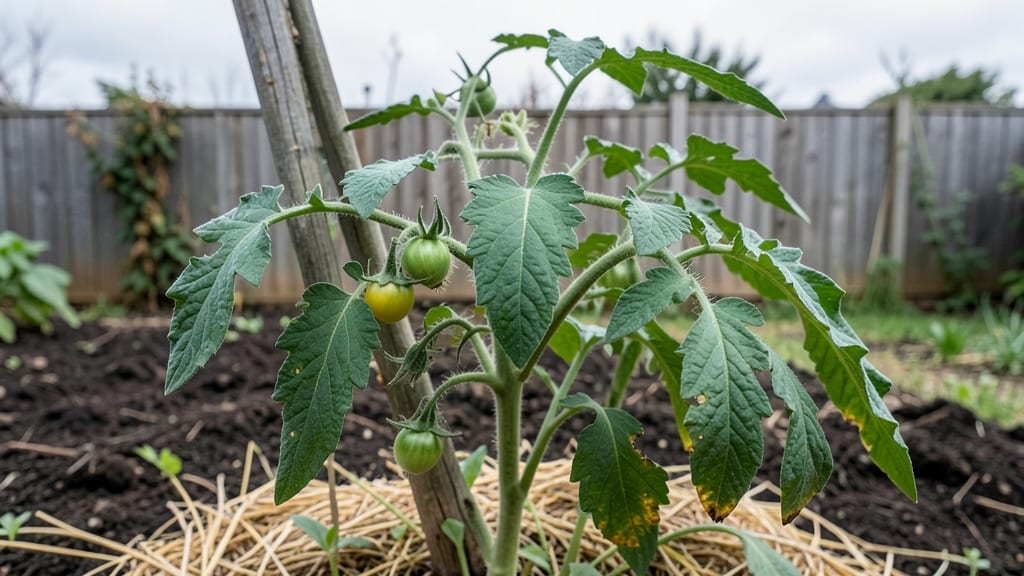
Growing green tomato plants that stay productive and pest-resistant is the secret to a harvest that never disappoints. ✨ I’ve grown dozens of varieties, and the ones that stay green—like Green Zebra or Pineapple—deliver flavor and color even when frost threatens.
The trick isn’t complicated: it’s about choosing the right types, giving them the care they crave, and keeping pests at bay before they start.
These tomatoes thrive in full sun, well-draining soil, and consistent moisture without soggy roots. Most varieties need 6-8 hours of sunlight daily, and a balanced fertilizer every 4-6 weeks keeps them vigorous.
Prune suckers regularly to focus energy on fruit, and watch for early signs of blight or aphids—intervene fast, or your plants will fight back with yellowing leaves instead of green fruit.
By late summer, you’ll be picking crisp, tangy green tomatoes that ripen indoors or store for weeks. The flavor is unique—bright, slightly sweet, and packed with antioxidants—far beyond what you’d find in a grocery store.
Plus, these varieties handle heat and humidity better than traditional red tomatoes, making them the foolproof choice for gardeners who want reliability.
Works for containers, raised beds, or in-ground gardens—just adjust spacing (18-24 inches apart) and watch them flourish. Ready to grow tomatoes that stay green, delicious, and pest-free? Let’s get started.
📚 In This Guide
- What you need
- Instructions
- Tips and common mistakes
- Wrapping up and next steps
What you need
- ● Seeds or seedlings: Choose pest-resistant varieties like ‘Defiant PhR,’ ‘Mountain Merit,’ or ‘Bush Early Girl.’ (3–5 plants for a small garden, 10+ for larger harvests).
- ● Well-draining potting mix: 5–10 gallons of organic, nutrient-rich soil (e.g., Miracle-Gro Organic Choice or homemade compost blend).
- ● Containers or garden bed: For containers: 5-gallon pots (1 per plant) with drainage holes.
- ● For in-ground: Full sun (6–8 hours/day) and loose, fertile soil (pH 6.0–6.8).
- ● Companion plants: 2–3 basil, marigold, or onion plants per tomato to deter pests naturally.
- ● Hand trowel & pruners: For transplanting and trimming.
- ● Stakes or cages: 4–6 ft tall (1 per plant) to support growth.
- ○ Organic pest control: Neem oil, insecticidal soap, or diatomaceous earth (optional but helpful).
- ● Fertilizer: Balanced organic fertilizer (e.g., Fish emulsion) or compost tea (apply every 4–6 weeks).
- ● Mulch: Straw or shredded leaves to retain moisture and suppress weeds.
Step-by-step guide to growing pest-resistant green tomato varieties
Here’s how to cultivate resilient tomato plants that thrive without constant pest battles.
🌱 Step 1: Select the Right Pest-Resistant Varieties
Choose disease-resistant heirlooms like 'Mountain Merit' or 'Defiant PhR'—both tolerate common tomato pests like aphids and hornworms while producing high-yield green-fruited varieties. These hybrids resist verticillium and fusarium wilt, two fungal diseases that devastate conventional tomatoes. I always buy seeds from reputable suppliers like Johnny’s Selected Seeds or Baker Creek Heirloom Seeds to ensure true resistance traits.
Look for seed packets labeled "V" (verticillium wilt-resistant) or "F" (fusarium wilt-resistant). Avoid organic-only claims unless you’re in a high-humidity zone—some "organic" seeds lack hybrid vigor. Plant 4-6 plants per household to ensure a steady harvest, as even resistant varieties can still face hornworm outbreaks if left unchecked.
🪴 Step 2: Prepare Containers or Raised Beds for Optimal Drainage
Use 10-gallon fabric pots or raised beds with 12-inch depth to prevent soil-borne diseases from lingering. Fill containers with a sterile seed-starting mix (never garden soil—it harbors pathogens). I add 1 cup of perlite per 5 gallons of mix to improve aeration, which resistant varieties need to develop strong root systems.
Place pots on elevated stands to keep foliage dry—wet leaves invite fungal spores. If using raised beds, line the bottom with cardboard to block weeds and pests from migrating upward. Water deeply once a week (or when the top 2 inches of soil feel dry) to encourage deep root growth, which makes plants less susceptible to root-knot nematodes.
☀️ Step 3: Provide Strategic Sun and Airflow for Disease Prevention
Position plants in full sun (6-8 hours daily) with at least 18 inches of space between stems to maximize airflow. Resistant varieties still need circulation—crowded plants develop blight faster due to trapped humidity. I stake mine with 5-foot bamboo stakes early to prevent sprawl, which reduces hiding spots for pests like stink bugs.
Rotate pots quarter-turn weekly so all sides receive even light, preventing uneven ripening. If growing in containers, place them on casters for easy repositioning as the sun shifts. Watch for yellowing lower leaves—this signals overwatering or poor drainage, not disease. Adjust watering immediately if the soil stays soggy for more than 24 hours.
✂️ Step 4: Prune and Monitor for Early Pest Signs
Prune suckers (side shoots) weekly to focus energy on fruit production—resistant varieties still benefit from open canopies. Remove yellowed or spotted leaves immediately to prevent fungal spread. I use sterilized pruners (soaked in 1:10 bleach-water solution) to avoid cross-contamination between plants.
Inspect undersides of leaves daily for aphid clusters or hornworm frass (black droppings). Resistant varieties handle light infestations better, but hornworms can still defoliate a plant in 48 hours. Spray with neem oil at dusk (when bees are inactive) if you spot early signs. Avoid chemical sprays—resistant varieties lose their edge when stressed by pesticides.
💧 Step 5: Fertilize and Mulch for Long-Term Resilience
Feed plants every 3 weeks with a balanced 10-10-10 fertilizer (diluted to half-strength) to prevent nutrient burn, which weakens pest resistance. I switch to fish emulsion in late summer for a phosphorus boost, which strengthens cell walls against bacterial spot. Always water at the base—wetting foliage creates entry points for early blight spores.
Apply 2 inches of straw mulch around the base to suppress weeds (which harbor pests) and retain moisture. Mulch also moderates soil temperature, reducing stress on roots. Harvest green tomatoes when firm (about 70 days after transplant) to encourage continuous fruiting. Store unripe tomatoes in a cool, dark place (like a paper bag with a banana) to ripen naturally.
Tips & tricks for perfect green tomato plants
These game-changing strategies will help your pest-resistant tomato plants thrive with minimal stress—and maximum harvests.
Variety Selection Wisdom: When choosing seeds, prioritize those labeled with both "V" and "F" for verticillium and fusarium resistance. I've found that 'Mountain Merit' handles early blight particularly well in humid climates, while 'Defiant PhR' excels in hotter regions. Always verify supplier reputation—some "organic" seeds lack hybrid vigor, which is crucial for disease resistance. For a more diverse harvest, consider planting 2-3 varieties from different maturity groups (early, mid, late season).
Container Setup Secrets: The 10-gallon fabric pots I recommend aren't just about size—they're about aeration. That 1 cup of perlite per 5 gallons of mix creates microscopic air pockets that prevent root rot, which resistant varieties can still develop if drainage fails. Pro tip: Elevate your containers on stands or cinder blocks to create a 2-inch gap underneath. This prevents water pooling during heavy rains, which can trigger phytophthora root rot even in resistant plants.
Pruning Precision: In Step 4, when you're removing suckers, focus on the lower third of the plant first. This creates an open canopy that dries faster after watering, reducing fungal pressure. I use a sterilized pocket knife for small suckers to avoid damaging the main stem. Remember that resistant varieties still need airflow—don't be afraid to remove up to 30% of foliage if you notice excessive humidity buildup in the plant's center.
Harvest Timing Strategy: Those green tomatoes you harvest at 70 days will ripen perfectly in a paper bag with a banana, but there's a trick to maximize yield. Once your primary harvest window closes, leave 2-3 tomatoes per truss to fully ripen on the vine. These will produce seeds for next season's planting, and their presence actually stimulates the plant to produce more flowers. Just be prepared to harvest them quickly—they'll ripen in 5-7 days once they start turning color.
Pro Tips for Green Tomato Plants
- These game-changing strategies will help your pest-resistant tomato plants thrive with minimal stress—and maximum harvests.
- Variety Selection Wisdom: When choosing seeds, prioritize those labeled with both "V" and "F" for verticillium and fusarium resistance.
- Container Setup Secrets: The 10-gallon fabric pots I recommend aren't just about size—they're about aeration.
Frequently asked questions
Got questions about growing green tomato plants? You’re not alone! Whether you’re a beginner or a seasoned gardener, these common queries can help you cultivate pest-resistant varieties with confidence. Let’s dive in:
How do I know if my green tomato plant is healthy?
A healthy green tomato plant has vibrant, deep green leaves without yellowing or spots, strong stems (not mushy or discolored), and plentiful flowers leading to fruit. Check the soil too—it should be moist but not soggy. If leaves wilt or drop unexpectedly, it could signal underwatering, overwatering, or disease.
When should I harvest green tomatoes for best flavor?
Harvest green tomatoes when they’re firm, glossy, and 2–4 inches long, typically 50–70 days after transplanting (varies by variety). For ripening indoors, pick them when fully green—never let them turn yellow or rot on the vine. Store them in a cool, dark place (like a paper bag with a banana) to speed up ripening.
What are the most common pests for green tomato plants, and how do I prevent them?
Watch for hornworms, aphids, and whiteflies, which love munching on leaves and fruit. Prevent pests naturally by:
- Planting companion herbs like basil or marigolds nearby.
- Using neem oil or insecticidal soap as a spray.
- Handpicking pests (especially hornworms) early in the morning.
Can I grow green tomatoes in containers, and what’s the best setup?
Choose determinate varieties (like ‘Tiny Tim’ or ‘Patio Princess’) for containers. Use a 5-gallon pot minimum with drainage holes and well-draining potting mix. Place in full sun (6–8 hours/day) and stake or cage plants to support growth. Water consistently—containers dry out faster—and fertilize every 2–3 weeks with a balanced tomato feed.
What can I do if my green tomatoes won’t ripen on the plant?
If tomatoes stay green (or turn yellow) on the vine, it’s often due to cool temps, poor pollination, or overcrowding. Try these fixes:
- Move plants to a warmer, sunnier spot (ideal: 70–85°F).
- Hand-pollinate by gently shaking plants or using a small brush to transfer pollen.
- Thin foliage to improve airflow and sunlight penetration.
Wrapping up and next steps
Growing green tomato plants resistant to pests is a rewarding way to enjoy a thriving garden and delicious harvests!
By choosing the right varieties—like Defiant PhR or Mountain Merit—and pairing them with smart companion planting, you’ll create a resilient, low-maintenance tomato haven. Your hard work will pay off with juicy, flavorful tomatoes straight from your backyard!
Ready to take the next step? Start small—plant a few pest-resistant varieties this season and observe what thrives in your climate. Keep experimenting, and soon, you’ll be sharing your homegrown bounty with friends and family! 🌱🍅