
Planting
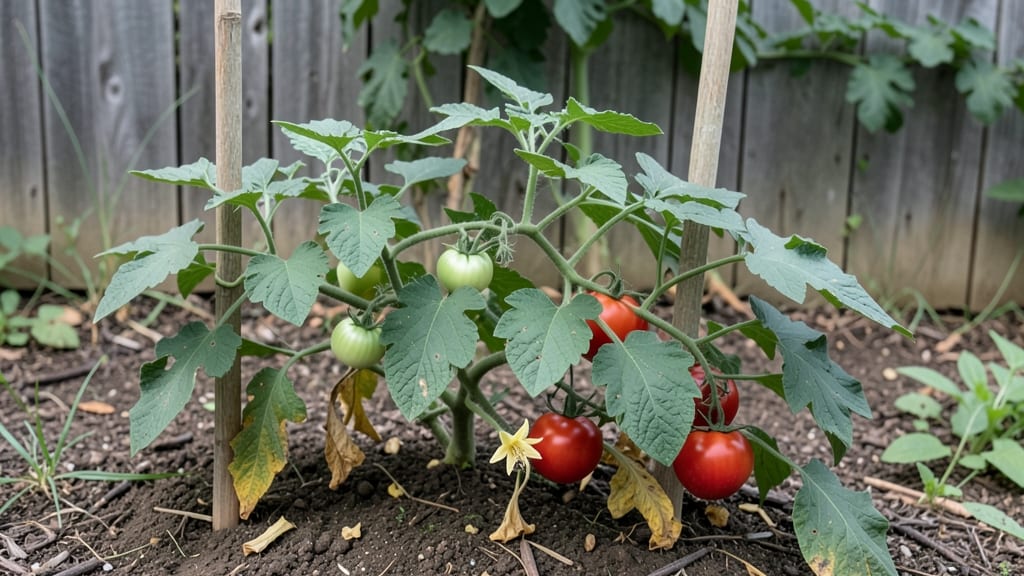
Growing a steak tomato plant changed how I think about backyard flavor—those beefsteak-sized fruits taste like nothing from the store. 🌱 The secret lies in giving them the right conditions: deep soil, plenty of sunlight, and consistent care that rewards patience with tomatoes so big they make your neighbors ask for cuttings.
You’ll need a 6-foot-tall cage or sturdy stakes to support those heavy vines, well-draining soil mixed with compost, and a spot that gets full sun for 8+ hours daily.
Watering matters too—deep soaks twice a week (more in heatwaves) keep roots happy without drowning them. Prune suckers regularly to focus energy on fruit, not foliage.
By midsummer, you’ll be harvesting tomatoes that weigh a pound or more each, with meaty flesh perfect for sandwiches or slicing. The vines keep producing until frost, and with proper care, you’ll have enough to share (or can). The best part? Every bite tastes like summer.
Works in containers too—just use a 5-gallon pot for smaller varieties. Here’s how to keep them thriving all season long.
📚 In This Guide
- What you need
- Instructions
- Tips and common mistakes
- Wrapping up and next steps
What you need
- ● Steak tomato seeds or seedlings: Choose Solanum lycopersicum varieties like 'Steakhouse,' 'Brandywine,' or 'Cherokee Purple' (3-5 plants for a small garden).
- ● Well-draining potting mix: 10-15 lbs of high-quality, organic soil mix (e.g., Miracle-Gro Garden Soil or homemade blend: 60% topsoil, 30% compost, 10% perlite).
- ● Containers or garden space: Containers: 5-gallon pots (1 per plant) with drainage holes.
- ● Garden beds: Full sun (6-8+ hours/day) and space 24-36 inches apart.
- ● Fertilizer: Balanced organic fertilizer (e.g., 10-10-10) or compost tea (1 tbsp per plant every 2-3 weeks after transplanting).
- ● Support system: 6-8 ft bamboo stakes or tomato cages (1 per plant).
- ● Watering can or hose: With a gentle spray nozzle for even moisture.
- ● Pruning shears: For trimming suckers and dead leaves.
- ● Mulch (straw or shredded leaves): 2-3 inches to retain moisture and suppress weeds.
- ● pH test kit: Ideal soil pH: 6.0-6.8 (adjust with lime or sulfur if needed).
- ● Row covers or shade cloth: For early-season frost protection (30-50% shade if temps exceed 90°F).
- ○ Epsom salt: 1 tbsp per plant monthly for magnesium boost (optional but helpful for large fruit).
Step-by-step guide to growing flavorful steak tomatoes
Here’s how to cultivate bold, beefsteak-sized tomatoes with deep flavor—no shortcuts, just proven techniques.
🌱 Step 1: Select and Prepare Your Plants
Start with 4 disease-resistant beefsteak tomato plants (like ‘Brandywine’ or ‘Cherokee Purple’) from a reputable nursery. These varieties deliver the 2-3 pound fruits you’re after. Handle seedlings gently—rough roots shock plants and slow growth. I always soak bare-root plants in lukewarm water for 10 minutes before transplanting to revive roots and remove air pockets.
Remove any lower leaves that will sit below the soil line once planted. These leaves rot underground and invite disease. You’ll know you’ve done it right when the plant stands clean and sturdy, with only the upper foliage remaining. This ensures energy goes to fruit production, not wasted leaves.
☀️ Step 2: Plant in Full Sun with Rich Soil
Choose a south-facing spot with at least 8 hours of direct sun daily—steak tomatoes demand full sun to develop their signature sweetness. Amend the soil with 3 gallons of compost per plant to ensure nutrients for heavy fruit loads. Work the compost into the top 12 inches of soil for maximum root access.
Dig a hole twice as wide as the root ball but only as deep as the plant’s lowest leaves. This prevents stem rot while allowing roots to spread freely. Gently place the plant in the hole, then backfill with soil, pressing lightly to eliminate air gaps. Water deeply immediately to settle the soil and eliminate transplant shock.
🪴 Step 3: Set Up Support and Mulch
Install a 6-foot tall tomato cage or sturdy stakes immediately after planting. Steak tomatoes grow heavy vines that snap under their own weight without support. I prefer wooden cages because they last years and provide better airflow than wire. Secure the cage firmly—you’ll be shaking it weekly as fruit develops.
Apply 2 inches of mulch (like straw or shredded leaves) around the base, keeping it 6 inches away from the stem. Mulch retains moisture, suppresses weeds, and keeps soil temperatures steady—critical for large-fruited varieties. Replenish mulch every 4-6 weeks as it breaks down, ensuring consistent coverage.
💧 Step 4: Water Deeply and Fertilize Regularly
Water once a week with 2 gallons per plant, soaking the soil to a depth of 12 inches. Steak tomatoes need consistent moisture to prevent cracking, but soggy soil invites rot. You’ll know you’re doing it right when the soil feels damp 2 inches down—not wet, not dry. Water at the base, never the leaves, to avoid fungal diseases like blight.
Fertilize every 3 weeks with 1 tablespoon of balanced 10-10-10 fertilizer per plant. Steak tomatoes are heavy feeders, so don’t skimp. Stop fertilizing 4 weeks before harvest to let flavors concentrate. You’ll notice darker green leaves and faster vine growth—signs your plants are thriving.
✂️ Step 5: Prune and Harvest for Maximum Flavor
Prune suckers (the small shoots in the leaf axils) weekly to direct energy to fruit production. Steak tomatoes benefit from open, airy growth, so remove any leaves touching the ground or crowded branches. Use clean, sharp pruners to avoid tearing stems—rough cuts invite disease. Aim to leave 3-4 main stems per plant for optimal airflow.
Harvest when tomatoes are fully colored and slightly soft to touch (usually 70-85 days after transplanting). Twist gently to avoid damaging the vine—no need to cut stems. Store harvested tomatoes at room temperature for 3-5 days or refrigerate for longer shelf life. You’ll taste the difference: rich, meaty texture with deep, complex flavor—worth every step.
Tips & tricks for growing flavorful steak tomatoes
Real talk: Growing beefsteak tomatoes isn't just about planting seeds—it's about creating ideal conditions for those massive, flavor-packed fruits. Here's what nobody tells you about maximizing your harvest.
Soil Preparation Secret: Before planting, mix in 1 cup of bone meal with the 3 gallons of compost per plant. This adds phosphorus for root development and fruit production, giving you stronger plants that support those 2-3 pound tomatoes. I learned this the hard way after struggling with weak vines that couldn't handle the fruit weight—bone meal makes all the difference.
Watering Wisdom: The once-a-week 2 gallons per plant is non-negotiable, but timing matters just as much. Water in the early morning so foliage dries completely by evening—this prevents fungal diseases like blight that thrive in damp conditions. I've seen entire plants lost to blight because of evening watering, so don't make my mistake.
Pruning Technique: When pruning suckers weekly, focus on removing only those growing between the main stem and branches. These suckers drain energy from fruit production. Leave the suckers growing above the branches—they can become productive stems themselves. You'll notice 3-4 main stems develop more quickly when you follow this precise approach.
Harvest Timing: Those 70-85 days to harvest can feel like forever, but patience pays off. The slightly soft touch indicates peak ripeness—this is when the sugars concentrate most intensely. Harvest in the morning when temperatures are coolest to preserve flavor and texture during storage. Between us, the first tomato you harvest after all that work tastes like nothing else.
Pro Tips for Steak Tomato Plant
- Real talk: Growing beefsteak tomatoes isn't just about planting seeds—it's about creating ideal conditions for those massive, flavor-packed fruits.
- Soil Preparation Secret: Before planting, mix in 1 cup of bone meal with the 3 gallons of compost per plant.
- Watering Wisdom: The once-a-week 2 gallons per plant is non-negotiable, but timing matters just as much.
Frequently asked questions
Got questions about growing your own steak tomato plants? You’re not alone! Here are answers to the most common queries from gardeners just like you.
How long does it take for a steak tomato plant to produce fruit?
A steak tomato plant typically takes 60–85 days from transplanting to harvest, depending on your climate and growing conditions. In warmer regions, you might see early fruit in as little as 70 days, while cooler areas may take closer to 90 days. Patience pays off—these beefy beauties are worth the wait!
Can steak tomatoes grow in containers, or do they need a garden bed?
Steak tomatoes thrive in large containers (at least 5-gallon pots) as long as they have good drainage, support (like a cage or trellis), and regular watering. Just ensure the pot is wide enough for strong roots and use a high-quality potting mix. Pro tip: Place containers in full sun (6+ hours/day) for the best results!
Why are my steak tomato flowers falling off before fruiting?
This is often caused by stress, such as temperature swings (below 55°F or above 95°F), underwatering, or nutrient deficiencies. Ensure your plants get consistent moisture and balanced fertilizer (high in phosphorus). If nights are chilly, consider row covers or moving pots to a sheltered spot.
What’s the best way to prune steak tomato plants for bigger fruit?
Prune sucker growth (the small stems between the main stem and branches) to redirect energy to fruit production. Remove leaves touching the soil to prevent disease, but leave enough foliage for photosynthesis. Pro tip: Stop pruning once flowers appear to avoid stressing the plant during fruiting!
Are steak tomatoes self-pollinating, or do I need to help them?
Steak tomatoes are self-pollinating, but a gentle shake of the plant or a light breeze can boost pollination—especially on cloudy or windless days. If you notice dropped flowers, try hand-pollinating with a small brush or your finger to transfer pollen between blossoms.
Wrapping up and next steps
Growing steak tomato plants is a rewarding journey that brings bold flavors and vibrant vines to your garden or patio! 🌱 With the right care—sunlight, soil, and patience—you’ll soon be harvesting juicy, beefsteak-sized tomatoes perfect for sandwiches, salads, or grilling. Don’t stop here! Experiment with companion plants like basil or marigolds to boost growth, and share your progress with fellow gardeners.
Now, grab those seeds and get planting—your next homegrown harvest is just a season away! 🍅✨