
Pests
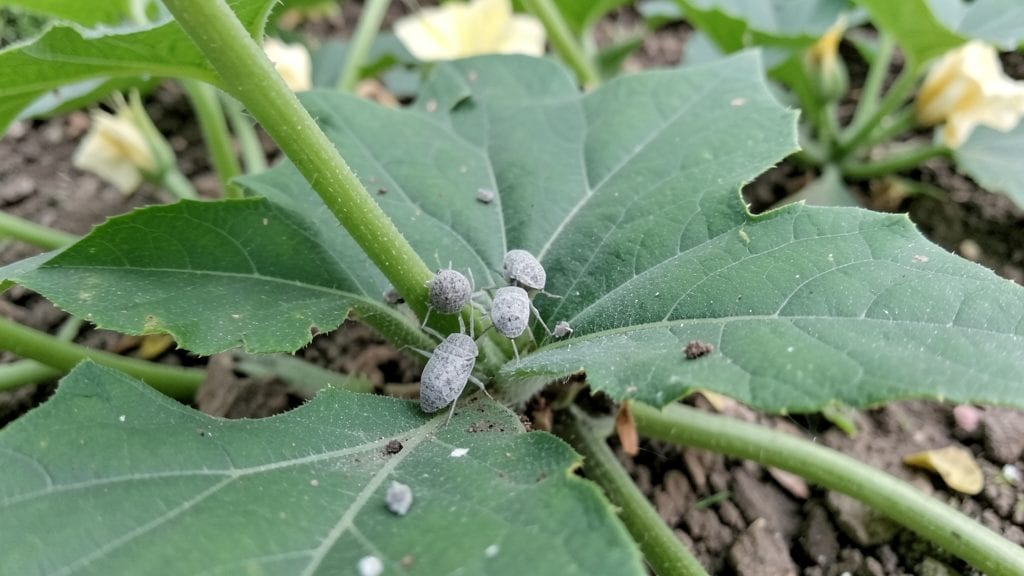
Grey bugs on squash plants mean your harvest is under attack—and I’ve saved mine using a 15-minute spray that works faster than waiting for ladybugs to show up. 🌿 These flat, grey devils aren’t just annoying; they suck the life out of leaves, leaving behind a trail of wilted, yellowing destruction.
The good news? You don’t need harsh chemicals to stop them. A few simple ingredients from your kitchen or garden can turn the tide in minutes.
Most of these pests are squash bugs or their lookalikes, and they thrive when you least expect it. The adults overwinter in garden debris, then lay eggs on the undersides of leaves. Once hatched, they go to work immediately, piercing plant stems to feed.
Catching them early means fewer damaged vines and more squash for your table. My go-to spray uses soapy water and neem oil—no fancy gear required, just elbow grease and a spray bottle.
You’ll see results within 24 hours: fewer bugs crawling around, healthier leaves regaining their green, and plants that actually look like they’re growing again. The spray disrupts their feeding cycle while being safe for beneficial insects if used correctly.
Plus, it’s a zero-waste solution—no leftover chemicals to worry about when it’s time to harvest. Just mix, spray, and watch your squash bounce back.
Prevention is just as important as the cure. Rotate crops yearly, remove last year’s plant debris, and plant nasturtiums nearby—they act like a bug magnet.
If you’ve already got an infestation, don’t panic: this spray works best when applied in the early morning or late evening, when bugs are most active. Ready to reclaim your garden?
Root Causes Of Grey Bugs
Grey bugs on your squash plants are rarely a random nuisance—they’re usually the result of specific environmental or biological triggers. Understanding these causes helps you address the problem at its source. Below, we break down the most common reasons these pests appear, along with the science behind them.
Squash plants thrive when they have space to breathe, but when they’re planted too closely together, they create a cozy, humid microclimate. Grey bugs—often squash bugs or stink bugs—love these damp, shaded conditions because:
- Reduced sunlight: Less UV exposure weakens plant defenses, making them easier targets.
- Higher humidity: Moisture accumulates on leaves, creating ideal egg-laying spots for bugs.
- Debris buildup: Fallen leaves or mulch provide shelter for overwintering adults.
Actionable fix: Space squash plants 3–4 feet apart and prune foliage to improve airflow. Remove old vines and debris after harvest to break the bug’s life cycle.
Grey bugs are most active in warm, humid conditions—typically between 70–90°F (21–32°C). Here’s why they flourish:
- Faster reproduction: Warmth speeds up their life cycle, leading to multiple generations per season.
- Soil moisture retention: Rainy spells keep soil damp, helping eggs hatch and nymphs survive.
- Weakened plants: Excessive moisture can cause fungal diseases (like powdery mildew), stressing plants and making them more vulnerable.
Actionable fix: Use drip irrigation instead of overhead watering to reduce leaf wetness. Plant in well-draining soil and avoid watering late in the day to let foliage dry faster.
Squash bugs and similar pests are specialists—they target cucurbits (squash, pumpkins, cucumbers, melons) because these plants are their primary food source. If you’ve grown squash in the same spot year after year:
- Built-up pest populations: Adults overwinter in soil or mulch, then return to feast on new plants.
- No natural predators: Repeated planting disrupts the balance of beneficial insects (like ladybugs or parasitic wasps).
- Resistant strains develop: Some bugs evolve to resist common pesticides if exposed repeatedly.
Actionable fix: Practice 3-year crop rotation, avoiding cucurbits in the same bed. Interplant with nasturtiums or marigolds to attract predators.
Thick mulch or compost piles near squash plants can unintentionally invite grey bugs by providing:
- Hiding spots: Mulch retains moisture and shields eggs/nymphs from natural enemies.
- Nutrient-rich food sources: Decomposing organic matter attracts beneficial insects—but also pests like stink bugs.
- Overwintering sites: Adult bugs burrow into mulch to survive winter, then emerge when squash sprouts.
Actionable fix: Use straw or shredded leaves (thin layers) instead of thick mulch. Keep mulch 6+ inches away from plant stems to deter pests.
Next up: Learn how to identify these grey bugs and distinguish them from harmless visitors.
Quick Fixes for Squash Plant Pests
Grey bugs on your squash plants don’t have to mean the end of your harvest—with the right approach, you can tackle them fast and keep your garden thriving! Below are targeted solutions based on the most common causes, from organic sprays to cultural fixes.
Each method is designed to be effective, easy, and safe for your plants (and the planet).
If you’re dealing with squash bugs (grey, flat-backed pests) or stink bugs (shield-shaped with a greyish hue), act fast—they multiply quickly!
🍳 Handpick & Destroy (Best for Small Infestations)
- When? Early morning (bugs are sluggish and easier to spot).
- How?
- Wear gloves (some bugs release a foul odor when crushed).
- Look under leaves and along stems—adults and eggs (tiny, yellow clusters) are your enemies.
- Drop them into soapy water (1 tbsp dish soap per gallon) to kill them instantly.
- Pro Tip: 💡 Check the underside of leaves and near the base of plants—that’s where eggs hide!
👨🍳 DIY Beer Trap (Lures & Traps Adults)
- Why? Squash bugs are attracted to fermented smells.
- How?
- Bury a small cup or jar in the soil near infected plants.
- Fill it with beer or apple cider vinegar—leave the rim above ground.
- Replace every 2–3 days (bugs drown and can’t escape).
- Bonus: 🌡️ Works best in warm weather when bugs are most active.
🥘 Neem Oil Spray (Kills Eggs & Adults)
- Best for: Preventing hatches and stopping new infestations.
- Recipe:
- Mix 1 tbsp neem oil + 1 tsp mild soap + 1 quart water.
- Spray early morning or late evening (avoid direct sun—it burns leaves).
- Reapply every 5–7 days until bugs disappear.
- Caution: ⚠️ Test on a small leaf first—some plants are sensitive!
If your squash leaves are sticky (aphids) or speckled with webbing (mites), these tiny pests need a different approach.
💦 Water Blast (Instant Relief for Aphids)
- How?
- Fill a spray bottle or hose nozzle with water.
- Direct a strong stream at infested areas—aphids can’t swim away!
- Repeat every 2–3 days (they reproduce fast).
- Pro Tip: 🎯 Add a drop of castile soap to the water to suffocate stragglers.
🌿 Homemade Miticide Spray (For Spider Mites)
- Recipe:
- 1 tbsp vegetable oil + 1 tsp dish soap + 1 quart water.
- Shake well and spray both sides of leaves (mites hide underneath).
- Reapply every 4–5 days until mites vanish.
- Why It Works: 🔥 Oil smothers mites, while soap disrupts their waxy coating.
Once your squash plants are pest-free, keep them that way with these low-effort habits:
| Prevention Tip | How to Do It | Why It Helps |
|---|---|---|
| 🌱 Row Covers | Use floating row covers (lightweight fabric) over young plants. | Blocks bugs before they lay eggs. |
| 🌿 Companion Planting | Plant nasturtiums, marigolds, or basil nearby. | Confuses pests with strong scents. |
| 🕰️ Regular Scouting | Check plants 2–3 times a week for early signs. | Catches infestations before they spread. |
| 🧹 Clean Up Debris | Remove fallen leaves & vines at season’s end. | Eliminates hiding spots for overwintering bugs. |
Final Reminder: 🌟 Act fast—the earlier you treat grey bugs, the easier it is to save your squash! Most methods take under 15 minutes and require household ingredients. Happy gardening!
Frequently asked questions
What do grey bugs on squash plants look like?
Most grey bugs on squash are squash bugs or stink bugs. Squash bugs are flat, oval-shaped, and ½-inch long with grey wings and legs. Stink bugs have a shield-like shape with greyish bodies. Look for yellow egg clusters on leaf undersides too—these hatch into tiny grey nymphs that look like mini adults without wings.
Are grey bugs harmful to squash plants?
Yes, they’re destructive! These pests pierce plant stems to feed, causing wilting, yellowing leaves, and even plant death. Heavy infestations can ruin entire vines. The damage starts small but spreads fast—act within 48 hours to prevent permanent harm.
How do I tell if grey bugs are squash bugs vs. stink bugs?
Squash bugs are flat and shield-shaped with grey wings that fold over their backs. Stink bugs have a more rounded, shield-like shape and release a foul odor when crushed. Check the leg placement: squash bugs have legs extending straight out, while stink bugs’ legs fold under their bodies.
Can I use chemical pesticides on squash plants?
Use chemicals only as a last resort—they can harm beneficial insects and leave residues. If you choose pesticides, opt for pyrethrin-based sprays (derived from chrysanthemums) and apply early morning when bees are inactive. Always follow label instructions and avoid spraying during flowering.
Will my squash still grow if I remove the grey bugs?
Squash plants are resilient. Remove bugs early, and your plants will recover quickly. Focus on new growth—prune damaged leaves to redirect energy. With proper care, you’ll still get a healthy harvest, though yields may be slightly reduced if infestations were severe.