
Companion Plants
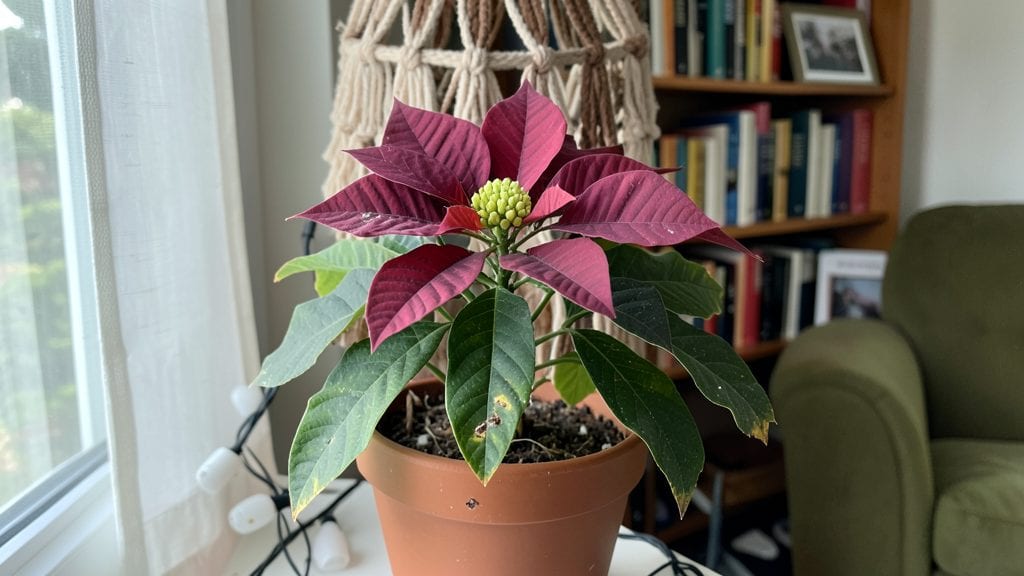
Hanging Christmas plants transform any space into a seasonal masterpiece—whether you're dressing a porch, balcony, or indoor nook. 🌿 The key lies in selecting varieties that thrive as both holiday stars and long-term houseplants, like poinsettias, Christmas cacti, or fragrant pine boughs.
These aren’t just temporary decorations; with the right care, they’ll reward you with vibrant growth well into spring.
Timing and placement make all the difference. Poinsettias and cacti need bright, indirect light and cooler temperatures (around 55–65°F) to bloom reliably, while evergreens like holly or boxwood can handle outdoor winter chill.
Water sparingly—most hanging plants dry out faster than you’d expect—and avoid drafts, which cause leaves to crisp. I’ve kept my holiday greenery alive for years by treating them like perennial investments, not disposable decor.
By late January, you’ll notice new growth signaling their transition from holiday centerpiece to year-round beauty. Prune leggy stems, rotate pots for even light exposure, and fertilize lightly in spring to encourage fuller foliage.
The payoff? A living garland that evolves with each season, from holiday splendor to springtime statement piece.
Outdoor varieties can even return to the garden after the holidays—just harden them off gradually and plant in partial shade. For indoor plants, extend their lifespan by mimicking their natural dormancy period: reduce watering in winter and increase light in early spring. The secret isn’t complexity; it’s consistency.
📚 In This Guide
- What you need
- Instructions
- Tips and common mistakes
- Wrapping up and next steps
What you need
- ● Hanging Christmas plants: 1-3 plants (e.g., Schmidelia, Pilea glauca, or Hoya kerrii—choose based on light preferences).
- ● Hanging planters: 1-3 macramé hangers, ceramic pots with built-in hooks, or coco coir baskets (ensure they’re 4-6 inches deep).
- ● Well-draining potting mix: 1 bag (look for a blend labeled for "air plants" or "succulents" if your plant prefers it).
- ● Watering can or spray bottle: 1 (with a fine mist setting for delicate foliage).
- ● Scissors or pruning shears: 1 pair (for trimming roots or adjusting plant size).
- ● Hooks or S-hooks: 1-3 (if mounting planters to shelves, ceilings, or walls).
- ● Supportive structure: A sturdy shelf, ceiling hook, or wall-mounted bracket (ensure it can hold 1-3 lbs per plant).
- ● Decorative ribbons or twine: 1-2 rolls (for adding a holiday touch to hangers).
- ● Mini fairy lights or battery-operated candles: 1 set (for ambient lighting under plants).
- ● Fertilizer: 1 bottle of balanced liquid fertilizer (diluted to half-strength for feeding).
- ● Plant labels: 1-3 (to track care tips or varieties).
- ● Moss or decorative stones: Small amounts (for aesthetic planter lining).
Step-by-Step instructions for creating year-round hanging Christmas plants
Here's how to craft a lush, evergreen hanging display that stays vibrant through every season.
🌱 Step 1: Select and Prepare Your Plant Varieties
Choose plants that thrive in hanging conditions and complement each other's growth habits. I typically use English ivy (Hedera helix), creeping fig (Ficus pumila), and pothos (Epipremnum aureum)—all of which tolerate low light and varying humidity levels. English ivy cascades beautifully, creeping fig offers fine-textured foliage, and pothos adds vibrant variegation.
Inspect each plant for pests or yellowing leaves before selecting. Prune any leggy stems back by one-third to encourage bushier growth. This step ensures your hanging display starts with healthy, vigorous plants that will thrive together. If using seedlings, select those with 3-4 mature leaves for the best balance of root strength and foliage.
🪴 Step 2: Choose and Assemble Hanging Containers
Select 4 hanging baskets (one for each plant) with drainage holes—terracotta or woven fiber work best. I use 10-12 inch diameter baskets for a balanced, cascading effect. Line each basket with sphagnum moss to prevent soil from washing out while allowing roots to breathe. Secure the moss with a few staples or twist ties.
Fill each basket three-quarters full with the 4 gallons of lightweight potting mix specified. Gently firm the soil so it holds the plants securely but doesn't compact too tightly. Leave about 1 inch of space at the top for watering. The key here is to create a stable base that won't shift as the plants grow and cascade.
💧 Step 3: Plant and Arrange for Balance
Remove each plant from its nursery pot and loosen the roots gently with your fingers. Place the plant in its designated basket, positioning it so the crown sits just below the rim—this prevents rot while allowing the foliage to spill over dramatically. Space the plants 4-6 inches apart within the basket to encourage air circulation and prevent overcrowding.
Fill in around the roots with additional potting mix, pressing lightly to eliminate air pockets. Water each basket thoroughly until water runs freely from the drainage holes. This step ensures the plants establish quickly and reduces transplant shock. Arrange the baskets at varying heights to create a dynamic, layered look—taller baskets in the back, shorter ones in front.
☀️ Step 4: Position for Optimal Light and Care
Place your hanging display in a location with bright, indirect light—think east or north-facing windows or under grow lights if natural light is limited. Direct sunlight can scorch delicate foliage, while too little light causes leggy growth. You'll notice the plants respond within 2-3 weeks with fuller, darker green leaves and more vigorous vines.
Water when the top inch of soil feels dry to the touch, typically every 5-7 days depending on humidity. Avoid letting the baskets sit in saucers of water—excess moisture leads to root rot. Fertilize lightly every 4-6 weeks with a balanced liquid fertilizer (10-10-10) to support steady growth. This routine keeps your display lush and festive year-round.
✂️ Step 5: Prune and Maintain for Year-Round Beauty
Trim back any overly long or bare stems every 8-10 weeks to encourage bushier growth. I like to cut just above a leaf node where new growth will emerge. This keeps the plants compact and full, preventing them from becoming too leggy or sparse. Remove any yellow or damaged leaves immediately to maintain a healthy appearance.
Rotate the baskets a quarter turn weekly so all sides receive even light. This prevents the plants from growing toward one direction and ensures uniform growth. In winter, when light is dimmer, supplement with a grow light for 12-14 hours daily to keep the foliage vibrant. With consistent care, your hanging Christmas plants will stay lush and inviting for seasons to come.
Tips & tricks for perfect hanging Christmas plants
Creating a thriving year-round display takes more than just planting—it's about setting up your greenery for success from the very beginning. Here are the game-changing details that'll keep your hanging Christmas plants lush and festive through every season.
Plant Selection Wisdom: In Step 1, when choosing your plants, focus on the 3-4 mature leaves rule for seedlings—this ensures they have enough energy reserves to handle the transplant shock. I've found that plants with slightly larger leaves (about 2-3 inches wide) establish faster in baskets. Also, look for plants with firm stems—any that feel mushy or wilted will struggle to recover once repotted. This initial selection makes all the difference in how quickly your display comes to life.
Basket Assembly Technique: The sphagnum moss lining in Step 2 isn't just about drainage—it creates a perfect root environment. I recommend wetting the moss slightly before placing it in the baskets, then letting any excess water drain completely before adding soil. This prevents the moss from absorbing all your water during the initial planting. Also, when securing the moss with staples, place them on the outside edges only—you don't want to pierce the drainage holes or create sharp points that could damage roots later.
Light Positioning Strategy: That 2-3 week response time mentioned in Step 4 is your first sign of success! To maximize this period, position your baskets where they'll receive 4-6 hours of morning light and 2-3 hours of afternoon light. This balance prevents the plants from getting sunburned while still providing enough energy for growth. If you notice new leaves developing but they're pale or yellowing, it's a clear sign they're getting too much direct sun—move them back a foot or two from the window immediately.
Winter Care Secret: The 12-14 hours of grow light in winter might seem like a lot, but trust me on this: your plants will thank you. I use a simple LED grow light on a timer, positioned about 12-18 inches above the baskets. This mimics natural daylight and prevents that dreaded winter legginess. The key is consistency—don't turn the lights on and off sporadically. Set the timer and let it run reliably every day for those critical hours.
Pro Tips for Hanging Christmas Plants
- Creating a thriving year-round display takes more than just planting—it's about setting up your greenery for success from the very beginning.
- Plant Selection Wisdom: In Step 1, when choosing your plants, focus on the 3-4 mature leaves rule for seedlings—this ensures they have enough energy reserves to handle the transplant shock.
- Basket Assembly Technique: The sphagnum moss lining in Step 2 isn't just about drainage—it creates a perfect root environment.
Frequently asked questions
Got questions about keeping your hanging Christmas plants lush and festive? You’re not alone! Here are some of the most common queries—plus quick answers to help you avoid stress and enjoy the holidays.
How long do hanging Christmas plants (like poinsettias or Christmas cactus) last indoors?
With proper care, poinsettias can last months beyond the holidays, while Christmas cactus may thrive for years! Keep them in bright, indirect light and avoid drafts. Prune leggy stems to encourage bushiness—just don’t overwater, or roots may rot.
When should I repot my hanging Christmas plant?
Repot after blooming (late winter/early spring) if roots are crowded or soil dries out too fast. Use a pot just 1–2 inches larger, with drainage holes, and fresh well-draining potting mix. Pro tip: Water thoroughly before repotting to reduce shock!
Can I use regular potting soil for hanging Christmas plants?
Nope! Regular soil compacts and drains poorly, causing root rot. Opt for a lightweight mix like cactus/succulent blend or add perlite/pumice (20%) for aeration. For poinsettias, a peat-based mix works best. Bonus: Elevate pots to improve airflow!
Why are my hanging Christmas plant leaves turning yellow or dropping?
Yellow leaves usually mean overwatering or poor drainage. Let soil dry 2–3 inches deep between waterings. Dropping leaves? Check for underwatering, pests (like spider mites), or sudden temperature drops. Isolate affected plants and adjust care.
Are there low-maintenance alternatives to traditional hanging Christmas plants?
Try Christmas orchids (Phalaenopsis), Kalanchoe blossfeldiana (florist’s kalanchoe), or Hoya plants—all bloom in winter and tolerate neglect better. For foliage, Philodendron hederaceum (heartleaf) adds lush greenery with zero fuss.
Can I hang Christmas plants outside in winter?
Only if your climate is mild (USDA Zones 9–11)! Most hanging Christmas plants (like poinsettias) are tropical and can’t handle frost. If you must, move them indoors before temps drop below 40°F (4°C). Hardier options? English ivy or winter jasmine—they thrive in cold!
Wrapping up and next steps
Transforming your space with hanging Christmas plants is easier—and more rewarding—than you think! 🌿 Whether you’re a seasoned gardener or a beginner, these festive greens bring joy year-round with minimal effort. Just gather your supplies, follow the care tips, and watch your home bloom with holiday cheer.
Ready to get started? Pick your favorite variety today—then grab a pot, some soil, and let the magic unfold! 🎄✨ Your future festive garden is just a few steps away.