
Diseases
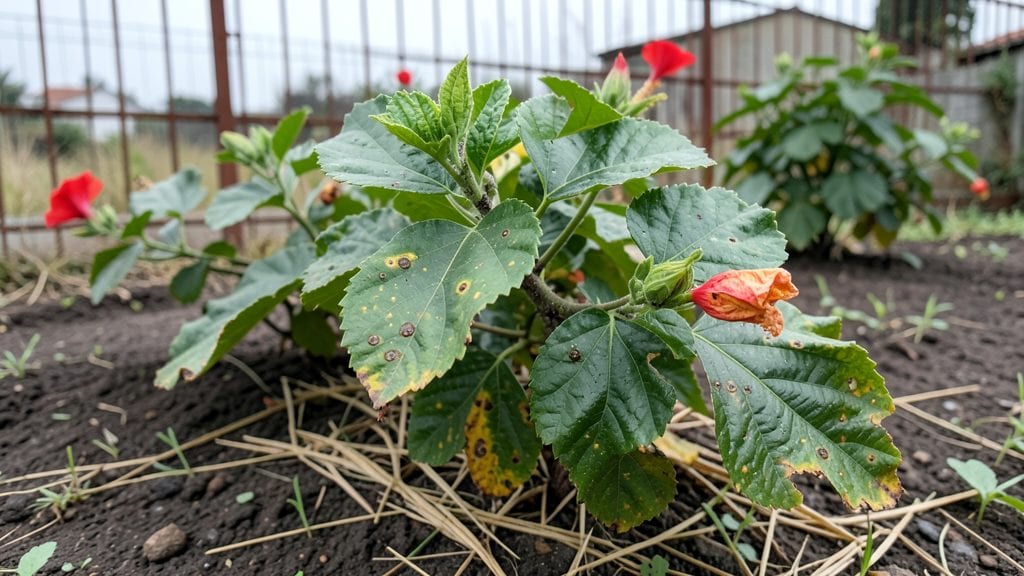
Spotting hibiscus plant diseases early can save your entire garden—here’s your visual cheat sheet for 10 common foes. 🌿 I’ve spent years diagnosing wilting leaves, strange spots, and sticky residue on my hibiscus, and these photos show exactly what to watch for before it’s too late.
The key is catching symptoms fast: brown rings, yellowing leaves, or white fluff on stems mean trouble if you ignore them.
Most problems start with poor airflow, overwatering, or stressed plants. Aphids cluster on new growth, whiteflies leave a waxy residue, and leaf spots appear as dark splotches with yellow halos. Root rot hides underground until the stems turn mushy—by then, it’s often irreversible.
The good news? Each disease has a telltale sign, and knowing what to look for cuts treatment time in half.
You’ll learn to identify each issue in seconds using these visual cues, then choose the right fix—whether it’s neem oil for pests, copper fungicide for spots, or adjusting your watering schedule.
The goal is to keep your hibiscus thriving with bold blooms and glossy leaves, not struggling through a season of mystery ailments. Let’s get to those photos and solutions.
This guide works for tropical hibiscus, hardy hibiscus, and even patio varieties—just match the symptoms to the photos and act fast. Prevention is easier than cleanup, and once you spot these patterns, you’ll recognize them anywhere. Ready to diagnose like a pro?
Root Causes Behind Hibiscus Woes
Hibiscus plants, with their vibrant blooms and lush foliage, can quickly become a gardener’s pride—until disease strikes. Understanding why these issues arise is the first step to prevention. Below, we break down the most common culprits behind hibiscus plant diseases, explained in clear, actionable terms.
Fungi thrive in warm, moist conditions, making hibiscus plants—especially those in humid climates—a prime target. Here’s how they sneak in:
- Excessive Moisture: Overwatering or poor drainage creates the perfect breeding ground for fungi like Fusarium and Phytophthora. These pathogens enter through roots or leaf wounds, causing root rot or leaf spots.
- Poor Air Circulation: Dense foliage or crowded plants trap humidity, allowing fungal spores to spread rapidly. Botrytis blight, for example, loves stagnant air and can turn hibiscus blooms into mushy, brown messes.
- Contaminated Tools or Soil: Fungal spores linger in old potting mix, garden tools, or even watering cans. If you’ve reused soil or shared equipment, you’ve likely introduced spores to your hibiscus.
Pro Tip: 💡 Sterilize pruners with rubbing alcohol between cuts, and avoid overhead watering to keep leaves dry.
Bacteria move quickly, often through wounds or splashing water, and can decimate hibiscus in weeks. Here’s what fuels their growth:
- Wet Leaf Surfaces: Bacteria like Xanthomonas and Pseudomonas cling to moisture. Rain, dew, or excessive irrigation create the ideal environment for them to multiply and ooze from leaf edges (a classic sign of bacterial leaf spot).
- Physical Damage: Pruning cuts, insect bites, or even hail can open doors for bacteria. Once inside, they block vascular tissues, causing wilting or blackened stems.
- Contaminated Water Sources: Using untreated water (e.g., from ponds or rain barrels) can introduce bacterial hitchhikers. Even tap water left standing in hoses can harbor pathogens.
Pro Tip: 🌡️ Water at the base of the plant in the early morning to allow foliage to dry quickly, and remove infected leaves immediately to stop the spread.
Viruses don’t just appear—they hitch rides on insects, tools, or even your hands. Here’s how hibiscus catch them:
- Insect Vectors: Aphids, whiteflies, and even beetles can transmit viruses like Hibiscus Chlorotic Ringspot Virus. These pests feed on infected plants, then spread the virus to healthy ones.
- Contaminated Pruning Tools: Knives or shears used on infected plants can carry viral particles to cuts on other hibiscus. Always clean tools between plants!
- Grafting or Propagation Mistakes: Using infected cuttings or scions to propagate new plants ensures the virus spreads to your entire garden.
Pro Tip: ✨ Inspect new plants for unusual patterns (e.g., rings, mosaics) before adding them to your collection, and quarantine them for 2 weeks.
Not all hibiscus diseases are infectious—some stem from environmental mismanagement. Here’s how stress opens the door to problems:
| Stressor | How It Harms Hibiscus | Diseases It Triggers |
|---|---|---|
| Extreme Heat | Dries out leaves, weakening defenses and making them susceptible to sunburn or fungal entry points. | Leaf scorch, powdery mildew |
| Poor Drainage | Waterlogged roots suffocate the plant, inviting Pythium or Phytophthora root rot. | Root rot, stem cankers |
| Nutrient Deficiencies | Weak plants can’t fight off pests or diseases. For example, low nitrogen = yellowing leaves = easier fungal infection. | General decline, increased susceptibility to all pathogens |
| Sudden Temperature Shifts | Shock weakens cell walls, making hibiscus more vulnerable to bacterial or fungal invasion. | Leaf spots, stem blights |
Pro Tip: 🎯 Monitor soil moisture with a moisture meter, and mulch to regulate temperature and retain moisture without over-saturating roots.
By tackling these root causes—whether fungal, bacterial, viral, or environmental—you’ll be armed to protect your hibiscus before diseases even appear. Next up: How to Spot These Issues Early.
Quick Fixes for Hibiscus Woes
When your hibiscus plant shows signs of distress, acting fast can mean the difference between a full recovery and losing your prized plant. Below are practical, step-by-step solutions tailored to the most common hibiscus diseases, along with prevention tips to keep your plant thriving.
Let’s get your hibiscus back to its vibrant best!
🔥 Powdery Mildew: The White Fluffy Invader
Fix It:
- Prune & Dispose 🪓 – Trim affected leaves (wear gloves!) and burn or trash them—never compost.
- Neem Oil Spray 🌿 – Mix 1 tsp neem oil + 1 tsp mild soap + 1 quart water.
Spray early morning or evening (avoid direct sun). Repeat every 7–10 days for 3 weeks. 3. Improve Airflow 💨 – Space plants 12–18 inches apart and prune nearby foliage blocking airflow.
- Baking Soda Remedy (💡 for mild cases) – Spray 1 tsp baking soda + 1 quart water + a drop of soap weekly.
Prevent It:
- Water at the base (avoid overhead spraying).
- Space plants for sunlight and airflow.
- Use fungicide soap (like potassium bicarbonate) as a preventive spray every 2 weeks in humid climates.
🍄 Root Rot: The Silent Killer
Fix It: 1. Check the Roots 👀 – Gently dig up the plant and inspect roots. Healthy roots are firm; rotten roots are mushy, brown, or black.
- Trim the Damage ⚔️ – Cut off black/mushy roots with sterilized scissors (wipe with rubbing alcohol).
- Repot in Fresh Soil 🏺 – Use a well-draining mix (cactus/succulent soil + perlite). Choose a pot with drainage holes.
- Adjust Watering 💧 – Let the top 1–2 inches of soil dry out before watering again. No soggy soil!
- Fungicide Treatment 🛡️ – Apply copper fungicide or hydrogen peroxide (3%) to the soil (dilute 1:10 with water).
Prevent It:
- Water deeply but less often—hibiscus hates "wet feet."
- Avoid overpotting—too much soil retains moisture.
- Mulch lightly (1 inch) to regulate soil moisture without suffocating roots.
🍅 Anthracnose: The Leaf Spot Menace
Fix It:
- Remove Infected Leaves 🗑️ – Snip off yellow/brown spots with clean shears.
- Copper Fungicide Spray 🛡️ – Use Bordeaux mixture or copper sulfate (follow label instructions).
Spray every 10–14 days for 3 weeks. 3. Boost Plant Health 💪 – Fertilize with balanced 10-10-10 (half-strength) to strengthen defenses. 4. Sanitize Tools 🧼 – Wipe pruners with rubbing alcohol between cuts.
Prevent It:
- Water in the morning so leaves dry quickly.
- Avoid wetting foliage—use a soaker hose for roots.
- Space plants for airflow (crowding = disease heaven).
🐜 Spider Mites: Tiny Web Weavers
Fix It:
- Blast Them Off 💦 – Spray strong water jet to knock mites off leaves.
- Neem Oil or Insecticidal Soap 🌿 – Mix 1 tbsp neem oil + 1 tsp soap + 1 quart water.
Spray every 5 days until gone. 3. Release Predatory Mites 🕷️ (💡 eco-friendly) – Buy Phytoseiulus persimilis from garden centers.
Prevent It:
- Mist leaves occasionally (mites hate humidity).
- Keep plants dust-free (wipe leaves with a damp cloth).
🐜 Mealybugs: Cottony White Pests
Fix It:
- Scrub Them Off 🧼 – Dip a cotton swab in rubbing alcohol (70%) and dab each bug.
- Horticultural Oil Spray 🛡️ – Use dormant oil (follow label).
Reapply every 7 days for 2 weeks. 3. Beneficial Insects 🐝 – Introduce ladybugs or lacewings to eat them naturally.
Prevent It:
- Inspect new plants before bringing them home.
- Isolate infected plants to stop spread.
Fix It:
- Move to Partial Shade ☀️ – If leaves yellow or crisp, relocate to morning sun + afternoon shade.
- Mulch & Water Deeply 💧 – Apply 2–3 inches of mulch and water deeply 2x/week (adjust for climate).
- Frost Protection ❄️ – Cover with frost cloth if temps drop below 50°F (10°C).
Prevent It:
- Acclimate slowly if moving plants indoors/outdoors.
- Monitor soil moisture—hibiscus hate drought and overwatering.
✅ Rotate Fertilizer – Alternate between fish emulsion (for blooms) and compost tea (for roots) every 6 weeks. ✅ Prune for Airflow – Trim overcrowded branches to reduce humidity pockets. ✅ Quarantine New Plants – Keep them separate for 2 weeks before introducing to your hibiscus family. ✅ Test Soil pH – Hibiscus thrives in slightly acidic soil (6.0–6.5).
Adjust with lime (to raise pH) or sulfur (to lower pH).
Remember: Early action is key! Most hibiscus diseases are manageable with the right care. 🌸 Keep an eye on your plant, stay consistent, and your hibiscus will reward you with bold blooms all season long.
Frequently asked questions
How can I tell if my hibiscus has a fungal disease just by looking at photos?
Compare your plant’s symptoms to these key visual clues: powdery mildew shows as white fluffy patches on leaves, while leaf spot diseases appear as dark brown/black spots with yellow halos. Root rot reveals mushy black roots when you lift the plant. Use our visual guide to match patterns—most fungal issues have distinct textures or colors that photos capture perfectly.
What’s the fastest way to confirm if my hibiscus has bacterial leaf spot?
Look for water-soaked brown spots with yellow edges that ooze when wet—this is the classic bacterial sign. For confirmation, scrape a tiny sample onto a slide, add a drop of water, and examine under a microscope (bacteria appear as tiny rod-shaped cells). If you don’t have a microscope, send a clear photo to your local extension office—they’ll diagnose it for free.
Can I use the same treatment for both fungal and bacterial hibiscus diseases?
No—fungicides (like copper or neem oil) won’t work on bacterial infections, and antibiotics (like streptomycin) won’t stop fungi. Fungal diseases respond to fungicides, while bacterial spots need copper-based sprays or removing infected leaves. Always check the disease type first using our visual guide before treating.
Why do some hibiscus disease photos show yellow leaves, but my plant has brown edges?
Brown leaf edges often signal environmental stress (like underwatering or salt buildup), while yellowing usually indicates nutrient deficiencies or viral infections. Check the pattern: uniform browning = drought stress; yellowing with dark veins = possible virus. Compare your symptoms to our photos—stress-related issues rarely appear in disease guides but are just as critical to spot early.
How do I know if my hibiscus disease photos are good enough for diagnosis?
Include close-ups of leaf undersides, stems, and roots (if possible), plus a full-plant shot. Focus on abnormal textures (like white webbing for spider mites) and color changes. Avoid blurry images—disease symptoms need clear detail to match with our reference photos. If unsure, upload to gardening forums like Reddit’s r/Gardening for second opinions.