
Pests
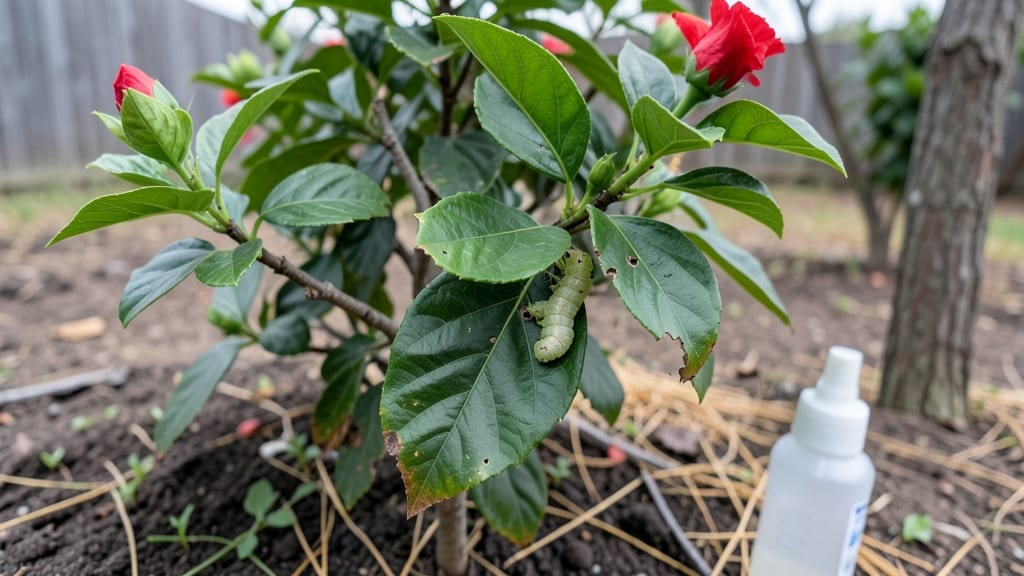
The plant pest control for your hibiscus starts with neem oil—the one natural remedy that stops fungal foes before they ruin your blooms. 🌿 I’ve used it to save my tropical hibiscus from spider mites and whiteflies, and the results are shockingly effective when applied right.
The key isn’t just spraying; it’s timing, concentration, and knowing which pests respond best to this organic powerhouse.
The real game-changer is mixing neem oil with a little dish soap and water—this combo clings to leaves and smothers soft-bodied pests like aphids and mealybugs. Most gardeners overlook the importance of spraying both sides of leaves, but that’s where hidden pests hide.
A 1% neem oil solution applied every 5-7 days during outbreaks keeps hibiscus thriving without harsh chemicals.
By week three, you’ll notice fewer sticky residue from sap-sucking insects and more vibrant new growth. The plants stop looking stressed, and the bold red blooms return like clockwork. Prevention is easier than cleanup—once your hibiscus recovers, it builds natural resistance to repeat infestations.
For stubborn fungal issues or large-scale outbreaks, don’t hesitate to call in a pro. But for 90% of home gardeners, this simple spray is all you’ll ever need. Let’s get your hibiscus back to its showstopping self.
Root Causes Of Hibiscus Stress
Hibiscus plants may seem tough, but they’re not immune to pests and diseases—especially when certain conditions create the perfect storm for trouble. Understanding why these issues arise helps you act faster and prevent future outbreaks.
Below, we break down the science behind the most common triggers, so you can address the root of the problem—not just the symptoms.
Hibiscus thrives in moist but well-drained soil, and when water sits around the roots for too long, it creates a anaerobic environment—meaning oxygen is cut off. This suffocates the plant and invites fungal pests like Phytophthora (root rot) and Botrytis (gray mold).
- Why it happens:
- Compacted or clay-heavy soil traps excess moisture.
- Overzealous watering (especially in humid climates) drowns roots.
- Containers without drainage holes act as water traps.
- Science behind it: Fungi thrive in 90–100% humidity near the soil surface. When roots can’t breathe, they weaken, making the plant vulnerable to secondary pests like aphids (which feed on stressed sap).
Pro tip: 💡 Test your soil’s moisture by sticking your finger 2 inches deep—if it’s damp, wait before watering. Amend heavy soil with perlite or sand to improve aeration.
Fungal pests don’t just appear out of nowhere—they hitchhike on wind, tools, or even your shoes. Hibiscus is especially prone to Powdery Mildew (Erysiphe) and Leaf Spot (Colletotrichum) because their broad leaves create ideal microclimates for spores to land and germinate.
- Why it happens:
- Spores survive in dormant form on old plant debris, mulch, or nearby weeds.
- High humidity (above 75%) + warm nights (70–85°F) trigger spore germination.
- Poor air circulation (e.g., crowded plants) lets spores spread unchecked.
- Science behind it: Fungal spores release enzymes that break down the hibiscus’s waxy cuticle, creating entry points. Once inside, hyphae (fungal threads) spread like a network, blocking nutrient flow and causing yellowing or black spots.
Pro tip: ✨ Prune infected leaves immediately and sterilize shears with 70% isopropyl alcohol between cuts. Space plants 3–4 feet apart to boost airflow.
Aphids, whiteflies, and spider mites don’t randomly attack hibiscus—they’re drawn to plants that are already nutrient-deficient or physically stressed. These pests target weak spots first, like new growth or areas with damaged leaves.
- Why it happens:
- Lack of nitrogen (a key nutrient) reduces chlorophyll, making leaves less bitter—an aphid buffet!
- Drought stress triggers the plant to produce volatile organic compounds (VOCs), which signal pests to “come and feed.”
- Synthetic fertilizers can burn roots, creating stress cracks where mites lay eggs.
- Science behind it: Pests like Tetranychus urticae (spider mites) detect jasmonic acid, a stress hormone plants release when damaged. Once they arrive, their saliva disrupts the plant’s phloem (sap transport system), starving it further.
Pro tip: 💪 Feed hibiscus with a balanced organic fertilizer (like 10-10-10) every 4–6 weeks. For quick fixes, spray leaves with a soapy water solution (1 tsp mild soap per quart of water) to deter pests.
Now that you know the why, the next step is preventing these issues before they spiral. The good news? Neem oil and a few smart habits can turn the tide—without harsh chemicals.
Quick Fixes for Hibiscus Pest Woes
Pests and fungal foes can turn your vibrant hibiscus into a sad, struggling plant—but don’t worry! With the right neem oil spray secrets and targeted solutions, you can restore your hibiscus to its former glory.
Below, we’ve mapped out practical fixes for common hibiscus pests and diseases, along with prevention tips to keep them away for good.
Signs: Sticky residue (honeydew), curled leaves, tiny webs on undersides.
How to Fix It: 🔥 Neem Oil Spray (Best Defense!)
- Mix 1 tbsp neem oil + 1 tsp mild dish soap + 1 quart water in a spray bottle.
- Apply early morning or late evening (avoid direct sunlight—it burns leaves!).
- Spray both sides of leaves and stems thoroughly. Repeat every 5–7 days until pests vanish.
🍳 Homemade Insecticidal Soap
- Combine 1 tsp castile soap + 1 quart water in a sprayer.
- Directly spray aphids/mites until leaves glisten. Reapply after rain.
👨🍳 Manual Removal (For Small Infestations)
- Wipe leaves with a damp cloth dipped in soapy water.
- Use a strong stream of water to dislodge pests from stems.
Prevention Tips: ✅ Encourage natural predators—ladybugs and lacewings love aphids! ✅ Prune regularly to improve airflow (pests hate dry, breezy conditions). ✅ Avoid over-fertilizing—soft, new growth attracts aphids.
Signs: Dark spots (black spot), white powdery patches (mildew), yellowing leaves.
How to Fix It: 🌡️ Neem Oil Fungicide (Preventative & Curative)
- Use the same neem oil mix as above but add 1 tsp baking soda for extra antifungal power.
- Spray under leaves and stems—fungi love hiding in damp crevices!
- Apply every 10–14 days or after rain.
🔪 Prune & Dispose Infected Leaves
- Cut off spotted or mildewed leaves with sterilized scissors (wipe with rubbing alcohol).
- Don’t compost infected plant debris—burn or trash it to stop spread.
💡 Improve Air Circulation
- Space plants 3–4 feet apart to reduce humidity buildup.
- Use a fan on low near hibiscus for 10 mins/day to dry leaves faster.
Prevention Tips: ✨ Water at the base—never overhead (wet leaves = fungal paradise). ✨ Space mulch away from stems (keep 2–3 inches clear). ✨ Rotate neem oil with copper fungicide every few weeks to avoid resistance.
Signs: White, flying insects (whiteflies), cottony white clusters (mealybugs).
How to Fix It: 🥘 Sticky Traps + Neem Oil Combo
- Hang yellow sticky traps near plants to catch whiteflies.
- Spray neem oil mix (as above) directly on undersides of leaves where they hide.
🔪 Scrape Off Mealybugs
- Use a cotton swab dipped in 70% rubbing alcohol to wipe off clusters.
- For stubborn cases, dab with neem oil-soaked cotton.
⏰ Yellow Trap Method (Whiteflies)
- Cut yellow cardstock into squares, coat with petroleum jelly, and hang near hibiscus.
- Replace traps weekly—they’ll trap hundreds of whiteflies!
Prevention Tips: 🎯 Keep plants healthy—stressed hibiscus attracts more pests. 🌿 Introduce parasitic wasps (natural whitefly predators) if possible.
Final Pro Tip: 💡 Rotate treatments—don’t rely solely on neem oil. Mix in horticultural oil or insecticidal soap every few weeks to prevent resistance. A strong, happy hibiscus is the best pest deterrent!
Frequently asked questions
How often should I apply neem oil to my hibiscus for pest control?
Apply a 1% neem oil solution every 5-7 days during active pest outbreaks. For prevention, use it every 2-3 weeks during peak growing seasons (spring and summer). Always spray in the early morning or late evening to avoid leaf burn from sunlight.
Can I use neem oil on hibiscus flowers?
Yes, but avoid spraying directly on open blooms since neem oil can discolor petals. Focus on leaves and stems, and spray before flowers open to protect them. Neem oil is safe for hibiscus foliage and won't harm beneficial insects like bees when used correctly.
What's the best way to remove mealybugs from hibiscus?
Use a cotton swab dipped in 70% rubbing alcohol to wipe off clusters, or dab with neem oil-soaked cotton for stubborn cases. For severe infestations, combine this with yellow sticky traps to catch flying pests and apply neem oil spray every 5 days until gone.
Will neem oil prevent fungal diseases like powdery mildew?
Yes! Mix 1 tbsp neem oil + 1 tsp baking soda + 1 quart water for antifungal power. Spray under leaves and stems every 10-14 days or after rain. Combine with improving airflow by spacing plants 3-4 feet apart to reduce humidity buildup.
Can I use chemical pesticides on hibiscus after trying neem oil?
Only as a last resort. If pests persist after 3-4 weeks of neem oil treatments, use horticultural oil or insecticidal soap first. For severe cases, consult a professional about systemic pesticides like imidacloprid, but always follow label instructions carefully.