
Flowers
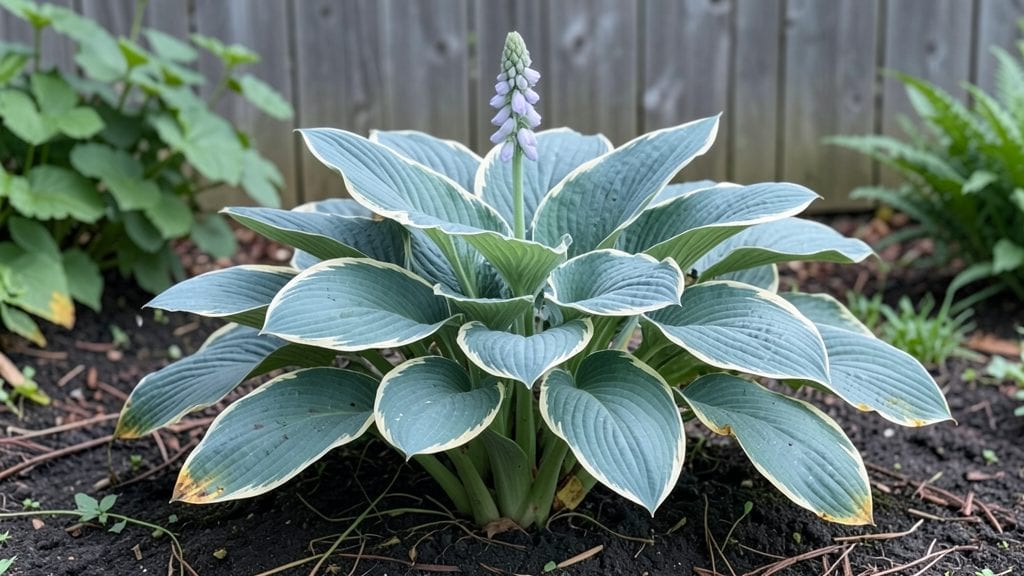
The identification of your hosta plants by leaf shape and color is the easiest way to match them to the right variety—no botanist degree required.
Picture this: you’ve just added a new 🌿 to your shade garden, but now you’re staring at a glossy green leaf wondering, "Is this a 'Blue Angel' or a 'Patriot'?" With over 3,000 hosta varieties out there, even experienced gardeners mix them up.
The good news? Leaf edges, color patterns, and size hold all the clues you need to nail the ID.
Whether you’re a beginner or a seasoned grower, this guide cuts through the confusion. We’ll break down the key traits that set hostas apart—from the wavy ruffles of 'Francee' to the deep blue-green of 'Halcyon.' No more guessing which one belongs where in your garden.
Ready to stop second-guessing and start matching? Let’s dive into the easy way to identify your hostas by their most distinctive features.
How to identify hostas by leaf shape: a visual guide to common types
Hostas are famous for their stunning foliage, and their leaf shapes are the first clue to identifying them correctly. Whether you're admiring the ruffled edges of 'Francee' or the broad, heart-shaped leaves of 'Sum and Substance,' these shapes tell you everything about the variety.
The key is learning how to spot the subtle differences between cordate, ovate, lanceolate, and elliptical leaves.
Leaf shape isn’t just about aesthetics—it also affects how the plant grows and thrives. For example, cordate leaves (heart-shaped) often belong to larger hostas, while lanceolate leaves (long and narrow) are common in smaller varieties.
Understanding these shapes helps you choose the right hostas for your garden’s lighting and space. Let’s break down the most common leaf shapes and the hostas that feature them.
| Leaf Shape | Description | Example Varieties | Leaf Edge | Size Range |
|---|---|---|---|---|
| Cordate | Heart-shaped with a pointed tip and rounded base. | 'Blue Angel,' 'Sum and Substance' | Smooth or slightly wavy | Large (8-18 inches) |
| Ovate | Egg-shaped with a broad base and pointed tip. | 'Francee,' 'Guacamole' | Ruffled or wavy | Medium (6-12 inches) |
| Lanceolate | Long and narrow, resembling a lance. | 'Lanceolata,' 'Halcyon' | Smooth or slightly serrated | Small (4-8 inches) |
| Elliptical | Oval-shaped with a smooth, even outline. | 'Patriot,' 'June' | Smooth or lightly wavy | Medium-Large (8-14 inches) |
The leaf edges of hostas add another layer to identification. For instance, 'Francee' is instantly recognizable by its deeply ruffled edges, while 'Guacamole' has smooth, slightly wavy margins.
Pay attention to whether the edges are crisp and smooth or textured and ruffled—this can be the deciding factor when comparing similar-looking varieties.
Don’t overlook the vein patterns either. Some hostas, like 'Blue Angel,' have prominent veins that create a striking contrast against their deep blue-green leaves. Others, like 'Halcyon,' feature finer veins that blend seamlessly with the leaf’s color.
These subtle details can help you distinguish between varieties that might look similar at first glance.
If you’re still unsure, consider the leaf size and how it relates to the plant’s overall growth habit. Larger leaves, like those of 'Sum and Substance,' often belong to giant hostas that thrive in spacious garden beds.
Smaller leaves, such as those of 'Lanceolata,' are typical of miniature varieties that work well in containers or rock gardens.
One of my favorite tricks for identifying hostas is to compare them side by side. Hold a leaf up to natural light and observe how the shape, edges, and veins interact.
For example, the cordate shape of 'Blue Angel' combined with its ruffled edges makes it stand out against the smooth, elliptical leaves of 'Patriot.' This visual comparison is often all you need to confidently ID your hostas.
For beginners, start with a few easy-to-identify varieties like 'Francee' (ruffled, ovate) or 'Guacamole' (smooth, elliptical). Once you’re comfortable with these, you can tackle more complex shapes like the lanceolate leaves of 'Lanceolata.' The more you observe, the quicker you’ll recognize patterns and differences in your garden.
Pro tip: Take photos of your hostas from multiple angles and compare them to online databases or gardening books. Many hosta societies and plant forums have identification guides that include leaf shape as a primary feature. With a little practice, you’ll be matching names to leaves like a pro!
Remember, hostas are all about foliage, so their leaf shapes are their signature. Once you master these visual cues, you’ll never second-guess which hosta belongs where in your garden again. Happy identifying!
Hosta color palette: decoding green, blue, gold, and variegated leaves
Hostas are famous for their foliage diversity, and their leaf colors can be just as distinctive as their shapes. While most hostas are green, some varieties boast blue-green, gold, or even variegated patterns that make them stand out.
The color of a hosta leaf isn’t just about genetics—it’s also influenced by sunlight exposure, soil conditions, and even the plant’s age. Understanding these variations will help you identify your hostas with confidence.
For example, the 'Halcyon' hosta might appear deep blue-green in shade but shift to a softer green under bright light. Meanwhile, variegated varieties like 'Patriot' feature striking white or yellow margins that create a stunning contrast. These color shifts are key to matching names to leaves in your garden.
| Variety | Color Type | Sunlight Effect | Identification Tip |
|---|---|---|---|
| 'Halcyon' | Blue-Green | Darker in shade | Look for lanceolate leaves with a glossy finish |
| 'Patriot' | Variegated | White margins fade in full sun | Elliptical leaves with bold white edges |
| 'June' | Gold | Brighter in sun | Heart-shaped leaves with golden hue |
| 'Blue Angel' | Blue-Green | Deepens in shade | Large cordate leaves with prominent veins |
The blue-green color in hostas isn’t actually blue—it’s a result of anthocyanin pigments that intensify in shade. This is why 'Halcyon' and 'Blue Angel' appear deeper blue-green when planted in partial shade rather than full sun.
If your hosta is losing its blue tint, it might be getting too much direct sunlight. Try moving it to a shadier spot to restore its signature color.
Variegated hostas, like 'Patriot' and 'Francee,' are some of the easiest to identify because their color patterns are so distinctive. The white or yellow margins on these varieties create a striking contrast against the green center.
However, be aware that excessive sun can cause the variegation to bleach out, turning the edges brown or yellow. To keep their patterns vibrant, plant variegated hostas in bright but indirect light.
Golden hostas, such as 'June' and 'Aureomarginata,' are another standout group. Their yellow or gold foliage is often more vibrant in morning sun but may fade in intense afternoon light. If you notice your golden hosta turning green, it might need a slightly shadier location to maintain its color.
These varieties also tend to have a softer texture compared to their blue-green cousins.
One of my favorite tricks for identifying hostas by color is to observe how they change throughout the day. For example, 'Halcyon' might look deep blue-green in the morning but shift to a softer green by afternoon.
By noting these color shifts, you can better match your hostas to their ideal growing conditions—and avoid common misidentifications.
Don’t forget that leaf texture can also play a role in identification. Glossy leaves, like those of 'Blue Angel,' often accompany the blue-green hues, while matte leaves might indicate a different variety. Pairing color with texture, shape, and sunlight preferences will give you a complete picture of your hosta’s identity.
Ready to put your new color knowledge to use? Grab a notebook and jot down the colors and patterns of your hostas. Over time, you’ll start recognizing subtle differences that make each variety unique—no more guessing which one is which in your garden! 🌿