
Planting
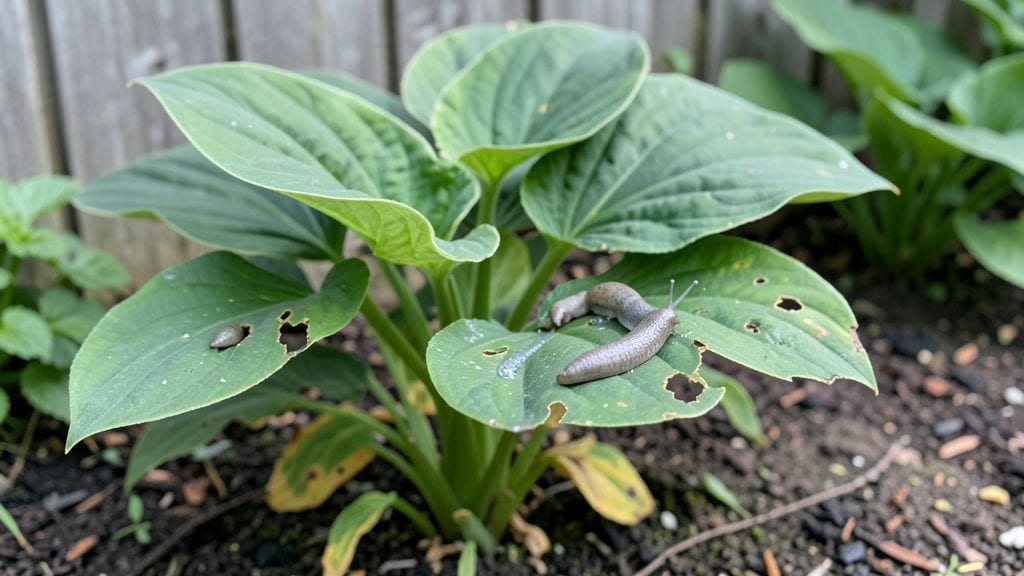
The hosta plant pests you fear—slugs, snails, and voracious beetles—can strip your garden bare unless you act fast. 🌿 I’ve watched them devour entire leaves overnight—until I learned the early signs and organic fixes that actually work. The key is acting fast, before the damage spreads.
Most hosta problems come from slugs, snails, aphids, or fungal leaf spot. Slugs leave shiny trails and jagged holes, while aphids cluster on undersides of leaves.
Fungal spots show as brown, crusty patches. The good news? Organic methods like diatomaceous earth, beer traps, and copper barriers stop these pests without chemicals.
You’ll see new growth filling in within weeks if you catch it early. Mulching with cedar chips deters slugs, and planting garlic nearby keeps aphids away. The secret is consistency—check plants weekly, especially after rain when pests are most active.
Works for shady gardens, container hostas, or large borders. Once you master these tricks, your hostas will stay vibrant all season. Let’s protect that lush foliage for good.
Root Causes of Hosta Damage
Hostas are prized for their lush foliage and adaptability, but they’re also a magnet for pests. Understanding why these critters target your plants is the first step in protecting them. Here’s why hosta pests become a problem—and how to address the underlying issues.
Hostas thrive in shaded, moist environments—conditions that also create the perfect breeding ground for slugs, snails, and fungal diseases like leaf spot.
When plants are too close together, airflow is restricted, leading to: - Higher humidity 🌡️—Ideal for slugs and snails, which thrive in damp, sheltered spots. - Fungal growth 🍄—Poor ventilation allows spores to linger, weakening leaves and making them easier targets for pests. - Stressed roots 🌿—Competition for nutrients makes hostas more vulnerable to root-feeding insects like grubs.
Actionable fix: Space hostas 18–24 inches apart and mulch with organic matter (like shredded leaves) to improve drainage while keeping the soil moist—but not soggy.
Hostas with nitrogen-heavy soil produce soft, tender leaves that are a buffet for pests like aphids and slugs. Meanwhile, phosphorus or potassium deficiencies stress plants, making them more attractive to chewing insects.
- Too much nitrogen 🌱 → Fast, weak growth = aphid and slug magnets.
- Low potassium 💪 → Poor disease resistance = fungal and bacterial pests thrive.
- Magnesium deficiency 🍃 → Yellowing leaves (chlorosis) = invites spider mites.
Actionable fix: Test your soil and amend with a balanced fertilizer (e.g., 10-10-10) or compost. Avoid over-fertilizing—hostas prefer moderate nutrition over excess.
Slugs and snails are drawn to hostas because of their thick, juicy leaves and shady, damp habitats.
Key triggers: - Rainy seasons or overwatering 💦—Slugs seek out moist soil to lay eggs. - Decaying organic matter 🍂—Compost piles or thick mulch provide hiding spots. - Nighttime activity 🌙—These pests feed after dark when conditions are cooler and wetter.
Actionable fix:
- Reduce hiding spots by keeping mulch 2–3 inches away from plant stems.
- Water in the morning (not at night) to let soil dry slightly by evening.
- Use organic barriers like copper tape or crushed eggshells (slugs hate the texture!).
These tiny pests target hostas when the plants are stressed or overcrowded.
Their attraction stems from: - New growth 🌱—Tender shoots are packed with sugars, making them a feast. - Dusty or dry leaves 🌬️—Reduces natural predators (like ladybugs) and attracts mites. - Weakened immune systems 🛡️—Plants under water stress or disease are easier targets.
Actionable fix:
- Spray leaves with water to wash away dust and deter mites.
- Encourage predators by planting marigolds, dill, or yarrow nearby.
- Neem oil or insecticidal soap 🧼 can disrupt their life cycles without harming beneficial insects.
These metallic-green beetles devour hosta leaves in hours, leaving behind a lace-like pattern.
They’re drawn to: - Flowering hostas 🌸—Beetles are attracted to pollen and nectar. - Warm, sunny days ☀️—They’re most active when temperatures rise above 75°F. - Stressed plants 🌿—Drought or poor soil health makes leaves more palatable.
Actionable fix:
- Handpick beetles into soapy water in the early morning.
- Use floating row covers to block adults before they lay eggs.
- Plant traps like roses or grapes (they prefer these over hostas).
Fungal issues like leaf spot, powdery mildew, or crown rot weaken hostas, making them susceptible to secondary pests. Causes include:
- Excess moisture 💧—Fungi thrive in damp, stagnant conditions.
- Poor drainage 🚫—Waterlogged soil invites root rot and slugs.
- Old or damaged leaves 🍃—Provide entry points for spores.
Actionable fix:
- Improve drainage with raised beds or sand amendments.
- Remove infected leaves immediately and sterilize pruners.
- Space plants for airflow to prevent fungal spread.
Larvae from Japanese beetles, June bugs, or chafer beetles chew on hosta roots, causing wilted or stunted growth. They’re drawn to:
- Lawns with grubs 🌱—Hostas near turf are at higher risk.
- Organic-rich soil 🍂—Grubs prefer compost-heavy beds.
- Weak root systems 🌿—Stressed plants can’t fight back.
Actionable fix:
- Apply milky spore (a natural bacteria) to lawns to reduce grub populations.
- Use nematodes (beneficial worms) to target larvae in the soil.
- Avoid over-fertilizing—grubs are attracted to nitrogen-rich environments.
Quick Fixes for Hosta Plant Pests
When pests invade your hostas, acting fast is key to saving your plants—and your sanity! Below, we’ve mapped out practical, organic solutions for the most common hosta pests, along with prevention tips to keep them from returning. No harsh chemicals needed—just smart, garden-friendly fixes.
Signs: Ragged holes in leaves, shiny trails on foliage, missing petals.
How to Treat It
🔥 Remove by Hand (Best for small infestations)
- When? Early morning or after rain (they’re sluggish).
- How? Wear gloves, pick them off, and drop them in soapy water. Repeat daily for a week.
🍳 Create a Beer Trap (Budget-friendly bait)
- Bury a shallow dish filled with beer near hostas. Slugs crawl in and drown—no mess, no fuss.
👨🍳 Use Copper Barriers (Long-term deterrent)
- Wrap copper tape around pots or create a ring around hostas. The mild electric shock (from their slime) repels them.
🥘 Diatomaceous Earth (DE) Barrier (Non-toxic powder)
- Sprinkle food-grade DE around the base of plants. It dehydrates slugs but is safe for pets/kids.
⏰ Prevention Tips
- 💡 Mulch with sharp materials like crushed eggshells or gravel—slugs hate crawling over them.
- 🌡️ Water in the morning so soil dries faster (slugs thrive in dampness).
- 🎯 Plant slug-resistant companions like lamb’s ear or thyme near hostas.
Signs: Sticky residue (honeydew), curled leaves, tiny green/black bugs clustered on stems.
How to Treat It
🔥 Blast Them Off with Water
- When? Early morning or late evening (avoid harming beneficial insects).
- How? Use a strong stream from a hose to dislodge aphids.
🍳 Neem Oil Spray (Natural insecticide)
- Mix 1 tbsp neem oil + 1 tsp mild soap + 1 quart water. Spray directly on pests. Reapply every 5–7 days.
👨🍳 Introduce Ladybugs (Eco-friendly pest control)
- Buy ladybug larvae from garden centers—they love aphids. Release them at dusk.
🥘 Homemade Garlic Spray (Pungent repellent)
- Blend 2 garlic cloves + 1 tsp cayenne pepper + 1 quart water. Strain and spray on leaves.
⏰ Prevention Tips
- 💡 Inspect new plants before adding them to your garden.
- 🔥 Prune regularly to remove infested growth.
- 🌿 Encourage predator plants like marigolds or dill to attract aphid-eating wasps.
Signs: Fine webbing on leaves, stippled or yellowing foliage, tiny moving dots.
How to Treat It
🔥 Wipe Leaves with Soapy Water
- When? On a cloudy day (mites hate humidity).
- How? Dampen a cloth with mild soap solution and gently rub leaves.
🍳 Horticultural Oil Spray (Smothers mites)
- Use pre-mixed oil spray (like neem oil) and apply evenly on both leaf sides.
👨🍳 Increase Humidity (Mites thrive in dry air)
- Mist plants daily or place a tray of water nearby to raise moisture levels.
🥘 Release Predatory Mites (Biological control)
- Buy Phytoseiulus persimilis (a mite-eating mite) from garden stores.
⏰ Prevention Tips
- 💡 Water deeply and consistently—drought stress attracts mites.
- 🌡️ Avoid overhead watering (keeps leaves dry).
- 🎯 Use reflective mulch (like aluminum foil) to disorient mites.
Signs: Plants suddenly topple over, chewed stems at soil level.
How to Treat It
🔥 Handpick at Night (They’re most active after dark)
- When? Evening (use a flashlight).
- How? Gently pull them off stems and drop in soapy water.
🍳 Collar Barriers (Physical block)
- Wrap cardboard collars around stems at soil level. Cutworms can’t climb!
👨🍳 Diatomaceous Earth Ring (Dehydrates larvae)
- Create a 1-inch band of DE around the base of plants.
🥘 Encourage Birds & Frogs (Natural predators)
- Plant sunflowers or milkweed to attract bird friends.
⏰ Prevention Tips
- 💡 Avoid late-night watering (keeps soil moist, attracting worms).
- 🔥 Use row covers for young hostas.
- 🌿 Plant basil or garlic nearby—their scent repels cutworms.
🌱 Pro Tip: Rotate your methods—pests adapt! If one solution stops working, switch tactics to keep them guessing.
By acting early and combining removal, repellents, and prevention, your hostas will stay lush and pest-free—without the chemical overload. Happy gardening! 🌿✨
Frequently asked questions
What are the first signs my hosta plants have pests?
Look for ragged holes in leaves (slugs/snails), sticky residue (aphids), or fine webbing (spider mites). Fungal issues show as brown spots on foliage. Check undersides of leaves and soil surfaces where pests hide. Act fast—damage spreads quickly!
Can I use coffee grounds to deter slugs from my hostas?
Yes! Sprinkle used coffee grounds around hosta bases—the caffeine acts as a natural repellent. Refresh every few days after rain. For extra protection, mix with crushed eggshells (slugs hate the texture). Just avoid overdoing it—too much can acidify soil.
How do I know if my hosta has a fungal issue vs. insect damage?
Fungal problems (like leaf spot) appear as crusty brown patches with yellow halos, often on upper leaves. Insect damage shows as irregular holes or skeletonized leaves. Fungal spots may have white powdery coatings (mildew), while insects leave trails or frass (chewed bits). Test with a damp paper towel—fungi wipe off partially.
Are there any hosta varieties more resistant to pests?
Yes! Blue hostas (like 'Halcyon') are less appealing to slugs due to their bitter taste. Variegated varieties (e.g., 'Francee') often deter pests because their patterns confuse insects. Thicker-leaved types (like 'Guacamole') also resist chewing better. Plant these near prized specimens for extra protection.
Will neem oil harm beneficial insects like bees?
Neem oil is safe for bees when applied correctly—only spray after sunset when flowers aren't open. Avoid direct contact with blooms. For extra safety, use azadirachtin-free neem oil (less toxic to pollinators). Always follow product instructions for dilution ratios.