
Landscaping
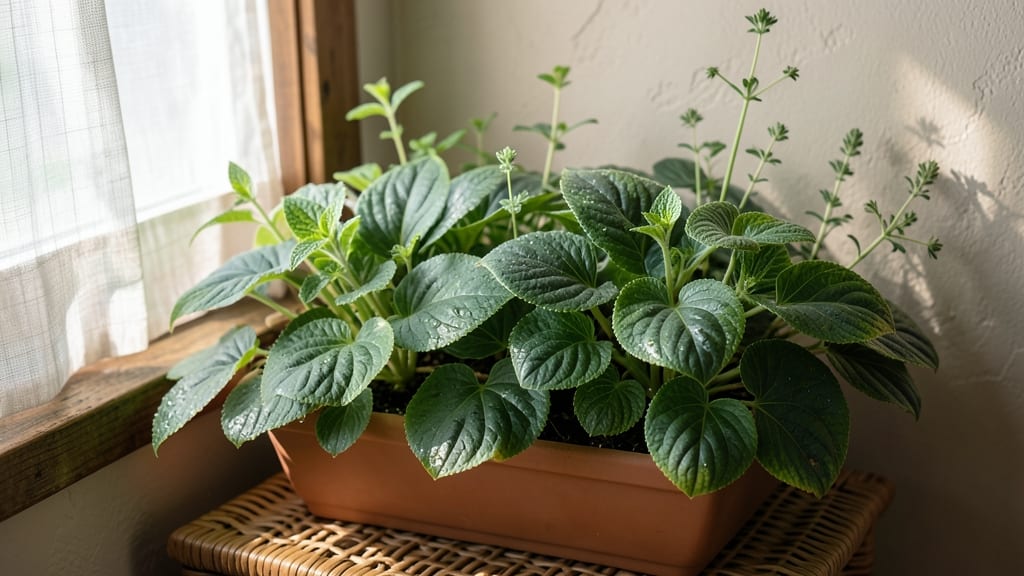
Hostas are the backbone of shade gardens, offering lush foliage and year-round interest. These 10 creative planting ideas transform your shady spots into vibrant, low-maintenance landscapes that grow stronger with each season.
Layered Hosta Borders Along Garden Paths
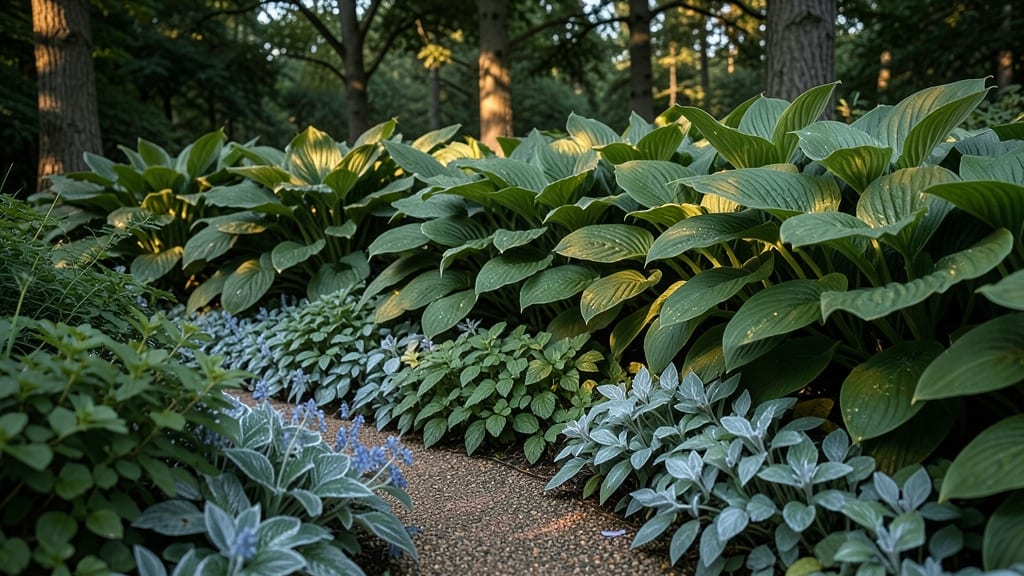
Tired of weeds creeping into your garden paths? Layered hosta borders create a natural, weed-blocking barrier while adding visual interest to your walkways. The secret lies in pairing tall varieties like 'Francee' (30+ inches) with dwarf types such as 'Blue Angel' (under 12 inches) to build depth and suppress weeds through dense foliage.
Plant the tallest hostas closest to the path’s edge, followed by mid-height varieties, then dwarf types along the border’s inner edge. Space them 12-18 inches apart for mature plants to fill in completely, creating a lush, impenetrable green wall. This method also prevents soil erosion along pathways while offering a textured contrast that guides visitors through your garden.
Perfect for gardeners who want low-maintenance paths that feel intentional—no more weeding or patchy mulch. The layered effect also makes your garden feel more structured and inviting. 🌿
Container Hostas for Balconies and Patios
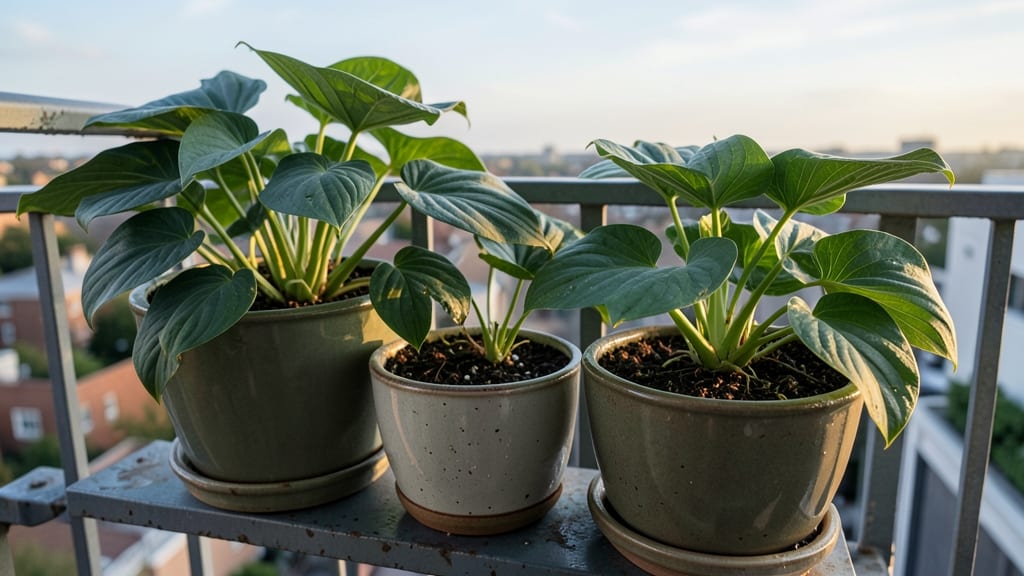
Even the tiniest urban balcony can become a lush hosta haven with the right container setup. Slow-growing varieties like 'Halcyon' are perfect for small spaces because they resist becoming root-bound, while their compact growth habit keeps them manageable in pots.
Use a moisture-retentive potting mix (blend peat moss, perlite, and compost) to prevent drying out, and choose containers with drainage holes to avoid soggy roots. Place your hostas in partial shade—they’ll thrive with 4-6 hours of morning sun—and add trailing companions like ferns or ivy to soften the container’s edges.
This approach is ideal for renters, city dwellers, or anyone with limited ground space. You’ll enjoy vibrant foliage without the commitment of in-ground planting! 🌿
Hosta and Fern Mixed Woodland Beds
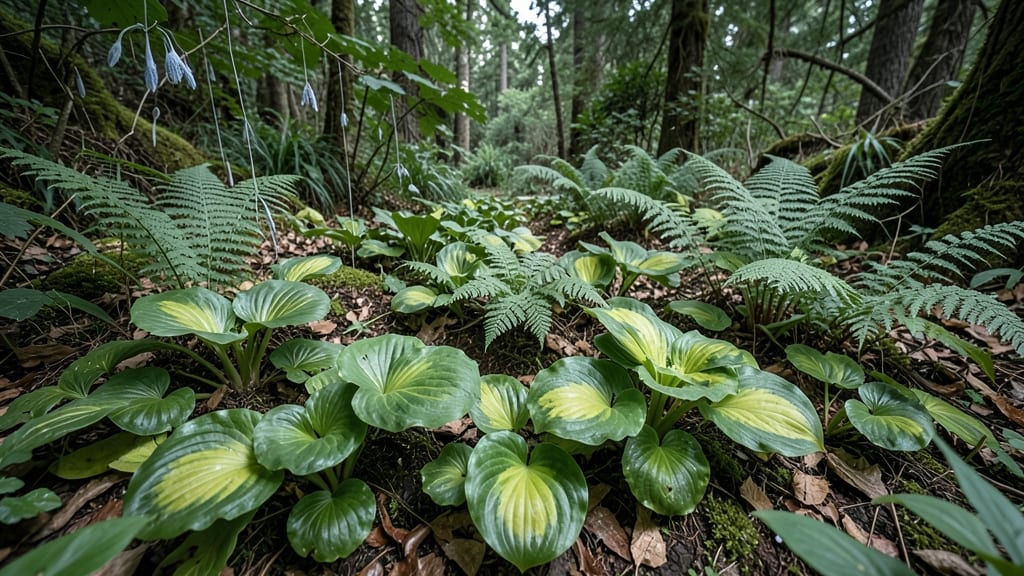
Transform your shady garden into a thriving woodland sanctuary with a hosta and fern mixed bed—nature’s own layered tapestry. This design mimics the dappled light and moisture-rich conditions of a forest understory, where broadleaf hostas like 'Guacamole' (with its chartreuse centers) shine alongside delicate ferns and hellebores.
Plant maidenhair ferns for fine texture and airy movement, while hellebores add early spring blooms and winter interest. Mulch with leaf litter or wood chips to retain moisture and suppress weeds, creating the perfect microclimate for these shade-lovers. The key is spacing: group hostas in clusters of 3-5, leaving room for ferns to spill between them.
This design is ideal for gardeners with deep shade or high humidity, offering a low-maintenance yet dramatic look that evolves with the seasons. 🌿
Hosta Underplanting for Shrubs and Trees
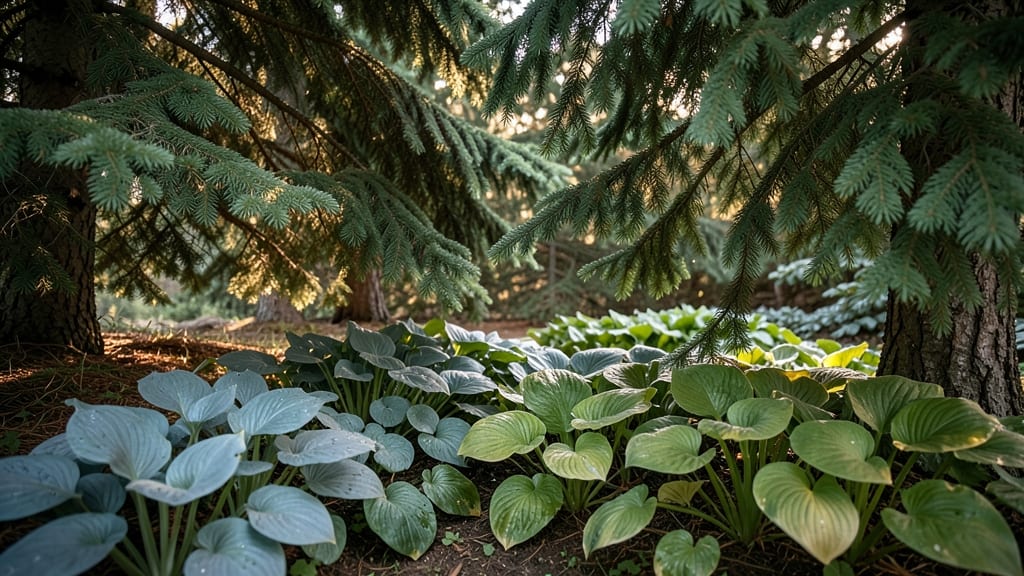
Transform those bare patches under evergreens or flowering shrubs into lush, vibrant spots with hosta underplanting. Instead of struggling with weeds or mulch that fades over time, hostas provide year-round texture while thriving in the dappled shade where few other plants survive.
Choose shade-tolerant varieties like 'June' (gold-centered foliage) or 'Blue Mouse Ears' (compact blue-green leaves) to avoid competing with shrubs for nutrients or light. Plant them 6-12 inches away from tree roots to prevent root crowding, and mulch with wood chips to retain moisture and suppress weeds effortlessly.
This approach works especially well for gardeners with conifers, rhododendrons, or hydrangeas—adding a pop of color and movement where the ground might otherwise look dull. The hostas will fill in gaps while keeping the shrubs as the star. ✨
Hosta Water Feature Accents
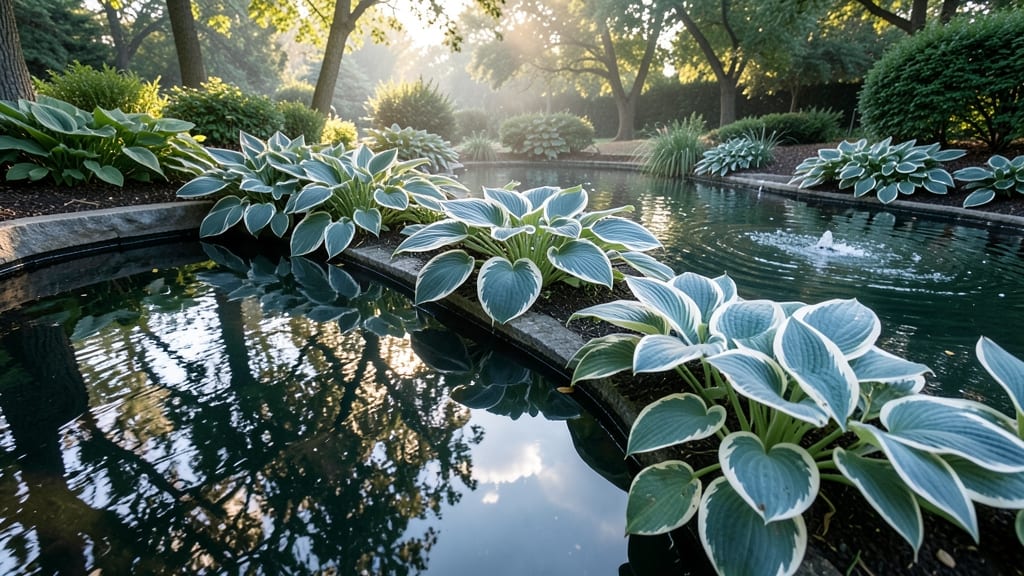
Turn your pond or fountain into a living mirror by planting variegated hostas like 'Patriot' along the edges. Their crisp white and blue-green foliage creates stunning reflections in the water while adding a polished, natural border that’s both functional and beautiful.
This placement also works as a slug deterrent—the crisp, upright leaves of variegated varieties are less appealing to pests than soft, broad-leaved types. For best results, space plants 12–18 inches apart and keep the soil consistently moist but well-drained to prevent root rot near water features.
Perfect for gardeners with small water features or those looking to add movement and light to shady corners, this design transforms a simple pond into a focal point that shines both day and night. ✨
Hosta and Hellebore Winter Interest Beds
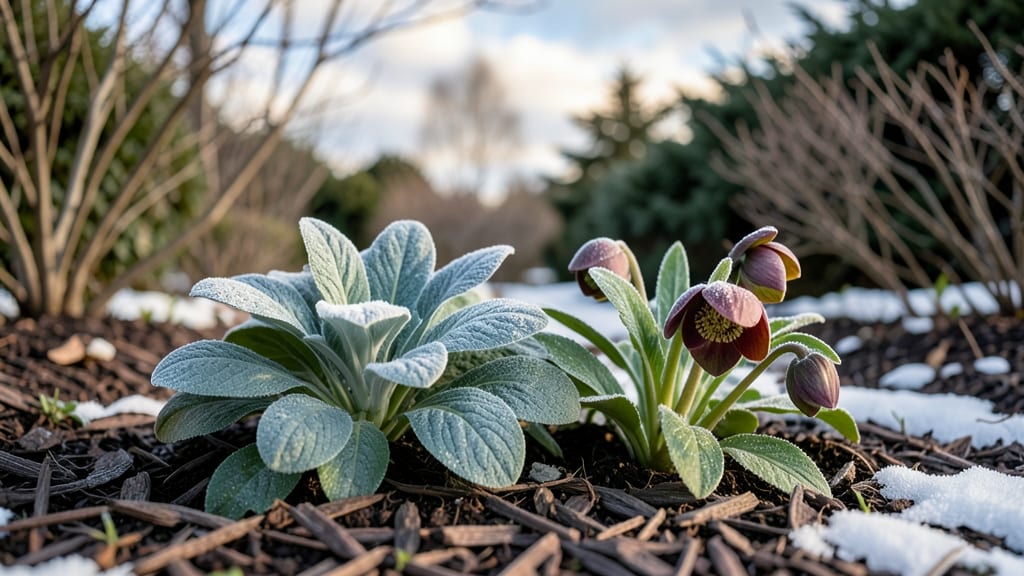
Tired of bare garden beds during winter? A hosta and hellebore combo turns dormant spaces into a year-round color show with almost no effort. The compact Blue Mouse Ears hosta keeps its tidy form even in frost, while hellebores bloom as early as February, defying winter's chill.
Plant these in partial to full shade with moist, well-draining soil. Space Blue Mouse Ears 12-18 inches apart for dense coverage, and tuck hellebores nearby for their nodding, cup-shaped flowers that appear before most spring blooms. Mulch with shredded leaves to protect roots during freeze-thaw cycles.
This pairing is ideal for gardeners who want low-maintenance beauty without seasonal gaps. The contrast between hosta's evergreen leaves and hellebore's delicate blooms creates visual interest from every angle—even when snow dusts the foliage. ✨
Hosta and Moss Rock Garden Creations
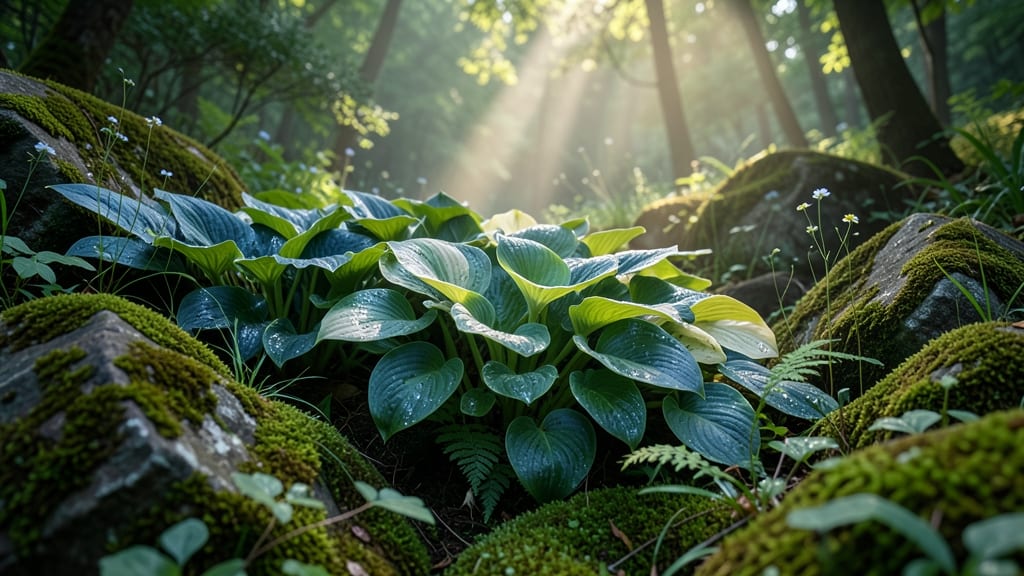
Turn your dampest garden corners into a miniature woodland retreat with hosta and moss rock creations—ideal for bog gardens or moisture-rich areas that other plants avoid. This design thrives where water lingers, creating a lush, low-maintenance oasis that feels like a secret forest hideaway.
Start with 'Francee' hostas, known for their blue-green foliage and adaptability to wet conditions, and tuck them among sheet moss and smooth river rocks to mimic natural woodland streams. The moss softens the rocky edges while retaining moisture, while the hostas cascade gracefully over stones, adding movement and texture. For extra drama, incorporate a small bog garden feature like a shallow pool or trickling waterfall—just ensure proper drainage to prevent root rot.
This design is perfect for gardeners with shady, damp spots who want to avoid muddy soil while creating a serene, high-impact display. The combination of hosta, moss, and rocks works year-round, offering evergreen interest even in winter. 🌿
Hosta and Ornamental Grasses Contrast Plantings
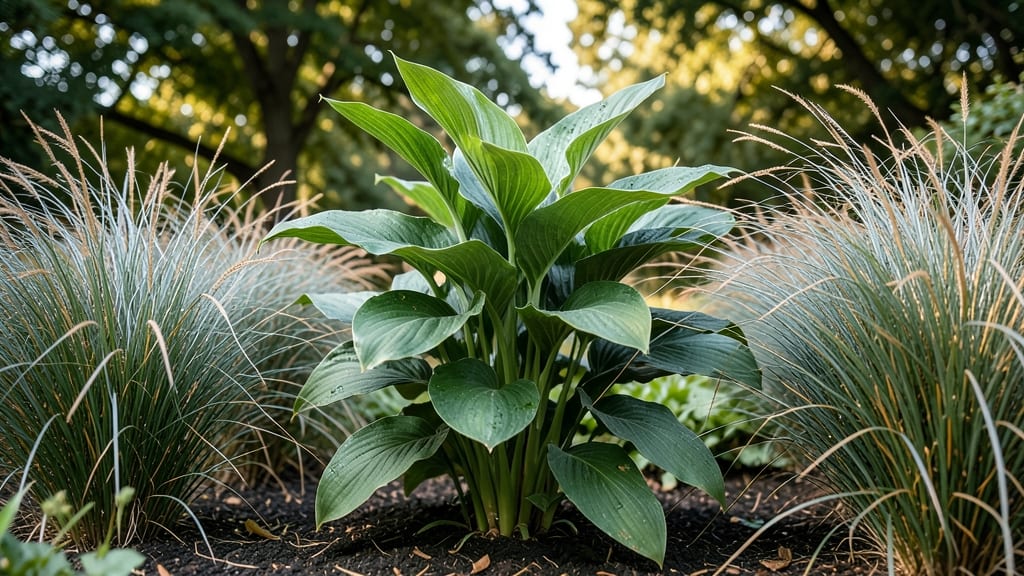
Tired of static shade gardens that look the same year-round? Ornamental grasses add dynamic movement and height to hosta plantings, catching light in ways broadleaf foliage never could. The key is pairing upright hosta varieties like 'Sum and Substance'—with its bold, architectural leaves—with fountain grasses like 'Karl Foerster' or 'Little Spruce'.
Plant grasses in clusters behind hostas to create vertical layers, letting their plumes sway above the hosta canopy. For maximum impact, choose grasses with golden or silver tones—like 'Hakonechloa macra'—to contrast the hosta's deep greens. This combo thrives in partial shade and requires minimal care beyond occasional trimming to keep grasses tidy.
Perfect for modern gardeners seeking structure without sacrificing softness, this pairing elevates shady corners into focal points that dance with the wind. 🌿
Hosta Themed Moon Garden Designs

Transform your garden into a magical nighttime retreat with a hosta-themed moon garden—where silver foliage and white blooms glow under the moonlight. This enchanting design leverages the silvery-blue leaves of varieties like 'Silver Buckle' to reflect moonlight beautifully, creating an ethereal atmosphere perfect for evening strolls.
Pair your hostas with white-flowering astilbe or moonflower vine to amplify the luminous effect. These combinations not only create visual drama after dark but also attract nocturnal pollinators like moths and bats, adding an extra layer of ecological benefit. Plant in well-draining soil with partial to full shade for optimal growth.
This design is ideal for gardeners who love serene, low-light spaces or those looking to create a focal point for nighttime enjoyment. The contrast of silver and white foliage against dark evenings makes it a standout feature. ✨
Hosta Cutting Garden for Indoor Arrangements

Bring the garden indoors with a hosta cutting garden—your secret weapon for fresh, fragrant foliage arrangements that last weeks. Unlike traditional flower cuttings, hosta leaves hold their shape and color for days, making them ideal for low-maintenance bouquets that brighten any room.
Plant a dedicated patch of disease-resistant varieties like 'Halcyon' or 'Blue Angel'—they regrow quickly after pruning, ensuring a steady supply of lush foliage. Harvest outer leaves first to avoid damaging the plant, and pair with eucalyptus or white roses for a long-lasting centerpiece. This works especially well for gardeners who love florals but want something easier to maintain.
Perfect for crafters, florists, or anyone who loves bringing nature inside—your hosta patch becomes a year-round source of greenery without the upkeep of flowers. 🌿