
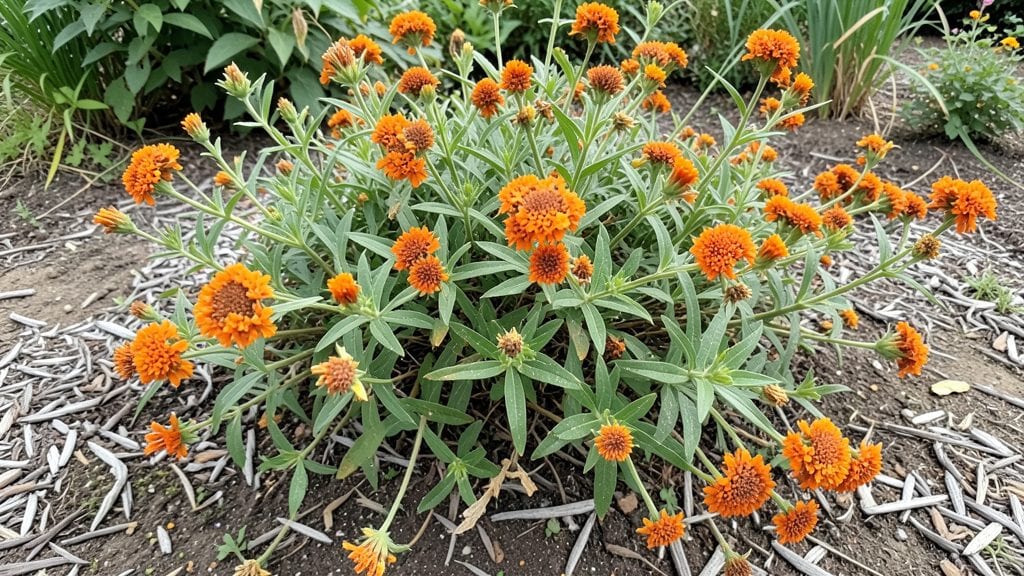
Hot Weather Plants: 10 Drought-Tolerant Varieties That Thrive in Heat

Plants

Hot Weather Plants: 10 Drought-Tolerant Varieties That Thrive in Heat

Growing hot weather plants đŸŒ± means choosing varieties that don’t just tolerate heat—they demand it, turning your summer garden into a lush, low-maintenance oasis.

If you've ever watched your favorite plants droop under the midday sun, you know the struggle: wilting leaves, thirsty roots, and the constant battle to keep them alive. But the right heat-loving species turn those challenges into advantages, thriving with minimal water and maximum sunshine.

From succulents that store water to drought-resistant flowers that bloom brighter in the heat, these plants are built to handle what most gardens can’t. Below, I’ll share the top 10 varieties that not only survive summer but steal the show.

You’ll learn how to pick the perfect plants for your climate, watering tricks that save time, and simple soil prep to keep roots happy—even when temperatures soar. Let’s make your garden the envy of the neighborhood.

Top 10 drought-tolerant plants that love hot weather

When summer heat turns your garden into a struggle, these heat-loving plants become your secret weapon. They’ve evolved to handle 100°F+ temperatures with ease, requiring less water and more sunshine than most varieties.

Whether you’re dealing with rocky soil or intense sun exposure, these plants will reward you with bold colors, unique textures, and minimal fuss.

From succulents that store moisture in their leaves to perennials that rebound after drought, each plant on this list offers something special. Some, like Lantana, attract pollinators all season long, while others, like Agave, add dramatic architectural interest.

The best part? Once established, they’ll thrive with just occasional watering, making them perfect for low-water landscapes.

đŸŒĄïž Key traits to look for in heat-loving plants include thick, waxy leaves (to reduce water loss), deep root systems (to access moisture), and adaptive blooming cycles (to handle heat stress). Below, I’ve curated the top 10 varieties that fit these criteria, along with their care essentials and USDA hardiness zones.

Plant Type Sun Needs Water Needs Mature Size Hardiness Zones
Lantana Perennial/Annual Full Sun (6+ hrs) Drought-tolerant 1-3 ft tall, 2-4 ft wide 8-11
Yucca Perennial Full Sun (6+ hrs) Very low 3-6 ft tall, 3-6 ft wide 4-10
Agave Succulent Full Sun (6+ hrs) Negligible 1-10 ft tall, 1-5 ft wide 8-11
Portulaca Annual Full Sun (6+ hrs) Drought-tolerant 4-12 in tall, spreads 2-11
Lavender Perennial Full Sun (6+ hrs) Low 1-3 ft tall, 2-4 ft wide 5-9
Sedum Succulent/Perennial Full Sun (6+ hrs) Very low 6 in-3 ft tall 3-11
Salvia Perennial Full Sun (6+ hrs) Moderate 1-4 ft tall, 1-3 ft wide 7-10
Aloe Vera Succulent Full Sun (6+ hrs) Negligible 1-2 ft tall, 1-2 ft wide 8-11
Black-Eyed Susan Perennial Full Sun (6+ hrs) Moderate 1-3 ft tall, 1-2 ft wide 3-9
Russian Sage

How to care for heat-loving plants: watering, soil, and sunlight tips

Once you’ve chosen your heat-loving plants, proper care becomes the key to their success. Unlike moisture-dependent varieties, these drought-tolerant species need a different approach—one that focuses on deep watering, well-draining soil, and strategic sunlight exposure.

The good news? With the right techniques, you’ll spend less time fretting and more time enjoying your thriving garden. Let’s dive into the essentials that keep these plants happy in even the hottest conditions.

Most gardeners make one critical mistake with heat-loving plants: overwatering. While they’re drought-tolerant, they still need moisture to establish strong roots. The trick is to water deeply but infrequently, encouraging roots to grow downward where moisture persists.

I’ve learned this the hard way—my first attempt with Lantana nearly failed because I watered lightly every day instead of giving it a thorough soaking once a week. Now, I always check soil moisture 2-3 inches deep before watering again.

  1. 1. Water deeply—Use a soaker hose or drip irrigation to deliver water slowly to the roots, reducing evaporation. Aim for 1-2 inches per week during peak heat.
  2. 2. Amend soil—Mix in compost or perlite to improve drainage. Heat-loving plants hate soggy roots, so avoid heavy clay soils unless you’ve amended them.
  3. 3. Mulch heavily—Apply 2-3 inches of mulch (straw or gravel) to retain moisture, regulate soil temperature, and suppress weeds. This is especially critical for succulents like Agave.
  4. 4. Prune strategically—Trim dead or leggy growth in early spring to encourage bushier, more resilient plants. Avoid heavy pruning in summer, as it stresses heat-loving varieties.
  5. 5. Provide afternoon shade—If temperatures exceed 95°F, use shade cloth (30-50%) to protect delicate foliage. Plants like Lavender appreciate this extra care during heatwaves.

Sunlight is non-negotiable for heat-loving plants, but not all varieties handle the midday sun the same way. For example, Yucca and Agave thrive in full, unfiltered sun, while Lantana and Salvia may benefit from a few hours of afternoon shade during the hottest months.

I’ve found that observing your plants’ leaves is the easiest way to tell if they’re getting too much sun—yellowing or crispy edges are clear signs to adjust their placement.

One of the most underrated tricks for heat care is mulching. A thick layer of organic mulch—like straw or wood chips—keeps soil cool, reduces water evaporation, and even deters weeds.

I’ve seen Sedum plants in my garden thrive with just weekly watering thanks to mulch, while nearby unmulched plants struggled. For container gardens, use gravel or pebbles to mimic this effect while improving drainage.

Finally, don’t overlook the power of pruning. Regular trimming encourages airflow and sunlight penetration, reducing the risk of fungal issues that thrive in hot, humid conditions.

I prune my Russian Sage in early spring to remove dead stems and shape the plant, which keeps it looking lush all summer long. Just remember: never prune during extreme heat, as it stresses the plant and slows recovery.

With these care tips, your heat-loving plants will not only survive summer—they’ll flourish, rewarding you with vibrant blooms and minimal effort. The key is consistency: deep watering, well-draining soil, and smart sunlight management will turn your garden into a thriving oasis, even when the mercury rises. 🌿

★★★★★5.0(14 reviews)
Categories Plants