
Size
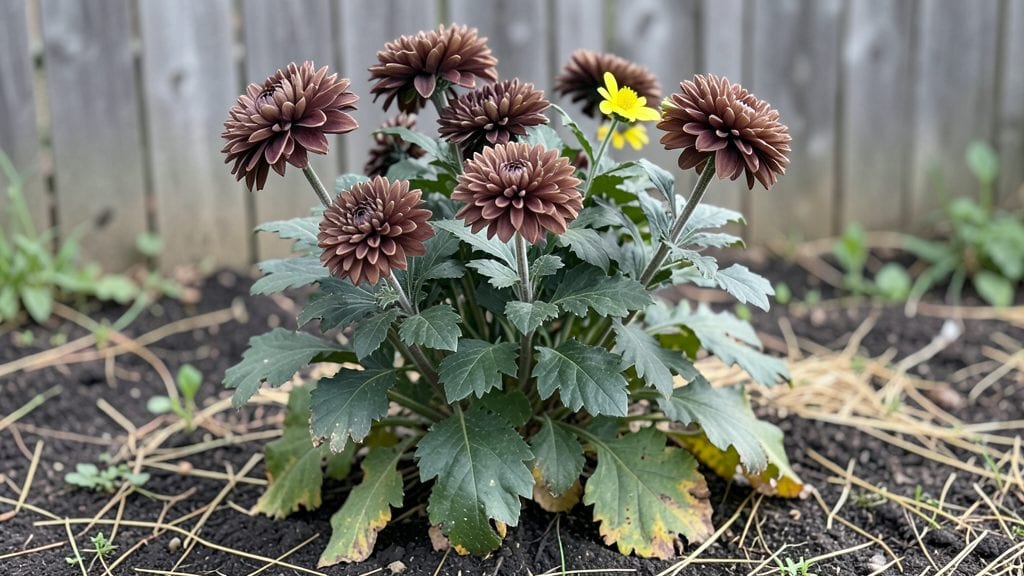
Mums planted in the ground typically grow 12 to 24 inches tall with a 12 to 18-inch spread, though dwarf varieties stay under 10 inches while giant types can reach 36 inches or more. Proper spacing (12–24 inches apart) prevents overcrowding and supports full blooms.
When choosing chrysanthemums for your garden, remember that their mature size directly impacts both aesthetics and maintenance. 🌸 Dwarf varieties like 'Pompon' thrive in tight spaces, perfect for window boxes or container gardens, while larger types such as 'Bright Lights' demand more room to showcase their dramatic blooms.
The key to maximizing their potential lies in matching the variety to your space—whether you're working with a cozy patio or a sprawling backyard.
Another factor to consider is seasonal growth patterns—mums often grow aggressively in spring and summer but may shrink slightly in cooler months.
This means spacing them a bit wider than their minimum requirements gives them room to breathe and flourish, especially in regions with mild winters where they might stay green year-round.
💡 In This Article
- Chrysanthemum Growth Factors Affecting Size
- Best Mum Varieties for Small vs. Large Gardens
Chrysanthemum growth factors affecting size
Sunlight is the primary driver of chrysanthemum size, with 6-8 hours of direct light daily producing the most vigorous growth. These plants thrive in full sun but can tolerate 4-6 hours in cooler climates (USDA Zones 5-7).
The key mechanism? Photosynthesis intensity—more sunlight means more energy for stem elongation and leaf development. In shaded areas, mums grow 10-20% shorter and produce fewer blooms, as their energy shifts toward survival rather than flowering. 🌞
Soil composition directly impacts root development and nutrient uptake. Chrysanthemums prefer well-draining soil with a pH of 6.0-6.5, which optimizes iron and phosphorus absorption—critical for stem strength and bloom production.
Heavy clay soils restrict root expansion, often resulting in stunted growth (8-12 inches tall), while loamy soils allow roots to spread 18-24 inches wide, supporting full-size plants.
Organic matter (compost or aged manure) improves soil aeration, which is especially important for dwarf varieties that need compact but dense root systems.
Watering habits create dramatic differences in size. Overwatering leads to root rot and weak stems (plants may reach 15 inches tall but flop over), while consistent moisture at the root zone (1-2 inches deep) encourages steady growth.
The science here involves osmotic pressure—proper hydration maintains cell turgor, keeping stems upright. In arid climates (like Zone 9), mums may grow 20% wider as a survival strategy, developing bushier habits to conserve moisture through broader foliage.
Temperature and humidity interact to create variety-specific growth patterns. Dwarf mums (under 10 inches) thrive in 60-75°F ranges with moderate humidity (40-60%), as cooler temps slow their rapid growth.
Conversely, giant varieties (like 'Mammoth') need 70-85°F to reach their 36-inch potential, with higher humidity (60-75%) promoting larger leaves and stems. The trade-off? In humid climates, mums are more susceptible to fungal diseases, which can reduce height by 15-20% if not managed with proper airflow.
Growth habits vary dramatically between bushy and upright varieties. Bush types (like 'Bonanza') develop multiple stems from the base, creating a 12-18 inch spread with 10-15 inch height, while upright varieties (like 'Bright Lights') grow 24-36 inches tall with minimal spread (12-16 inches).
This difference stems from hormonal regulation—bushy mums produce more auxin at the base, encouraging lateral growth, while upright types concentrate auxin at the tips, elongating stems. 🌿
Climate zones further refine these patterns. In Zone 5, mums often grow 10-15% shorter due to shorter growing seasons, while Zone 8-9 varieties can reach 30+ inches with year-round growth potential.
The key takeaway? Match your mum variety to your climate's natural growing season length and microclimate conditions (e.g., urban heat islands vs. rural areas) for optimal size and bloom performance.