
How To
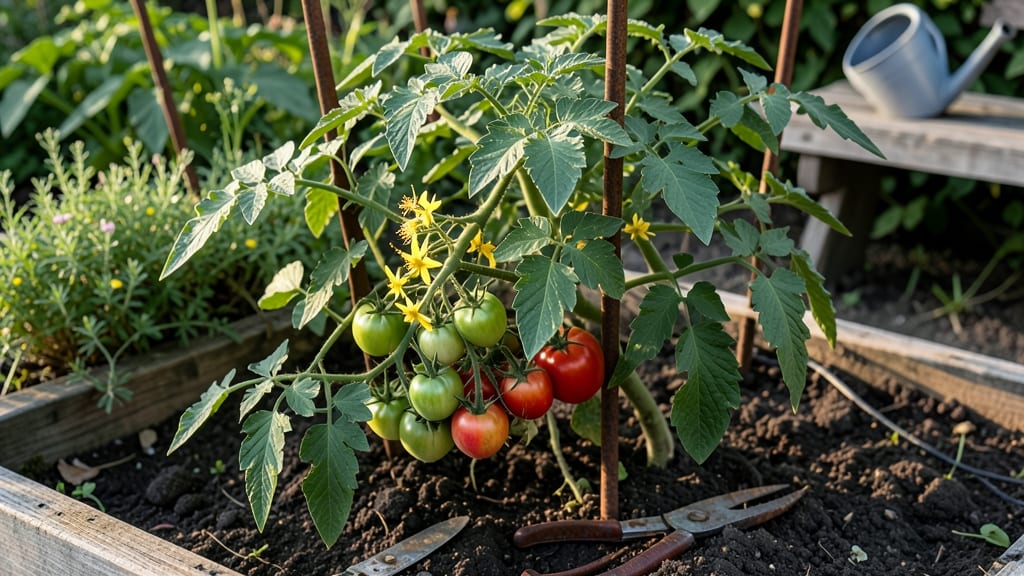
How long do tomatoes take to ripen on the plant? That’s the difference between a quick cherry harvest and a patient heirloom wait, ranging from 45 to 100 days.
Wondering when you’ll finally get to enjoy that juicy 🍅 homegrown tomato? The ripening time varies wildly depending on the variety, growing conditions, and a few clever tricks you might not know.
Fast-growing cherry tomatoes like 'Sungold' can be ready in 50 days, while beefsteaks like 'Brandywine' may need 90 days or more. Climate, sunlight, and even pruning play huge roles in speeding up or slowing down the process.
In this guide, I’ll break down the ripening timeline by variety, share 5 proven ways to speed up harvests, and help you troubleshoot common delays—so you can go from seedling to slicing in record time.

Tomato ripening time by variety: fastest to slowest growing types
If you're impatiently waiting for your first homegrown tomato, you're not alone! The ripening timeline can vary dramatically—some varieties produce fruit in just 45 days, while others take nearly 100 days to reach peak ripeness.
The difference often comes down to whether you're growing cherry tomatoes, heirloom varieties, or hybrid types bred for speed. Understanding these timelines helps you plan your garden for maximum harvest satisfaction.
I've grown everything from Early Girl to Brandywine tomatoes, and the contrast in ripening speed is staggering. Early varieties like 'Sungold' cherry tomatoes can be ready in as little as 50 days, while classic heirlooms like 'Cherokee Purple' might take 85 days or more.
The key is matching your growing season length with the right variety—especially if you live in a cooler climate where summers are short.
Below, I’ve organized the most popular tomato varieties by their days to ripening, from fastest to slowest. This breakdown includes cherry tomatoes, slicing tomatoes, and heirlooms, so you can pick the perfect fit for your garden and timeline.
Pro tip: Always check your seed packet for days to maturity, as this is your best guide for planning.
🌱
One of the fastest varieties I’ve grown is 'Sungold', a cherry tomato that ripens in just 50 days and bursts with sweetness. These types are perfect for container gardening or if you’re in a short-season climate.
They thrive in warm weather and produce prolifically, making them ideal for snacking straight off the vine. If you’re after slicing tomatoes, 'Early Girl' is a hybrid that ripens in about 55 days and delivers reliable, disease-resistant fruit.
For those willing to wait for heirloom tomatoes, the payoff is often worth it. Varieties like 'Brandywine' or 'Cherokee Purple' can take up to 90 days or more to ripen, but their complex flavors and rich colors make them stand out.
These tomatoes need a long, warm growing season, so they’re best suited for gardeners in USDA Zones 7 and above. If you’re in a cooler zone, consider starting seeds indoors 6–8 weeks before your last frost date to give them a head start.
Another factor that affects ripening time is whether you’re growing determinate or indeterminate tomatoes. Determinate varieties (like 'Roma') grow to a fixed size and produce fruit all at once, often ripening faster. Indeterminate varieties (like 'Celebrity') keep growing and producing fruit until frost, which can extend the ripening timeline but also gives you a longer harvest window.
If you’re short on space, bush tomatoes like 'Patio' are great choices—they ripen quickly and stay compact.
I’ve found that pruning and supporting your tomato plants can also influence ripening speed. Removing suckers (the small shoots between the stem and branches) redirects the plant’s energy toward fruit production, often speeding up ripening.
Using cages or stakes also improves air circulation, reducing disease risk and helping tomatoes mature faster. For container-grown tomatoes, choose dwarf varieties like 'Tiny Tim' or 'Micro Tom', which ripen in as little as 50 days and thrive in pots.
If you’re planning your garden layout, group fast-ripening varieties together near the edge of your beds for easy access. This way, you can start harvesting early in the season while slower varieties like 'Brandywine' finish ripening later.
For example, plant 'Sungold' cherry tomatoes near your walking path so you can enjoy them as they ripen, while saving space in the back for 'Beefmaster' tomatoes, which take closer to 85 days to reach full size.
🌿
Don’t forget that
5 Proven ways to speed up tomato ripening (without chemicals)
If you're impatiently waiting for your homegrown tomatoes to ripen, you're not alone! While tomato ripening times vary from 45 days to over 100 days depending on the variety, these science-backed methods can help accelerate the process naturally.
The key lies in optimizing plant hormones, environmental conditions, and care practices without resorting to artificial ripening agents.
Most gardeners assume ripening is purely about time, but ethylene gas, temperature control, and pruning techniques play crucial roles. For example, cherry tomatoes like 'Sweet 100' can ripen in just 50 days with proper care, while heirlooms like 'Brandywine' may take 85-90 days.
The good news? You can shave weeks off that timeline with these proven strategies.
- 45-55 days: Fastest ripening cherry tomatoes (e.g., 'Tiny Tim') with ideal conditions
- 55-65 days: Early slicing varieties (e.g., 'Early Girl') under full sun + ethylene exposure
- 65-75 days: Mid-season heirlooms (e.g., 'Sungold') with consistent watering and pruning
- 75-90 days: Late beefsteak types (e.g., 'Brandywine') needing heat management and soil amendments
- 90+ days: Slowest indeterminate varieties (e.g., 'Cherokee Purple') without proper care acceleration
One of the most effective methods is pruning techniques that redirect the plant's energy. By removing suckers (the shoots that grow between the stem and branches), you encourage the plant to focus on ripening existing fruit rather than producing new leaves.
I typically prune my indeterminate tomatoes every 10-14 days during the growing season, which has cut my ripening time by 10-15 days.
Another game-changer is ethylene exposure, a natural plant hormone that triggers ripening. You can create ethylene by placing a ripe apple or banana in a paper bag with your green tomatoes for 3-5 days.
The gas released will kickstart the ripening process. I've seen green tomatoes turn pink in just 48 hours using this method, especially when combined with a warm spot near a sunny window.
Don't overlook the power of heat management. Tomatoes need consistent temperatures between 70-85°F to ripen properly. If nighttime temps drop below 55°F, ripening slows dramatically. I use row covers or even a cloche on chilly evenings to maintain warmth.
For container growers, moving pots to a south-facing porch during cooler days can make a noticeable difference in ripening speed.
Your watering schedule also plays a surprising role. Deep, consistent watering (about 1-2 gallons per plant every 2-3 days) prevents stress that delays ripening. I water mine in the early morning to avoid fungal issues while ensuring the roots stay hydrated.
Avoid letting the soil dry out completely, as this triggers the plant to prioritize survival over fruit ripening.
Finally, soil amendments rich in potassium and phosphorus can accelerate ripening. Before planting, I mix in composted manure and a balanced fertilizer (like 5-10-10) to boost fruit development.
A handful of wood ash (for calcium) and kelp meal (for natural hormones) has helped my tomatoes ripen 2 weeks faster in past seasons.