
How To
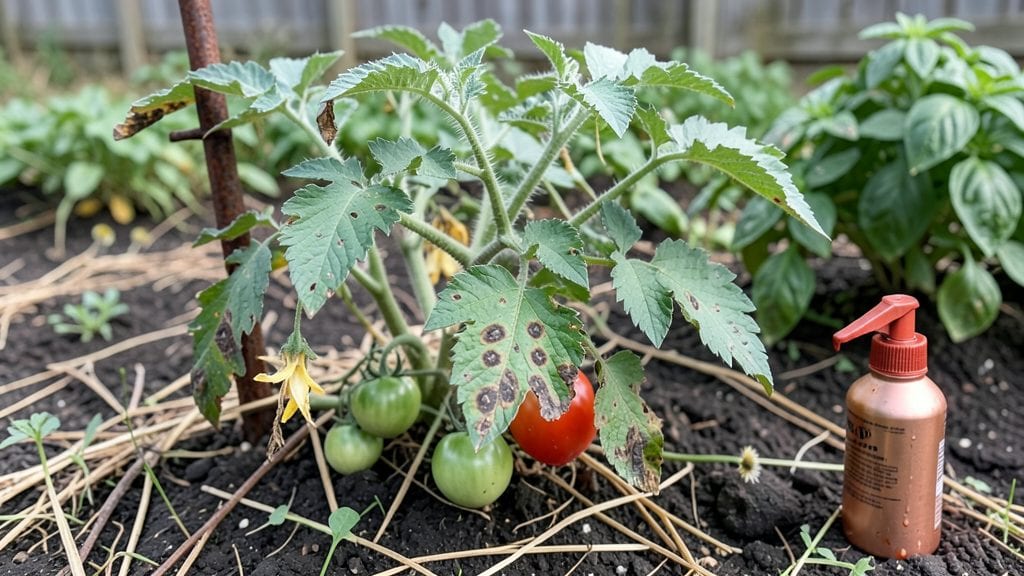
Blight on tomato plants can turn your summer harvest into a sad, spotted mess in just days. I’ve battled both early and late blight, and the key to saving your plants lies in acting fast with the right combo of neem oil and copper fungicide—before the disease spreads like wildfire.
The moment you spot dark, greasy spots on leaves or stems, prune infected foliage immediately and dispose of it far from your garden. Neem oil disrupts fungal spores on contact, while copper fungicide creates a protective shield.
Together, they stop blight in its tracks—no fancy tools or expensive equipment needed, just a spray bottle and consistency.
Within a week of treatment, new growth will push out cleaner and stronger, and your plants will bounce back with fewer blemishes. The real win?
This method works for both early and late blight, and it’s tough enough to prevent reinfection if you keep up with preventive sprays every 7–10 days.
For long-term peace of mind, swap out susceptible varieties for blight-resistant ones like ‘Mountain Merit’ or ‘Defiant PhR,’ and space your plants wider to improve airflow. Trust me—once you’ve lost a plant to blight, you’ll never ignore these steps again.
Root Causes of Tomato Blight
Blight on tomato plants isn’t just a random nuisance—it’s the result of specific environmental, biological, or even human factors working against your garden. Understanding these causes is the first step to stopping the spread and protecting your harvest.
Below, we break down the three primary culprits behind blight, complete with the science that fuels them.
🍄 Blight is primarily caused by fungi, with Phytophthora infestans (late blight) and Alternaria solani (early blight) being the most notorious. These pathogens thrive in warm, moist conditions and spread rapidly through spores—often carried by wind, water, or even contaminated tools.
- How it works: - Fungal spores land on leaves, stems, or fruit, germinating when humidity exceeds 70% and temperatures hover between 60–80°F (15–27°C). - The fungus penetrates plant tissues, disrupting nutrient flow and causing brown, greasy lesions (late blight) or concentric rings (early blight). - Actionable insight: Overhead watering (especially in the evening) creates the perfect damp environment for spores to germinate.
Drip irrigation or soaker hoses reduce this risk.
🌬️ Tomato plants need space to breathe. When foliage is dense or plants are packed too closely together, air struggles to circulate, trapping moisture and fostering fungal growth.
- Why it matters:
- Stagnant air keeps humidity high near leaves, giving fungi a foothold.
- Overcrowded plants also compete for nutrients, weakening their natural defenses.
- Data point: Studies show blight outbreaks are 3x more likely in gardens where plants are spaced less than 18–24 inches apart.
- Fix it: Prune regularly to improve airflow, stake plants vertically, and avoid planting tomatoes where nightshades (like potatoes or peppers) grew the previous year—fungi can linger in soil.
🌱 If your garden soil harbors fungal spores from previous seasons, your tomato plants are essentially walking into a pre-infested battlefield. Even compost or mulch from infected plants can reintroduce pathogens.
- The science behind it:
- Fungal spores can survive in soil for years, especially in organic matter like old plant debris.
- Early blight (Alternaria) overwinters in infected stems or seeds, while late blight (Phytophthora) thrives in cool, wet soil.
- Prevention tip: Rotate crops annually (avoid planting tomatoes in the same spot for 3+ years) and sterilize tools with a 10% bleach solution between uses.
☁️🌧️ Blight doesn’t just appear—it’s often triggered by specific weather conditions. Prolonged rain, high humidity, and sudden temperature swings create the ideal breeding ground for fungal spores.
- Key weather red flags:
- Consecutive rainy days (especially >48 hours) saturate leaves, encouraging spore germination.
- Cool nights (50–60°F / 10–15°C) followed by warm days (80°F+/27°C+) accelerate fungal growth.
- Fog or morning dew on leaves for extended periods provides moisture fungi crave.
- Actionable tip: Monitor local fungal forecasts (many agricultural extensions offer alerts) and act preemptively with copper fungicides if rain is predicted.
👨🌾 Even the best gardeners can unintentionally invite blight.
Here’s how: - Splashing water: Overhead irrigation or rain splashing from soil to leaves disperses spores like a fungal shotgun. - Handling infected plants: Touching blighted leaves and then petting healthy ones transfers spores. - Using contaminated mulch/compost: Organic matter from infected plants or untreated wood chips can harbor spores. - Ignoring early signs: Delaying treatment allows fungi to double their spore production every 2–3 days under ideal conditions.
🌱💪 Tomato plants under stress—from nutrient deficiencies, pests, or poor soil health—are easier targets for blight. A healthy plant’s waxy cuticle and natural defenses repel fungi, but stress cracks the door open.
- Common stress factors:
- Nitrogen deficiency: Yellowing leaves (chlorosis) weaken the plant’s immune response.
- Pest damage: Aphids, hornworms, or spider mites create wounds where fungi can enter.
- Compacted or poor-draining soil: Roots suffocate, reducing nutrient uptake.
- Solution: Boost soil health with compost, use balanced fertilizers (10-10-10), and rotate crops to prevent soil-borne fatigue.
Quick Fixes for Blighted Tomatoes
Blight on tomato plants can feel like a battle, but with the right strategies, you can save your harvest and keep your garden thriving.
Below, we’ll tackle the most common causes of blight—whether it’s early blight, late blight, or bacterial spot—and show you how to stop the spread, heal your plants, and prevent future outbreaks. Think of this as your tomato plant emergency kit!
Early blight starts with yellowing leaves and brown, concentric rings on lower foliage. If left unchecked, it’ll climb up and ruin your fruit. Here’s how to kill it fast:
🔥 Remove & Destroy Infected Foliage
- Step 1: Snip off all infected leaves (including stems) using sterilized pruners (wipe with rubbing alcohol between cuts).
- Step 2: Do not compost—blight spores survive!
Instead, bag and trash them immediately. - Step 3: Focus on lower leaves first, as early blight moves upward.
🍳 Neem Oil Spray: The Natural Fungicide
Neem oil disrupts fungal growth and strengthens plant defenses.
Mix: - 1 tbsp neem oil - 1 tsp mild dish soap (helps it stick) - 1 quart water - Spray thoroughly (top and bottom of leaves) every 7–10 days until new growth appears.
👨🍳 Copper Fungicide: Heavy-Duty Defense
For severe cases, copper fungicide (like Bordeaux mixture or copper sulfate) stops spores in their tracks.
- Apply at dusk (to avoid burning leaves).
- Reapply after rain (it washes off).
- ⚠️ Warning: Avoid edible parts 24 hours before harvest.
🌡️ Improve Airflow & Watering Habits
- Space plants 18–24 inches apart to reduce humidity.
- Water at the base (not overhead) to keep leaves dry.
- Mulch with straw to prevent soil splash (a blight spreader!).
Late blight is the tomato plant’s worst nightmare—it causes rapid leaf death, black spots, and rotten fruit in days. Time is critical!
🔪 Prune & Burn Everything
- Remove all infected leaves, stems, and fruit (yes, even the tomatoes).
- Burn debris (if possible) or double-bag and trash to prevent spore survival.
🥘 Copper + Baking Soda Spray (DIY Fungicide)
Mix:
- 1 tbsp baking soda
- 1 quart water
- 1 tsp vegetable oil (helps it adhere)
- 1 tsp soap
- Spray every 5–7 days (works best preventively).
⏰ Rotate Fungicides
Late blight builds resistance, so switch treatments:
- Week 1: Copper fungicide
- Week 2: Neem oil
- Week 3: Organic fungicide (like Serenade or OxiDate)
🎯 Prevent Future Outbreaks
- Plant resistant varieties (like ‘Mountain Merit’ or ‘Defiant PhR’).
- Avoid overhead watering—use drip irrigation instead.
- Remove volunteer tomatoes (wild plants can harbor spores).
Bacterial spot shows up as tiny water-soaked spots that turn brown/yellow. Unlike fungal blight, bacteria spreads via water and tools.
💡 Copper Spray is Your Best Bet
- Use copper hydroxide (like Kocide) every 7–10 days.
- Clean tools with bleach (1 part bleach to 9 parts water) between plants.
🌡️ Remove & Sterilize
- Prune infected leaves immediately and sterilize pruners.
- Avoid working when leaves are wet (bacteria spreads faster).
🔥 Prevent Cross-Contamination
- Don’t reuse containers from infected plants.
- Rotate crops—don’t plant tomatoes in the same spot next year.
- 🌱 Start with healthy seedlings (buy from reputable nurseries).
- 🌡️ Monitor weather—blight thrives in humid, rainy conditions (60°F+).
- 🍅 Harvest early—ripe tomatoes are more vulnerable.
- 🌿 Use row covers in early season to block spores.
Blight is manageable—but you’ve got to act fast and stay consistent. With copper sprays, neem oil, and smart gardening, you can save your tomatoes and enjoy a bountiful harvest. Now go forth and fight for those juicy red beauties! 🍅💪
Frequently asked questions about tomato blight
What’s the difference between early and late blight on tomatoes?
Early blight shows as concentric brown rings on older leaves, while late blight creates greasy, dark spots that spread rapidly—often killing leaves in days. Early blight targets lower foliage first, but late blight attacks everything, including fruit. If you see blackened stems or rotten tomatoes, it’s almost always late blight.
Can I still eat tomatoes from blighted plants?
Only if the fruit shows no visible spots or rot. Remove all infected leaves and fruit immediately—blight spreads quickly, and contaminated tomatoes can harbor spores. For peace of mind, harvest only from healthy plants and compost (or trash) any questionable produce.
How often should I spray neem oil for prevention?
Apply neem oil every 7–10 days during humid seasons or after rain. Mix 1 tbsp neem oil + 1 tsp soap in 1 quart water and spray early morning or late evening to avoid leaf burn. Consistency is key—fungi double their spores every 2–3 days in ideal conditions!
Will copper fungicide harm my tomatoes if I use it too much?
Copper is safe when used correctly, but avoid spraying directly on fruit within 24 hours of harvest. Overuse can cause leaf burn, so alternate with neem oil or baking soda sprays. For severe cases, follow label instructions closely—most recommend 1 application every 7–14 days.
Can I save a tomato plant already half-dead from blight?
Maybe! Prune all infected parts immediately, apply copper fungicide, and improve airflow. If the plant is still producing new growth, it can recover—but expect reduced yield. For future seasons, choose blight-resistant varieties like ‘Mountain Merit’ or ‘Defiant PhR’ to avoid this heartbreak again!