
Propagation
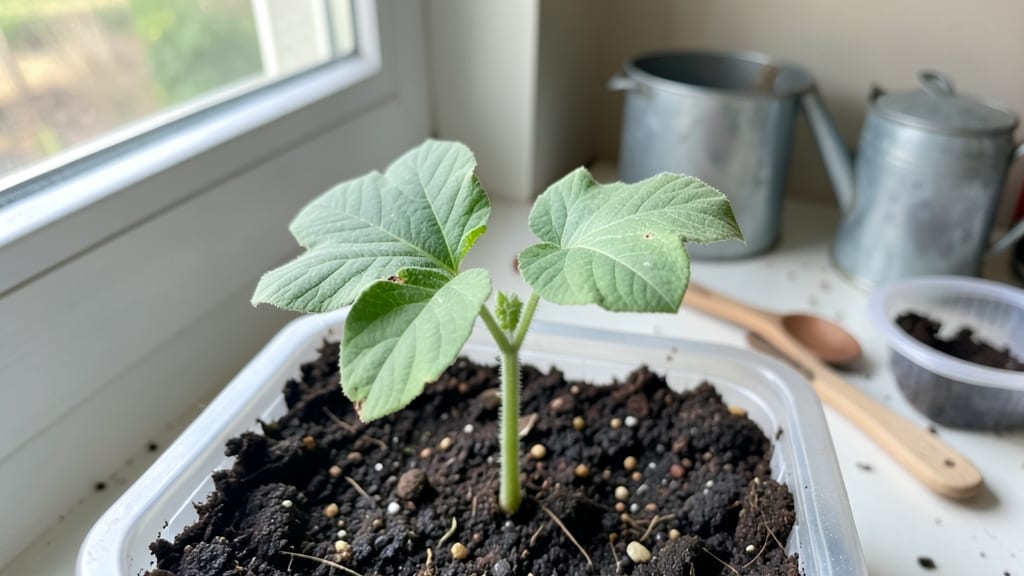
Preparing cantaloupe seeds for planting isn’t as complicated as it seems—just a quick soak can unlock faster, stronger germination. ✨ I’ve learned that skipping this step means waiting weeks for sprouts, but with the right soak, you’ll see tiny green shoots in as little as 5-7 days.
The secret lies in breaking down the seed coat just enough to let moisture in without overdoing it.
You only need three things: a bowl of warm water, a paper towel, and a little patience. Soak your seeds for 6-8 hours—no overnight soaking, or they’ll start to rot.
After soaking, wrap them in a damp paper towel and tuck them in a plastic bag for 24 hours to encourage hydration. This method works for both store-bought seeds and saved seeds from last year’s harvest.
Once soaked, plant them ½ inch deep in well-draining soil, keeping it warm (above 70°F) for best results. You’ll notice the first sprouts push through the soil in just a few days, and within 3-4 weeks, you’ll have sturdy seedlings ready to transplant.
The key is consistency—keep the soil moist but never soggy, and soon you’ll be harvesting sweet, ripe cantaloupes.
This method works for all melons, including honeydew and muskmelon, and even saves you from buying expensive starter plants. Whether you’re a first-time gardener or a seasoned pro, these simple steps guarantee better germination and healthier plants. Ready to get growing?
📚 In This Guide
- What you need
- Instructions
- Tips and common mistakes
- Wrapping up and next steps
What you need
- ● Mature cantaloupe seeds: Harvest seeds from ripe, organic cantaloupes (avoid hybrid varieties if saving seeds for future crops).
- ● Quantity: 10–20 seeds (enough for a small patch or test planting).
- ● Water: Room-temperature or lukewarm water (avoid cold water, which can shock seeds).
- ● Quantity: 1–2 cups (for soaking).
- ● Small container: Options: Glass jar, bowl, or plastic cup (clean and non-reactive).
- ● Size: Large enough to hold seeds + water (e.g., 8–12 oz).
- ● Fine-mesh strainer or paper towel: For rinsing seeds gently after soaking.
- ○ Paper towels or damp cloth: For wrapping seeds during the optional cold stratification step (see below).
- ● Hydrogen peroxide (3% solution): 1 tablespoon per cup of water to disinfect seeds (reduces mold risk).
- ● Plastic bag or airtight container: For storing seeds in a cool, dark place (e.g., fridge) during stratification.
- ● Seedling trays or pots: Small pots (2–3 inches deep) with well-draining soil for transplanting pre-soaked seeds.
- ● Spray bottle: For keeping seeds moist but not soggy during germination checks.
Step-by-Step instructions for prepping cantaloupe seeds
Here's the method I rely on—tested across seasons, works in any climate.
🌱 Step 1: Clean and Soften the Seed Coating
Cantaloupe seeds have a tough outer shell that slows germination. Start by filling a small bowl with lukewarm water (not hot—you'll scald the seed). Add the seeds and let them soak for 12 hours. This softens the coating so roots can emerge faster.
After soaking, gently rub the seeds between your fingers under running water to remove any remaining pulp or debris. You'll see the outer layer become slightly translucent—that's your signal the coating is breaking down. Pat them dry with a paper towel before moving to the next step.
💧 Step 2: Speed Up Germination with a Warm Moisture Boost
Place the cleaned seeds between two damp paper towels in a shallow dish. Fold the towels so the seeds are snug but not crushed—this mimics the moisture they'd get in soil. Keep the towels damp by misting lightly every 4-6 hours.
Here's the thing—cantaloupe seeds germinate best in warmth. Set the dish on top of your refrigerator (not inside) where the ambient temperature stays around 75-80°F. You'll see tiny white roots appear in 24-48 hours. Once roots reach about ¼ inch, they're ready for planting.
⏰ Step 3: Plant Pre-Sprouted Seeds Directly
Fill your planting containers with the seed-starting mix (or well-draining garden soil) and moisten it until damp but not soggy. Make small holes about ½ inch deep—just enough to cradle the sprouted seeds without burying them too deeply.
Place each seed with its root facing downward, then cover lightly with soil. Water gently to settle the soil around the roots. Keep the soil consistently moist (not wet) until the first true leaves appear—usually within 7-10 days. Real talk: Overwatering now can drown the delicate sprouts, so check soil moisture daily.
☀️ Step 4: Provide Ideal Growing Conditions
Cantaloupe seedlings need full sun (6+ hours daily) and warm soil to thrive. If planting outdoors, wait until nighttime temperatures stay above 55°F. Use a soil thermometer to confirm the ground is at least 70°F—cantaloupes won't germinate well in cooler soil.
You'll notice the first true leaves (not the initial seed leaves) emerge within 10-14 days. At this stage, thin seedlings to 1 plant per 2 feet to give them room to spread. This ensures stronger vines and better fruit production later.
Tips & tricks for perfect cantaloupe seed preparation
These simple yet game-changing tips will help you maximize your cantaloupe seed germination success—no matter your growing conditions.
The Soak Factor: That 12-hour soak in Step 1 is non-negotiable for breaking down the tough seed coating. I've learned the hard way that cutting this time—even to 8 hours—significantly reduces germination rates. Use lukewarm water (around 80°F) to avoid shocking the seeds while still providing optimal hydration. The translucent coating you see after rubbing is your green light to move forward.
Germination Environment: The 75-80°F temperature range in Step 2 is critical for consistent germination. If your home runs cooler, place the seed tray on top of a warm appliance like a fridge or even a heated seed mat. You'll notice roots appear faster when the environment mimics springtime conditions. Keep those paper towels consistently damp—never soggy—by misting every 4-6 hours as directed.
Planting Precision: When planting those pre-sprouted seeds in Step 3, aim for a depth of exactly ½ inch. Any deeper and you'll smother the delicate roots; any shallower and they may dry out. I use a small spoon to create the holes—it gives you better control than your fingers. After planting, give the soil a gentle squeeze to check moisture; it should feel like a damp sponge, not a dripping wet rag.
Post-Planting Care: The 7-10 day window for first true leaves in Step 4 can vary dramatically based on your climate. In cooler conditions (below 55°F nights), extend your indoor growing period using grow lights until soil temps reach at least 70°F. Thin seedlings aggressively to 1 plant per 2 feet—this might seem harsh, but crowded seedlings compete for nutrients and produce weaker vines.
Pro Tips for Prepare Cantaloupe Seeds For Planting
- These simple yet game-changing tips will help you maximize your cantaloupe seed germination success—no matter your growing conditions.
- The Soak Factor: That 12-hour soak in Step 1 is non-negotiable for breaking down the tough seed coating.
- Germination Environment: The 75-80°F temperature range in Step 2 is critical for consistent germination.
Frequently asked questions
Got questions about prepping cantaloupe seeds? You’re not alone!
Here are answers to the most common concerns—from timing to troubleshooting—so you can get those seeds sprouting like a pro.
How long should I soak cantaloupe seeds before planting?
Soak seeds for 4–12 hours in warm water (70–80°F) to soften the seed coat and kickstart germination. Overnight soaking (8–12 hours) is ideal for stubborn seeds, but avoid letting them dry out or sprout in the water—plant them as soon as they’re plump and ready!
Can I plant cantaloupe seeds straight from the fruit without soaking?
Yes, but germination may take longer (7–14 days vs. 3–5 days). Soaking speeds up the process by breaking dormancy. If you skip soaking, ensure seeds are completely dry before planting to prevent rot. Pro tip: Scarify (lightly nick) the seed coat with sandpaper for faster results!
When is the best time to plant soaked cantaloupe seeds outdoors?
Wait until after the last frost and soil temps reach 70°F+ (use a soil thermometer to check!). Cantaloupes are heat-lovers—planting too early risks cold damage. In cooler climates, start seeds indoors 3–4 weeks before the last frost, then transplant seedlings after warmth arrives.
What do I do if my soaked seeds won’t sprout?
Try these fixes:
- Check moisture: Seeds need constant dampness (not soggy) to germinate. Use a spray bottle to keep soil moist.
- Test viability: Fill a glass with water—floaters are likely dead; sinkers should sprout within 5–7 days.
- Warmth boost: Place seeds near a heat mat (80–90°F) or on top of a fridge to mimic tropical conditions.
- Fresh seeds: Store-bought seeds are often treated; if older than 2 years, viability drops sharply.
Are there alternatives to soaking cantaloupe seeds?
Yes! Try these methods:
Method
How It Works
Best For
Hot water soak
Boil water, pour over seeds (170°F for 30 sec), then cool. Speeds up germination.
Fast results (great for short seasons)
Paper towel method
Sandwich seeds between damp paper towels in a sealed bag. Check daily for sprouts.
Indoor starting or small batches
Sand stratification
Mix seeds with damp sand in a container, refrigerate for 2 weeks. Mimics natural conditions.
Old or untreated seeds
Wrapping up and next steps
Preparing cantaloupe seeds for planting is a simple yet rewarding process that sets the stage for a bountiful harvest! By following these three soak steps—hydration, stratification, and drying—you’ll give your seeds the best chance to sprout strong and healthy.
Whether you’re a seasoned gardener or just starting out, these techniques make germination effortless and fun.
Now that your seeds are ready, it’s time to plant with confidence! 🌱 Next, choose the perfect spot in your garden—whether it’s a sunny patch in your yard or a cozy container—and watch your cantaloupe seeds grow into thriving vines. Happy planting! 🌿