
Pruning
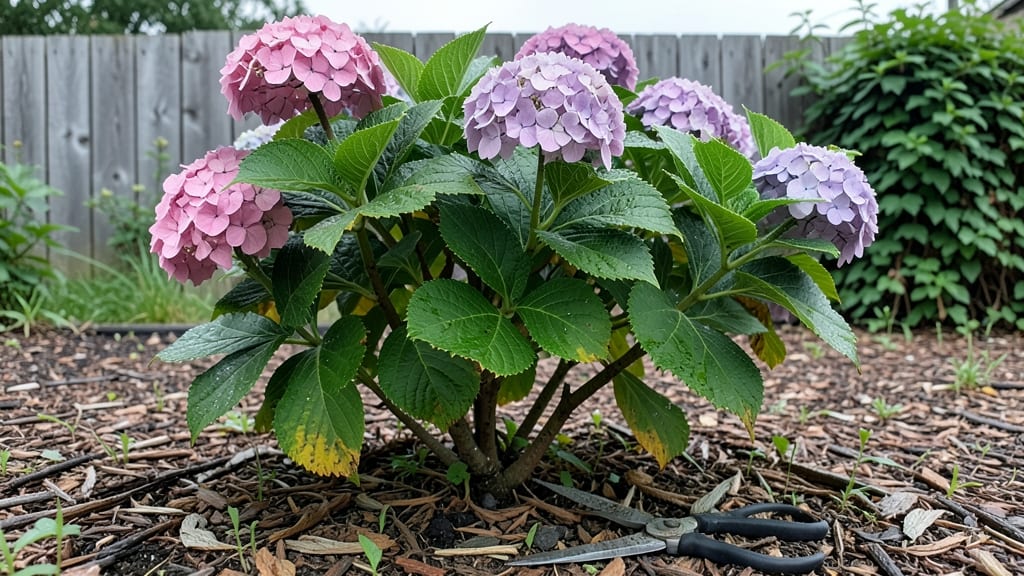
Pruning flowering plants isn't just about trimming—it's the secret to nonstop blooms that make your garden the envy of the neighborhood. I learned this the hard way after my hydrangeas turned into leggy sticks with three sad flowers.
The right cuts at the right time transform plants from struggling survivors to showstopping stars.
You don't need fancy tools—just sharp pruners, a pair of gloves, and a clear morning to work. The real trick is understanding when to cut: late winter for shaping, mid-season to encourage new growth, and fall to clean up.
I'll show you exactly where to make each cut so you never accidentally remove next year's blooms. Most people overthink this—it's simpler than it looks.
By the end, you'll have plants that bloom heavier and longer than ever before, with fuller shapes and fewer bare spots. My roses now produce three times as many flowers as they did before I learned these tricks.
The key is working with the plant's natural rhythm, not against it. Let's get those shears ready!
This works for everything from roses and hydrangeas to perennials and small shrubs—no matter what you're growing, the same principles apply. The only difference is timing, which I'll break down by plant type. You'll never look at your garden the same way again.
📚 In This Guide
- What you need
- Instructions
- Tips and common mistakes
- Wrapping up and next steps
What you need
- ● Bypass pruners: Sharp, high-quality (e.g., Felco or Fiskars)—avoid dull or anvil pruners to prevent crushing stems.
- ● Hand pruners (for smaller branches, ¼”–½” thick): Lightweight and ergonomic for precision work.
- ● Loppers (for branches ½”–2” thick): Long handles for leverage.
- ● Pruning saw (for thick branches 2”+ thick): A fine-tooth saw (like the Corona Ratchet Saw) cuts cleanly.
- ● Gloves: Heavy-duty, garden-grade (e.g., Mechanix) to protect from thorns and debris.
- ● Disinfectant (70% isopropyl alcohol or rubbing alcohol): Wipe tools between cuts to prevent disease spread.
- ● Extension pole (for tall plants): Attach pruners or loppers to reach high branches without a ladder.
- ● Sharpie or plant marker: Label cuts if you’re grafting or propagating.
- ● Compost bin or bucket: Collect clippings for mulch or disposal.
- ● Knee pad or stool: For comfort if you’re pruning ground covers or low-growing plants.
- ● Hose or spray bottle: Rinse tools and clean up sap/resin after pruning.
- ● Know your plant’s needs: Research your specific flowering plant (e.g., roses bloom on old wood; hydrangeas on new wood) to avoid over-pruning.
- ● Check the weather: Prune on a dry, cloudy day (or early morning) to reduce stress on the plant.
- ● Gather inspiration: Snap photos of your plant’s shape before you start—reference images help!
Instructions for pruning flowering plants for continuous blooms
Here’s how to keep your flowering plants vibrant all year with three simple seasonal cuts.
Early Spring Pruning for New Growth
Start in early spring, just as new shoots begin to emerge. This is your chance to remove any dead, damaged, or crossing branches that could block sunlight or air flow. I always start by inspecting each plant from top to bottom, snipping away anything that looks weak or out of place.
Use clean, sharp pruners to make cuts at a 45-degree angle, about ¼ inch above a leaf node or outward-facing bud. This encourages healthy regrowth and prevents water from pooling on the wound. If your plant has leggy stems from last season, trim them back by one-third to promote bushier, fuller growth.
Watch for fresh green growth within 2-3 weeks—this is your signal that the plant is responding well. Avoid pruning if frost is still a risk, as new growth can be damaged by late cold snaps.
Mid-Summer Deadheading for Extended Blooms
Once your plants are in full bloom, focus on deadheading—removing spent flowers to encourage more blooms. I do this every 7-10 days during peak flowering season. Simply pinch or cut off the faded flower heads just above the next set of leaves or buds.
For plants like petunias or impatiens, you can even snip back one-third of the stem to stimulate bushier growth. Avoid cutting into old wood, as this can stress the plant. You’ll notice new buds forming within 1-2 weeks if the plant is healthy and well-watered.
If you see any leggy or overcrowded stems, trim them back to maintain an open, airy structure. This prevents disease and ensures sunlight reaches all parts of the plant.
Late Fall Cleanup for Winter Prep
In late fall, after the first frost, it’s time for a final pruning to tidy up and prepare for dormancy. Remove all dead or diseased branches first, then trim back any remaining growth by half. This helps the plant conserve energy over winter and reduces the risk of pests or diseases lingering in dead foliage.
For perennial flowering plants, cut back stems to 2-3 inches above the ground, unless you have specific instructions otherwise. Mulch around the base with 2-3 inches of organic mulch to protect roots from freezing temperatures. You’ll know you’ve done it right if the plant looks neat and the soil stays insulated.
This is also the time to sterilize your pruners with rubbing alcohol to prevent spreading any remaining pathogens. Store them in a dry place until next spring.
Optional Light Pruning in Late Winter
If you notice any dead or crossing branches in late winter, do a quick check before new growth starts. Lightly trim any stray stems that could compete with fresh shoots. This keeps the plant tidy and ensures it puts energy into strong, healthy growth rather than weak, crowded stems.
You don’t need to prune heavily at this stage—just remove anything that looks damaged or unnatural. A little attention now means your plants will burst into bloom faster in spring.
Tips & tricks for pruning flowering plants
Pruning might seem intimidating, but these simple tricks will help you keep your flowering plants thriving with minimal stress.
The Angle Matters: When you make those 45-degree cuts in Step 1, imagine slicing just above a leaf node or outward-facing bud. This isn't just about looks—it's about directing the plant's energy where you want it to grow. The angle also prevents water from pooling on the cut, which could lead to rot or disease. Think of it like creating a little roof that sheds water naturally.
Timing is Everything: In Step 2, that 7-10 day deadheading schedule might feel frequent, but it's what keeps your plants producing blooms all season. I've learned the hard way that skipping this step means fewer flowers and more energy going to seed production. The 1-2 week window for new buds to form is your reward for staying consistent—it's like giving your plants a little nudge to keep going.
Winter Prep Secrets: During late fall cleanup in Step 3, don't underestimate the power of that 2-3 inch mulch layer. It's not just about looks—this insulation keeps roots protected from temperature swings that can stress plants. I've seen plants survive harsh winters with proper mulching that would otherwise struggle. Also, sterilizing your pruners might seem like overkill, but it's the difference between a healthy plant next spring and one fighting off infections.
Light Winter Touch-Ups: That optional Step 4 is where I save my most damaged tools. A quick check for dead branches in late winter prevents them from competing with new growth. It's amazing how much cleaner your plants look after just removing a few strays—like giving them a fresh start before spring really kicks in.
Pro Tips for Prune Flowering Plants
- Pruning might seem intimidating, but these simple tricks will help you keep your flowering plants thriving with minimal stress.
- The Angle Matters: When you make those 45-degree cuts in Step 1, imagine slicing just above a leaf node or outward-facing bud.
- Timing is Everything: In Step 2, that 7-10 day deadheading schedule might feel frequent, but it's what keeps your plants producing blooms all season.
Frequently asked questions
Got questions about pruning flowering plants? You’re not alone! Here are answers to the most common concerns—from timing to tools—to keep your blooms thriving all year.
When is the best time to prune flowering plants?
Timing depends on your plant type! For spring-bloomers (like lilacs or azaleas), prune right after flowering (late spring) to avoid cutting off next year’s buds. For summer/fall bloomers (e.g., roses or hydrangeas), prune in early spring or after the first flush of flowers. Always check your plant’s specific needs—some, like deadheading, need regular trims!
Can I use regular scissors or do I need special pruners?
While scissors can work for small stems, bypass pruners are ideal—they make cleaner cuts and reduce damage. For thicker branches (over ½ inch), use loppers or a pruning saw. Always sterilize tools with rubbing alcohol to prevent disease. Pro tip: Sharpen blades yearly for precision!
What if I prune at the wrong time and my plant stops blooming?
Don’t panic! Most flowering plants are resilient. If you prune too late (e.g., cutting back spring bloomers in summer), they may skip blooming that year—but they’ll bounce back. Focus on future trims at the right time, and avoid heavy cuts. For severe cases, fertilize lightly to encourage recovery.
Should I prune flowering plants in rain or humidity?
Avoid pruning when leaves are wet (like after rain) to prevent fungal infections. Wait until morning when humidity is lower. If you must prune in damp conditions, sterilize tools extra carefully and avoid cutting into wet wood. Best time? A dry, sunny day!
What’s the difference between pruning and deadheading?
Both encourage more blooms, but they’re not the same! Pruning involves removing entire stems or shaping the plant (e.g., cutting back ⅓ of a bush). Deadheading is just snipping off spent flowers to redirect energy into new blooms. Try this: Deadhead daily for continuous flowers, but prune seasonally for long-term health.
What do I do if my plant looks sad after pruning?
Over-pruning is the usual culprit! If your plant looks stressed, water deeply and fertilize lightly with a balanced formula. Avoid heavy cuts next time—stick to the 1/3 rule: Never remove more than ⅓ of the plant at once. Most flowering plants recover quickly with proper care!
Wrapping up and next steps
Pruning flowering plants is your secret weapon for longer blooms, healthier growth, and stunning year-round beauty—and you’ve got all the tools to make it easy! 🌸 Whether you’re trimming back deadheads in summer, shaping in spring, or prepping for winter, consistency is key.
Now that you’re armed with the right techniques and timing, grab those shears and get pruning with confidence!
Ready to take your garden to the next level? Start with one plant this week and watch the difference—your flowers (and future pruning projects) will thank you! 🌿