
Pruning
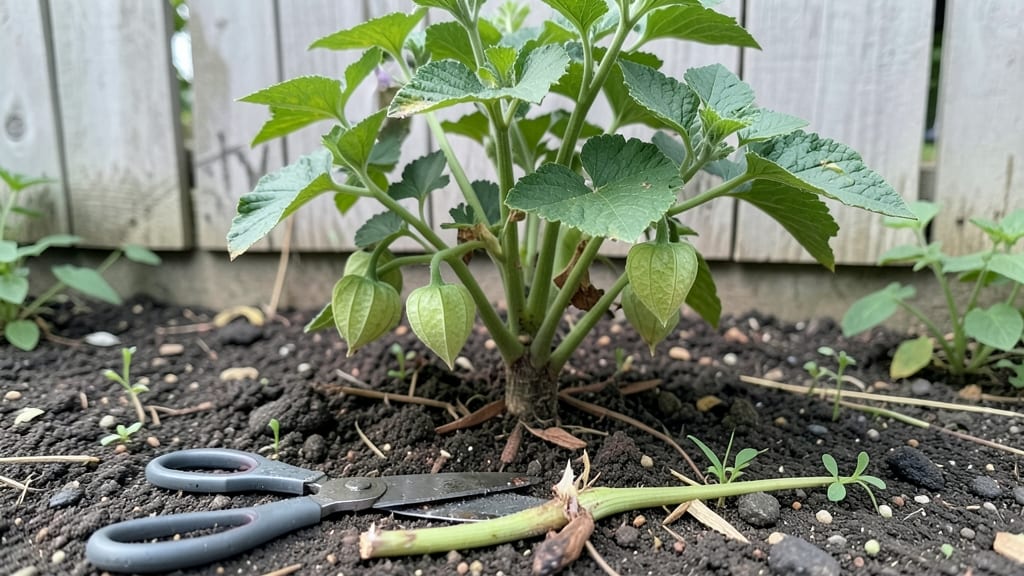
Pruning tomatillo plants transforms a single bush into a year-round harvest machine—more flowers, more fruit, and fewer diseases. 🌿 I learned the hard way that skipping this step means smaller clusters and more pests, but once you master the three key cuts, your plants reward you with pounds of tangy green goodness by midsummer.
The right time to prune is early spring and again after harvest, always cutting just above a leaf node to encourage new growth. You’ll need sharp pruners, a bucket for clippings, and about 20 minutes to shape a mature plant—no fancy tools, just precision.
The goal? Open up the center for airflow and redirect energy into fruit production instead of wild, leggy stems.
After pruning, give your plants a deep watering and a light dose of balanced fertilizer to kickstart recovery. Within 10-14 days, you’ll spot fresh green shoots where you made cuts, and by late summer, those same spots will be heavy with tomatillos.
The key is consistency—skip a season, and you’ll lose the momentum you’ve built.
This method works for both container-grown and in-ground tomatillos, and the same principles apply whether you’re growing in Zone 5 or Zone 10. Once you see the difference between a pruned plant and one left to its own devices, you’ll never go back. Let’s get those shears sharp!
📚 In This Guide
- What you need
- Instructions
- Tips and common mistakes
- Wrapping up and next steps
What you need
- ● Pruning shears or scissors: Sharp, clean, and sterilized (rubbing alcohol or bleach solution). Avoid dull tools—they crush stems instead of cutting cleanly. (1 pair)
- ○ Gloves: Heavy-duty gardening gloves (optional but recommended—tomatillos can be prickly!). (1 pair)
- ● Disinfectant: 1 part bleach to 9 parts water (for sterilizing tools between cuts). (small spray bottle or container)
- ● Garden twine or plant ties: (3–5 ft) to support branches if needed after pruning.
- ● Trash bag or bucket: For collecting pruned debris. (1–2 bags/bucket)
- ● Horticultural oil or copper fungicide: To prevent disease if your plants look stressed.
- ● Plant food (balanced fertilizer): 10-10-10 or compost tea to give your tomatillos a post-pruning boost.
- ● Notebook & pen: To track pruning dates and plant responses (great for beginners!).
- ● Knee pads: Because gardening is way more comfortable on them. 😉
Step-by-step guide to pruning tomatillo plants for maximum yield
Here’s how I keep my tomatillo plants thriving through every season—just three strategic cuts make all the difference.
✂️ Step 1: Remove Suckers for Stronger Fruit Production
Suckers are the small shoots that form in the leaf axils where branches meet the main stem. These compete with your fruit for energy, so I pinch them off as soon as they’re 2-3 inches long. Use clean pruners or your fingers—just twist gently to avoid damaging the main stem. Focus on the lower third of the plant first, then work upward.
You’ll see these suckers appear 2-3 weeks after flowering. If left unchecked, they’ll divert nutrients from your fruit, leading to smaller, less flavorful tomatillos. I prune suckers weekly during peak growth—this keeps the plant’s energy focused on developing those signature green husks.
✂️ Step 2: Trim Lower Leaves to Improve Airflow
About 4-6 weeks after transplanting, I start removing the largest lower leaves—those touching the soil or within 12 inches of the ground. These leaves create a damp, shaded environment that invites fungal diseases like early blight. Use sharp pruners to cut just above the leaf node, leaving a clean wound that heals faster.
This isn’t just about disease prevention—it’s about sunlight. More light reaches the lower fruit clusters, which ripens them faster and more evenly. You’ll notice the plant’s center opens up, and new growth appears thicker and greener. Just avoid over-trimming; leave enough foliage to keep the plant shaded from intense midday sun.
✂️ Step 3: Prune Flower Clusters for Bigger Tomatillos
When your plant sets its first flowers, I thin them to 3-4 clusters per stem. Too many flowers mean small, underdeveloped tomatillos. Snip off excess clusters with clean pruners, leaving only the largest, healthiest ones. Focus on the main stem first, then the primary branches.
This step pays off in 6-8 weeks, when your remaining clusters develop into plump, flavorful tomatillos. You’ll see the remaining fruit swell noticeably compared to crowded clusters. After thinning, I fertilize lightly with a balanced 10-10-10 to support the remaining fruit’s growth.
⏰ Step 4: Winter Pruning to Prepare for Next Season
After your last harvest, prune the plant back by one-third to remove dead or diseased foliage. Cut just above a leaf node or outward-facing branch to encourage new growth. This is also the time to remove any remaining fruit—even unripe ones—since the plant’s energy shifts to survival mode in cooler months.
I time this prune right after the first frost, when the plant enters dormancy. It’s a chance to assess the plant’s structure and plan for next year. You’ll see fresh, vibrant growth emerge in early spring, setting the stage for another productive season.
Tips & tricks for pruning tomatillo plants
Mastering these pruning techniques transforms your tomatillo harvest from decent to exceptional—here's how to get it right every season.
Timing is Everything: The 2-3 week window after flowering for sucker removal is critical. I've seen plants where I missed this window, and the fruit ended up half the size with bland flavor. Mark your calendar or set a reminder—consistency is key. Focus on the lower third first, then work upward as new suckers appear. This sequential approach prevents overloading the plant's energy reserves.
Tool Selection Matters: Sharp, clean pruners are non-negotiable for healthy cuts. I use bypass pruners for larger stems and small scissors for delicate leaves. Always sterilize your tools with rubbing alcohol between plants to prevent disease spread. Dull tools crush stems, creating wounds that invite fungal infections—especially problematic with tomatillos' moisture-loving nature.
Sunlight Strategy: When trimming lower leaves in Step 2, aim to expose the lower fruit clusters to direct sunlight while maintaining shade for the upper plant. I've found that removing leaves within 12 inches of the ground creates the perfect balance—enough light for ripening without exposing the fruit to harsh afternoon sun. Watch for the plant's center to open up; this visual cue confirms you're doing it right.
Fertilizer Timing: After thinning flower clusters in Step 3, wait 2-3 days before fertilizing. The plant needs time to recover from the pruning stress before absorbing nutrients. I use a balanced 10-10-10 fertilizer diluted to half strength—this gentle approach prevents nutrient burn while supporting the remaining fruit's development. The 6-8 week payoff period starts from this fertilization point.
Pro Tips for Prune Tomatillo Plants
- Mastering these pruning techniques transforms your tomatillo harvest from decent to exceptional—here's how to get it right every season.
- Timing is Everything: The 2-3 week window after flowering for sucker removal is critical.
- Tool Selection Matters: Sharp, clean pruners are non-negotiable for healthy cuts.
Frequently asked questions
Got questions about pruning tomatillos? You’re not alone! Here are answers to the most common concerns—so you can keep your plants thriving and your harvests bountiful.
When is the best time to prune tomatillo plants?
Prune your tomatillos throughout the growing season, but focus on three key times: early spring (to encourage growth), mid-summer (to boost fruit production), and late summer (to prep for harvest). Avoid pruning during extreme heat or cold, as it can stress the plant.
How much should I cut back my tomatillo plant?
Remove 1/3 of the plant’s foliage during each pruning session. For suckers (side shoots), snip them off just above a leaf node. Never cut more than 25% at once—this keeps the plant healthy and prevents shock. Think of it like giving your plant a gentle haircut!
What if I prune too late in the season?
If you prune too late (within 4-6 weeks of your first frost), new growth may not mature before cold weather hits. Focus on harvesting ripe fruit first, then prune lightly to clean up the plant. Save major cuts for next season’s early spring prep.
Can I prune tomatillos the same way as tomatoes?
While similar, tomatillos don’t need as aggressive pruning as tomatoes. They’re more compact and produce fruit along the stems, so avoid heavy topping. Instead, prioritize removing diseased leaves and overcrowded suckers to improve airflow and reduce pests.
Will pruning increase my tomatillo yield?
Yes! Pruning directly boosts fruit production by redirecting energy to existing flowers and fruit. It also improves air circulation, reducing disease risk. Just remember: balance is key—over-pruning can stunt growth. Aim for 3-4 main stems per plant for optimal results.
Wrapping up and next steps
Pruning your tomatillo plants doesn’t have to be intimidating—just follow those three key cuts (early season, mid-season, and harvest-time) to boost productivity and keep your plants thriving! 🌱 With the right tools, timing, and a little patience, you’ll enjoy a bountiful harvest all year long.
Now that you’re ready to prune like a pro, why not take the next step? Try experimenting with different pruning techniques or even growing tomatillos in containers—your garden adventure is just beginning! Happy pruning! ✂️